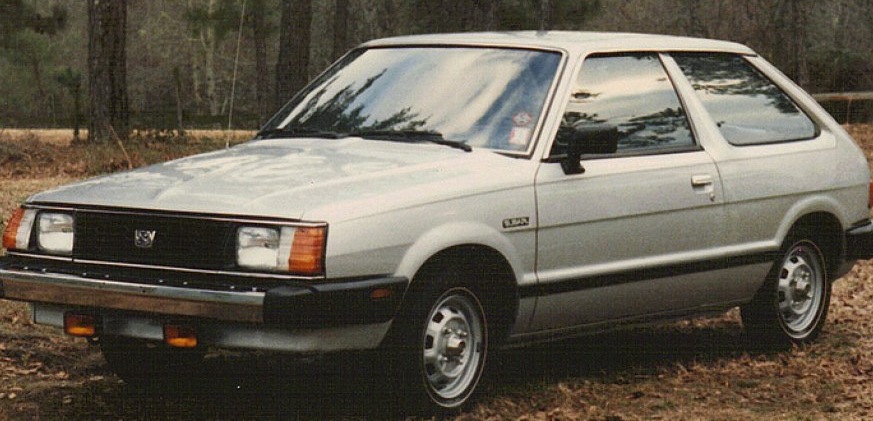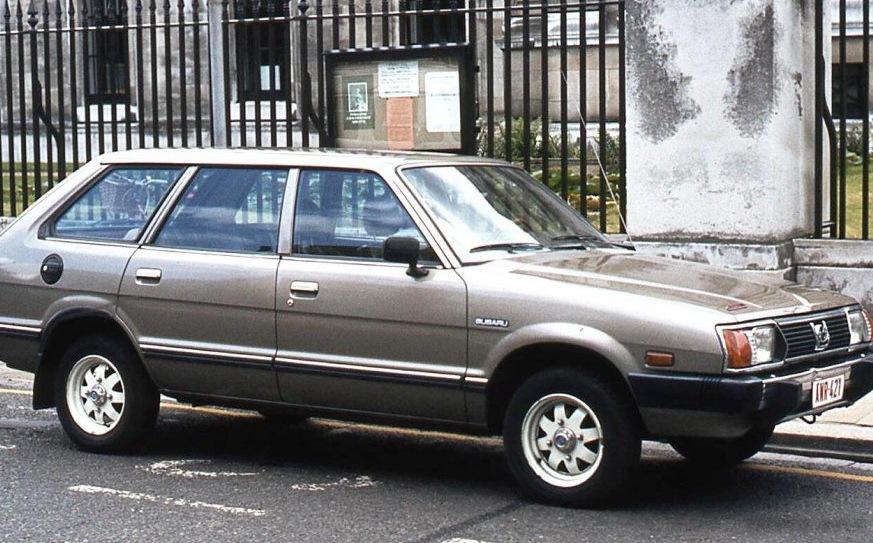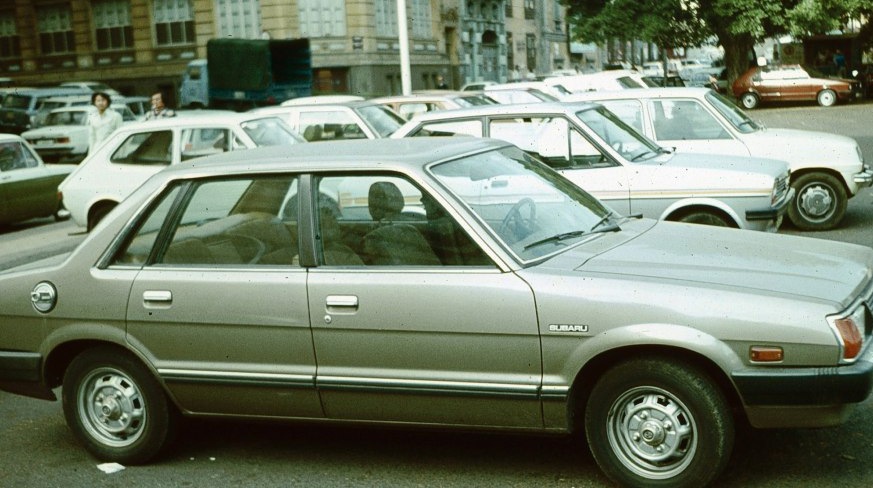
The Subaru Leone II (AB), produced between 1979 and 1984, represented a significant step forward for Subaru in establishing its presence in the global automotive market. This second generation of the Leone, known as the Leone II, built upon the success of its predecessor, offering improved styling, enhanced comfort, and a range of engine options. The 1600 variant, powered by the EA71 engine producing 86 horsepower, occupied a central position within the Leone II lineup, offering a balance between affordability, fuel economy, and acceptable performance for the average driver. It was primarily aimed at buyers seeking a practical and reliable family sedan.
Technical Specifications
| Brand | Subaru |
| Model | Leone |
| Generation | Leone II (AB) |
| Type (Engine) | 1600 (86 Hp) |
| Start of production | 1979 |
| End of production | 1984 |
| Powertrain Architecture | Internal Combustion Engine |
| Body type | Sedan |
| Seats | 5 |
| Doors | 4 |
| Fuel Type | Petrol (Gasoline) |
| Power | 86 Hp |
| Engine Model/Code | EA71 |
| Engine aspiration | Naturally aspirated |
| Engine oil capacity | 3.5 l (3.7 US qt | 3.08 UK qt) |
Introduction
The Subaru Leone II (AB) arrived as a refreshed model, replacing the original Leone which had debuted in 1972. The AB series, manufactured from 1979 to 1984, saw Subaru refine its formula for a compact, all-wheel-drive capable vehicle. While all-wheel drive wasn’t standard on all Leone II models, it was a key differentiator for the brand and increasingly popular. The 1600 model, with its 86 hp EA71 engine, was a mainstay of the range, offering a more accessible price point than the larger displacement options. It competed with other compact sedans of the era, such as the Toyota Corolla, Honda Civic, and Nissan Sunny, but distinguished itself with Subaru’s commitment to symmetrical all-wheel drive, even if it wasn’t universally equipped on this specific trim.
Powertrain & Engine Architecture
The heart of the Leone II 1600 was the EA71 engine, a 1.6-liter, naturally aspirated, four-cylinder boxer engine. Subaru’s boxer engine design, with its horizontally opposed pistons, offered inherent balance and a lower center of gravity, contributing to the car’s handling characteristics. The EA71 featured a single overhead camshaft (SOHC) operating two valves per cylinder. Fuel delivery was managed by a carburetor, a common feature for vehicles of this era. While not as precise as fuel injection, the carburetor provided reliable operation and relatively simple maintenance. The engine produced 86 horsepower at approximately 6,000 rpm and 92 lb-ft of torque at 3,600 rpm. The Leone II 1600 was typically paired with either a four-speed manual transmission or a three-speed automatic transmission. The automatic transmission, while offering convenience, did impact acceleration and fuel economy compared to the manual.
Driving Characteristics
The 1600 variant of the Leone II offered modest but adequate performance for everyday driving. Acceleration was not its strong suit, with 0-60 mph times estimated around 14-16 seconds. The three-speed automatic transmission contributed to this, with relatively wide gear ratios. The engine felt somewhat strained during hard acceleration, but provided sufficient power for cruising on highways and navigating city streets. The Leone II’s suspension, featuring independent front suspension and a live rear axle, provided a comfortable ride, absorbing bumps and imperfections in the road reasonably well. The steering was light and responsive, making the car easy to maneuver. While the all-wheel-drive system (when equipped) enhanced traction, the 1600’s relatively low power output meant that the benefits were most noticeable in slippery conditions rather than during spirited driving.
Equipment & Trim Levels
The Leone II 1600 typically came with a fairly basic level of equipment, reflecting its position as a more affordable model. Standard features generally included cloth upholstery, vinyl floor covering, a basic AM/FM radio, and manual windows and locks. Higher trim levels, often denoted by designations like “DL” or “GL”, added features such as upgraded upholstery, a more comprehensive instrument cluster, and optional extras like air conditioning and a cassette player. The dashboard layout was functional and straightforward, with clearly labeled controls. Interior space was adequate for a compact sedan, providing comfortable seating for five passengers. The trunk offered a reasonable amount of cargo space for luggage or groceries.
Chassis & Braking
The Leone II utilized a body-on-frame construction, a common practice for vehicles of this era. This construction method contributed to the car’s durability and ease of repair. The suspension system consisted of independent MacPherson struts at the front and a live axle with leaf springs at the rear. Braking was typically accomplished with disc brakes at the front and drum brakes at the rear. The braking system was adequate for normal driving conditions, but lacked the stopping power of more modern vehicles. Steering was rack and pinion, providing precise control. The chassis was designed to accommodate Subaru’s symmetrical all-wheel-drive system, although it wasn’t standard on all 1600 models. When equipped with all-wheel drive, the Leone II offered enhanced stability and traction, particularly in adverse weather conditions.
Market Reception & Comparison
The Subaru Leone II 1600 was generally well-received by automotive critics as a practical and reliable family sedan. It was praised for its comfortable ride, durable construction, and available all-wheel-drive system. However, it was also criticized for its relatively modest performance and basic interior appointments. Compared to other 1.6-liter sedans of the era, the Leone II 1600 offered a unique combination of features, including the option of all-wheel drive. Fuel economy was reasonable for the time, averaging around 25-30 mpg. Reliability was generally good, although the carburetor required periodic maintenance. The automatic transmission, while convenient, was considered less refined than those offered by some competitors. The 1600 model was often seen as a stepping stone to the more powerful 1.8 and 2.0-liter variants, offering a more affordable entry point into the Subaru lineup.
Legacy
The Subaru Leone II, and specifically the 1600 variant, played a crucial role in establishing Subaru’s reputation for building durable, reliable, and all-weather capable vehicles. The EA71 engine, while not known for its high performance, proved to be a robust and long-lasting powerplant. Today, the Leone II 1600 is a relatively rare sight on the roads, but it remains a popular choice among Subaru enthusiasts and classic car collectors. Parts availability can be challenging, but the car’s simple mechanical design makes it relatively easy to repair and maintain. The Leone II 1600 represents a significant chapter in Subaru’s history, showcasing the brand’s commitment to innovation and its unique approach to automotive engineering. Its enduring appeal lies in its simplicity, reliability, and the distinctive character of its boxer engine.