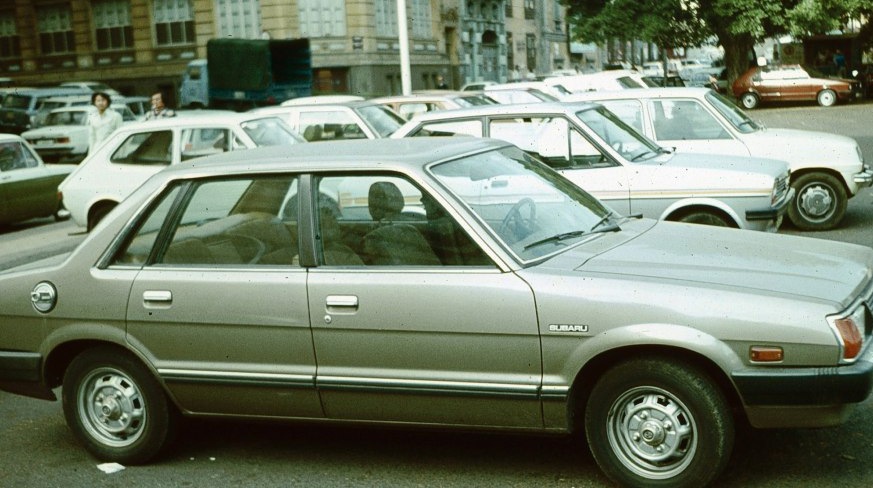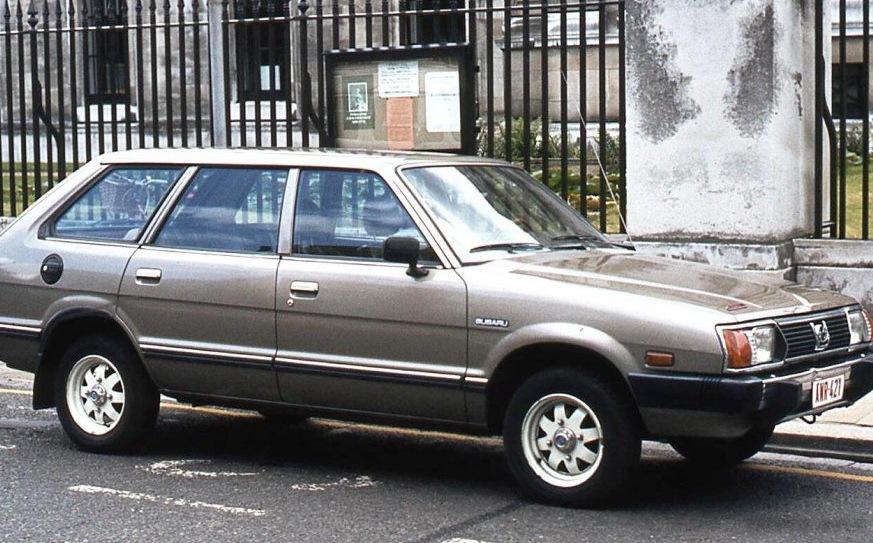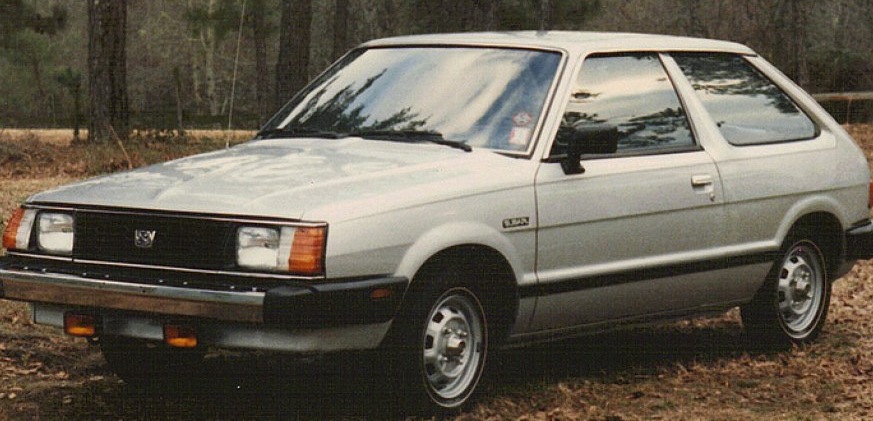
The Subaru Leone II Hatchback 1300, produced between 1979 and 1984, represents a significant step in Subaru’s expansion into global markets. Part of the second generation Leone lineup, this variant – specifically the 1300cc, 61 horsepower model – served as an entry point into the Leone range, offering affordable and practical transportation. The Leone II, built on Subaru’s new platform, aimed to provide a more refined and spacious vehicle compared to its predecessor, while retaining the brand’s signature all-wheel drive capability, though often as an optional extra on this base model. This particular hatchback configuration, with its three doors and five-seat capacity, was aimed at families and individuals seeking a versatile vehicle for both urban and rural environments.
Technical Specifications
| Brand | Subaru |
| Model | Leone |
| Generation | Leone II Hatchback |
| Type (Engine) | 1300 (61 Hp) |
| Start of Production | 1979 |
| End of Production | 1984 |
| Powertrain Architecture | Internal Combustion Engine |
| Body Type | Hatchback |
| Seats | 5 |
| Doors | 3 |
| Fuel Type | Petrol (Gasoline) |
| Power | 61 Hp |
| Engine Model/Code | EA65 |
| Engine Aspiration | Naturally Aspirated |
| Engine Oil Capacity | 3.5 l (3.7 US qt | 3.08 UK qt) |
Powertrain & Engine Architecture
The heart of the Leone II 1300 is the EA65 engine, a 1.3-liter, naturally aspirated, horizontally opposed four-cylinder engine. This “boxer” engine design, a Subaru hallmark, provides a low center of gravity, contributing to improved handling and stability. The EA65 featured a simple, overhead valve (OHV) valvetrain with two valves per cylinder. Fuel delivery was managed by a carburetor, a common feature for vehicles of this era, rather than fuel injection. The engine produced 61 horsepower at approximately 6,000 rpm and around 78 lb-ft of torque. While not a powerhouse, the EA65 was known for its reliability and relatively smooth operation. Transmission options typically included a four-speed manual gearbox, and a three-speed automatic transmission was also available, though less common. The automatic transmission was designed for economy and ease of use, prioritizing smooth shifts over outright performance.
Driving Characteristics
The Leone II 1300, particularly in its automatic transmission guise, offered a comfortable but unhurried driving experience. Acceleration was modest, with 0-60 mph times estimated to be around 16-18 seconds. The three-speed automatic transmission, while providing convenience, resulted in noticeable gear changes and a limited range of ratios. The engine’s torque peak was relatively low in the rev range, meaning that the car felt most responsive during everyday driving situations, such as city commuting or cruising on level roads. Compared to the manual transmission version, the automatic suffered a slight performance penalty, but offered a more relaxed driving experience. Higher-spec Leone models, equipped with larger engines (like the 1.6-liter) and manual transmissions, provided significantly more spirited performance, but at a higher price point.
Equipment & Trim Levels
The Leone II 1300, as the entry-level model, was typically equipped with basic but functional features. Standard equipment generally included cloth upholstery, vinyl floor covering, and a simple dashboard layout. Amenities like a radio were often optional extras. The interior was designed for practicality and durability, rather than luxury. Trim levels were relatively limited, with most variations revolving around optional equipment packages. These packages could include features like upgraded upholstery, a more sophisticated radio, and even air conditioning, though the latter was a rare addition to this base model. Exterior features were similarly straightforward, with steel wheels, basic hubcaps, and minimal chrome trim being the norm.
Chassis & Braking
The Leone II Hatchback utilized a conventional chassis design, featuring a MacPherson strut front suspension and a trailing arm rear suspension. The suspension was tuned for comfort and ride quality, prioritizing a smooth ride over sporty handling. Braking systems varied depending on the market and specific trim level. Many Leone II 1300 models were equipped with drum brakes on all four wheels, while some higher-spec versions received front disc brakes. Power steering was not typically standard on this base model, requiring more effort at low speeds. The car’s relatively light weight helped to compensate for the modest braking performance. Stabilizer bars were often omitted on the base model to keep costs down.
Market Reception & Comparison
The Subaru Leone II 1300 was generally well-received as an affordable and reliable family car. Critics praised its practicality, fuel efficiency, and the inherent safety benefits of Subaru’s all-wheel drive system (when equipped). However, the 61 horsepower engine was often criticized for being underpowered, particularly when paired with the automatic transmission. Compared to competitors like the Toyota Corolla or Nissan Sunny, the Leone II 1300 offered a unique combination of all-wheel drive capability and a distinctive boxer engine. Fuel economy was respectable for the time, averaging around 28-32 mpg. Reliability was a strong point, with the EA65 engine proving to be durable and relatively easy to maintain. The automatic transmission, while not particularly sophisticated, was generally reliable as well.
Legacy
The Subaru Leone II 1300, while not the most powerful or technologically advanced vehicle of its era, played a crucial role in establishing Subaru’s reputation for reliability and all-weather capability. The EA65 engine, despite its limitations, proved to be a robust and long-lasting powerplant. Today, the Leone II 1300 is a relatively rare sight on the roads, but it remains a popular choice among Subaru enthusiasts and classic car collectors. Parts availability can be challenging, but the engine’s simplicity makes it relatively easy to repair and maintain. The car’s enduring appeal lies in its practicality, affordability, and the unique character of its boxer engine. In the used car market, well-maintained examples of the Leone II 1300 can fetch reasonable prices, particularly those with the desirable all-wheel drive option.