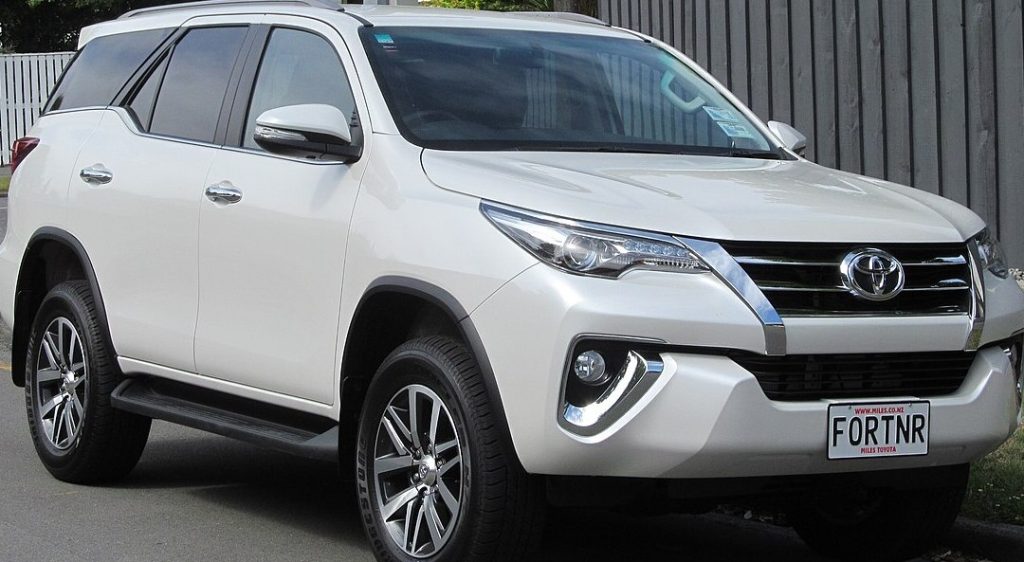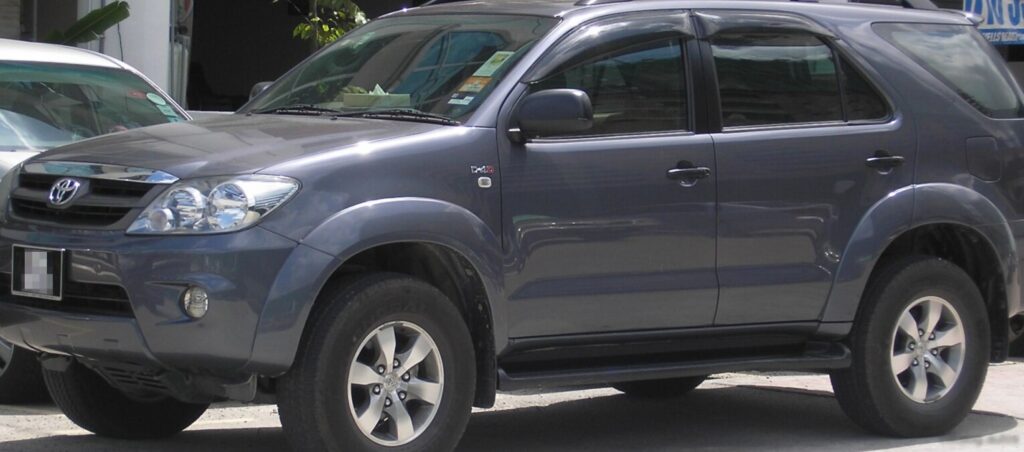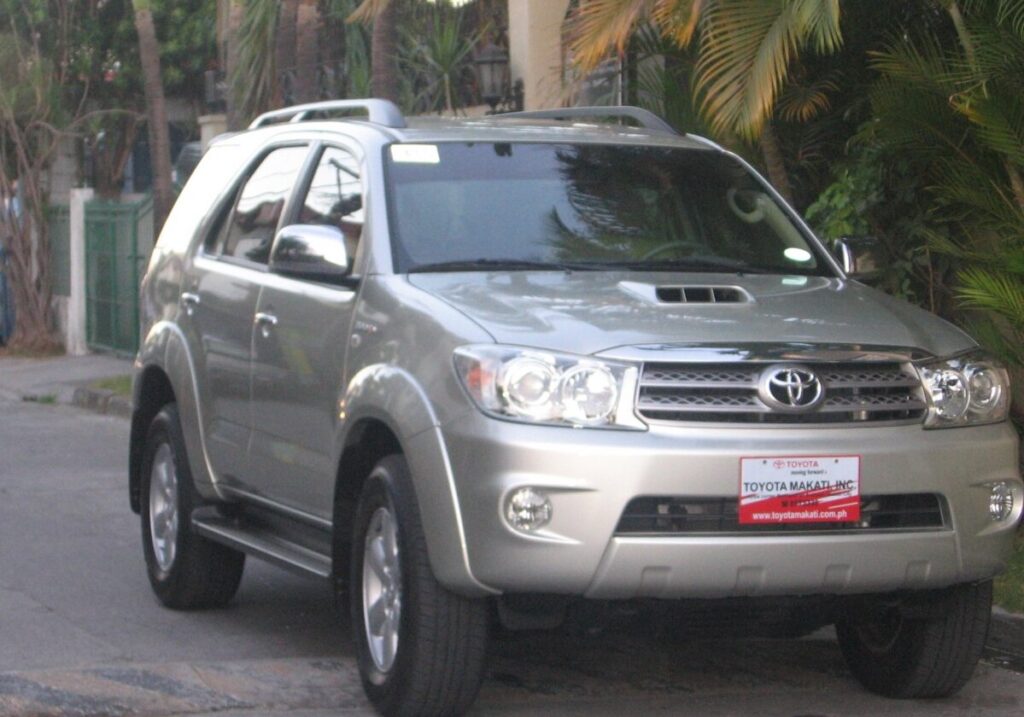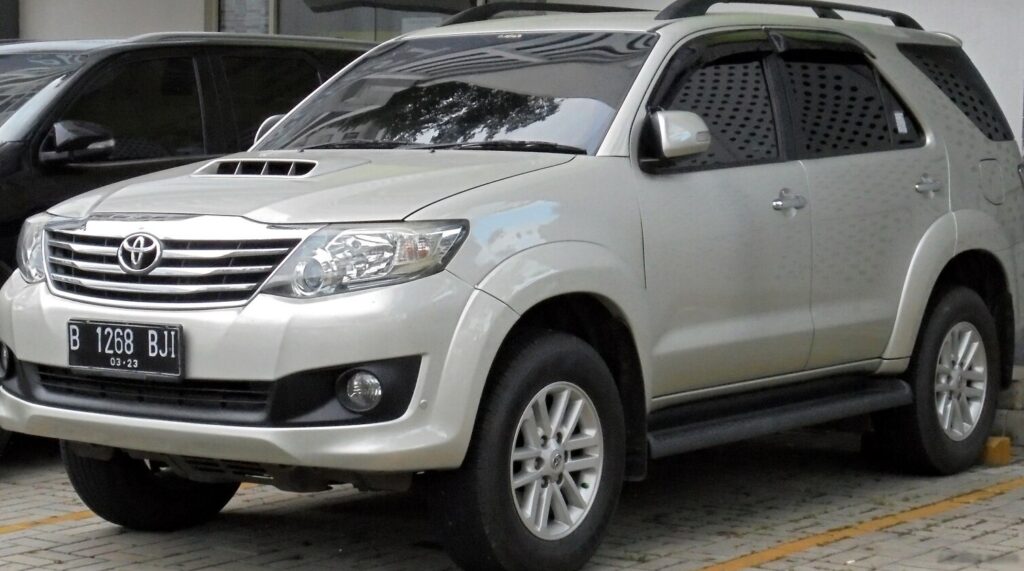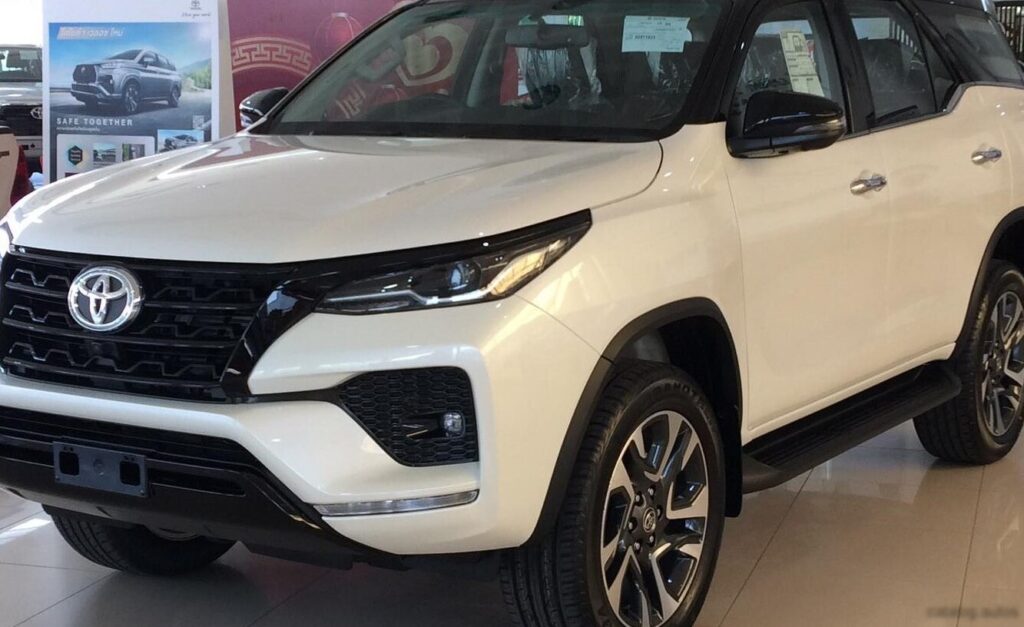
The Toyota Fortuner II, specifically the facelift model introduced in 2020 with the 2.8-liter diesel engine (designated 1GD-FTV) producing 204 horsepower, represents a significant iteration of Toyota’s popular body-on-frame SUV. Launched as a mid-cycle refresh, this variant aimed to enhance the Fortuner’s appeal in markets where robust, seven-seater SUVs are highly sought after, particularly in Southeast Asia, Australia, and parts of South America. The 2020 facelift brought styling updates, improved safety features, and refinements to the powertrain, solidifying the Fortuner’s position as a leading contender in its segment. This particular configuration, pairing the 2.8d engine with a six-speed automatic transmission, occupied a mid-to-upper trim level within the Fortuner II range, offering a balance of performance, comfort, and convenience.
Technical Specifications
| Brand | Toyota |
| Model | Fortuner |
| Generation | Fortuner II (facelift 2020) |
| Type (Engine) | 2.8d (204 Hp) Automatic |
| Start of production | 2020 |
| Powertrain Architecture | Internal Combustion engine |
| Body type | SUV |
| Seats | 7 |
| Doors | 5 |
| Fuel Type | Diesel |
| Power | 204 Hp @ 3400 rpm |
| Power per litre | 74 Hp/l |
| Torque | 500 Nm @ 1600-2800 rpm / 368.78 lb.-ft. @ 1600-2800 rpm |
| Engine layout | Front, Longitudinal |
| Engine Model/Code | 1GD-FTV |
| Engine displacement | 2755 cm3 / 168.12 cu. in. |
| Number of cylinders | 4 |
| Engine configuration | Inline |
| Number of valves per cylinder | 4 |
| Fuel injection system | Diesel Commonrail |
| Engine aspiration | Turbocharger, Intercooler |
| Valvetrain | DOHC |
| Engine oil capacity | 7.5 l / 7.93 US qt | 6.6 UK qt |
| Coolant capacity | 9.2 l / 9.72 US qt | 8.09 UK qt |
| Fuel tank capacity | 80 l / 21.13 US gal | 17.6 UK gal |
| Length | 4795 mm / 188.78 in. |
| Width | 1855 mm / 73.03 in. |
| Height | 1835 mm / 72.24 in. |
| Drivetrain Architecture | Rear wheel drive |
| Number of gears and type of gearbox | 6 gears, automatic transmission |
| Front suspension | Double wishbone |
| Rear suspension | Independent multi-link suspension |
| Front brakes | Ventilated discs |
| Rear brakes | Ventilated discs |
| Assisting systems | ABS (Anti-lock braking system) |
| Steering type | Steering rack and pinion |
| Tires size | 265/60 R18 |
| Wheel rims size | 18 |
Powertrain & Engine Architecture
The heart of this Fortuner variant is the 1GD-FTV 2.8-liter inline-four diesel engine. This engine is a member of Toyota’s GD series of diesel engines, known for their durability and efficiency. The 1GD-FTV utilizes a common-rail direct injection system, delivering fuel at extremely high pressure for optimized combustion. A turbocharger with an intercooler further enhances performance by forcing more air into the cylinders. The engine features a Double Overhead Camshaft (DOHC) valvetrain with four valves per cylinder, contributing to improved breathing and power output. The six-speed automatic transmission is a conventional torque-converter type, chosen for its smoothness and reliability. It’s programmed to provide relatively quick shifts while prioritizing fuel economy. The engine also incorporates a Start & Stop System and a particulate filter to reduce emissions, meeting increasingly stringent environmental regulations.
Driving Characteristics
The 204 horsepower and 368 lb-ft of torque produced by the 2.8-liter diesel engine provide ample power for the Fortuner, even when fully loaded with passengers and cargo. The automatic transmission is well-matched to the engine’s characteristics, offering smooth acceleration and effortless cruising. While not a sports car, the Fortuner delivers a confident and capable driving experience. Compared to the lower-powered 2.4-liter engine option available in some markets, the 2.8-liter provides noticeably stronger acceleration and better performance when tackling inclines or overtaking. The automatic transmission, while convenient, doesn’t offer the same level of driver engagement as a manual transmission, and some drivers may find the shift points slightly conservative. The rear-wheel-drive configuration contributes to a more traditional SUV feel, though a four-wheel-drive system is available on many trims.
Equipment & Trim Levels
The 2.8d Automatic trim typically included a generous array of standard features. These commonly included automatic climate control, a touchscreen infotainment system with Bluetooth connectivity, power windows and locks, and keyless entry. Higher-spec versions of this trim often added leather upholstery, heated front seats, a sunroof, and a premium audio system. Safety features were also enhanced in the 2020 facelift, with many models incorporating Toyota Safety Sense, a suite of driver-assistance technologies including pre-collision system, lane departure alert, and adaptive cruise control. Exterior features typically included alloy wheels, chrome accents, and roof rails.
Chassis & Braking
The Fortuner II utilizes a body-on-frame construction, providing a robust and durable platform for off-road driving and heavy loads. The front suspension consists of a double wishbone setup, while the rear features an independent multi-link suspension. This configuration aims to balance ride comfort with off-road capability. Ventilated disc brakes are fitted on all four wheels, providing ample stopping power. An Anti-lock Braking System (ABS) is standard, enhancing safety during emergency braking situations. The steering system employs a rack and pinion setup, offering precise and responsive handling.
Market Reception & Comparison
The 2020 Fortuner facelift, and particularly the 2.8d Automatic variant, was generally well-received by automotive critics. It was praised for its comfortable ride, spacious interior, and robust build quality. The 2.8-liter engine was considered a significant improvement over the smaller 2.4-liter option, offering more power and refinement. Fuel economy was respectable for a vehicle of its size and type, typically achieving around 25-30 mpg in mixed driving conditions. Compared to competitors like the Mitsubishi Pajero Sport and Isuzu MU-X, the Fortuner was often seen as offering a more refined driving experience and a more comprehensive suite of features. However, some critics noted that the interior design was somewhat dated compared to newer rivals.
Legacy
The Toyota Fortuner II 2.8d Automatic has proven to be a reliable and durable SUV, with the 1GD-FTV engine gaining a reputation for longevity. In the used car market, these models hold their value relatively well, reflecting their strong reputation and continued demand. The powertrain is known for its ability to withstand high mileage with proper maintenance. Common maintenance items include regular oil changes, filter replacements, and inspection of the turbocharger and fuel injection system. Overall, the 2020 facelift Fortuner 2.8d Automatic remains a popular choice for those seeking a capable, comfortable, and reliable seven-seater SUV.