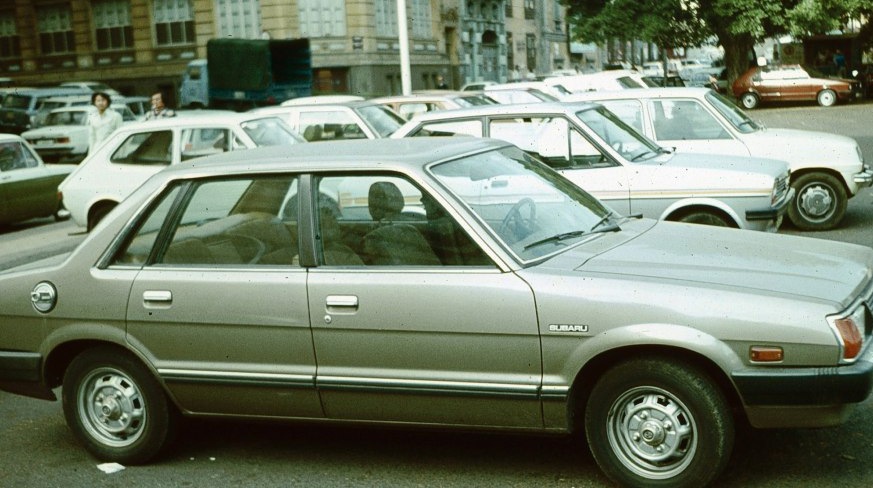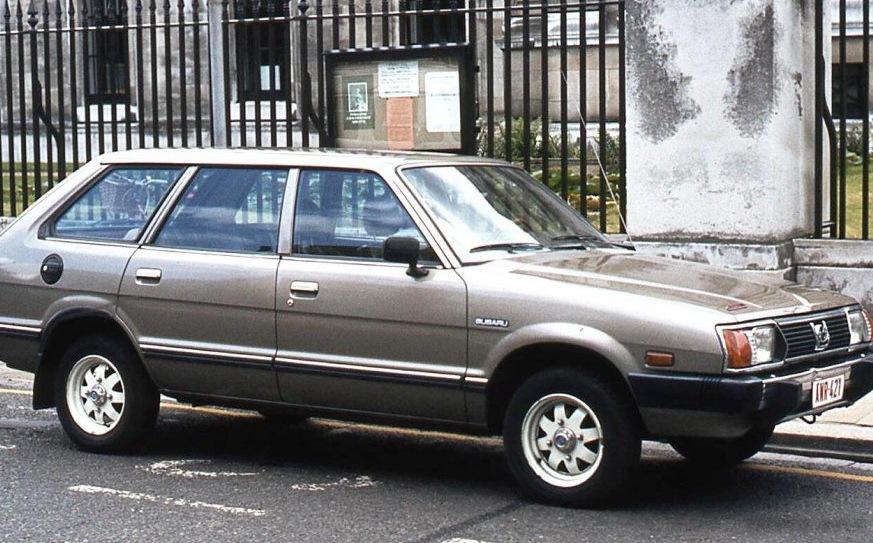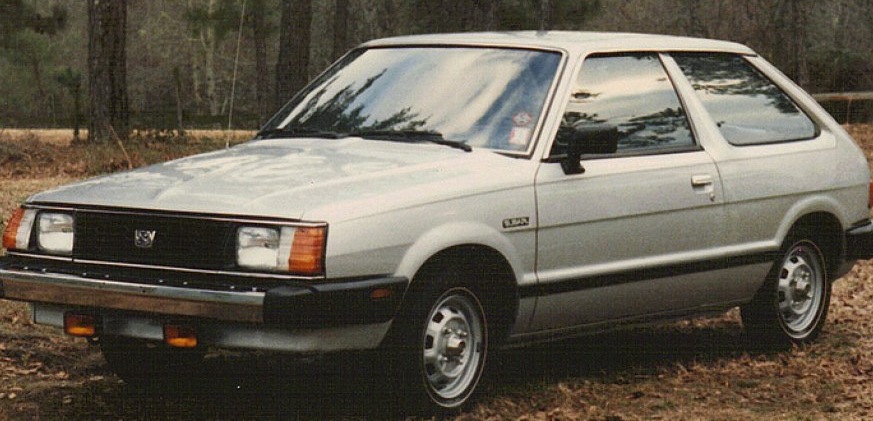
The Subaru Leone II Hatchback 1800 Turismo 4WD, produced between 1980 and 1984, represents a significant step in Subaru’s development of all-wheel-drive passenger vehicles. Positioned as a practical and capable compact car, the 1800 Turismo 4WD was a key variant within the Leone II range, offering a blend of affordability, utility, and Subaru’s signature symmetrical all-wheel-drive system. This model played a crucial role in establishing Subaru’s reputation for durable, go-anywhere vehicles, particularly in markets where inclement weather or challenging road conditions were common. While not a performance leader, the 1800 Turismo 4WD provided a reliable and versatile option for families and individuals seeking a compact vehicle with enhanced traction.
Technical Specifications
| Brand | Subaru |
| Model | Leone |
| Generation | Leone II Hatchback |
| Type | 1800 Turismo 4WD (82 Hp) |
| Production Years | 1980 – 1984 |
| Body Type | Hatchback |
| Seats | 5 |
| Doors | 3 |
| Fuel Type | Petrol (Gasoline) |
| Power | 82 Hp |
| Engine Model/Code | EA81 |
| Engine Aspiration | Naturally Aspirated |
| Engine Oil Capacity | 4 l (4.23 US qt | 3.52 UK qt) |
Powertrain & Engine Architecture
The heart of the Leone II 1800 Turismo 4WD is the EA81 engine, a 1.8-liter (1785 cc) naturally aspirated, horizontally opposed four-cylinder engine. This “boxer” engine configuration, a Subaru hallmark, contributes to a low center of gravity, enhancing stability and handling. The EA81 featured a single overhead camshaft (SOHC) design operating two valves per cylinder. Fuel delivery was managed by a carburetor, a common feature for vehicles of this era, rather than fuel injection. The EA81 produced 82 horsepower at approximately 5,200 rpm and 109 lb-ft of torque at 3,200 rpm. The engine’s relatively modest output was geared towards fuel efficiency and reliability rather than outright performance.
The “Turismo” designation indicates this model was equipped with a three-speed automatic transmission. This transmission was a relatively simple design, prioritizing durability and ease of use over sophisticated gear ratios. The automatic transmission, while offering convenience, did impact acceleration and fuel economy compared to the available four-speed manual transmission. The all-wheel-drive system was a part-time system, engaging the front wheels under normal driving conditions and automatically engaging the rear wheels when wheel slip was detected. This system utilized a viscous coupling to distribute torque between the front and rear axles.
Driving Characteristics
The Leone II 1800 Turismo 4WD offered a comfortable, if not particularly exciting, driving experience. The automatic transmission provided smooth, albeit somewhat slow, gear changes. Acceleration was adequate for everyday driving, but passing maneuvers required careful planning. The all-wheel-drive system provided enhanced traction on slippery surfaces, making it a capable vehicle in snow, gravel, or mud. The boxer engine’s low center of gravity contributed to stable handling, although the suspension was relatively soft, resulting in some body roll during cornering. Compared to the manual transmission versions, the automatic suffered a noticeable performance deficit, with slower acceleration times. The manual transmission offered a more engaging driving experience and slightly improved fuel economy.
Equipment & Trim Levels
The 1800 Turismo 4WD trim level represented a mid-range offering within the Leone II lineup. Standard equipment typically included cloth upholstery, basic instrumentation (speedometer, fuel gauge, temperature gauge), and a two-spoke steering wheel. The interior was functional and durable, prioritizing practicality over luxury. Optional extras available for the Turismo included a radio, upgraded sound system, and occasionally, air conditioning – though this was not a common feature on many examples. The exterior featured basic chrome trim and steel wheels with hubcaps. The hatchback body style provided a reasonable amount of cargo space, further enhancing the vehicle’s practicality.
Chassis & Braking
The Leone II utilized a conventional body-on-frame construction, providing a robust and durable chassis. The front suspension consisted of MacPherson struts, while the rear suspension employed a trailing arm setup. The braking system featured drum brakes on all four wheels, which was typical for vehicles in this price range during the early 1980s. The braking performance was adequate for normal driving conditions, but lacked the stopping power of more modern disc brake systems. Stabilizer bars were not standard equipment on the Turismo trim, contributing to a slightly more pronounced body roll during cornering. The all-wheel-drive system added weight to the vehicle, which slightly impacted handling and fuel economy.
Market Reception & Comparison
The Subaru Leone II 1800 Turismo 4WD was generally well-received by automotive critics as a practical and reliable all-wheel-drive vehicle. It was praised for its ability to handle challenging road conditions and its durable construction. However, the automatic transmission and relatively low horsepower output were often criticized. Compared to other trims in the Leone II lineup, such as the DL or GL models, the Turismo offered a more affordable entry point into the all-wheel-drive Subaru experience. The manual transmission versions were favored by enthusiasts seeking a more engaging driving experience. Competitors at the time included other compact hatchbacks, but few offered standard all-wheel drive, giving the Leone a unique selling point.
Legacy
The Subaru Leone II 1800 Turismo 4WD, while not a particularly rare or collectible vehicle today, holds a significant place in Subaru’s history. The EA81 engine proved to be remarkably durable, and many examples remain on the road today, often with high mileage. The all-wheel-drive system established Subaru as a leader in this technology, paving the way for future generations of all-wheel-drive vehicles. In the used car market, these Leones are often sought after by enthusiasts looking for a simple, reliable, and affordable classic car. Maintenance is generally straightforward, and parts availability is reasonable, although some components may be becoming increasingly difficult to find. The 1800 Turismo 4WD represents a pivotal moment in Subaru’s evolution, demonstrating the brand’s commitment to all-wheel-drive technology and durable, practical vehicles.