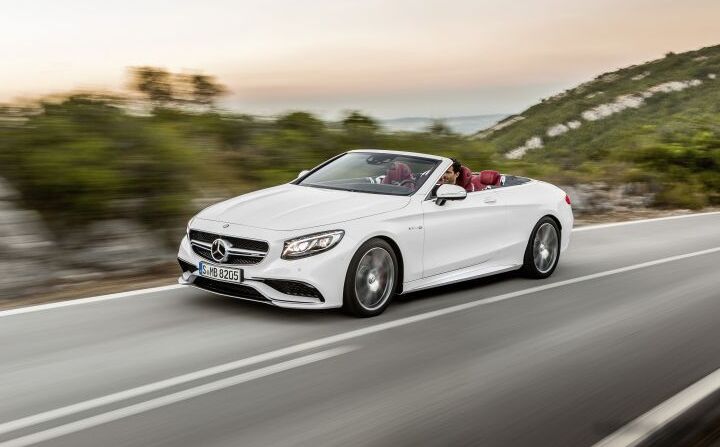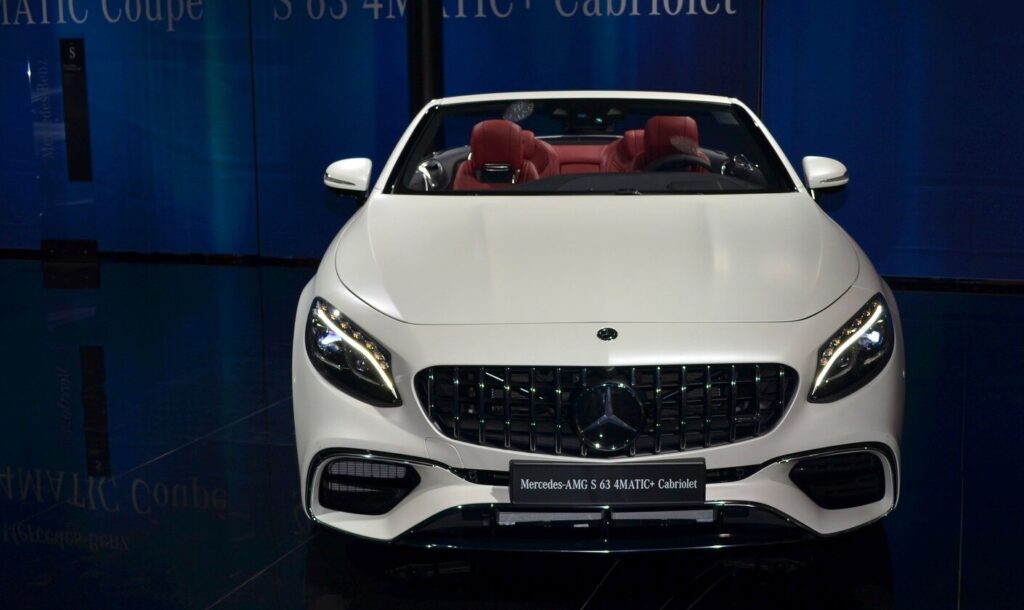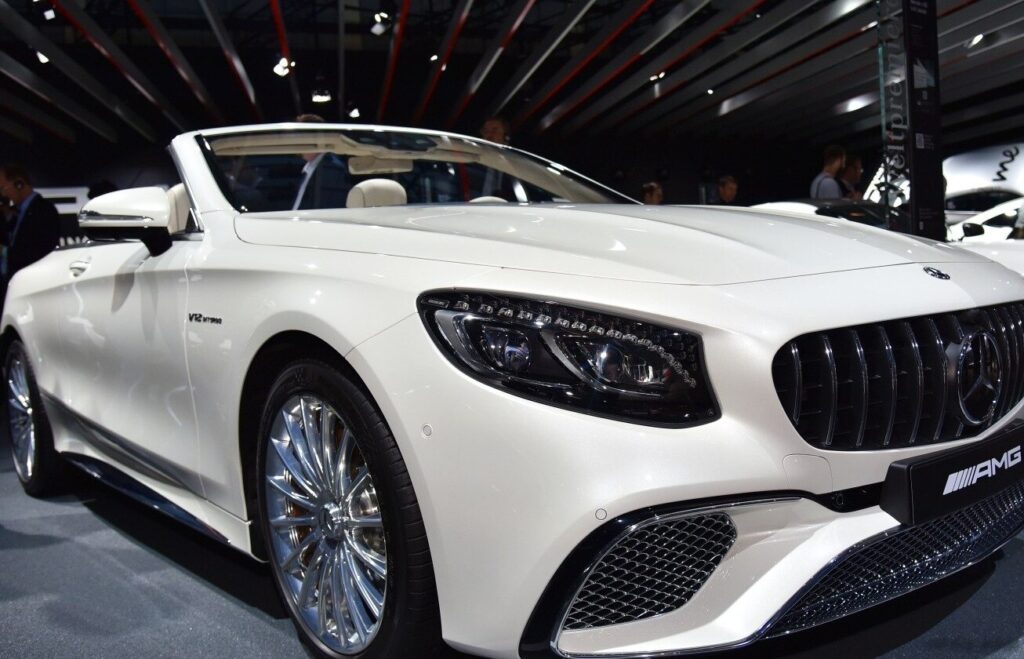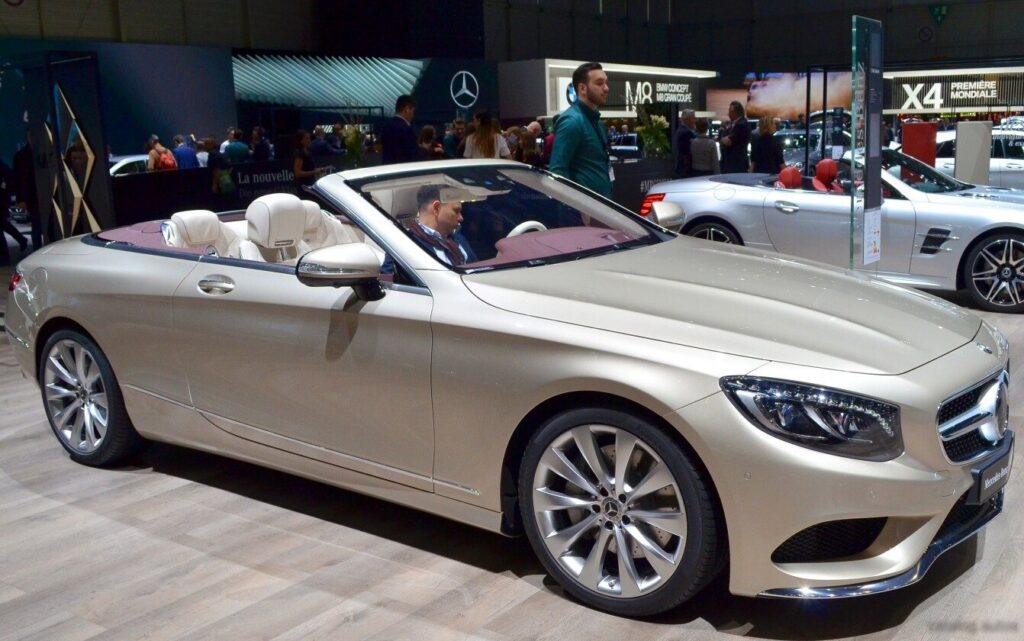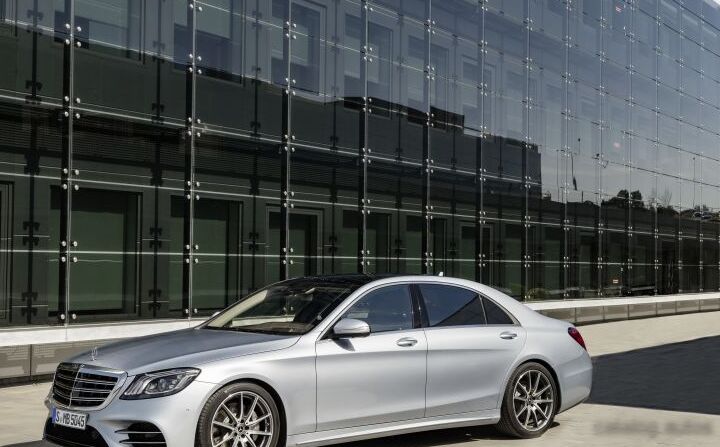
The Mercedes-Benz S-Class Long (V222 facelift), specifically the S 500 EQ Boost G-TRONIC, represents a pinnacle of luxury and technology introduced in 2017 and continuing through the 2020 model year. Positioned as a high-end variant within the long-wheelbase V222 generation, this model combined a potent gasoline engine with a 48-volt mild-hybrid system to deliver enhanced performance and efficiency. The “Long” designation indicates an extended wheelbase, prioritizing rear passenger space – a key feature for markets where chauffeur-driven travel is common. This variant aimed to bridge the gap between the standard S 500 and the even more exclusive S 600 models, offering a compelling blend of power, refinement, and innovative features.
Technical Specifications
| Brand | Mercedes-Benz |
| Model | S-class |
| Generation | S-class Long (V222, facelift 2017) |
| Type (Engine) | S 500 (435 Hp) EQ Boost G-TRONIC |
| Start of production | 2017 |
| End of production | 2020 |
| Powertrain Architecture | MHEV (Mild Hybrid Electric Vehicle) |
| Body type | Sedan |
| Seats | 4 |
| Doors | 4 |
| Fuel consumption at Low speed (WLTP) | 7.8 l/100 km (30.2 US mpg) |
| Fuel consumption at very high speed (WLTP) | 8.5 l/100 km (27.7 US mpg) |
| CO2 emissions (WLTP) | 177-193 g/km |
| Fuel consumption (economy) – urban | 8.9-9.2 l/100 km (26.4 – 25.6 US mpg) |
| Fuel consumption (economy) – extra urban | 5.3-5.7 l/100 km (44.4 – 41.3 US mpg) |
| Fuel consumption (economy) – combined | 6.6-6.9 l/100 km (35.6 – 34.1 US mpg) |
| CO2 emissions | 150-157 g/km |
| Fuel Type | Petrol (Gasoline) |
| Acceleration 0 – 100 km/h | 4.8 sec |
| Acceleration 0 – 62 mph | 4.8 sec |
| Acceleration 0 – 60 mph | 4.6 sec |
| Maximum speed | 250 km/h (155.34 mph) |
| Emission standard | Euro 6 |
| Weight-to-power ratio | 4.5 kg/Hp |
| Weight-to-torque ratio | 3.8 kg/Nm |
| Gross battery capacity | 0.9 kWh |
| Battery voltage | 48 V |
| Battery technology | Lithium-ion (Li-Ion) |
| Electric motor power | 22 Hp |
| Electric motor Torque | 250 Nm (184.39 lb.-ft.) |
| Power | 435 Hp @ 5900-6100 rpm |
| Torque | 520 Nm @ 1800-5500 rpm (383.53 lb.-ft. @ 1800-5500 rpm) |
| Engine displacement | 2999 cm3 (183.01 cu. in.) |
| Number of cylinders | 6 |
| Engine layout | Front, Longitudinal |
| Engine Model/Code | M 256.930 |
| Cylinder Bore | 83 mm (3.27 in.) |
| Piston Stroke | 92.4 mm (3.64 in.) |
| Compression ratio | 10.5:1 |
| Kerb Weight | 1950 kg (4299.01 lbs.) |
| Max. weight | 2695 kg (5941.46 lbs.) |
| Trunk (boot) space – minimum | 530 l (18.72 cu. ft.) |
| Fuel tank capacity | 70 l (18.49 US gal) |
| Length | 5271 mm (207.52 in.) |
| Width | 1905 mm (75 in.) |
| Height | 1496 mm (58.9 in.) |
| Wheelbase | 3165 mm (124.61 in.) |
| Number of gears | 9 |
| Gearbox type | automatic transmission G-TRONIC |
INTRODUCTION
The S 500 EQ Boost G-TRONIC, launched as part of the V222 facelift in 2017, represented a significant evolution of the flagship Mercedes-Benz S-Class. Built on the 1HX0/A3 platform, the V222 generation, and particularly this facelift, focused on integrating advanced technology and enhancing the driving experience. The EQ Boost system, a 48-volt mild-hybrid setup, was a key differentiator, providing benefits such as smoother start/stop operation, energy recovery, and a small power boost. The “Long” variant, with its extended wheelbase, catered to customers prioritizing rear passenger comfort, particularly in markets like China and the Middle East. This model aimed to deliver a luxurious and technologically advanced experience, solidifying the S-Class’s reputation as a benchmark in the luxury sedan segment.
Powertrain & Engine Architecture
At the heart of the S 500 EQ Boost lies the M 256.930 engine, a 3.0-liter inline-six cylinder gasoline engine. This engine utilizes direct injection and is equipped with a twin-scroll turbocharger and intercooler, contributing to its impressive power output. The engine’s architecture is notable for its “hot-vee” configuration, where the turbocharger is positioned within the engine’s V, optimizing exhaust gas flow and reducing turbo lag. The EQ Boost system adds a 22 horsepower electric motor integrated into the drivetrain, between the engine and the 9-speed G-TRONIC automatic transmission. This electric motor assists the engine during acceleration and allows for coasting with the engine shut off, improving fuel efficiency. The 48-volt electrical system provides the necessary power for the EQ Boost components. The G-TRONIC transmission is known for its smooth and quick shifts, further enhancing the driving experience.
Driving Characteristics
The S 500 EQ Boost G-TRONIC delivers a refined and powerful driving experience. The combination of the inline-six engine and the EQ Boost system results in a 0-60 mph acceleration time of approximately 4.6 seconds. While not as overtly sporty as some of its competitors, the S 500 offers ample power for effortless cruising and confident overtaking. The 9-speed automatic transmission is well-tuned, providing smooth gear changes and keeping the engine in its optimal power band. Compared to the V8-powered S 560, the S 500 offers a slightly more fuel-efficient experience, while still delivering a substantial amount of performance. The EQ Boost system contributes to a seamless and responsive feel, masking any potential turbo lag. The long wheelbase provides a comfortable and stable ride, absorbing bumps and imperfections in the road effectively.
Equipment & Trim Levels
The S 500 EQ Boost G-TRONIC came standard with a comprehensive array of luxury features. Interior appointments typically included premium leather upholstery, wood trim, and metal accents. Standard equipment included Mercedes-Benz’s COMAND infotainment system with a large central display, a Burmester surround sound system, and a panoramic sunroof. Advanced driver-assistance systems, such as adaptive cruise control, lane-keeping assist, and automatic emergency braking, were also standard. Optional extras included massaging seats, a rear-seat entertainment system, and various customization options for the interior and exterior. The long wheelbase provided significantly more rear legroom compared to the standard S-Class, making it ideal for chauffeured transport.
Chassis & Braking
The S 500 EQ Boost G-TRONIC features an independent multi-link suspension at both the front and rear axles. This suspension setup, combined with the car’s advanced electronic stability control system, provides a comfortable and controlled ride. The car is equipped with ventilated disc brakes on all four wheels, providing ample stopping power. Air suspension was often included, allowing the driver to adjust the ride height and stiffness. The steering system is a power-assisted rack and pinion system, offering precise and responsive steering feel. The chassis is designed to minimize noise, vibration, and harshness, contributing to the S-Class’s reputation for refinement.
Market Reception & Comparison
The S 500 EQ Boost G-TRONIC was generally well-received by automotive critics. Reviewers praised its smooth ride, powerful engine, and advanced technology. The EQ Boost system was lauded for its ability to improve fuel efficiency without sacrificing performance. Compared to the S 560, the S 500 offered a more balanced combination of performance and economy. However, some critics noted that the inline-six engine lacked the character and sound of a traditional V8. Fuel economy figures were competitive for the luxury sedan segment, with combined fuel consumption ranging from 6.6 to 6.9 liters per 100 kilometers. Reliability reports have generally been positive, with the M 256 engine proving to be a robust and dependable unit.
Legacy
The Mercedes-Benz S 500 EQ Boost G-TRONIC represents a significant step in the evolution of the S-Class. The introduction of the 48-volt mild-hybrid system paved the way for more advanced electrification technologies in future Mercedes-Benz models. On the used car market, these models hold their value well, reflecting the S-Class’s enduring reputation for luxury and reliability. The M 256 engine has proven to be a durable and relatively maintenance-free unit, making these cars an attractive option for buyers seeking a high-end luxury sedan. The S 500 EQ Boost G-TRONIC remains a testament to Mercedes-Benz’s commitment to innovation and engineering excellence.