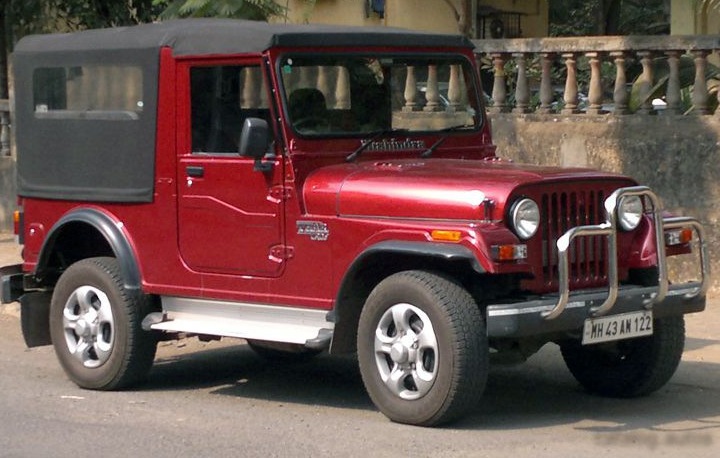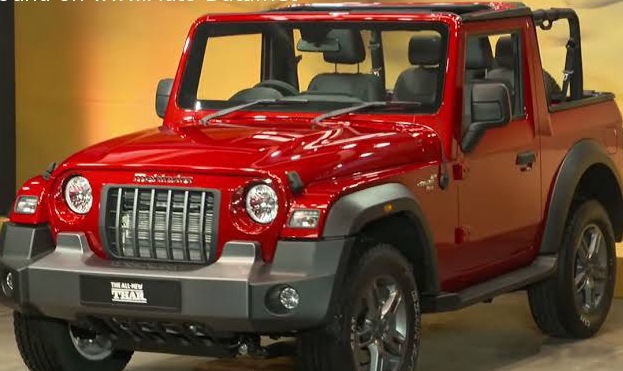
The Mahindra Thar II 2.0 mStallion TGDi, producing 152 horsepower, is a four-wheel drive, four-seater variant of the second-generation Mahindra Thar, launched in August 2020. This model represents a significant step forward for the Thar, transitioning it from a niche, utilitarian off-roader to a more mainstream, lifestyle vehicle while retaining its core off-road capabilities. It occupies a mid-range position within the Thar II lineup, offering a balance between performance and affordability, slotting above the diesel variants and below the higher-spec petrol options. The introduction of the mStallion engine marked Mahindra’s commitment to modern gasoline technology, aiming to broaden the Thar’s appeal to a wider customer base.
Technical Specifications
| Brand | Mahindra |
| Model | Thar |
| Generation | Thar II |
| Type | 2.0 mStallion TGDi (152 Hp) 4WD 4-Seater |
| Start of production | August, 2020 |
| Powertrain Architecture | Internal Combustion engine |
| Body type | Off-road vehicle, Cabriolet |
| Seats | 4 |
| Doors | 3 |
| Fuel Type | Petrol (Gasoline) |
| Power | 152 Hp @ 5000 rpm |
| Power per litre | 76.1 Hp/l |
| Torque | 300 Nm @ 1250-3000 rpm / 221.27 lb.-ft. @ 1250-3000 rpm |
| Engine displacement | 1997 cm3 / 121.86 cu. in. |
| Number of cylinders | 4 |
| Engine configuration | Inline |
| Fuel injection system | Direct injection |
| Engine aspiration | Turbocharger, Intercooler |
| Fuel tank capacity | 57 l / 15.06 US gal | 12.54 UK gal |
| Length | 3985 mm / 156.89 in. |
| Width | 1820-1855 mm / 71.65 – 73.03 in. |
| Height | 1844-1920 mm / 72.6 – 75.59 in. |
| Wheelbase | 2450 mm / 96.46 in. |
| Front track | 1520 mm / 59.84 in. |
| Rear track | 1520 mm / 59.84 in. |
| Ride height (ground clearance) | 219-226 mm / 8.62 – 8.9 in. |
| Approach angle | 41.2-41.8° |
| Departure angle | 36-36.8° |
| Ramp-over angle | 26.2-27° |
| Wading depth | 650 mm / 25.59 in. |
| Drivetrain Architecture | All wheel drive (4×4) |
| Number of gears and type of gearbox | 6 gears, manual transmission |
| Front suspension | Double wishbone, Transverse stabilizer |
| Rear suspension | Independent multi-link spring suspension with stabilizer |
| Front brakes | Disc, 303 mm |
| Rear brakes | Drum, 282 mm |
| Steering type | Steering rack and pinion |
| Power steering | Hydraulic Steering |
| Tires size | 245/75 R16; 255/65 R18 |
| Wheel rims size | 16; 18 |
Powertrain & Engine Architecture
The heart of the Thar II 2.0 mStallion TGDi is the 1997cc, inline-four cylinder petrol engine. This engine utilizes direct fuel injection and a turbocharger with an intercooler to deliver a respectable 152 horsepower and 300 Nm (221 lb-ft) of torque. The “TGDi” designation stands for Turbocharged Gasoline Direct Injection, highlighting the key technologies employed. The engine’s architecture is relatively conventional, featuring a double overhead camshaft (DOHC) valvetrain. The direct injection system allows for precise fuel delivery, optimizing combustion efficiency and contributing to improved power output. The turbocharger provides a significant boost in power, particularly at lower engine speeds, enhancing drivability. The engine is paired with a six-speed manual transmission, chosen for its robustness and driver engagement, a common preference for off-road enthusiasts.
Driving Characteristics
The 2.0 mStallion TGDi-equipped Thar offers a noticeable improvement in on-road performance compared to the diesel variants. The petrol engine provides a more responsive and linear power delivery, making it easier to drive in everyday traffic. While not a sports car, the 152 hp engine provides adequate power for highway cruising and overtaking. Off-road, the engine’s torque characteristics, particularly the availability of 300 Nm from 1250 rpm, are beneficial for navigating challenging terrain. The six-speed manual transmission allows for precise gear selection, enabling the driver to maintain optimal engine speed for various conditions. Compared to a hypothetical automatic transmission, the manual offers greater control during off-road maneuvers. However, the manual transmission does require more driver involvement, which may not appeal to all users.
Equipment & Trim Levels
The Thar II 2.0 mStallion TGDi typically came equipped with a range of features designed to enhance both comfort and functionality. Standard equipment generally included air conditioning, power steering, power windows, and a basic audio system. The interior featured durable, washable materials suitable for an off-road vehicle. Higher trim levels offered upgrades such as a touchscreen infotainment system with Apple CarPlay and Android Auto connectivity, cruise control, and leather-wrapped steering wheel. Optional extras included a hardtop roof, alloy wheels, and additional safety features. The interior design prioritized practicality and ease of cleaning, reflecting the Thar’s intended use as a rugged, adventure-focused vehicle.
Chassis & Braking
The Thar II utilizes a robust body-on-frame chassis, providing the necessary strength and durability for off-road use. The suspension system consists of a double wishbone setup at the front and an independent multi-link spring suspension at the rear, both incorporating a transverse stabilizer bar to reduce body roll. The braking system features disc brakes on the front wheels (303mm diameter) and drum brakes on the rear wheels (282mm diameter). While the rear drum brakes are a cost-saving measure, they provide adequate stopping power for the vehicle’s weight and intended use. The high ground clearance (219-226mm) and impressive approach, departure, and ramp-over angles contribute to the Thar’s exceptional off-road capability.
Market Reception & Comparison
The introduction of the 2.0 mStallion TGDi engine was generally well-received by automotive critics and consumers. The petrol engine offered a welcome alternative to the diesel options, appealing to those who preferred the smoother power delivery and quieter operation of a gasoline engine. Fuel economy was comparable to other vehicles in its class, although slightly lower than the diesel variants. Reliability has been generally good, with few reported issues specific to the mStallion engine. Compared to the diesel-powered Thars, the petrol version offered a more refined driving experience, but at the cost of slightly lower fuel efficiency and potentially higher running costs due to the higher price of gasoline.
Legacy
The Mahindra Thar II 2.0 mStallion TGDi has established itself as a popular choice in the Indian market, contributing significantly to the Thar’s overall success. The engine has proven to be relatively reliable, and parts availability is generally good. In the used car market, these models hold their value reasonably well, particularly those that have been well-maintained and have not been subjected to extreme off-road abuse. The 2.0 mStallion TGDi variant represents a pivotal moment in the Thar’s evolution, bridging the gap between a utilitarian off-roader and a more accessible, lifestyle vehicle, and solidifying its position as a modern icon in the Indian automotive landscape.