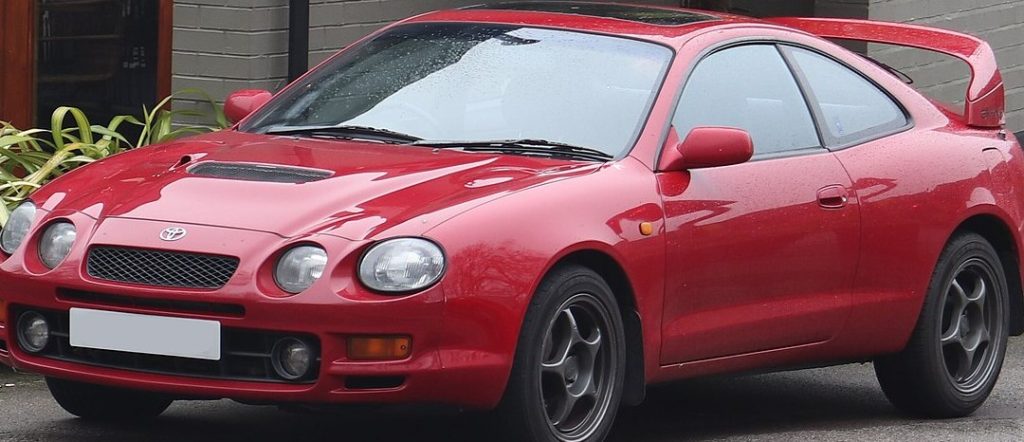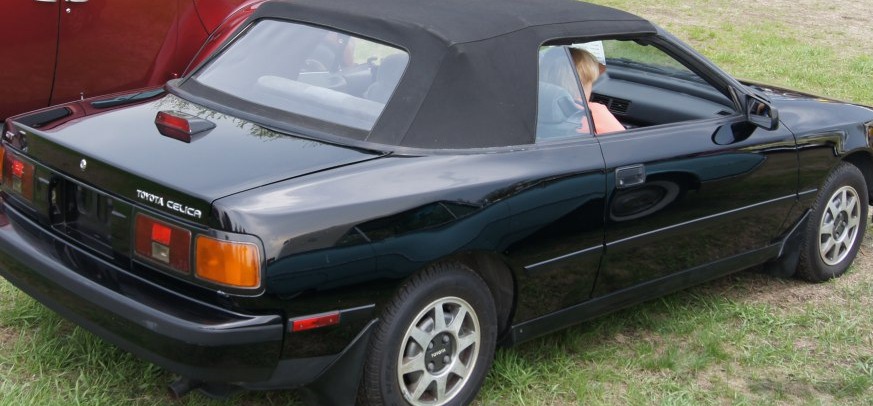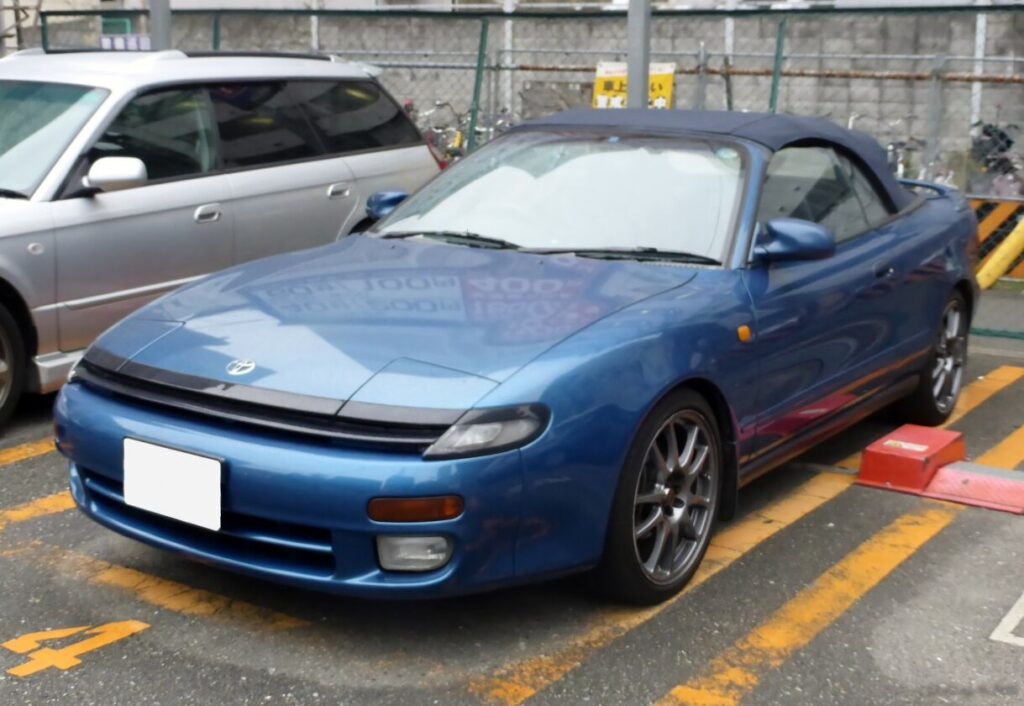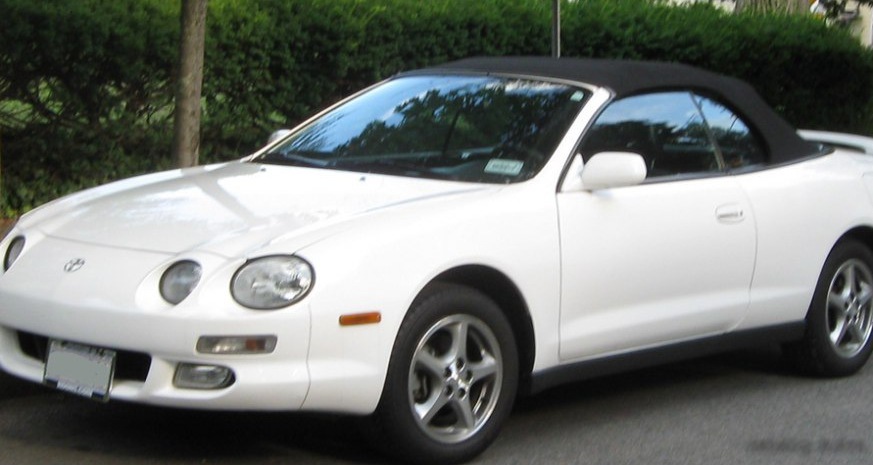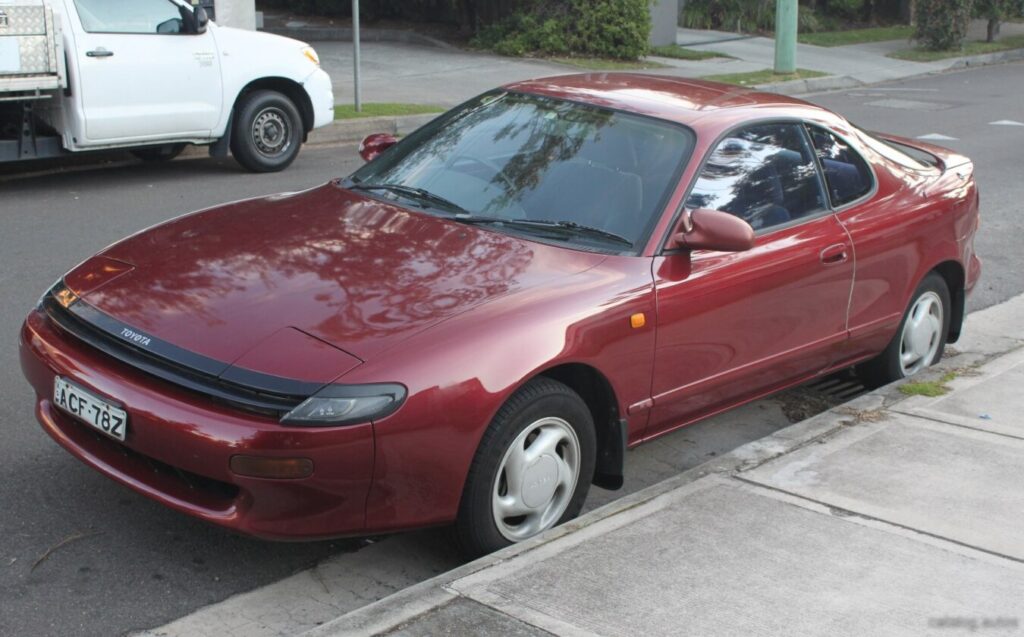
The Toyota Celica T18, produced between 1989 and 1994, represented a significant evolution for the Celica line, moving towards a more sophisticated and sporty grand tourer. The 2.0 GT-i 16V variant, equipped with the 3S-GE engine producing 156 horsepower, occupied a premium position within the T18 range, offering a balance of performance and refinement. This generation Celica, built on the T18 platform, aimed to appeal to buyers seeking a stylish, reliable, and engaging coupe. It was primarily marketed in Japan, Europe, and Australia, with limited official imports to the United States during this period.
Technical Specifications
| Brand | Toyota |
| Model | Celica |
| Generation | Celica (T18) |
| Type | 2.0 GT-i 16V (156 Hp) |
| Start of production | 1989 |
| End of production | 1994 |
| Powertrain Architecture | Internal Combustion engine |
| Body type | Coupe |
| Seats | 5 |
| Doors | 3 |
| Fuel consumption (urban) | 9.9 l/100 km (23.8 US mpg) |
| Fuel consumption (extra urban) | 5.8 l/100 km (40.6 US mpg) |
| Fuel consumption (combined) | 7.7 l/100 km (30.5 US mpg) |
| Fuel Type | Petrol (Gasoline) |
| Acceleration 0 – 100 km/h | 8.3 sec |
| Acceleration 0 – 62 mph | 8.3 sec |
| Acceleration 0 – 60 mph | 7.9 sec |
| Maximum speed | 220 km/h (136.7 mph) |
| Weight-to-power ratio | 7.7 kg/Hp |
| Weight-to-torque ratio | 6.5 kg/Nm |
| Power | 156 Hp @ 6600 rpm |
| Torque | 186 Nm @ 4800 rpm (137.19 lb.-ft. @ 4800 rpm) |
| Engine layout | Front, Transverse |
| Engine Model/Code | 3S-GE |
| Engine displacement | 1998 cm3 (121.93 cu. in.) |
| Number of cylinders | 4 |
| Engine configuration | Inline |
| Cylinder Bore | 86 mm (3.39 in.) |
| Piston Stroke | 86 mm (3.39 in.) |
| Compression ratio | 10:1 |
| Number of valves per cylinder | 4 |
| Fuel injection system | Multi-port manifold injection |
| Engine aspiration | Naturally aspirated |
| Engine oil capacity | 3.9 l (4.12 US qt | 3.43 UK qt) |
| Coolant capacity | 6.5 l (6.87 US qt | 5.72 UK qt) |
| Kerb Weight | 1200 kg (2645.55 lbs.) |
| Trunk (boot) space | 320 l (11.3 cu. ft.) |
| Fuel tank capacity | 60 l (15.85 US gal | 13.2 UK gal) |
| Length | 4420 mm (174.02 in.) |
| Width | 1690 mm (66.54 in.) |
| Height | 1300 mm (51.18 in.) |
| Wheelbase | 2525 mm (99.41 in.) |
| Front track | 1465 mm (57.68 in.) |
| Rear track | 1430 mm (56.3 in.) |
| Drivetrain Architecture | Front wheel drive |
| Number of gears | 5 |
| Gearbox type | Manual transmission |
| Front suspension | Spring Strut |
| Rear suspension | Coil spring |
| Front brakes | Ventilated discs |
| Rear brakes | Disc |
| Assisting systems | ABS (Anti-lock braking system) |
| Steering type | Steering rack and pinion |
| Power steering | Hydraulic |
| Tires size | 195/60 R14 |
| Wheel rims size | 14 |
Powertrain & Engine Architecture
The heart of the 2.0 GT-i 16V was the 3S-GE engine, a 1998cc inline-four cylinder powerplant. This engine featured a 10:1 compression ratio and utilized multi-port fuel injection for precise fuel delivery. The “16V” designation indicated the engine’s four valves per cylinder configuration, enhancing breathing and contributing to its higher output. The 3S-GE was known for its relatively smooth power delivery and willingness to rev. The engine was transversely mounted, driving the front wheels. The five-speed manual transmission was the standard offering, providing drivers with full control over the engine’s power. The transmission was chosen for its durability and relatively short throw, enhancing the sporty driving experience.
Driving Characteristics
The 156 hp and 137 lb-ft of torque provided by the 3S-GE engine, coupled with the five-speed manual transmission, resulted in a responsive and engaging driving experience. Acceleration from 0-60 mph was achieved in approximately 7.9 seconds, respectable for a front-wheel-drive coupe of its era. The gear ratios were well-matched, allowing for strong acceleration in each gear. Compared to lower-spec Celica models with smaller engines, the GT-i 16V offered a noticeable performance advantage. While not as raw or focused as some rear-wheel-drive sports cars, the Celica provided a balanced and predictable handling experience, making it enjoyable for both daily driving and spirited weekend excursions.
Equipment & Trim Levels
The 2.0 GT-i 16V typically came well-equipped, reflecting its position as a premium trim level. Standard features included power windows, power locks, and a decent sound system. Interior upholstery was typically cloth, though leather options were sometimes available. The dashboard featured a sporty design with clear instrumentation. Optional extras could include a sunroof, upgraded audio systems, and alloy wheels. The GT-i 16V often featured a unique body kit, including a rear spoiler and side skirts, to differentiate it from lower-spec models.
Chassis & Braking
The Celica T18 utilized a front-wheel-drive chassis with independent front suspension using spring struts and a coil spring rear suspension. This setup provided a good balance of ride comfort and handling. The front brakes were ventilated discs, offering good stopping power, while the rear brakes were solid discs. An Anti-lock Braking System (ABS) was standard, enhancing safety and control during hard braking. The steering was rack and pinion with hydraulic power assistance, providing precise and responsive steering feel.
Market Reception & Comparison
The Celica T18 2.0 GT-i 16V was generally well-received by automotive critics. It was praised for its stylish design, reliable engine, and engaging driving experience. Compared to other coupes in its class, such as the Honda Prelude and Nissan 240SX, the Celica offered a compelling combination of performance, features, and value. Fuel economy was respectable for a performance-oriented coupe, averaging around 30.5 US mpg in combined driving. Reliability was also a strong point, with the 3S-GE engine being known for its durability.
Legacy
The Toyota Celica T18 2.0 GT-i 16V remains a popular choice among enthusiasts today. The 3S-GE engine is known for its robustness and relatively simple maintenance requirements. While finding parts can sometimes be a challenge, the engine is generally considered to be reliable and capable of handling moderate performance upgrades. The Celica T18 has developed a cult following, and well-maintained examples are increasingly sought after by collectors and enthusiasts who appreciate its blend of style, performance, and reliability. The car represents a high point in Toyota’s coupe history, offering a compelling alternative to more common sports cars of the era.