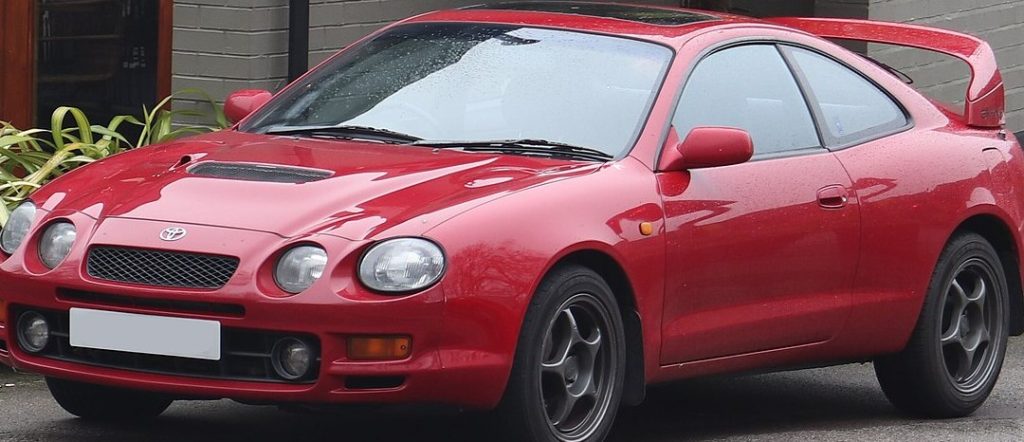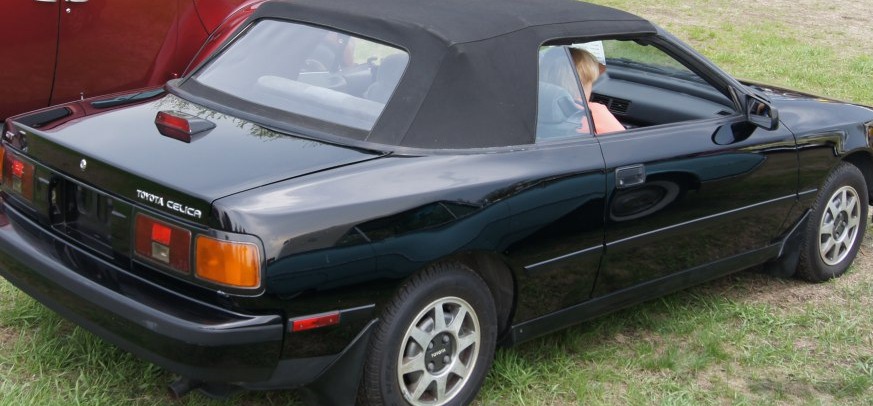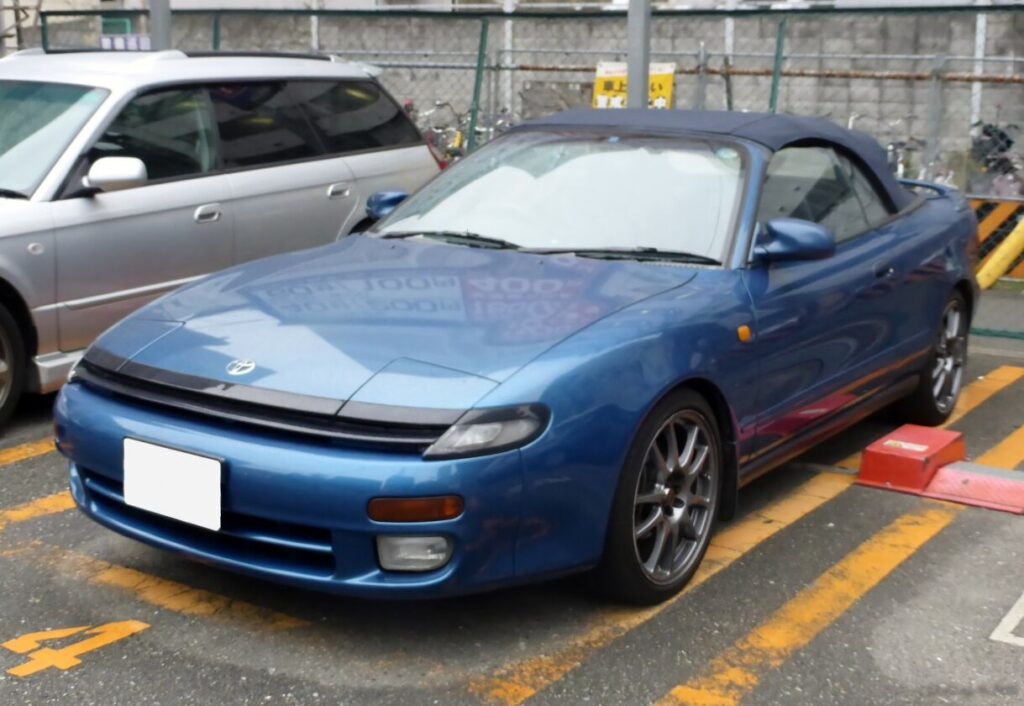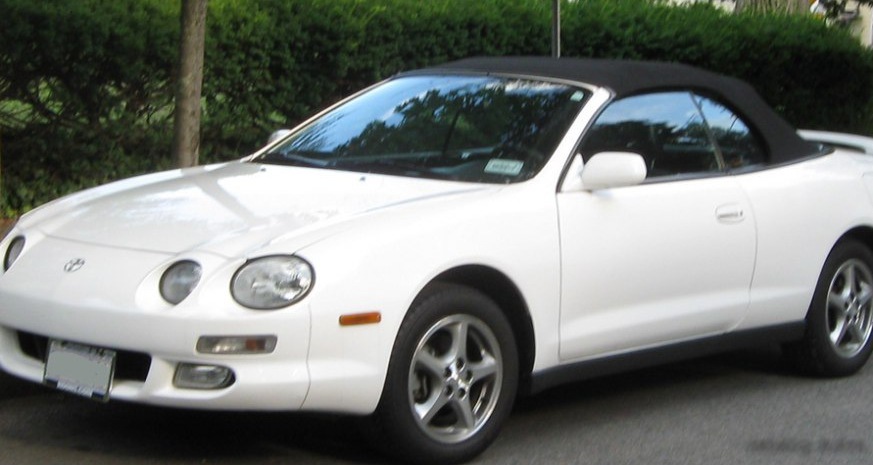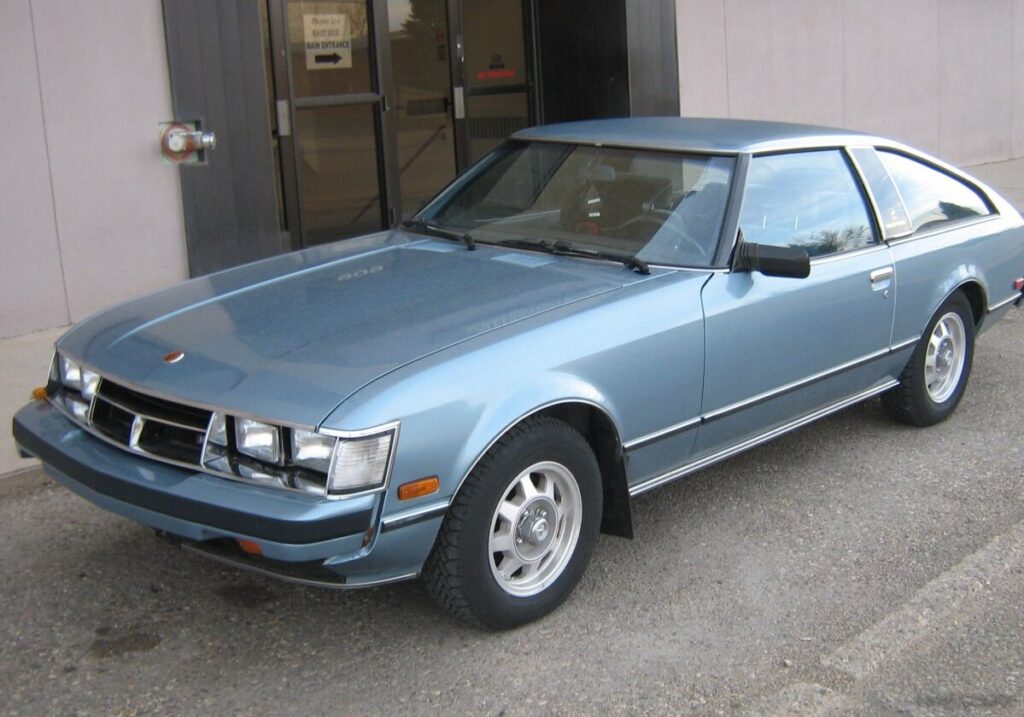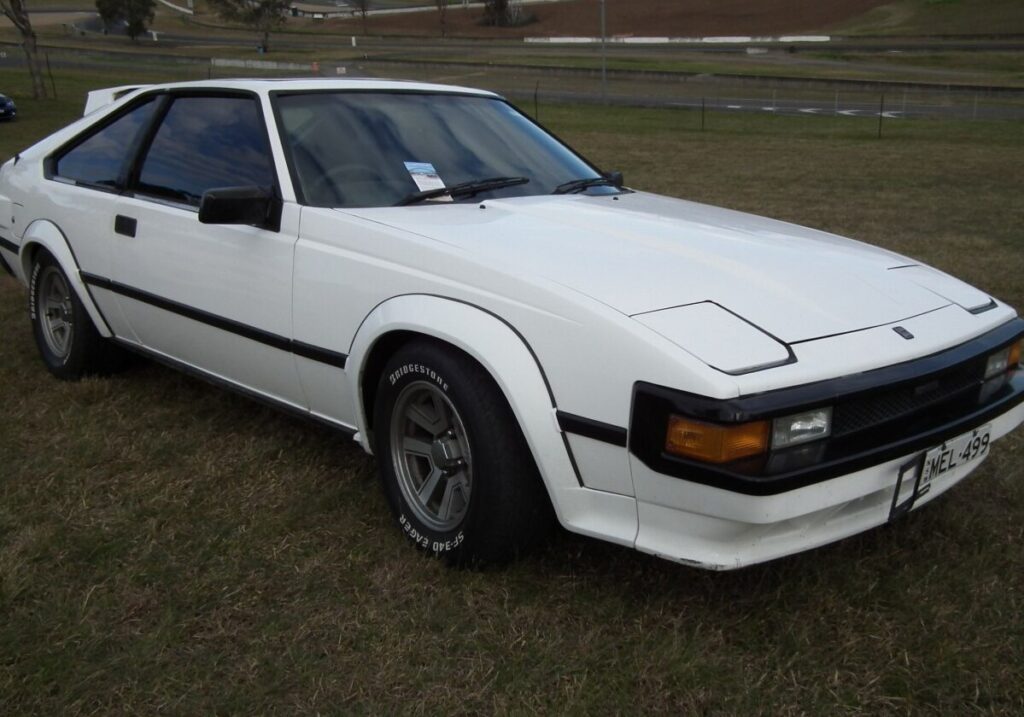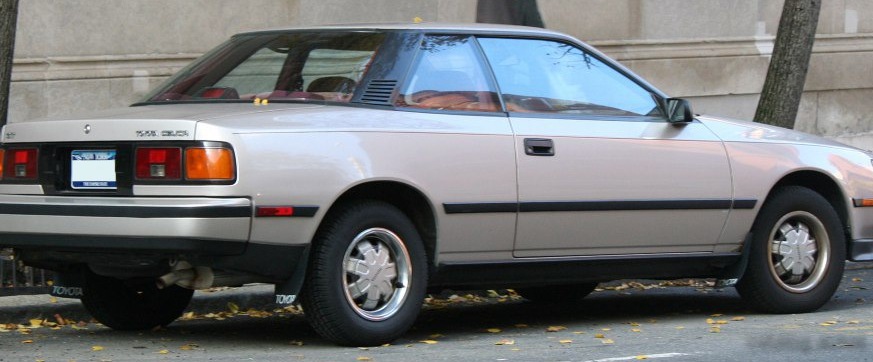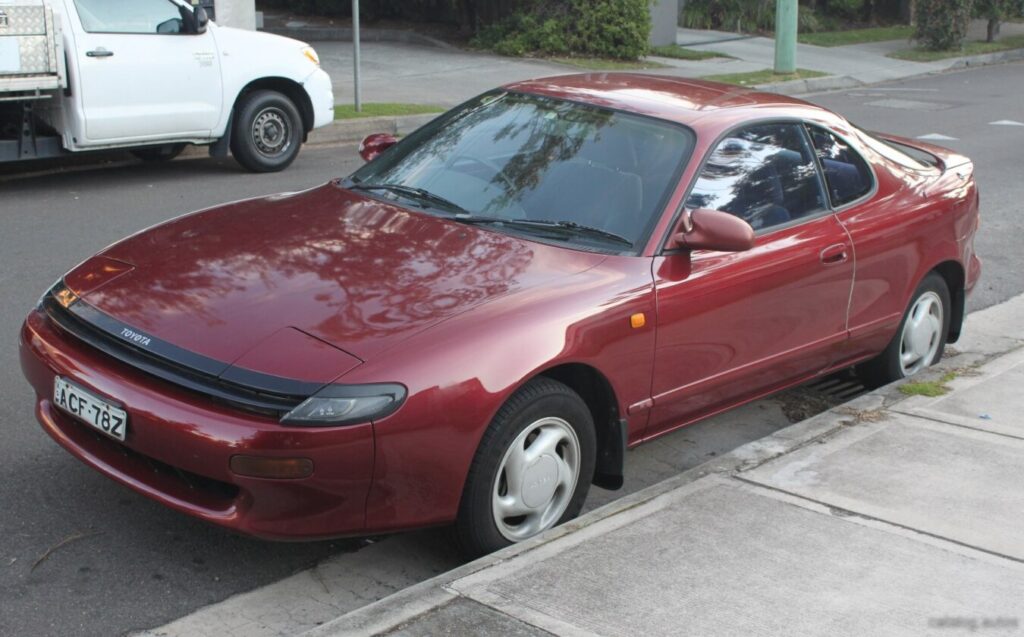
The Toyota Celica T18, produced between 1989 and 1994, represented a significant evolution for the Celica line, moving towards a more sophisticated and performance-oriented coupe. Within the T18 generation, the 2.0 i 16V Turbo 4WD variant stood out as the flagship model, offering a potent combination of turbocharged power and all-wheel drive traction. This model was primarily aimed at the enthusiast market, offering a compelling alternative to other sports coupes of the era. It was a key player in Toyota’s efforts to showcase its engineering prowess and compete in the increasingly popular performance car segment, particularly in markets like Japan and Europe, though a limited number were officially imported to the United States.
Technical Specifications
| Brand | Toyota |
| Model | Celica |
| Generation | Celica (T18) |
| Type (Engine) | 2.0 i 16V Turbo (208 Hp) 4WD |
| Start of production | 1989 |
| End of production | 1994 |
| Powertrain Architecture | Internal Combustion engine |
| Body type | Coupe |
| Seats | 5 |
| Doors | 3 |
| Fuel consumption (urban) | 12.1 l/100 km (19.4 US mpg) |
| Fuel consumption (extra urban) | 7.4 l/100 km (31.8 US mpg) |
| Fuel consumption (combined) | 9.4 l/100 km (25 US mpg) |
| Fuel Type | Petrol (Gasoline) |
| Acceleration 0 – 100 km/h | 7.8 sec |
| Acceleration 0 – 62 mph | 7.8 sec |
| Acceleration 0 – 60 mph | 7.4 sec |
| Maximum speed | 230 km/h (142.92 mph) |
| Weight-to-power ratio | 6.8 kg/Hp |
| Weight-to-torque ratio | 5.2 kg/Nm |
| Power | 208 Hp @ 6000 rpm |
| Torque | 275 Nm @ 4000 rpm (202.83 lb.-ft. @ 4000 rpm) |
| Engine layout | Front, Transverse |
| Engine Model/Code | 3S-GTE |
| Engine displacement | 1998 cm3 (121.93 cu. in.) |
| Number of cylinders | 4 |
| Engine configuration | Inline |
| Cylinder Bore | 86 mm (3.39 in.) |
| Piston Stroke | 86 mm (3.39 in.) |
| Compression ratio | 8.8:1 |
| Number of valves per cylinder | 4 |
| Fuel injection system | Multi-port manifold injection |
| Engine aspiration | Turbocharger |
| Engine oil capacity | 3.6 l (3.8 US qt | 3.17 UK qt) |
| Coolant capacity | 6.4 l (6.76 US qt | 5.63 UK qt) |
| Kerb Weight | 1420 kg (3130.56 lbs.) |
| Max. weight | 1890 kg (4166.74 lbs.) |
| Max load | 470 kg (1036.17 lbs.) |
| Trunk (boot) space | 320 l (11.3 cu. ft.) |
| Fuel tank capacity | 60 l (15.85 US gal | 13.2 UK gal) |
| Length | 4420 mm (174.02 in.) |
| Width | 1690 mm (66.54 in.) |
| Height | 1300 mm (51.18 in.) |
| Wheelbase | 2525 mm (99.41 in.) |
| Front track | 1465 mm (57.68 in.) |
| Rear track | 1430 mm (56.3 in.) |
| Drive wheel | All wheel drive (4×4) |
| Number of gears | 5 |
| Gearbox type | Manual transmission |
| Front suspension | Spring Strut |
| Rear suspension | Coil spring |
| Front brakes | Ventilated discs |
| Rear brakes | Disc |
| Assisting systems | ABS (Anti-lock braking system) |
| Steering type | Steering rack and pinion |
| Power steering | Hydraulic Steering |
| Tires size | 205/60 R14 |
| Wheel rims size | 14 |
Powertrain & Engine Architecture
The heart of the Celica T18 2.0 i 16V Turbo 4WD is the 3S-GTE engine. This 2.0-liter, inline-four cylinder engine featured a cast iron block and an aluminum cylinder head. The “16V” designation indicates its four valves per cylinder configuration, enhancing breathing and power output. Crucially, the 3S-GTE employed a CT26 turbocharger, along with an intercooler, to significantly boost power and torque. Fuel delivery was managed by a multi-port fuel injection system, providing precise control over the air-fuel mixture. The engine’s 8.8:1 compression ratio was a compromise between performance and reliability, allowing it to run on readily available gasoline. The five-speed manual transmission was specifically reinforced to handle the increased power output of the turbocharged engine. The all-wheel-drive system utilized a viscous coupling to distribute power between the front and rear axles, providing enhanced traction and stability.
Driving Characteristics
The 208 horsepower and 275 Nm (202.83 lb-ft) of torque delivered by the 3S-GTE engine, combined with the all-wheel-drive system, resulted in a genuinely quick and engaging driving experience. Acceleration from 0 to 60 mph was achieved in approximately 7.4 seconds, and the car could reach a top speed of 230 km/h (142.92 mph). Compared to the naturally aspirated Celica variants, the turbocharger provided a noticeable surge of power in the mid-range, making overtaking maneuvers effortless. The all-wheel-drive system minimized wheelspin and provided excellent grip, particularly on slippery surfaces. While the manual transmission offered precise control, the gear ratios were tuned for acceleration rather than outright fuel economy. The suspension was firm, providing good body control, but could be somewhat harsh on rough roads.
Equipment & Trim Levels
The 2.0 i 16V Turbo 4WD Celica typically came well-equipped, reflecting its position as the top-of-the-line model. Standard features included power windows, power locks, and a decent sound system. The interior typically featured sport seats upholstered in a combination of cloth and leather. Optional extras included a sunroof, upgraded audio systems, and air conditioning. The dashboard layout was functional and driver-focused, with clear instrumentation and easy-to-reach controls. The exterior styling was characterized by its aggressive front fascia, rear spoiler, and unique alloy wheels.
Chassis & Braking
The Celica T18 featured a MacPherson strut front suspension and a coil spring rear suspension. The front suspension incorporated a stabilizer bar to reduce body roll during cornering. The braking system consisted of ventilated discs on the front wheels and solid discs on the rear. An Anti-lock Braking System (ABS) was standard, enhancing braking performance and safety. The chassis was reinforced to handle the increased power and torque of the turbocharged engine and the demands of the all-wheel-drive system.
Market Reception & Comparison
The Celica T18 2.0 i 16V Turbo 4WD was generally well-received by automotive critics. It was praised for its performance, handling, and all-weather capability. However, some critics noted that the ride quality was firm and that the interior was somewhat basic compared to some of its rivals. Compared to the naturally aspirated Celica variants, the turbo model offered a significant performance upgrade, but at a higher price point. The 4WD system added weight and complexity, but provided a distinct advantage in terms of traction. Compared to competitors like the Mitsubishi Eclipse GSX and the Nissan 240SX Turbo, the Celica offered a unique blend of performance, reliability, and all-wheel-drive capability.
Legacy
The 3S-GTE engine proved to be remarkably durable and reliable, even when subjected to performance modifications. The Celica T18 2.0 i 16V Turbo 4WD has become a sought-after classic among enthusiasts, particularly those interested in Japanese performance cars. Well-maintained examples command a premium in the used car market. The engine’s robust design and readily available parts supply contribute to its continued popularity. While the T18 generation Celica has been superseded by newer models, the 2.0 i 16V Turbo 4WD variant remains a testament to Toyota’s engineering capabilities and a beloved icon of the 1990s performance car scene.