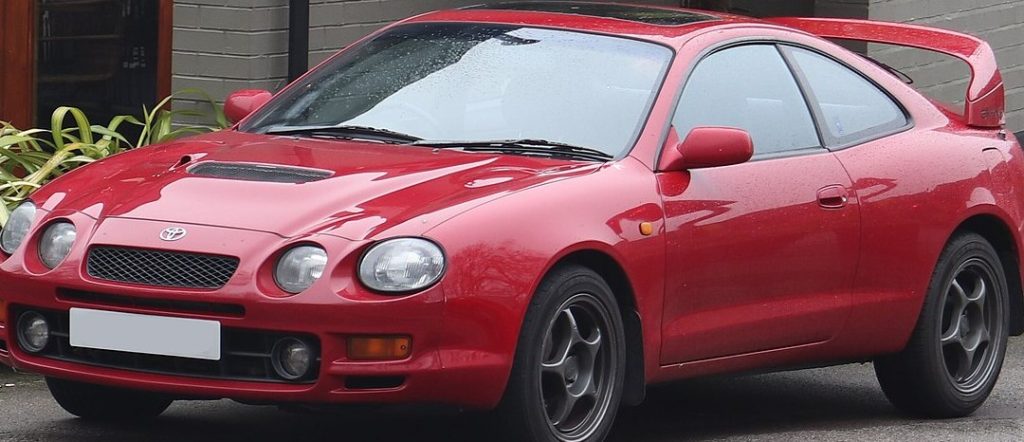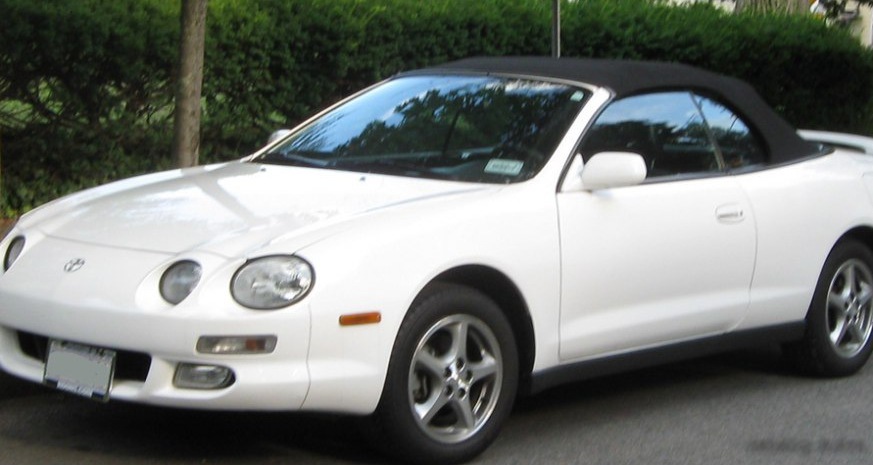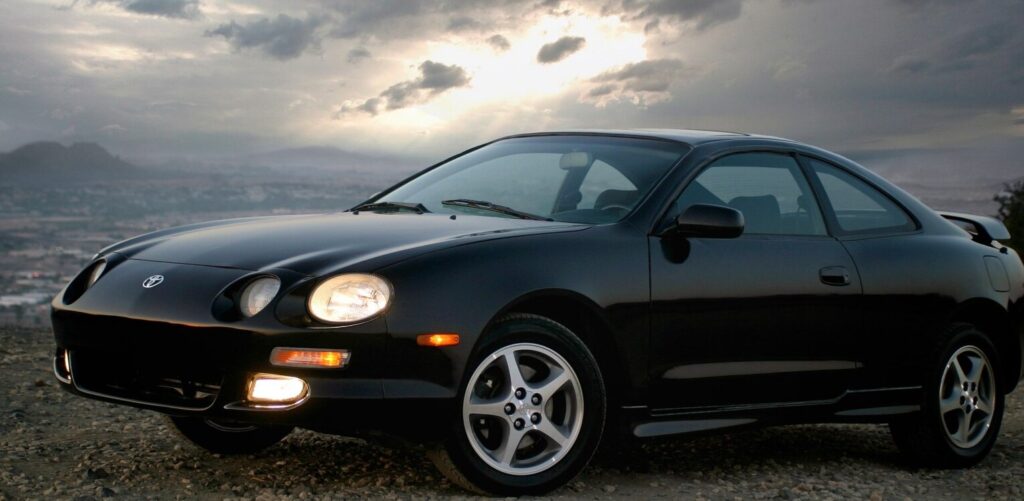
The Toyota Celica T20, specifically the 2.0-liter 16V variant producing 170 horsepower, represented a significant evolution in Toyota’s sports coupe lineage. Produced from 1996 to 1999, this generation Celica (the seventh) aimed to recapture the spirit of the original, offering a more driver-focused experience than its predecessor. The T20 chassis, internally designated as ST203 for the 2.0L 16V model, was a departure from the front-wheel-drive layout of the previous generation, adopting a more sophisticated all-wheel-drive system in some markets (though the US market version remained front-wheel drive). This variant occupied a mid-range position within the T20 lineup, slotting between the base 1.8L models and the higher-performance GT-Four (All-Trac in the US) versions.
Technical Specifications
| Brand | Toyota |
| Model | Celica |
| Generation | Celica (T20) |
| Type (Engine) | 2.0 16V (170 Hp) |
| Start of production | 1996 |
| End of production | 1999 |
| Powertrain Architecture | Internal Combustion engine |
| Body type | Liftback |
| Seats | 4 |
| Doors | 3 |
| Fuel Type | Petrol (Gasoline) |
| Power | 170 Hp |
| Engine Model/Code | 3S-FE, 3S-GE |
| Engine aspiration | Naturally aspirated engine |
| Engine oil capacity | 3.9 l / 4.12 US qt / 3.43 UK qt |
Powertrain & Engine Architecture
The heart of the Celica T20 2.0 16V was the 3S-GE engine, a naturally aspirated 2.0-liter inline-four cylinder. This engine was a significant upgrade over the 3S-FE found in lower trim levels. The 3S-GE featured a DOHC (Dual Overhead Camshaft) 16-valve cylinder head, optimized intake and exhaust ports, and a higher compression ratio (typically 9.5:1) contributing to its increased power output. Fuel delivery was managed by a multi-point fuel injection system, providing precise fuel metering for improved efficiency and performance. The engine’s valvetrain utilized hydraulic valve lifters, reducing maintenance requirements. While a five-speed manual transmission was the most common pairing, a four-speed automatic transmission was also offered, catering to buyers prioritizing convenience over ultimate performance. The automatic transmission, while smooth, did impact acceleration times compared to the manual.
Driving Characteristics
The 2.0-liter 16V Celica offered a balanced driving experience. With 170 horsepower and around 132 lb-ft of torque, it provided brisk acceleration, though it wasn’t in the same league as the turbocharged GT-Four. The front-wheel-drive configuration (in the US market) meant that torque steer was noticeable under hard acceleration, particularly in first and second gear. The automatic transmission, while offering smooth shifts, resulted in some power loss and a less engaging driving experience compared to the manual. Gear ratios were tuned for a blend of acceleration and fuel economy. The suspension, featuring independent MacPherson struts in the front and independent double wishbones in the rear, provided a firm but comfortable ride, offering good handling characteristics for a front-wheel-drive coupe. Steering was responsive, contributing to the car’s overall agility.
Equipment & Trim Levels
The 2.0-liter 16V Celica typically came equipped with a reasonable level of standard features. These included power windows, power locks, air conditioning, and an AM/FM stereo with cassette player. Higher trim levels, often denoted by specific packages, added features such as a sunroof, upgraded audio systems (sometimes including a CD player), alloy wheels, and sport seats. Interior upholstery was typically cloth, with leather options available as an upgrade. The dashboard layout was driver-focused, with clearly marked gauges and intuitive controls. Optional extras included a rear spoiler, upgraded sound systems, and various cosmetic enhancements.
Chassis & Braking
The Celica T20 utilized a unibody construction, providing a rigid and lightweight chassis. The front suspension employed MacPherson struts with stabilizer bar, while the rear featured an independent double wishbone setup, also with a stabilizer bar. This suspension configuration aimed to balance ride comfort with handling performance. Braking duties were handled by ventilated disc brakes in the front and either disc or drum brakes in the rear, depending on the specific trim level and market. Anti-lock brakes (ABS) were often included as standard equipment or as an optional extra, enhancing safety. The chassis was designed to minimize weight, contributing to the car’s agility and responsiveness.
Market Reception & Comparison
The Celica T20 2.0 16V was generally well-received by automotive critics. It was praised for its stylish design, responsive handling, and relatively affordable price point. However, some critics noted that the front-wheel-drive configuration limited its overall performance potential compared to its all-wheel-drive GT-Four sibling. Compared to the base 1.8L models, the 2.0L offered a significant performance boost, making it a more appealing option for driving enthusiasts. Fuel economy was respectable, averaging around 24 mpg in the city and 32 mpg on the highway. Reliability was generally good, consistent with Toyota’s reputation for building durable vehicles. However, like many Japanese cars of this era, rust could be an issue, particularly in regions with harsh winters.
Legacy
The Toyota Celica T20 2.0 16V has become a popular choice among enthusiasts and collectors. The 3S-GE engine is known for its durability and relatively simple maintenance requirements. While not as highly sought after as the GT-Four, the 2.0L 16V offers a good balance of performance, affordability, and reliability. In the used car market, well-maintained examples command a reasonable price, reflecting the car’s enduring appeal. Parts availability is generally good, although some specific trim pieces may be difficult to find. The Celica T20 represents a high point in Toyota’s sports coupe history, offering a compelling blend of style, performance, and practicality. Its influence can be seen in subsequent Toyota models, and it remains a fondly remembered vehicle among those who appreciate classic Japanese sports cars.