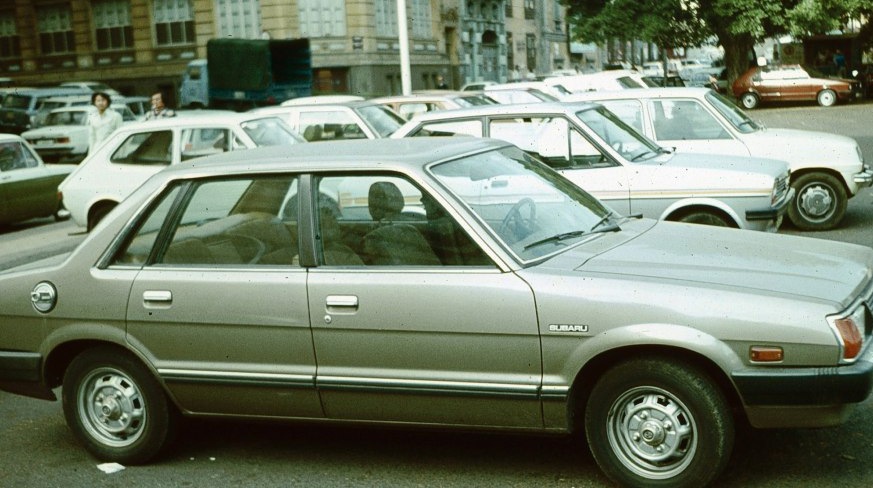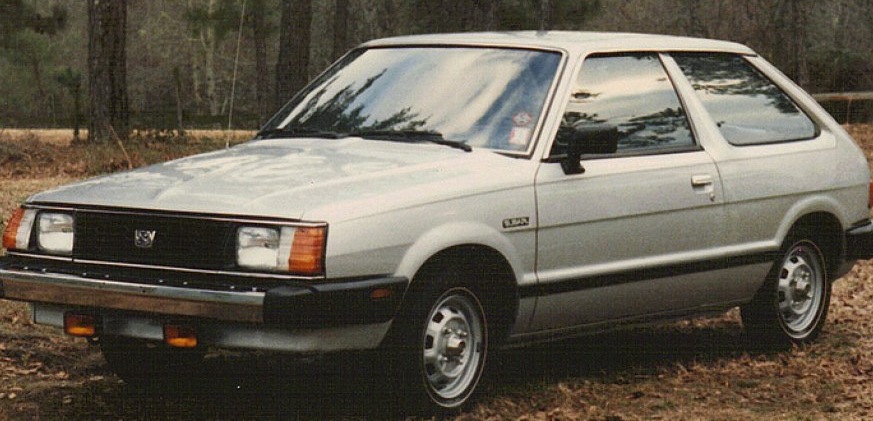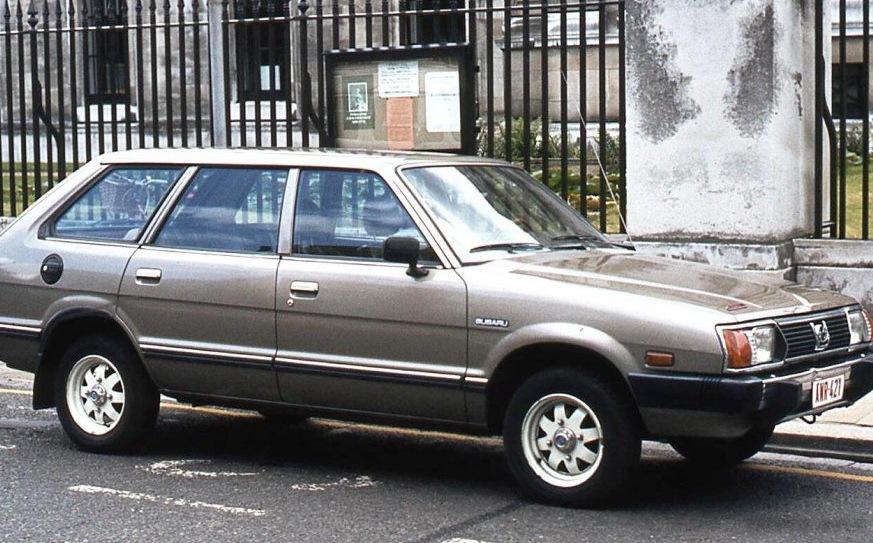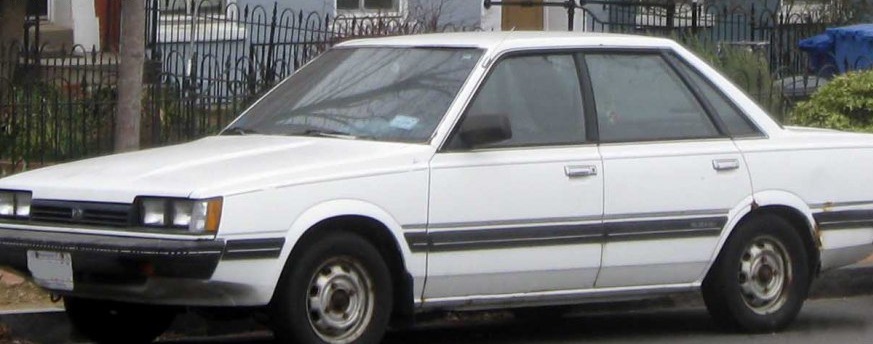
The Subaru Leone III 1600, producing 74 horsepower, was a mainstay of Subaru’s lineup from 1984 to 1991. Representing the third generation of the Leone, this variant played a crucial role in establishing Subaru’s reputation for reliability and all-wheel-drive capability, particularly in markets outside of North America where it was often the entry point into the brand. While the Leone was sold in the United States, the 1600 variant was less common, with American buyers generally opting for the more powerful 1.8L or turbocharged models. This version of the Leone was primarily a practical, economical choice, designed for everyday commuting and family transportation.
Technical Specifications
| Brand | Subaru |
| Model | Leone |
| Generation | Leone III |
| Type (Engine) | 1600 (74 Hp) |
| Start of Production | 1984 |
| End of Production | 1991 |
| Powertrain Architecture | Internal Combustion Engine |
| Body Type | Sedan |
| Seats | 5 |
| Doors | 4 |
| Fuel Type | Petrol (Gasoline) |
| Power | 74 Hp |
| Engine Model/Code | EA71 |
| Engine Aspiration | Naturally Aspirated |
| Engine Oil Capacity | 3.5 l (3.7 US qt | 3.08 UK qt) |
Powertrain & Engine Architecture
The heart of the Leone III 1600 was the EA71 engine, a 1.6-liter, naturally aspirated, horizontally opposed four-cylinder engine – a hallmark of Subaru’s engineering philosophy. This “boxer” engine design, with its pistons moving horizontally, offered inherent balance and a lower center of gravity, contributing to the car’s handling characteristics. The EA71 featured a single overhead camshaft (SOHC) operating two valves per cylinder. Fuel delivery was managed by a carburetor, a common feature for vehicles of this era, though later models saw the introduction of electronic fuel injection (EFI) in some markets. The 74 horsepower output was achieved at approximately 6,000 rpm, with peak torque of around 98 lb-ft at 3,600 rpm. The Leone 1600 was typically paired with either a four-speed manual transmission or a three-speed automatic transmission. The automatic, while offering convenience, was known for its relatively conservative gearing, prioritizing fuel economy over outright performance.
Driving Characteristics
The driving experience in the Leone III 1600 was characterized by its practicality and ease of use. The 74 hp engine provided adequate, though not exhilarating, performance for everyday driving. Acceleration was modest, and highway passing required careful planning. The automatic transmission, with its three forward gears, contributed to a smooth but somewhat leisurely driving style. The Leone’s real strength lay in its handling, thanks to the boxer engine’s low center of gravity and the availability of Subaru’s symmetrical all-wheel-drive system (AWD). Even in front-wheel-drive configuration, the Leone offered a stable and predictable ride. Compared to the 1.8L versions, the 1600 felt noticeably less powerful, especially when fully loaded with passengers or cargo. The manual transmission offered a more engaging driving experience and slightly improved fuel economy, but the automatic was favored by those seeking convenience.
Equipment & Trim Levels
The Leone III 1600 was generally offered in fairly basic trim levels, reflecting its position as an entry-level model. Standard equipment typically included cloth upholstery, a basic AM/FM radio, and manual windows and door locks. Air conditioning was often an optional extra, as were power steering and upgraded audio systems. Interior appointments were functional rather than luxurious, with a focus on durability and ease of maintenance. The dashboard layout was straightforward, with clearly labeled controls. Later models saw the addition of features like a digital clock and improved interior trim materials. The Leone was available as a four-door sedan, a five-door wagon (estate), and a three-door hatchback, with the sedan being the most common body style for the 1600 variant.
Chassis & Braking
The Leone III utilized a relatively simple chassis design, featuring a MacPherson strut front suspension and a trailing arm rear suspension. The suspension was tuned for comfort and ride quality, rather than sporty handling. Braking systems varied depending on the market and trim level. Base models typically featured drum brakes on all four wheels, while higher-spec versions offered front disc brakes. Power steering was optional, and most models did not include anti-lock braking systems (ABS). The Leone’s relatively light weight helped to compensate for the modest braking performance. Stabilizer bars were often omitted on base models, further emphasizing the car’s focus on affordability.
Market Reception & Comparison
The Subaru Leone III 1600 was generally well-received as a reliable and practical family car. Critics praised its durability, fuel efficiency, and available all-wheel-drive system. However, the 74 hp engine was often criticized for being underpowered, particularly when compared to competitors offering larger displacement engines. Compared to the 1.8L Leone variants, the 1600 offered a lower purchase price and slightly better fuel economy, but at the expense of performance. The 1.8L models were favored by those who needed more power for highway driving or towing. The Leone also competed with other compact cars of the era, such as the Toyota Corolla, Honda Civic, and Nissan Sentra. The Leone’s unique selling point was its available AWD system, which provided superior traction in inclement weather conditions.
Legacy
The Subaru Leone III 1600, while not the most powerful or technologically advanced vehicle of its time, played a significant role in establishing Subaru’s brand identity. Its reputation for reliability and durability has ensured a steady demand in the used car market. The EA71 engine, while simple in design, proved to be remarkably robust and capable of withstanding high mileage with proper maintenance. Today, well-maintained examples of the Leone III 1600 are sought after by enthusiasts and collectors, particularly those interested in classic Japanese cars. The car’s simplicity and affordability make it a relatively easy vehicle to maintain and repair. While finding parts can sometimes be a challenge, a dedicated community of Subaru enthusiasts continues to support the preservation of these classic vehicles. The Leone’s legacy lives on in Subaru’s continued commitment to all-wheel-drive technology and durable, reliable vehicles.