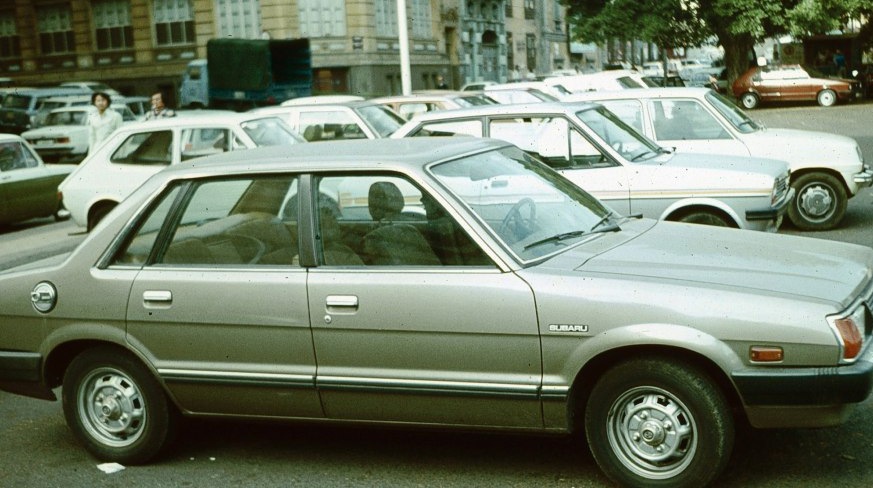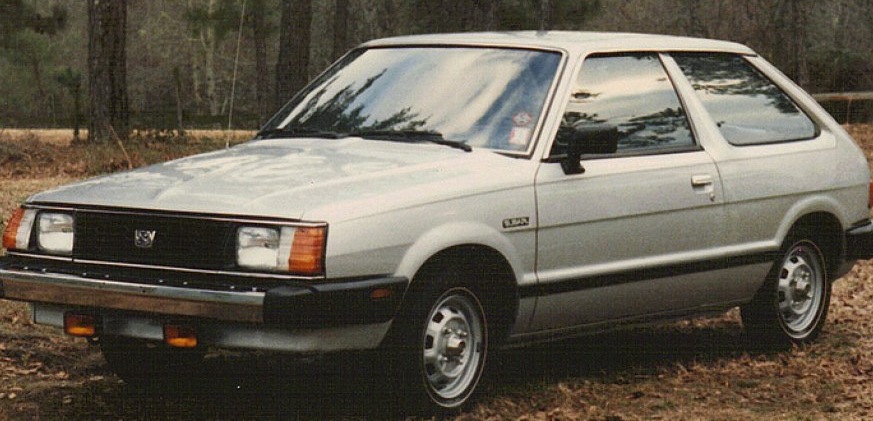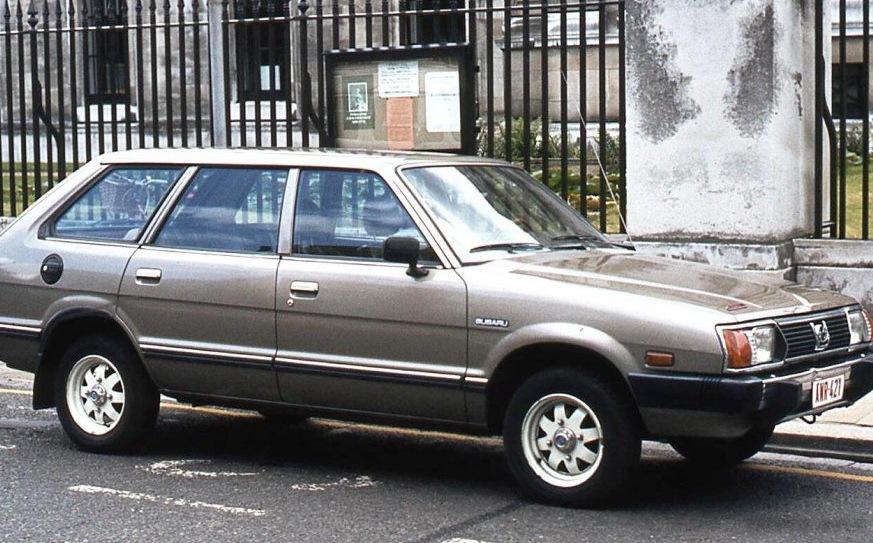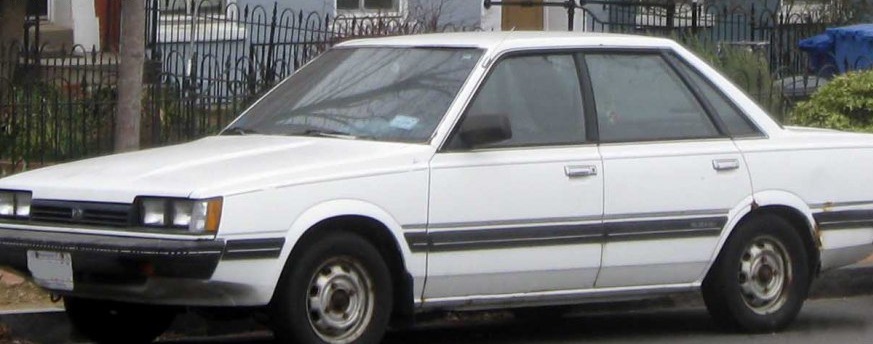
The Subaru Leone III 1800 4WD, produced between 1984 and 1990, represents a significant evolution in Subaru’s commitment to all-wheel drive passenger vehicles. Positioned as a practical and capable family sedan, this variant occupied a middle ground within the Leone III lineup, offering a balance between affordability, fuel economy, and Subaru’s renowned symmetrical all-wheel drive system. It was a key model for Subaru as they continued to expand their presence in both domestic Japanese and export markets, including North America. The Leone III, internally designated as the second generation of the Leone, built upon the success of its predecessor, offering improved refinement and a more modern aesthetic. This 90 horsepower, four-wheel drive configuration was particularly popular for buyers seeking all-weather capability without the higher cost of more powerful trims.
Technical Specifications
| Brand | Subaru |
| Model | Leone |
| Generation | Leone III |
| Type (Engine) | 1800 4WD (90 Hp) |
| Start of Production | 1984 |
| End of Production | 1990 |
| Powertrain Architecture | Internal Combustion Engine |
| Body Type | Sedan |
| Seats | 5 |
| Doors | 4 |
| Fuel Type | Petrol (Gasoline) |
| Power | 90 Hp |
| Engine Model/Code | EA82 |
| Engine Aspiration | Naturally Aspirated |
| Engine Oil Capacity | 4 l (4.23 US qt | 3.52 UK qt) |
Powertrain & Engine Architecture
The heart of the Leone III 1800 4WD is the EA82 1.8-liter flat-four (horizontally opposed) engine. This engine, a hallmark of Subaru engineering, was known for its relatively smooth operation and compact design, contributing to the car’s balanced handling. The EA82 featured a single overhead camshaft (SOHC) design operating two valves per cylinder. Fuel delivery was managed by a carburetor in earlier models (1984-1986) and transitioned to electronic fuel injection (EFI) in later years (1987-1990), improving fuel efficiency and reducing emissions. The EFI system utilized a basic electronic control unit (ECU) to manage fuel mixture and ignition timing. The engine produced 90 horsepower at approximately 5,200 rpm and 108 lb-ft of torque at 3,200 rpm.
The transmission paired with the EA82 in this variant was a three-speed automatic. While not offering the most responsive driving experience, this automatic transmission was chosen for its ease of use and suitability for everyday driving conditions. The automatic transmission featured a torque converter, providing smooth launches and low-speed drivability. The gear ratios were optimized for fuel economy and comfortable cruising rather than outright performance. The all-wheel drive system was a part-time system, meaning it could be engaged or disengaged depending on road conditions. This system utilized a viscous coupling center differential to distribute power between the front and rear axles, providing enhanced traction on slippery surfaces.
Driving Characteristics
The Leone III 1800 4WD with the automatic transmission delivered a comfortable, if not particularly sporty, driving experience. Acceleration was adequate for everyday driving, but the 90 horsepower engine and three-speed automatic meant that passing maneuvers required careful planning. The automatic transmission’s shift points were relatively conservative, prioritizing fuel economy over aggressive acceleration. Compared to the five-speed manual transmission available on other Leone models, the automatic version felt noticeably slower. However, the all-wheel drive system provided a significant advantage in inclement weather, offering superior grip and stability on snow, ice, and gravel. The Leone’s suspension, consisting of MacPherson struts in the front and a trailing arm setup in the rear, provided a reasonably comfortable ride, absorbing bumps and imperfections in the road surface effectively. Steering was relatively light and easy, making the car maneuverable in urban environments.
Equipment & Trim Levels
The 1800 4WD automatic trim level typically represented a mid-range offering within the Leone III lineup. Standard equipment generally included cloth upholstery, a basic AM/FM radio, and manual windows and door locks. Air conditioning was often an optional extra, as were power windows and a more advanced audio system. Interior trim was typically functional and durable, prioritizing practicality over luxury. The dashboard layout was straightforward and easy to use, with clearly labeled controls. Exterior features included steel wheels with hubcaps, black plastic bumpers, and relatively simple body-side moldings. Later models (1987-1990) often featured upgraded interior materials and exterior trim details.
Chassis & Braking
The Leone III utilized a body-on-frame construction, which contributed to its durability and off-road capability. The chassis was relatively simple and robust, designed to withstand the stresses of all-wheel drive operation. The front suspension featured MacPherson struts with stabilizer bar, while the rear suspension employed a trailing arm design. Braking was typically accomplished with disc brakes in the front and drum brakes in the rear. The braking system was adequate for normal driving conditions, but lacked the stopping power of more modern vehicles. Steering was a recirculating ball system, providing a relatively indirect feel. The Leone’s wheelbase was approximately 97.6 inches, and its track width was around 56.3 inches.
Market Reception & Comparison
The Subaru Leone III 1800 4WD was generally well-received by automotive critics as a practical and capable all-weather vehicle. It was praised for its symmetrical all-wheel drive system, which provided superior traction and stability compared to traditional rear-wheel drive or front-wheel drive cars. However, the 90 horsepower engine and three-speed automatic transmission were often criticized for their lack of performance. Compared to other Leone trims, such as the 1.6-liter models, the 1800 4WD offered more power and torque, but at a higher price point. Compared to the turbocharged models, the 1800 4WD was significantly less powerful but offered better fuel economy and lower maintenance costs. Fuel economy was rated at around 22 mpg city and 28 mpg highway, which was competitive for the time.
Legacy
The Subaru Leone III 1800 4WD, while not a high-performance vehicle, played a crucial role in establishing Subaru’s reputation for all-wheel drive technology and reliability. The EA82 engine, despite its age, proved to be a durable and relatively easy-to-maintain powerplant. Today, these vehicles are relatively rare and are sought after by Subaru enthusiasts and collectors. The Leone III 1800 4WD’s simple mechanical design and robust construction make it a relatively easy vehicle to repair and maintain. However, finding replacement parts can be challenging. The car’s enduring appeal lies in its combination of practicality, all-weather capability, and classic Subaru engineering. It represents a pivotal moment in Subaru’s history, paving the way for the company’s future success in the all-wheel drive market.