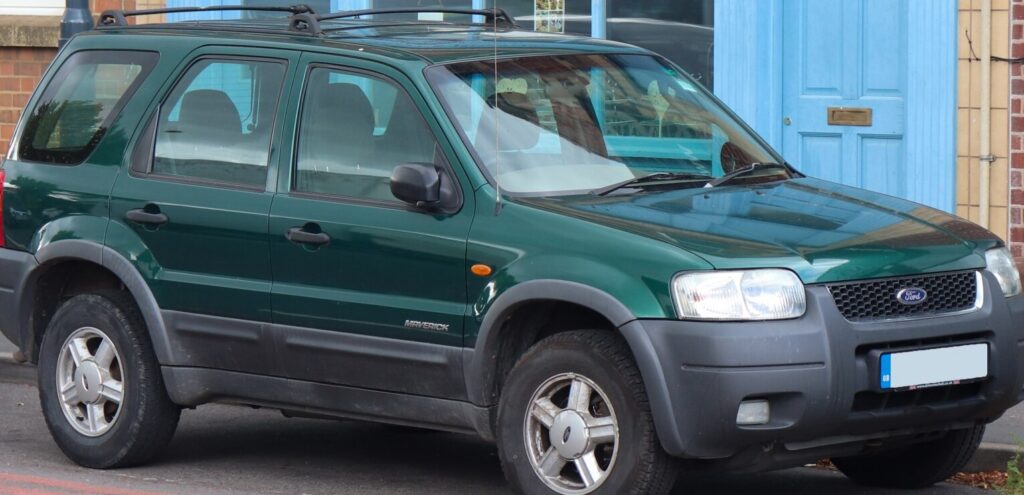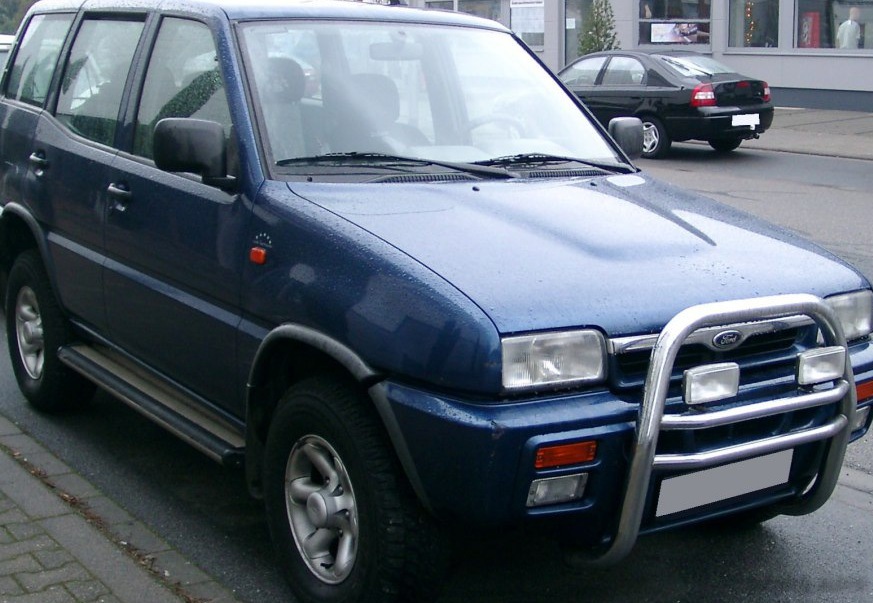
The Ford Maverick (UDS, UNS) 2.4 i GLS, produced between 1996 and 1998, marked Ford’s initial foray into the compact SUV market within Europe. Constructed upon a modified Ford Escort platform, the Maverick was designed to present a more accessible and adaptable alternative to larger, more costly SUVs. This specific variant, the 2.4 i GLS boasting 118 horsepower, occupied a mid-range position within the Maverick lineup, striving for equilibrium between performance, fuel efficiency, and available features. It was primarily targeted towards families and individuals desiring a pragmatic and capable vehicle suitable for both urban commutes and moderate off-road excursions.
Technical Specifications
| Brand | Ford |
| Model | Maverick |
| Generation | Maverick (UDS, UNS) |
| Type (Engine) | 2.4 i GLS (5 dr) (118 Hp) |
| Start of production | 1996 |
| End of production | 1998 |
| Powertrain Architecture | Internal Combustion engine |
| Body type | SUV |
| Seats | 5 |
| Doors | 5 |
| Fuel Type | Petrol (Gasoline) |
| Acceleration 0 – 100 km/h | 14.3 sec |
| Acceleration 0 – 62 mph | 14.3 sec |
| Acceleration 0 – 60 mph | 13.6 sec |
| Maximum speed | 160 km/h (99.42 mph) |
| Weight-to-power ratio | 14.9 kg/Hp, 67 Hp/tonne |
| Weight-to-torque ratio | 9.2 kg/Nm, 108.5 Nm/tonne |
| Power | 118 Hp @ 4800 rpm |
| Power per litre | 49.4 Hp/l |
| Torque | 191 Nm @ 3200 rpm (140.87 lb.-ft. @ 3200 rpm) |
| Engine layout | Front, Longitudinal |
| Engine Model/Code | KA24 |
| Engine displacement | 2389 cm3 (145.79 cu. in.) |
| Number of cylinders | 4 |
| Engine configuration | Inline |
| Cylinder Bore | 89 mm (3.5 in.) |
| Piston Stroke | 96 mm (3.78 in.) |
| Compression ratio | 8.6:1 |
| Number of valves per cylinder | 3 |
| Fuel injection system | Multi-port manifold injection |
| Engine aspiration | Naturally aspirated engine |
| Valvetrain | OHC |
| Engine oil capacity | 4.3 l (4.54 US qt | 3.78 UK qt) |
| Kerb Weight | 1760 kg (3880.14 lbs.) |
| Max. weight | 2510 kg (5533.6 lbs.) |
| Max load | 750 kg (1653.47 lbs.) |
| Trunk (boot) space – minimum | 115 l (4.06 cu. ft.) |
| Trunk (boot) space – maximum | 1995 l (70.45 cu. ft.) |
| Fuel tank capacity | 80 l (21.13 US gal | 17.6 UK gal) |
| Length | 4665 mm (183.66 in.) |
| Width | 1755 mm (69.09 in.) |
| Height | 1850 mm (72.83 in.) |
| Wheelbase | 2650 mm (104.33 in.) |
| Front track | 1455 mm (57.28 in.) |
| Rear (Back) track | 1430 mm (56.3 in.) |
| Drive wheel | All wheel drive (4×4) |
| Number of gears and type of gearbox | 5 gears, manual transmission |
| Front suspension | Double wishbone |
| Rear suspension | Coil spring |
| Front brakes | Ventilated discs |
| Rear brakes | Drum |
| Assisting systems | ABS (Anti-lock braking system) |
| Steering type | Steering rack and pinion |
| Power steering | Hydraulic Steering |
| Tires size | 235/75 R15 R |
Powertrain & Engine Architecture
The 2.4 i GLS version of the Ford Maverick was propelled by the KA24 engine, a 2.4-liter inline-four cylinder gasoline engine. This engine, stemming from the Ford Zetec lineage, incorporated a single overhead camshaft (OHC) design and employed multi-port fuel injection. The 8.6:1 compression ratio represented a compromise between performance and the fuel quality prevalent in European markets. The engine generated 118 horsepower at 4800 rpm and 191 Nm (140.87 lb-ft) of torque at 3200 rpm. The engine’s longitudinal mounting facilitated a more efficient drivetrain layout, particularly crucial for the all-wheel-drive system. A five-speed manual transmission was the standard offering for this trim, providing a sensible balance between fuel economy and driver control.
Driving Characteristics
The 118 hp engine, paired with the five-speed manual transmission, delivered adequate, though not particularly thrilling, performance. Acceleration from 0 to 60 mph required roughly 13.6 seconds, with a top speed hovering around 99.42 mph. The engine’s torque peak at 3200 rpm meant that usable power was accessible across a relatively wide range, making it well-suited for everyday driving scenarios. In comparison to higher-output Maverick variants, or those equipped with automatic transmissions, the 2.4 i GLS felt more responsive and engaging. The manual gearbox empowered drivers to maintain command over the engine’s power band, especially beneficial when navigating undulating terrain or executing overtaking maneuvers. However, it lacked the effortless cruising capability offered by the automatic transmission options.
Equipment & Trim Levels
The GLS trim level signified an upgrade from the base Maverick models. Standard features encompassed power steering, central locking, electric front windows, and an AM/FM radio. The interior typically featured cloth upholstery, and the dashboard layout was functional and uncomplicated. Optional extras included air conditioning, alloy wheels, and a sunroof. The GLS trim aimed to provide a comfortable and well-appointed vehicle without incurring the higher cost associated with the more luxurious models.
Chassis & Braking
The Maverick’s chassis utilized a double wishbone suspension configuration at the front and a coil spring arrangement at the rear. This setup provided a reasonable degree of ride comfort and handling stability. The all-wheel-drive system, a prominent selling point of the Maverick, enhanced traction in challenging road conditions. Braking was managed by ventilated discs at the front and drum brakes at the rear. An Anti-lock Braking System (ABS) was standard, bolstering braking performance and safety. The suspension tuning prioritized comfort over overtly sporty handling, aligning with the vehicle’s intended role as a practical family SUV.
Market Reception & Comparison
The Ford Maverick 2.4 i GLS generally garnered positive reviews from automotive critics as a capable and affordable SUV. It was lauded for its spacious interior, versatile cargo capacity, and all-wheel-drive functionality. However, some reviewers pointed out that the engine lacked refinement and that the overall driving experience wasn’t as captivating as that of certain competitors. When contrasted with other trims within the Maverick lineup, the 2.4 i GLS struck a favorable balance between performance and fuel economy. Automatic transmission versions exhibited reduced fuel efficiency and slightly slower acceleration. The higher-powered engines offered increased performance but came with a corresponding price premium.
Legacy
Although the Ford Maverick enjoyed a relatively short production run, it successfully established Ford’s foothold in the compact SUV segment in Europe. The KA24 engine, while not renowned for exceptional reliability, proved to be reasonably durable with consistent maintenance. Today, the Maverick 2.4 i GLS represents an accessible classic SUV, appealing to enthusiasts seeking a pragmatic and capable vehicle imbued with a touch of nostalgic charm. Parts availability can present a challenge, but the engine’s inherent simplicity facilitates relatively straightforward repairs. The all-wheel-drive system remains a desirable attribute, and the Maverick’s roomy interior and adaptable cargo area continue to render it a useful vehicle for those desiring a classic SUV experience.