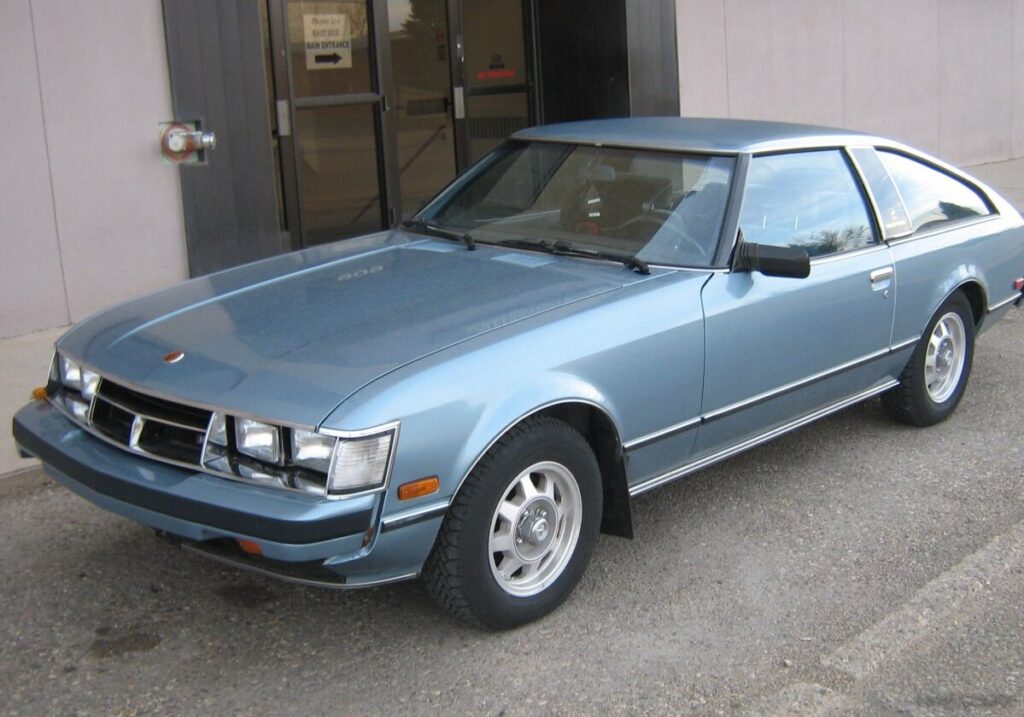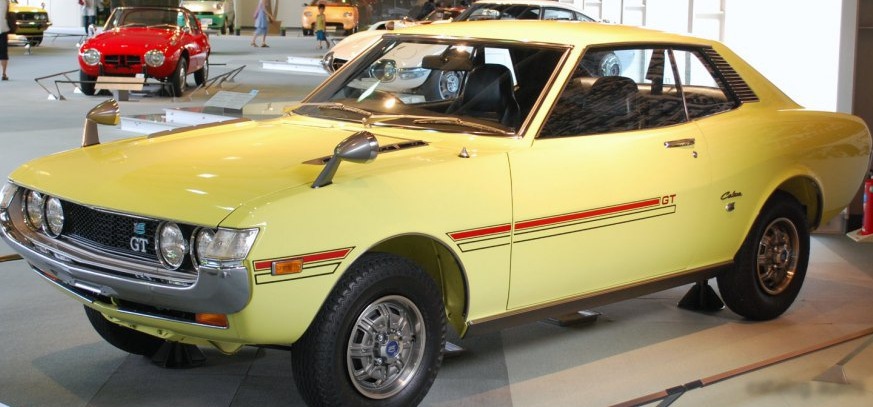
The Toyota Celica TA22, specifically the 1.6 LT variant producing 79 horsepower, represents the entry point into the first generation Celica lineup produced between 1973 and 1978. Falling within the TA20/TA22/TA23 chassis codes, the TA22 was positioned as a stylish and relatively affordable coupe aimed at a younger demographic seeking a sporty, yet practical vehicle. It played a crucial role in establishing the Celica’s identity as a personal luxury car, bridging the gap between traditional sedans and more expensive sports cars. This generation Celica was significant for Toyota as it represented a move towards more sophisticated vehicle designs and a broader appeal in the North American market.
Technical Specifications
| Brand | Toyota |
| Model | Celica |
| Generation | Celica (TA2) |
| Type (Engine) | 1.6 LT (TA22) (79 Hp) |
| Start of production | 1973 |
| End of production | 1978 |
| Powertrain Architecture | Internal Combustion engine |
| Body type | Coupe |
| Seats | 4 |
| Doors | 2 |
| Fuel Type | Petrol (Gasoline) |
| Power | 79 Hp |
| Engine Model/Code | 2T-B |
| Engine aspiration | Naturally aspirated engine |
| Engine oil capacity | 3.7 l (3.91 US qt | 3.26 UK qt) |
| Coolant capacity | 7.6 l (8.03 US qt | 6.69 UK qt) |
| Fuel tank capacity | 50 l (13.21 US gal | 11 UK gal) |
Powertrain & Engine Architecture
The heart of the Celica TA22 1.6 LT is the 2T-B engine, a 1.6-liter (1588 cc) inline-four cylinder gasoline engine. This engine utilizes a single overhead camshaft (SOHC) valvetrain, operating with two valves per cylinder. The 2T-B engine featured a cast iron block and an aluminum cylinder head, a common configuration for engines of this era. Fuel delivery was managed by a single, two-barrel carburetor, a relatively simple system compared to the fuel injection systems that would become prevalent in later decades. The engine’s 79 horsepower at approximately 6,000 rpm and 86 lb-ft of torque at 3,600 rpm were considered adequate for the vehicle’s weight, but not particularly sporty. The transmission paired with the 1.6 LT was typically a three-speed automatic, although a four-speed manual transmission was also available. The automatic transmission, while offering convenience, contributed to slightly slower acceleration times compared to the manual option. The 2T-B engine was known for its relative simplicity and durability, making it a reasonably reliable powerplant for its time.
Driving Characteristics
The Celica TA22 1.6 LT with the automatic transmission offered a comfortable, if not exhilarating, driving experience. Acceleration was modest, with 0-60 mph times estimated around 13-15 seconds. The three-speed automatic transmission had relatively wide gear ratios, prioritizing fuel economy over outright performance. The automatic transmission’s shift points were calibrated for smooth operation, but could feel somewhat sluggish when attempting quicker acceleration. Compared to the more powerful 2.0-liter versions of the Celica (TA23), or even the manual transmission equipped 1.6 LT, the automatic version felt noticeably less responsive. However, the automatic transmission made the Celica more accessible to a wider range of drivers, particularly those unfamiliar or uncomfortable with manual gearboxes. The suspension, while basic, provided a reasonably comfortable ride, absorbing most road imperfections without excessive body roll. Steering was manual rack-and-pinion, offering decent feedback but requiring some effort at lower speeds.
Equipment & Trim Levels
The 1.6 LT trim level represented the base model in the Celica TA2 lineup. Standard features typically included cloth upholstery, a basic AM radio, and a heater/defroster system. The interior was relatively spartan, focusing on functionality rather than luxury. Dashboard design was straightforward, with clearly marked gauges for speed, fuel level, and engine temperature. Optional extras included a vinyl roof, upgraded audio systems, and air conditioning. The exterior styling of the 1.6 LT was characterized by its clean lines and relatively simple trim. Wheel covers were typically standard, while more elaborate wheels were available as an option. The 1.6 LT was often seen as a blank canvas for personalization, with many owners adding aftermarket accessories to enhance its appearance.
Chassis & Braking
The Celica TA22 utilized a rear-wheel-drive layout with an independent front suspension featuring MacPherson struts and a solid rear axle with leaf springs. This suspension configuration provided a good balance between ride comfort and handling. Braking was initially equipped with drum brakes on all four wheels, although front disc brakes became standard on later models. The braking system was adequate for normal driving conditions, but lacked the stopping power of more modern braking systems. Steering was manual rack-and-pinion, providing reasonable precision but requiring some physical effort, especially during parking maneuvers. The chassis was relatively lightweight, contributing to the Celica’s nimble handling characteristics. Stabilizer bars were not standard on the 1.6 LT, further emphasizing its focus on affordability and comfort over sporty performance.
Market Reception & Comparison
The Celica TA22 1.6 LT was generally well-received by automotive critics as an attractive and affordable coupe. However, the 79 horsepower engine and three-speed automatic transmission were often criticized for their lack of performance. Compared to the 2.0-liter Celica variants, the 1.6 LT felt significantly underpowered. Fuel economy was a strong point, with the 1.6 LT achieving around 25-30 mpg in typical driving conditions. Reliability was also praised, with the 2T-B engine proving to be a durable and long-lasting powerplant. The 1.6 LT appealed to buyers seeking a stylish and practical coupe without the expense of the higher-performance models. It directly competed with vehicles like the Ford Mustang II and the Chevrolet Vega, offering a more refined and reliable alternative to some domestic offerings.
Legacy
The Toyota Celica TA22 1.6 LT, while not the most powerful or technologically advanced version of the first-generation Celica, holds a significant place in automotive history. It established the Celica as a desirable and well-respected personal luxury car. The 2T-B engine, while simple, proved to be remarkably durable, and many examples are still on the road today. In the used car market, the TA22 1.6 LT is often sought after by enthusiasts looking for a classic Japanese coupe that is relatively affordable to maintain and restore. Its simplicity and reliability make it a popular choice for restoration projects and vintage rallies. The 1.6 LT represents a pivotal moment in Toyota’s history, demonstrating the company’s ability to produce stylish, reliable, and affordable vehicles that appealed to a broad range of consumers.