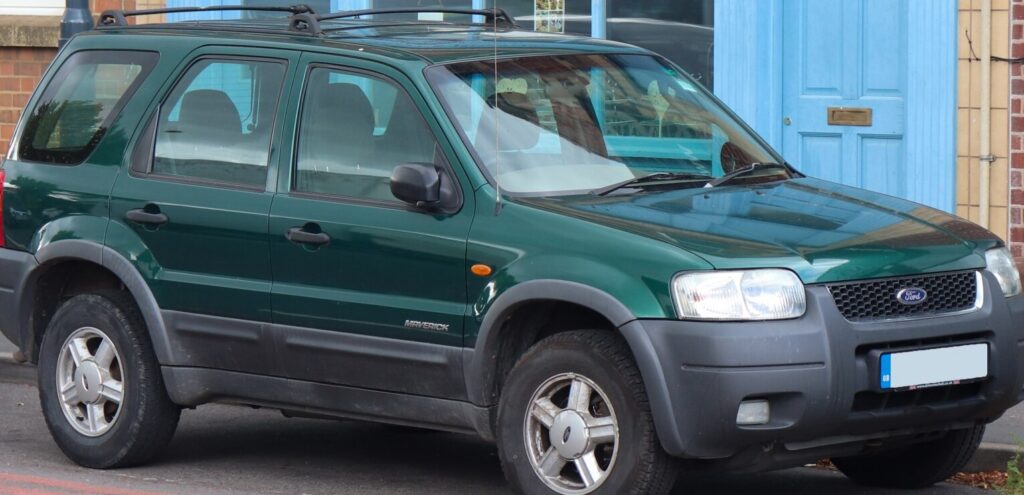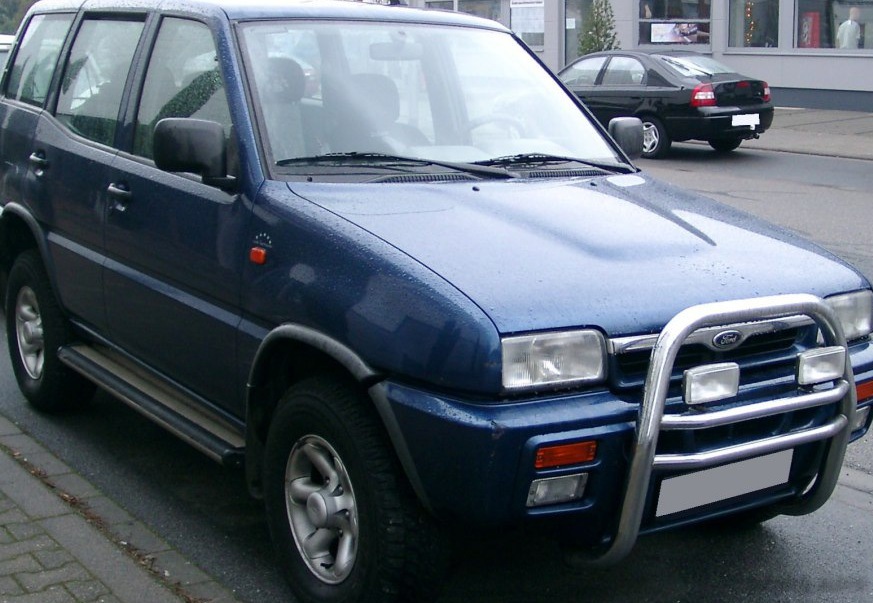
The Ford Maverick, specifically the UDS/UNS series powered by the 2.7 TD engine producing 100 horsepower, was a compact SUV produced between 1993 and 1996. Positioned as a rugged, all-terrain vehicle, the Maverick aimed to fill a niche in the European market for a smaller, more affordable SUV than existing offerings. It represented Ford’s attempt to capitalize on the growing popularity of the SUV segment, offering a blend of practicality, off-road capability, and a relatively economical diesel powertrain. This particular 2.7 TD variant served as a base engine option, appealing to buyers prioritizing fuel efficiency and durability over outright performance.
Technical Specifications
| Brand | Ford |
| Model | Maverick |
| Generation | Maverick (UDS, UNS) |
| Type (Engine) | 2.7 TD (5 dr) (100 Hp) |
| Start of production | 1993 |
| End of production | 1996 |
| Powertrain Architecture | Internal Combustion engine |
| Body type | SUV |
| Seats | 5 |
| Doors | 5 |
| Fuel consumption (combined) | 10.1 l/100 km (23.3 US mpg, 28 UK mpg, 9.9 km/l) |
| Fuel Type | Diesel |
| Acceleration 0 – 100 km/h | 19.9 sec |
| Acceleration 0 – 62 mph | 19.9 sec |
| Acceleration 0 – 60 mph | 18.9 sec |
| Maximum speed | 145 km/h (90.1 mph) |
| Weight-to-power ratio | 18.5 kg/Hp (54.1 Hp/tonne) |
| Weight-to-torque ratio | 8.4 kg/Nm (119.5 Nm/tonne) |
| Power | 100 Hp @ 4000 rpm |
| Power per litre | 37.6 Hp/l |
| Torque | 221 Nm @ 2200 rpm (163 lb.-ft. @ 2200 rpm) |
| Engine layout | Front, Longitudinal |
| Engine displacement | 2663 cm3 (162.51 cu. in.) |
| Number of cylinders | 4 |
| Engine configuration | Inline |
| Cylinder Bore | 96 mm (3.78 in.) |
| Piston Stroke | 92 mm (3.62 in.) |
| Compression ratio | 21.9:1 |
| Number of valves per cylinder | 2 |
| Fuel injection system | Precombustion chamber injection |
| Engine aspiration | Turbocharger |
| Engine oil capacity | 7.2 l (7.61 US qt | 6.34 UK qt) |
| Kerb Weight | 1850 kg (4078.55 lbs.) |
| Max. weight | 2580 kg (5687.93 lbs.) |
| Max load | 730 kg (1609.37 lbs.) |
| Trunk (boot) space – minimum | 115 l (4.06 cu. ft.) |
| Trunk (boot) space – maximum | 1900 l (67.1 cu. ft.) |
| Fuel tank capacity | 80 l (21.13 US gal | 17.6 UK gal) |
| Length | 4585 mm (180.51 in.) |
| Width | 1735 mm (68.31 in.) |
| Height | 1810 mm (71.26 in.) |
| Wheelbase | 2650 mm (104.33 in.) |
| Front track | 1455 mm (57.28 in.) |
| Rear (Back) track | 1430 mm (56.3 in.) |
| Drive wheel | All wheel drive (4×4) |
| Number of gears and type of gearbox | 5 gears, manual transmission |
| Front suspension | Double wishbone |
| Rear suspension | Coil spring |
| Front brakes | Ventilated discs |
| Rear brakes | Drum |
| Assisting systems | ABS (Anti-lock braking system) |
| Steering type | Steering rack and pinion |
| Power steering | Hydraulic Steering |
| Tires size | 215/80 R15 R |
Powertrain & Engine Architecture
The heart of this Maverick variant is the 2.7-liter inline-four cylinder diesel engine. Designated with engine codes like UDS or UNS depending on specific market variations, this engine utilized a precombustion chamber injection system. This system, common in European diesels of the era, involved injecting fuel into a small pre-chamber within the cylinder head, where it partially combusted before igniting the main charge. This design aided in smoother combustion and reduced engine noise compared to direct injection systems of the time. The engine was turbocharged, boosting power output to 100 horsepower and 221 Nm (163 lb-ft) of torque. The five-speed manual transmission was the only gearbox option available with this engine, providing a relatively long gearing setup optimized for fuel economy and low-speed torque.
Driving Characteristics
The 2.7 TD Maverick, with its 100 horsepower and manual transmission, offered a driving experience focused on practicality rather than performance. Acceleration was notably slow, with 0-60 mph times hovering around 18.9 seconds. The engine’s strength lay in its low-end torque, making it suitable for towing and navigating challenging terrain. The long gearing of the five-speed manual transmission further emphasized fuel efficiency, but also meant that frequent downshifts were necessary for overtaking or climbing hills. Compared to potential higher-output gasoline variants (which weren’t widely available on this model), the 2.7 TD prioritized fuel economy and durability over spirited driving. The all-wheel-drive system provided enhanced traction on slippery surfaces, making it a capable off-road vehicle for its class.
Equipment & Trim Levels
The 2.7 TD Maverick typically came with a fairly basic level of equipment, reflecting its position as the entry-level model. Standard features generally included power steering, ABS brakes, and a relatively simple interior with cloth upholstery. Air conditioning and power windows were often optional extras. The dashboard layout was functional and straightforward, prioritizing usability over aesthetics. Higher trim levels, if available, might have added features like upgraded audio systems, alloy wheels, and more comfortable seating. However, the core appeal of the 2.7 TD Maverick remained its affordability and ruggedness.
Chassis & Braking
The Maverick’s chassis featured a robust construction designed to handle both on-road and off-road conditions. Front suspension utilized a double wishbone setup, providing a comfortable ride and good handling characteristics. The rear suspension employed coil springs, offering a balance between ride comfort and load-carrying capacity. Braking duties were handled by ventilated discs at the front and drum brakes at the rear. While adequate for everyday use, the braking system wasn’t particularly powerful, reflecting the vehicle’s weight and intended purpose. The all-wheel-drive system, a key feature of the Maverick, provided enhanced traction and stability in various driving conditions.
Market Reception & Comparison
The Ford Maverick 2.7 TD received mixed reviews upon its release. Critics praised its ruggedness, all-wheel-drive capability, and fuel-efficient diesel engine. However, its slow acceleration and relatively basic interior were points of criticism. Compared to other SUVs in the European market, the Maverick offered a compelling value proposition, particularly for buyers seeking a practical and affordable all-terrain vehicle. Its fuel economy was competitive with other diesel-powered SUVs of the time, and its relatively simple mechanical design contributed to its reputation for reliability.
Legacy
The Ford Maverick 2.7 TD, while not a groundbreaking vehicle, established a foothold for Ford in the compact SUV segment. The 2.7 TD powertrain, while not known for blistering performance, proved to be relatively durable and reliable, making used examples a popular choice for budget-conscious buyers. Today, well-maintained Mavericks are sought after by enthusiasts and collectors, particularly those interested in classic European SUVs. The vehicle’s simple mechanical design and readily available parts contribute to its continued usability and appeal. While not a high-performance machine, the 2.7 TD Maverick represents a practical and capable SUV from a bygone era.