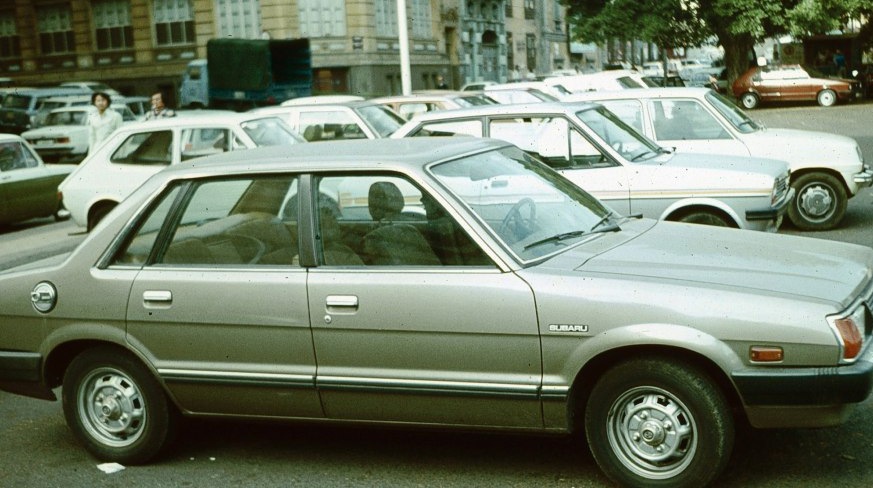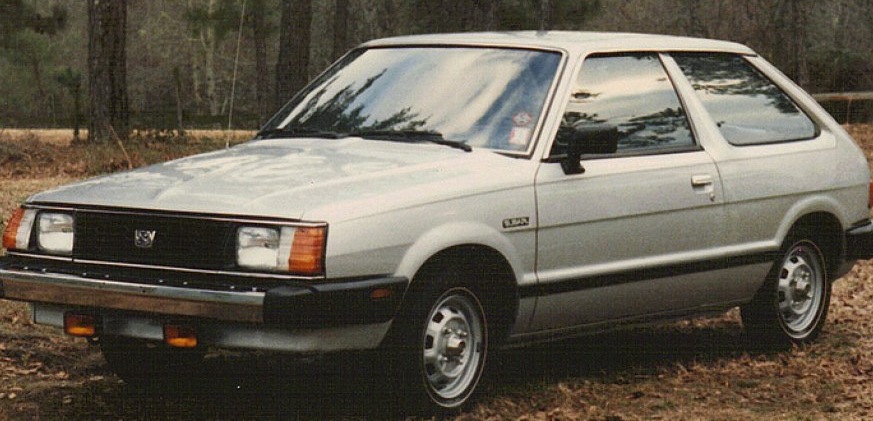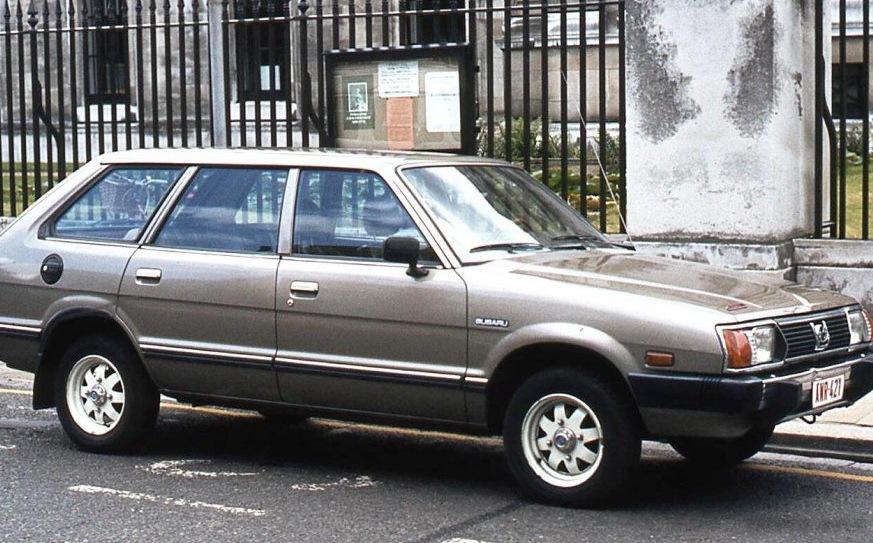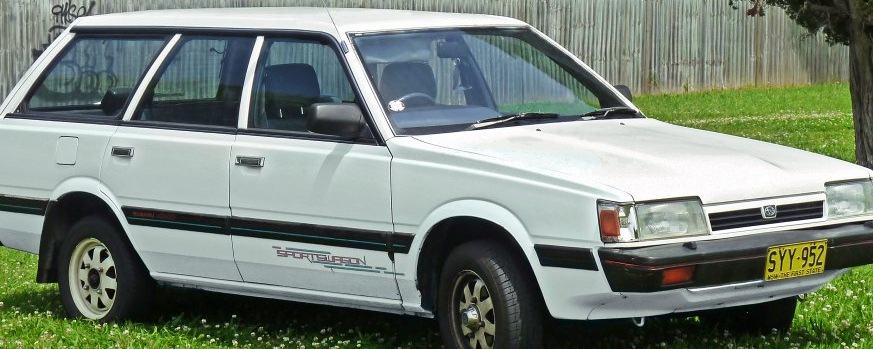
The Subaru Leone III Station Wagon 1800 Super Turbo 4WD, produced between 1984 and 1990, represents a significant step forward for Subaru in blending practicality, all-wheel-drive capability, and turbocharged performance in a family-oriented vehicle. This variant, positioned as a higher-performance offering within the Leone III range, aimed to appeal to buyers seeking a versatile vehicle capable of handling diverse road conditions and carrying both passengers and cargo. It was a key model in establishing Subaru’s reputation for robust, all-weather vehicles, particularly in markets where inclement weather was common. The Leone III, internally designated as the second generation of the Leone, built upon the success of its predecessors, offering improved refinement and a more modern design.
Technical Specifications
| Brand | Subaru |
| Model | Leone |
| Generation | Leone III Station Wagon |
| Type | 1800 Super Turbo 4WD (136 Hp) |
| Production Years | 1984 – 1990 |
| Body Type | Station Wagon (Estate) |
| Number of Seats | 5 |
| Number of Doors | 5 |
| Fuel Type | Petrol (Gasoline) |
| Engine Power | 136 Hp |
| Engine Model/Code | EA82T |
| Engine Aspiration | Turbocharger |
Powertrain & Engine Architecture
The heart of the Leone III 1800 Super Turbo 4WD is the EA82T engine, a 1.8-liter (1785cc) flat-four, also known as a boxer engine. This engine configuration, a Subaru hallmark, provides a low center of gravity, contributing to improved handling and stability. The “T” designation signifies the presence of a turbocharger, significantly boosting power output compared to naturally aspirated versions of the EA82. The EA82T utilizes a single overhead camshaft (SOHC) design per cylinder bank, operating with two valves per cylinder. Fuel delivery is managed by a multi-point fuel injection system, a relatively advanced feature for the mid-1980s, enhancing fuel efficiency and reducing emissions. The turbocharger itself is a Garrett unit, providing approximately 6-8 psi of boost. The engine’s robust construction, featuring a cast iron block and aluminum cylinder heads, contributed to its durability. The Leone 1800 Super Turbo was typically paired with a four-speed automatic transmission, although a five-speed manual was also available. The automatic transmission was chosen to provide ease of use, appealing to a broader range of drivers, particularly those prioritizing comfort and convenience over outright performance.
Driving Characteristics
The 136 horsepower and 160 lb-ft of torque produced by the EA82T engine, while not overwhelming by modern standards, provided a noticeable performance advantage over the base Leone models. The turbocharger delivers a distinct surge of power in the mid-range, making overtaking maneuvers more confident. However, turbo lag was present, a common characteristic of turbochargers of that era. The automatic transmission, while smooth, isn’t particularly quick-shifting, and its four-speed configuration means the engine can feel strained at highway speeds. The Leone’s symmetrical all-wheel-drive system provides excellent traction in a variety of conditions, making it a capable vehicle on gravel, snow, and even light off-road terrain. The suspension, consisting of MacPherson struts in the front and a trailing arm setup in the rear, offers a comfortable ride, although it can feel somewhat soft and prone to body roll during aggressive cornering. Compared to the manual transmission version, the automatic sacrifices some responsiveness, but gains in everyday usability.
Equipment & Trim Levels
The 1800 Super Turbo 4WD trim level was relatively well-equipped for its time. Standard features typically included power steering, a tilt-adjustable steering wheel, and cloth upholstery. Higher-end models could be equipped with optional features such as air conditioning, a sunroof, and upgraded audio systems. Interior appointments were functional and durable, reflecting the Leone’s focus on practicality. The dashboard layout was straightforward, with clearly labeled controls. The Super Turbo trim often featured unique badging and exterior trim elements to distinguish it from lower-spec Leone models. The interior space was generous for a vehicle of its size, offering ample headroom and legroom for both front and rear passengers. The rear cargo area was also sizable, making it suitable for carrying luggage, groceries, or other bulky items.
Chassis & Braking
The Leone III Station Wagon utilizes a unibody construction, providing a good balance of strength and weight. The all-wheel-drive system employs a viscous coupling center differential, automatically distributing torque between the front and rear axles as needed. The front suspension features MacPherson struts with stabilizer bar, while the rear utilizes a trailing arm setup. Braking duties are handled by disc brakes in the front and drum brakes in the rear. While adequate for normal driving conditions, the braking system lacked the stopping power and modulation of more modern systems. The tires were typically 175/80R14, providing a reasonable compromise between ride comfort and grip.
Market Reception & Comparison
The Subaru Leone III 1800 Super Turbo 4WD was generally well-received by automotive critics, who praised its all-wheel-drive capability, turbocharged performance, and practicality. However, some reviewers noted the presence of turbo lag and the relatively slow shifting of the automatic transmission. Compared to other station wagons of the era, such as the Ford Escort Wagon or the Toyota Corolla Wagon, the Leone offered a unique combination of features, particularly its all-wheel-drive system. The 1.8L Turbo was a step up from the base 1.6L and 1.8L naturally aspirated engines, offering significantly more power and torque. However, it was less expensive and more accessible than the larger, more luxurious Subaru models like the XT. Fuel economy was reasonable for a turbocharged vehicle of that era, averaging around 20-25 mpg in mixed driving conditions.
Legacy
The Subaru Leone III 1800 Super Turbo 4WD holds a significant place in Subaru’s history as a pioneering model that helped establish the brand’s reputation for all-wheel-drive technology and turbocharged performance. The EA82T engine, while prone to head gasket issues if not properly maintained, proved to be a durable and reliable powerplant. Today, well-maintained examples of the Leone III Super Turbo are becoming increasingly collectible, appealing to enthusiasts who appreciate its unique character and historical significance. The car represents a transitional period in automotive technology, bridging the gap between older, simpler designs and the more sophisticated vehicles of the 1990s. Finding parts can be challenging, but a dedicated community of Subaru enthusiasts continues to support the preservation and restoration of these classic vehicles.