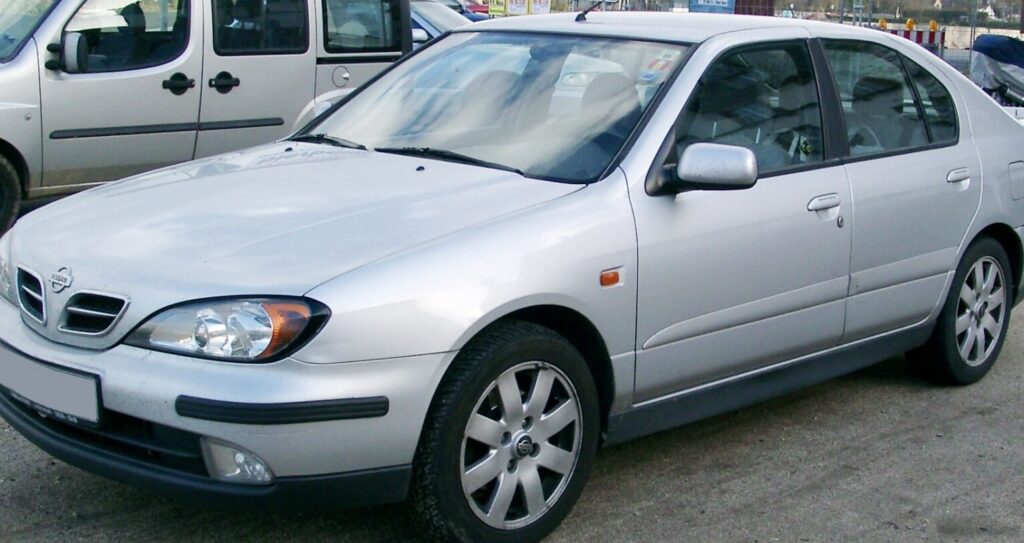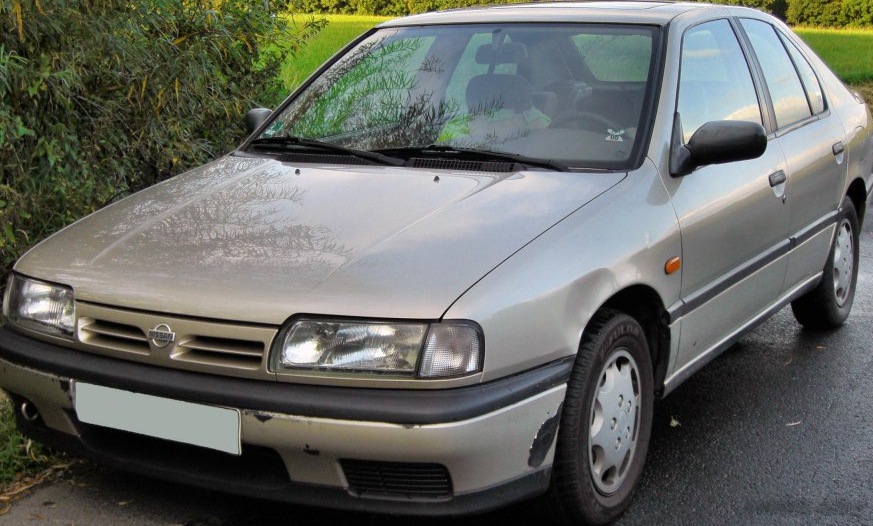
The Nissan Primera P10, produced from 1991 to 1996, represented Nissan’s entry into the competitive European mid-size family car segment. The Primera was a significant model for Nissan, intended to establish a stronger foothold in the market previously dominated by Ford, Vauxhall/Opel, and Volkswagen. The P10 generation, available as a four-door sedan and a five-door hatchback, aimed to offer a blend of practicality, comfort, and technology. Within the P10 range, the 2.0 16V 4×4 variant occupied a position as a relatively upscale offering, providing all-wheel drive capability and a more powerful engine option compared to the base models. This model was primarily sold in Europe and Japan, with limited availability in other markets.
Technical Specifications
| Brand | Nissan |
| Model | Primera |
| Generation | Primera Hatch (P10) |
| Type (Engine) | 2.0 16V (115 Hp) 4×4 |
| Start of production | 1991 |
| End of production | 1996 |
| Powertrain Architecture | Internal Combustion engine |
| Body type | Hatchback |
| Fuel Type | Petrol (Gasoline) |
| Power | 115 Hp |
| Engine aspiration | Naturally aspirated engine |
| Engine oil capacity | 3.4 l (3.59 US qt | 2.99 UK qt) |
| Coolant capacity | 6.4 l (6.76 US qt | 5.63 UK qt) |
Powertrain & Engine Architecture
The heart of the Primera 2.0 16V 4×4 is the Nissan SR20Di engine, a 1998cc, naturally aspirated inline-four cylinder powerplant. This engine utilizes a dual overhead camshaft (DOHC) design with four valves per cylinder, contributing to its relatively high output for the time. The “16V” designation refers to the sixteen valves. Fuel delivery is managed by a multi-point fuel injection system, providing precise fuel metering for improved efficiency and performance. The SR20Di engine is known for its robust construction and generally reliable operation. The engine’s output of 115 horsepower at approximately 5600 rpm, and 137 lb-ft of torque at 4400 rpm, provided a noticeable step up in performance compared to the lower-displacement engines available in the P10 Primera range.
The transmission paired with the SR20Di in the 4×4 variant is a four-speed automatic transmission. While not offering the direct control of a manual gearbox, the automatic transmission provided convenience and ease of use, appealing to a broader range of drivers. The 4×4 system employed a viscous coupling to distribute power between the front and rear axles, providing enhanced traction in slippery conditions. The system is primarily front-wheel drive under normal conditions, engaging the rear wheels as needed when front wheel slip is detected. This system isn’t a sophisticated, electronically controlled all-wheel drive, but rather a mechanically reactive setup.
Driving Characteristics
The Primera 2.0 16V 4×4 offered a comfortable and capable driving experience. The 115 hp engine, while not exceptionally powerful by modern standards, provided adequate acceleration for everyday driving. The four-speed automatic transmission, while smooth, did result in some power loss compared to the available five-speed manual transmission. Gear ratios were tuned for fuel efficiency and comfortable cruising rather than outright performance. The all-wheel drive system noticeably improved traction, particularly on wet or loose surfaces, providing a more secure feeling behind the wheel. However, the added weight of the 4×4 system and the automatic transmission did slightly impact fuel economy and responsiveness compared to the front-wheel drive, manual transmission models.
Compared to the 1.6L and 1.8L Primera variants, the 2.0 16V 4×4 offered a more refined and engaging driving experience. The larger engine provided more readily available torque, making overtaking maneuvers easier. The 4×4 system, while not intended for off-road use, provided a significant advantage in inclement weather. Against the higher-performance variants, such as those with manual transmissions, the automatic 4×4 model traded some performance for convenience.
Equipment & Trim Levels
The 2.0 16V 4×4 typically came equipped with a relatively generous level of standard features. Interior appointments included cloth upholstery, power windows, central locking, and a basic audio system. Air conditioning was often standard, or available as an option. Higher trim levels, such as the SE or LX, added features like alloy wheels, a sunroof, upgraded audio systems, and more luxurious interior trim. The dashboard layout was functional and straightforward, with clearly labeled controls. Optional extras included leather upholstery, a CD changer, and upgraded sound systems.
Chassis & Braking
The Primera P10 utilized a MacPherson strut front suspension and a multi-link rear suspension. This suspension setup provided a good balance between ride comfort and handling. The 2.0 16V 4×4 models typically featured slightly stiffer suspension components compared to the lower-spec models to cope with the added weight and provide more controlled handling. Braking duties were handled by disc brakes on the front wheels and drum brakes on the rear wheels. Anti-lock Braking System (ABS) was available as an option, and became more common on higher trim levels. Stabilizer bars were fitted to both the front and rear axles to reduce body roll during cornering.
Market Reception & Comparison
The Nissan Primera P10 2.0 16V 4×4 was generally well-received by automotive critics. It was praised for its comfortable ride, spacious interior, and the added security of all-wheel drive. However, some critics noted that the automatic transmission could feel sluggish at times, and the fuel economy was not as competitive as some of its rivals. Compared to other mid-size family cars of the era, such as the Ford Mondeo and Vauxhall/Opel Vectra, the Primera offered a distinctive styling and a reputation for reliability. The 4×4 system set it apart from many competitors, appealing to buyers in regions with harsh weather conditions. Fuel economy was comparable to other 2.0L automatic vehicles of the time, averaging around 25-30 mpg on a combined cycle.
Legacy
The Nissan Primera P10 2.0 16V 4×4 has proven to be a relatively durable and reliable vehicle. The SR20Di engine is known for its longevity, and with proper maintenance, can withstand high mileage. The automatic transmission, while not the most sophisticated, is generally reliable. Today, the P10 Primera is becoming increasingly sought after by classic car enthusiasts and collectors. Parts availability is generally good, although some specific trim pieces may be difficult to find. The 2.0 16V 4×4 variant, with its combination of power, all-wheel drive, and relative rarity, is particularly desirable in the used car market. Its enduring appeal lies in its blend of practicality, comfort, and a touch of understated sophistication.