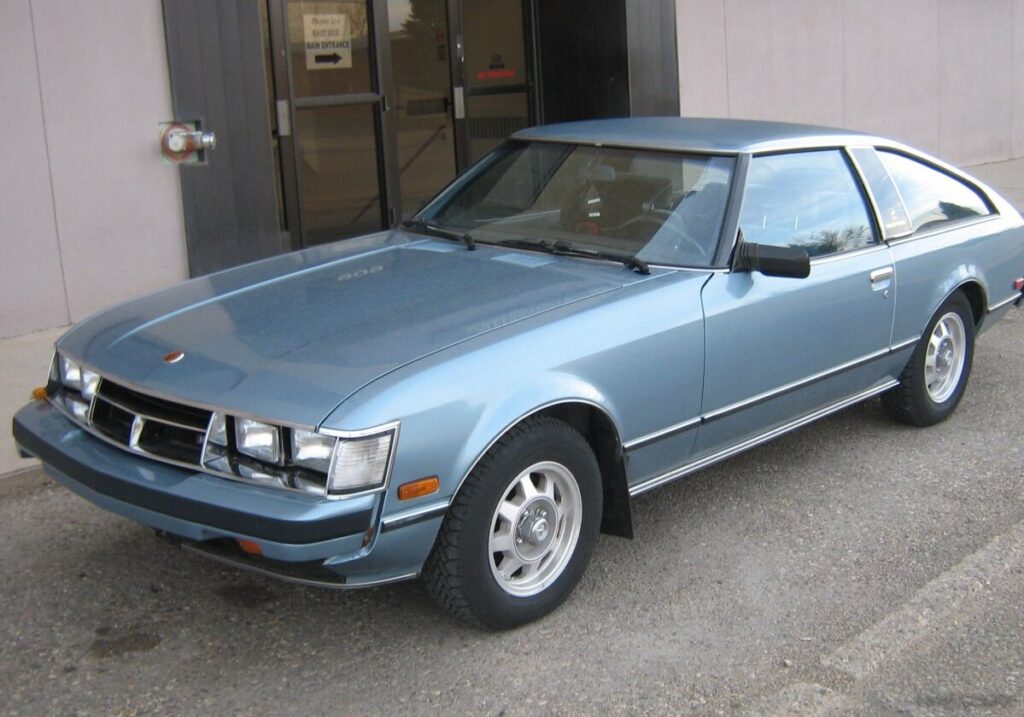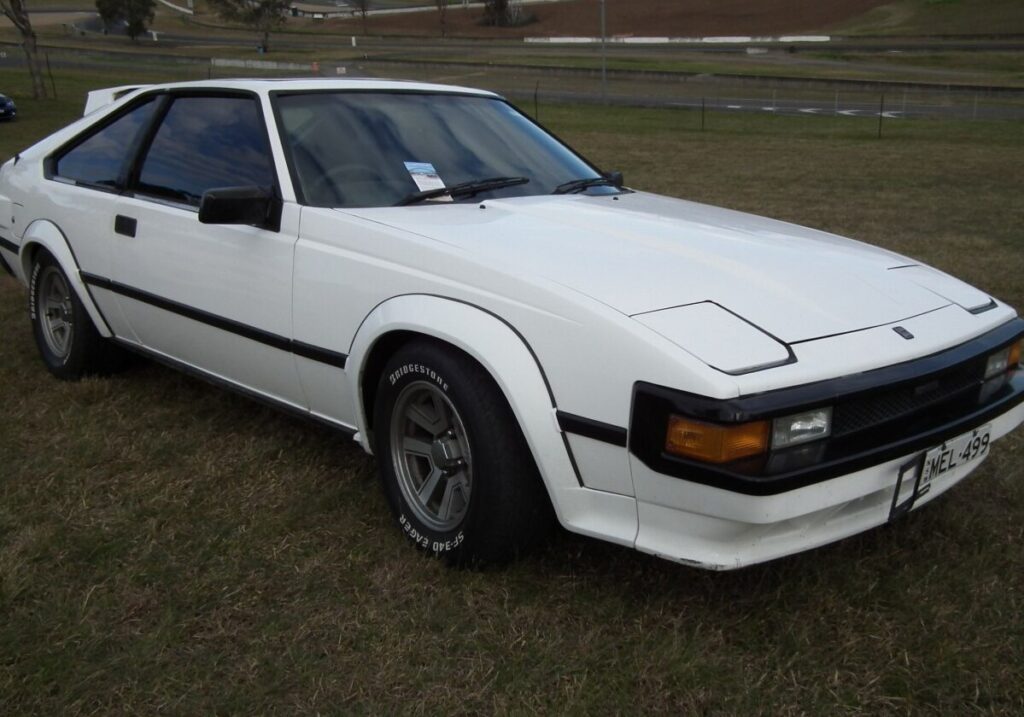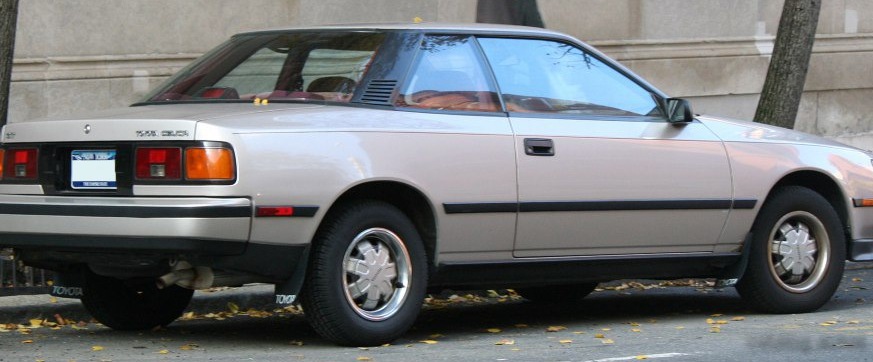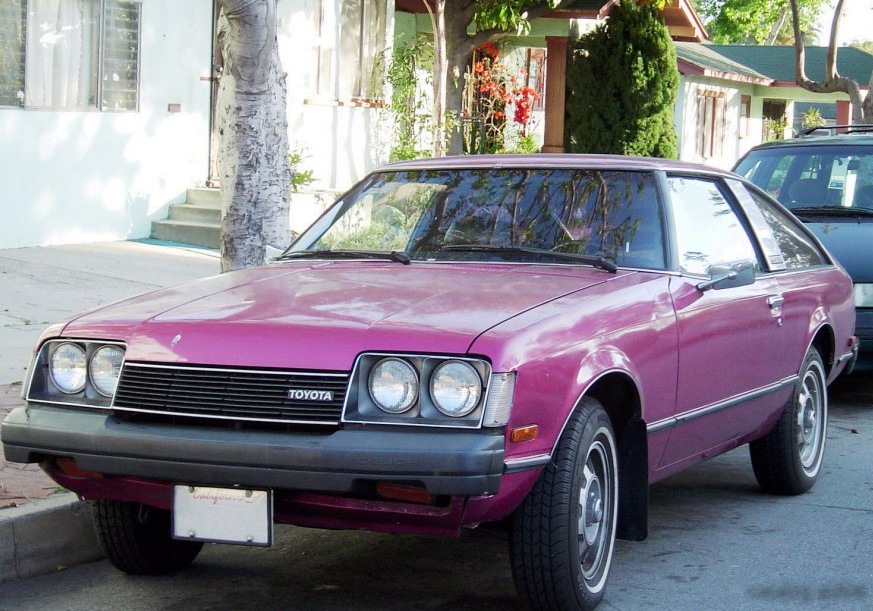
The Toyota Celica 1.6 LT (TA4C), producing 75 horsepower, was a key variant within the second generation Celica lineup (TA60, RA40, RA6) produced between 1979 and 1983. This generation marked a significant shift for the Celica, moving away from the first generation’s Mustang-inspired styling towards a more refined, European-influenced grand tourer aesthetic. The TA4C represented the entry point into the Celica range, offering a balance of affordability and Toyota’s renowned reliability. It was positioned as a sporty coupe aimed at buyers seeking a stylish and economical personal vehicle.
Technical Specifications
| Brand | Toyota |
| Model | Celica |
| Generation | Celica (TA60,RA40,RA6) |
| Type (Engine) | 1.6 LT (TA4C) (75 Hp) |
| Start of production | 1979 |
| End of production | 1983 |
| Powertrain Architecture | Internal Combustion engine |
| Body type | Coupe |
| Seats | 5 |
| Doors | 3 |
| Fuel Type | Petrol (Gasoline) |
| Maximum speed | 165 km/h (102.53 mph) |
| Weight-to-power ratio | 12.7 kg/Hp, 78.7 Hp/tonne |
| Weight-to-torque ratio | 8.2 kg/Nm, 121.7 Nm/tonne |
| Power | 75 Hp @ 5200 rpm |
| Power per litre | 47.2 Hp/l |
| Torque | 116 Nm @ 3800 rpm (85.56 lb.-ft. @ 3800 rpm) |
| Engine layout | Front, Longitudinal |
| Engine Model/Code | 2T |
| Engine displacement | 1588 cm3 (96.91 cu. in.) |
| Number of cylinders | 4 |
| Engine configuration | Inline |
| Cylinder Bore | 85 mm (3.35 in.) |
| Piston Stroke | 70 mm (2.76 in.) |
| Compression ratio | 9:1 |
| Number of valves per cylinder | 2 |
| Fuel injection system | Carburettor |
| Engine aspiration | Naturally aspirated engine |
| Valvetrain | OHV |
| Engine oil capacity | 4.2 l (4.44 US qt | 3.7 UK qt) |
| Coolant | 8 l (8.45 US qt | 7.04 UK qt) |
| Kerb Weight | 953 kg (2101.01 lbs.) |
| Max. weight | 1440 kg (3174.66 lbs.) |
| Max load | 487 kg (1073.65 lbs.) |
| Fuel tank capacity | 61 l (16.11 US gal | 13.42 UK gal) |
| Length | 4330 mm (170.47 in.) |
| Width | 1635 mm (64.37 in.) |
| Height | 1320 mm (51.97 in.) |
| Wheelbase | 2500 mm (98.43 in.) |
| Front track | 1335 mm (52.56 in.) |
| Rear (Back) track | 1350 mm (53.15 in.) |
| Minimum turning circle (turning diameter) | 10 m (32.81 ft.) |
| Drivetrain Architecture | The Internal combustion engine (ICE) drives the rear wheels of the vehicle. |
| Drive wheel | Rear wheel drive |
| Number of gears and type of gearbox | 4 gears, manual transmission |
| Front suspension | Independent coil spring |
| Rear suspension | Rigid axle suspension |
| Front brakes | Disc |
| Rear brakes | Drum |
| Steering type | Worm-reduction unit |
| Power steering | Hydraulic Steering |
Powertrain & Engine Architecture
The heart of the Celica 1.6 LT was the 2T engine, a 1.6-liter inline-four cylinder powerplant. This engine utilized a single overhead valve (OHV) valvetrain and a two-barrel carburetor for fuel delivery. While relatively simple in design, the 2T was known for its durability and ease of maintenance. The engine produced 75 horsepower at 5200 rpm and 116 Nm (85.56 lb-ft) of torque at 3800 rpm. The engine was mounted longitudinally in the front of the vehicle, driving the rear wheels. The standard transmission was a four-speed manual gearbox. This configuration was typical for affordable sports coupes of the era, prioritizing simplicity and cost-effectiveness over outright performance.
Driving Characteristics
The Celica 1.6 LT, with its 75 horsepower and four-speed manual transmission, offered modest but engaging performance. Acceleration was adequate for everyday driving, but it wasn’t a particularly quick car. The 0-60 mph time was estimated to be around 12-13 seconds. The four-speed gearbox provided reasonable gear spacing, but the engine lacked the low-end torque of larger displacement engines, requiring frequent downshifts when climbing hills or overtaking. Compared to the higher-spec Celica variants, such as those equipped with the 22RE 2.4-liter engine, the 1.6 LT felt noticeably less powerful. However, its lighter weight and simpler mechanicals contributed to a more nimble and balanced handling experience.
Equipment & Trim Levels
The Celica 1.6 LT was generally equipped with basic but functional features. Standard equipment typically included cloth upholstery, a basic AM/FM radio, and manual windows and locks. Optional extras included a cassette player, upgraded interior trim, and a sunroof. The interior design was functional and straightforward, prioritizing practicality over luxury. The dashboard layout was simple and easy to use, with clearly marked gauges and controls. The Celica 1.6 LT was often seen as a blank canvas for personalization, with many owners adding aftermarket accessories to enhance its style and functionality.
Chassis & Braking
The Celica 1.6 LT featured a relatively simple chassis design. The front suspension utilized independent coil springs, providing a comfortable ride and decent handling. The rear suspension employed a rigid axle with leaf springs, which was a cost-effective solution but offered less sophisticated handling characteristics. The braking system consisted of disc brakes on the front wheels and drum brakes on the rear. While adequate for normal driving conditions, the braking performance was not particularly strong compared to more modern vehicles. The steering was a worm-reduction unit, providing a direct but somewhat heavy steering feel. Power steering was not standard on the 1.6 LT, further contributing to the heavier steering effort.
Market Reception & Comparison
The Celica 1.6 LT was generally well-received by critics as an affordable and reliable sports coupe. It was praised for its stylish design, comfortable ride, and fuel efficiency. However, it was also criticized for its lack of power and relatively basic equipment levels. Compared to other coupes in its class, such as the Ford Mustang and Chevrolet Camaro, the Celica 1.6 LT offered a more refined and economical driving experience. Within the Celica lineup, the 1.6 LT served as the entry-level model, appealing to buyers who prioritized affordability and fuel economy over outright performance. The higher-spec Celica variants, with their larger engines and more luxurious features, catered to a more discerning clientele.
Legacy
The Toyota Celica 1.6 LT (TA4C) has become a popular choice among classic car enthusiasts. Its simple mechanicals and readily available parts make it relatively easy to maintain and repair. The 2T engine is known for its durability and reliability, and many examples are still on the road today. While not the most powerful or luxurious Celica variant, the 1.6 LT represents a significant chapter in the Celica’s history, embodying the spirit of affordable and stylish personal transportation. In the used car market, well-maintained examples of the Celica 1.6 LT are increasingly sought after by collectors and enthusiasts, appreciating in value as they become rarer.