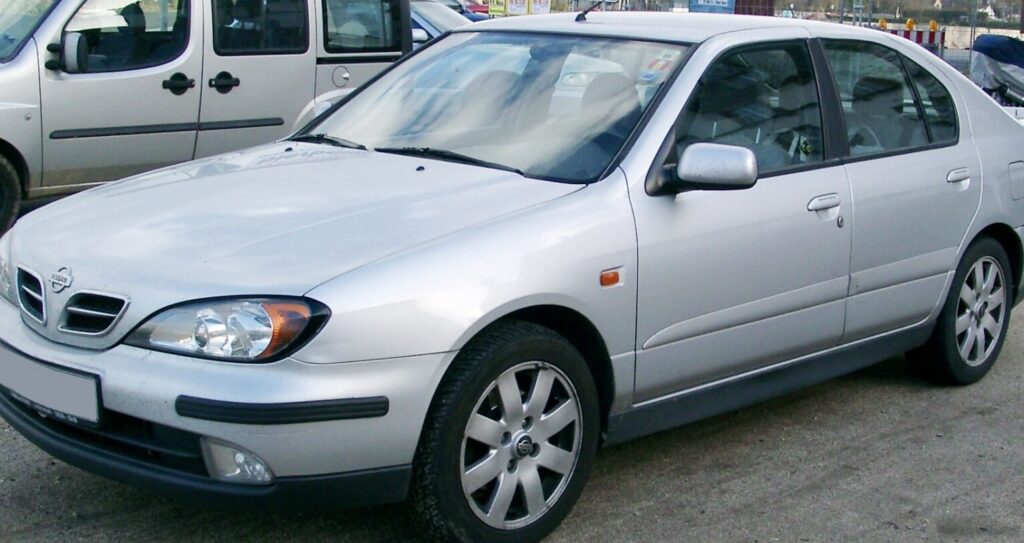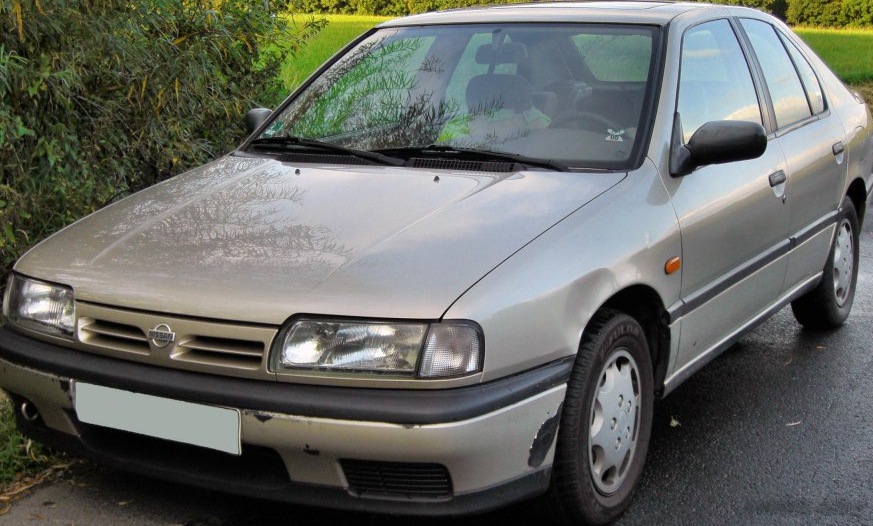
The Nissan Primera (P10) 2.0 16V, produced between 1990 and 1996, represented a significant step forward for Nissan’s presence in the mid-size family car segment, particularly in Europe. Positioned as a more sophisticated alternative to the Sunny and Bluebird, the P10 Primera aimed to compete with established rivals like the Ford Mondeo, Opel Vectra, and Volkswagen Passat. This specific 2.0-liter, 16-valve variant, producing 115 horsepower, occupied a middle ground in the Primera lineup, offering a balance between performance and affordability. It was often seen as a step up from the base 1.6L models, appealing to drivers seeking a more engaging driving experience without the higher price tag of the later 2.0L SR models.
Technical Specifications
| Brand | Nissan |
| Model | Primera |
| Generation | Primera Hatch (P10) |
| Type (Engine) | 2.0 16V (115 Hp) |
| Start of production | 1990 |
| End of production | 1996 |
| Powertrain Architecture | Internal Combustion engine |
| Body type | Hatchback |
| Seats | 5 |
| Doors | 5 |
| Fuel consumption (combined) | 8.3 l/100 km (28.3 US mpg, 34 UK mpg, 12 km/l) |
| Fuel Type | Petrol (Gasoline) |
| Acceleration 0 – 100 km/h | 9.9 sec |
| Acceleration 0 – 62 mph | 9.9 sec |
| Acceleration 0 – 60 mph | 9.4 sec |
| Maximum speed | 200 km/h (124.27 mph) |
| Weight-to-power ratio | 10.6 kg/Hp, 94.2 Hp/tonne |
| Weight-to-torque ratio | 7.4 kg/Nm, 136 Nm/tonne |
| Power | 115 Hp @ 6000 rpm |
| Power per litre | 57.6 Hp/l |
| Torque | 166 Nm @ 4800 rpm (122.44 lb.-ft. @ 4800 rpm) |
| Engine layout | Front, Transverse |
| Engine displacement | 1998 cm3 (121.93 cu. in.) |
| Number of cylinders | 4 |
| Engine configuration | Inline |
| Cylinder Bore | 86 mm (3.39 in.) |
| Piston Stroke | 86 mm (3.39 in.) |
| Compression ratio | 9.5:1 |
| Number of valves per cylinder | 4 |
| Fuel injection system | Multi-port manifold injection |
| Engine aspiration | Naturally aspirated engine |
| Valvetrain | DOHC |
| Engine oil capacity | 3.4 l (3.59 US qt | 2.99 UK qt) |
| Coolant | 6.4 l (6.76 US qt | 5.63 UK qt) |
| Kerb Weight | 1221 kg (2691.84 lbs.) |
| Max. weight | 1750 kg (3858.09 lbs.) |
| Max load | 529 kg (1166.25 lbs.) |
| Trunk (boot) space – minimum | 480 l (16.95 cu. ft.) |
| Trunk (boot) space – maximum | 1290 l (45.56 cu. ft.) |
| Fuel tank capacity | 60 l (15.85 US gal | 13.2 UK gal) |
| Length | 4400 mm (173.23 in.) |
| Width | 1700 mm (66.93 in.) |
| Height | 1390 mm (54.72 in.) |
| Wheelbase | 2550 mm (100.39 in.) |
| Front track | 1470 mm (57.87 in.) |
| Rear (Back) track | 1460 mm (57.48 in.) |
| Drivetrain Architecture | The Internal combustion engine (ICE) drives the front wheels of the vehicle. |
| Drive wheel | Front wheel drive |
| Number of gears and type of gearbox | 5 gears, manual transmission |
| Front suspension | Double wishbone |
| Rear suspension | Double wishbone |
| Front brakes | Ventilated discs |
| Rear brakes | Disc |
| Assisting systems | ABS (Anti-lock braking system) |
| Steering type | Steering rack and pinion |
| Power steering | Hydraulic Steering |
| Tires size | 185/65 R14 |
Powertrain & Engine Architecture
The heart of the Primera 2.0 16V is the Nissan GA20DE engine. This 1998cc inline-four cylinder engine utilizes a double overhead camshaft (DOHC) valvetrain with four valves per cylinder, contributing to its relatively high output for its displacement. The GA20DE featured multi-port fuel injection, a system that delivers fuel directly to each intake port, optimizing combustion efficiency and power delivery. The engine’s 9.5:1 compression ratio was a common figure for naturally aspirated engines of the era, balancing performance and fuel economy. The engine was transversely mounted in the front of the vehicle, driving the front wheels. The five-speed manual transmission was the standard offering, providing a direct connection between the engine and the wheels. The transmission’s gear ratios were tuned for a blend of acceleration and highway cruising, though some drivers found the ratios slightly tall, requiring downshifts for quicker overtaking maneuvers.
Driving Characteristics
The Primera 2.0 16V offered a noticeably more spirited driving experience than its 1.6-liter counterparts. The 115 horsepower and 122 lb-ft of torque provided adequate acceleration, with a 0-60 mph time of around 9.4 seconds. While not a sports car, the Primera 2.0 felt competent and capable on both city streets and open highways. The manual transmission allowed for precise control, and the engine responded reasonably well to being revved. Compared to the later, more powerful 2.0 SR models, the 16V version prioritized fuel efficiency and a smoother ride. The taller gear ratios, while aiding fuel economy, meant that the engine sometimes felt strained when accelerating hard in higher gears. The steering was light and precise, making the car easy to maneuver, but lacked the feedback preferred by some enthusiasts.
Equipment & Trim Levels
The 2.0 16V Primera typically came with a reasonable level of standard equipment. This included power steering, central locking, electric front windows, and an AM/FM radio. Higher trim levels, often denoted by “S” or “SE” designations, added features such as alloy wheels, a sunroof, upgraded upholstery, and air conditioning. Interior upholstery was typically cloth, with a relatively conservative design. The dashboard layout was functional and straightforward, prioritizing ease of use over stylistic flair. Optional extras included a CD player, upgraded sound system, and metallic paint finishes.
Chassis & Braking
The Primera P10 utilized a fully independent suspension system, with double wishbones at both the front and rear. This setup provided a comfortable ride and good handling characteristics. The front brakes were ventilated discs, offering strong stopping power, while the rear brakes were solid discs. Anti-lock Braking System (ABS) was standard on most models, enhancing safety by preventing wheel lockup during hard braking. The chassis was relatively lightweight, contributing to the car’s agility. Stabilizer bars were fitted to both the front and rear axles, further reducing body roll during cornering.
Market Reception & Comparison
The Nissan Primera 2.0 16V was generally well-received by automotive critics. It was praised for its comfortable ride, spacious interior, and relatively strong performance. However, some reviewers noted that the styling was somewhat bland compared to its rivals. In terms of fuel economy, the 2.0 16V offered a reasonable compromise between performance and efficiency, achieving around 28.3 US mpg in combined driving. Compared to the 1.6-liter Primera, the 2.0 16V offered a significant performance boost, while remaining more affordable than the higher-spec 2.0 SR models. The Ford Mondeo and Opel Vectra were often cited as key competitors, offering similar levels of practicality and performance.
Legacy
The Nissan Primera P10, particularly the 2.0 16V variant, has proven to be a relatively reliable and durable vehicle. The GA20DE engine is known for its longevity, and with proper maintenance, can withstand high mileage. Today, the P10 Primera is becoming increasingly sought after by classic car enthusiasts and collectors. Parts availability is generally good, although some specific trim pieces may be difficult to find. The Primera P10 represents a significant milestone in Nissan’s history, demonstrating the company’s commitment to building well-engineered and practical family cars. The 2.0 16V model, with its blend of performance, economy, and reliability, remains a particularly desirable variant within the P10 lineup.