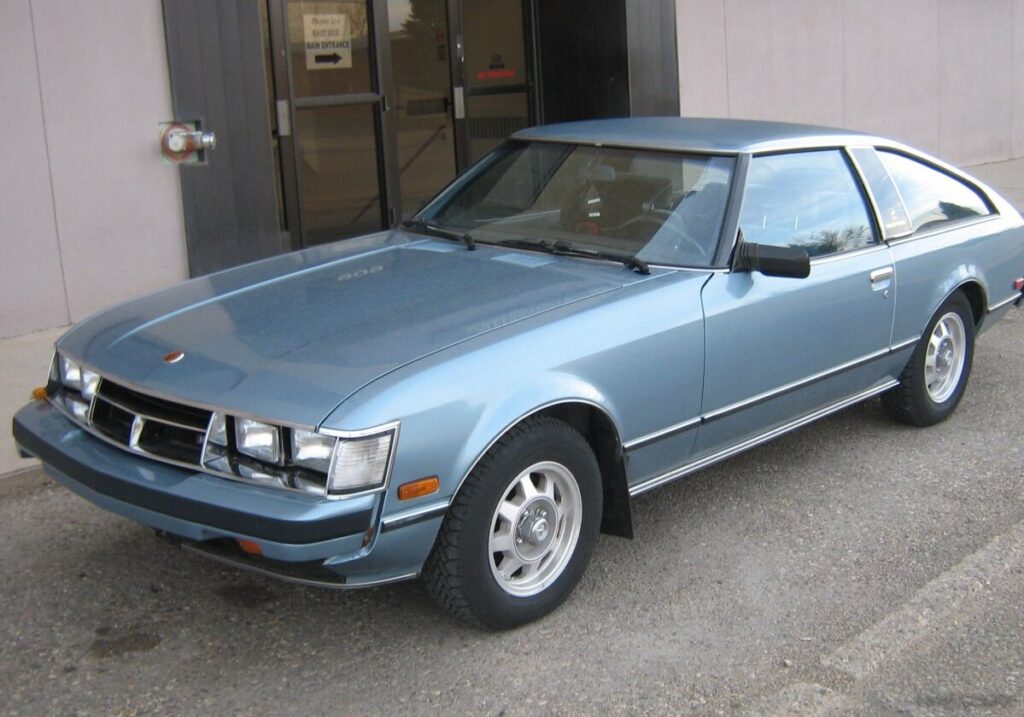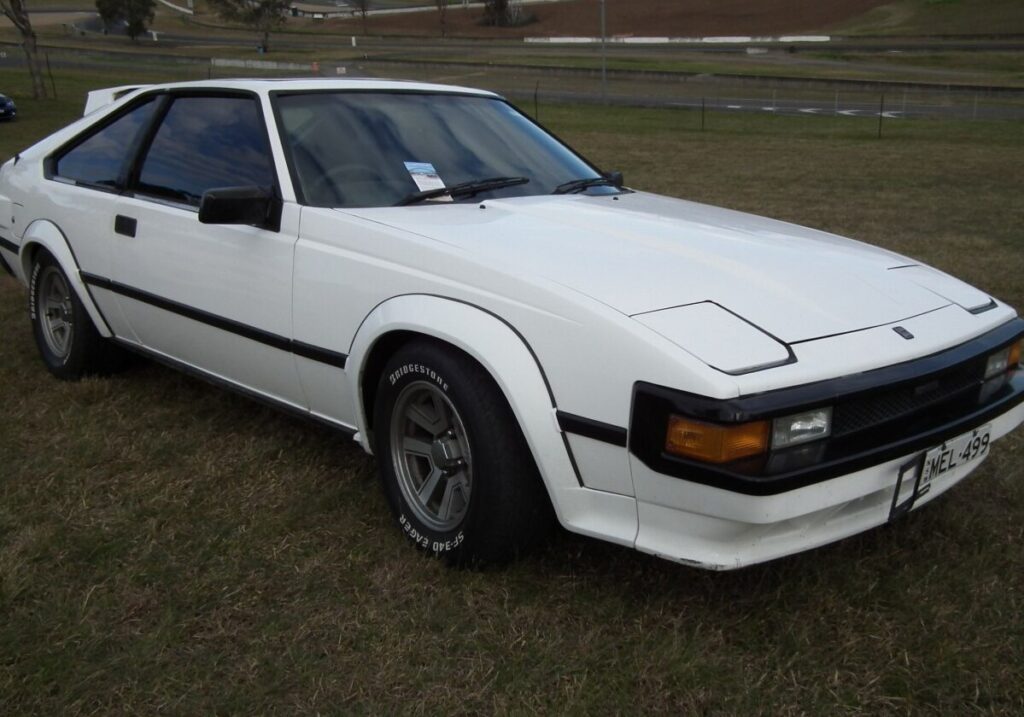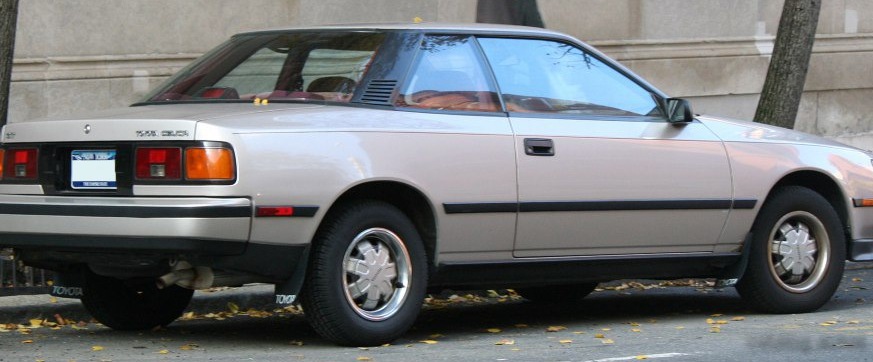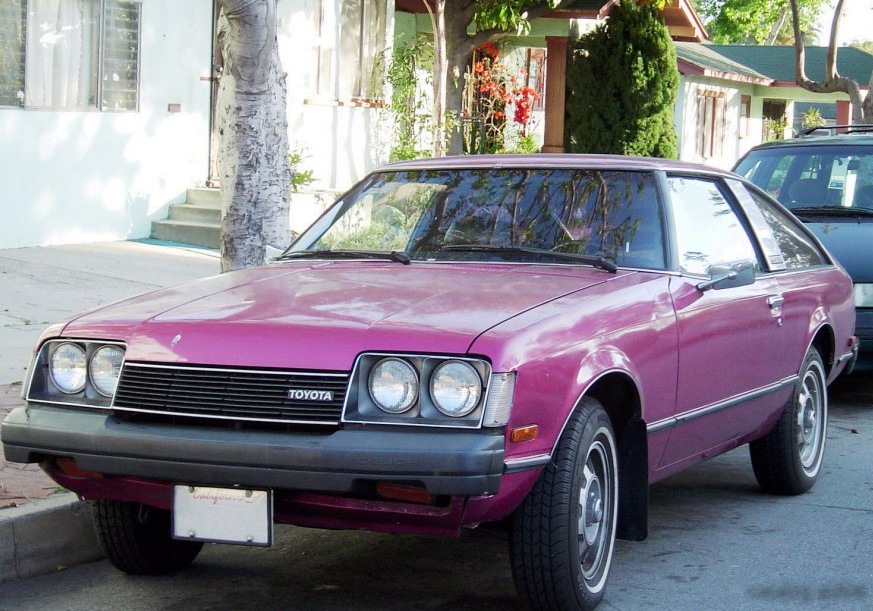
The Toyota Celica 1.6 ST, produced between 1977 and 1982, represents the second generation (TA60, RA40, RA6) of Toyota’s iconic sports coupe. This variant, powered by the 2T engine producing 83 horsepower, served as a more accessible entry point into the Celica range, positioned below the higher-performance models like the GT. The TA60 chassis, introduced in 1977, marked a significant departure from the first-generation Celica, adopting a more sophisticated, European-inspired design and moving to a rear-wheel-drive layout. The 1.6 ST offered a balance of sporty styling, reasonable performance, and affordability, making it a popular choice for buyers seeking a stylish and reliable coupe.
Technical Specifications
| Brand | Toyota |
| Model | Celica |
| Generation | Celica (TA60, RA40, RA6) |
| Type (Engine) | 1.6 ST (83 Hp) |
| Start of production | 1977 |
| End of production | 1982 |
| Powertrain Architecture | Internal Combustion engine |
| Body type | Coupe |
| Seats | 4 |
| Doors | 2 |
| Fuel consumption (combined) | 10.5 l/100 km (22.4 US mpg, 26.9 UK mpg, 9.5 km/l) |
| Fuel Type | Petrol (Gasoline) |
| Acceleration 0 – 100 km/h | 15 sec |
| Acceleration 0 – 62 mph | 15 sec |
| Acceleration 0 – 60 mph | 14.3 sec |
| Maximum speed | 171 km/h (106.25 mph) |
| Weight-to-power ratio | 11.6 kg/Hp, 86.1 Hp/tonne |
| Weight-to-torque ratio | 8.4 kg/Nm, 119.3 Nm/tonne |
| Power | 83 Hp @ 5600 rpm |
| Power per litre | 52.3 Hp/l |
| Torque | 115 Nm @ 4000 rpm (84.82 lb.-ft. @ 4000 rpm) |
| Engine layout | Front, Longitudinal |
| Engine Model/Code | 2T |
| Engine displacement | 1588 cm3 (96.91 cu. in.) |
| Number of cylinders | 4 |
| Engine configuration | Inline |
| Cylinder Bore | 85 mm (3.35 in.) |
| Piston Stroke | 70 mm (2.76 in.) |
| Compression ratio | 9.4:1 |
| Number of valves per cylinder | 2 |
| Fuel injection system | Carburettor |
| Engine aspiration | Naturally aspirated |
| Valvetrain | OHV |
| Engine oil capacity | 4.2 l (4.44 US qt | 3.7 UK qt) |
| Coolant | 7.5 l (7.93 US qt | 6.6 UK qt) |
| Kerb Weight | 964 kg (2125.26 lbs.) |
| Fuel tank capacity | 61 l (16.11 US gal | 13.42 UK gal) |
| Permitted trailer load with brakes (12%) | 1000 kg (2204.62 lbs.) |
| Permitted trailer load without brakes | 399 kg (879.64 lbs.) |
| Length | 4330 mm (170.47 in.) |
| Width | 1635 mm (64.37 in.) |
| Height | 1320 mm (51.97 in.) |
| Wheelbase | 2499 mm (98.39 in.) |
| Front track | 1348 mm (53.07 in.) |
| Ride height (ground clearance) | 155 mm (6.1 in.) |
| Minimum turning circle | 10 m (32.81 ft.) |
| Drivetrain Architecture | Rear wheel drive |
| Number of gears and type of gearbox | 5 gears, manual transmission |
| Front suspension | Independent, type McPherson with coil spring and anti-roll bar |
| Rear suspension | Independent multi-link suspension |
| Front brakes | Disc, 228.6 mm |
| Rear brakes | Drum, 228.6 mm |
| Steering type | Cone worm with recirculation balls |
| Power steering | Hydraulic |
| Wheel rims size | 5J x 13 |
Powertrain & Engine Architecture
The heart of the Celica 1.6 ST is the Toyota 2T engine, a 1.6-liter (1588 cc) inline-four cylinder unit. This engine utilized a single overhead valve (OHV) valvetrain and was fed by a carburetor, a common setup for the era. The 2T engine was known for its relative simplicity and durability, though it lacked the sophistication of fuel injection found in some contemporary engines. Power output was rated at 83 horsepower at 5600 rpm and 115 Nm (84.82 lb-ft) of torque at 4000 rpm. The engine’s longitudinal front-engine, rear-wheel-drive layout was a defining characteristic of the TA60 Celica, providing a balanced driving experience. The 1.6 ST was exclusively offered with a five-speed manual transmission, providing drivers with good control over the engine’s power band.
Driving Characteristics
The Celica 1.6 ST offered a reasonably engaging driving experience, though it wasn’t intended to be a high-performance machine. Acceleration from 0 to 60 mph took around 14.3 seconds, and the top speed was approximately 106.25 mph. The five-speed manual transmission allowed drivers to keep the engine in its optimal power range, but the carburetor could sometimes lead to a slight delay in throttle response. Compared to the Celica GT models with their larger, more powerful engines, the 1.6 ST felt noticeably less potent. However, the lighter weight of the 1.6 ST, combined with the well-tuned suspension, made it a nimble and enjoyable car to drive on winding roads. The rear-wheel-drive configuration contributed to a balanced feel, although it required more driver skill in adverse conditions than front-wheel-drive alternatives.
Equipment & Trim Levels
The Celica 1.6 ST was positioned as the entry-level model in the Celica lineup. Standard features included cloth upholstery, basic instrumentation, and a relatively simple interior design. While not lavishly equipped, the 1.6 ST offered essential comforts such as a heater and defroster. Optional extras included a radio, upgraded sound system, and occasionally, air conditioning, depending on the market. The interior trim was typically functional and durable, prioritizing practicality over luxury. Exterior features included steel wheels with hubcaps, and relatively basic exterior trim.
Chassis & Braking
The Celica 1.6 ST featured an independent McPherson strut front suspension and an independent multi-link rear suspension, providing a comfortable ride and good handling characteristics. The front brakes were disc brakes, while the rear brakes were drum brakes – a common configuration for cars of this era and price point. The steering was a cone worm and recirculation balls system, offering reasonable precision but lacking the feel of more modern steering technologies. The car’s relatively light weight (964 kg or 2125.26 lbs) contributed to its agility and helped to offset the limitations of the braking system.
Market Reception & Comparison
The Celica 1.6 ST was generally well-received by automotive critics as an affordable and stylish coupe. It was praised for its handling, fuel efficiency (around 22.4 US mpg), and overall reliability. However, some reviewers noted that the engine lacked the power of its competitors and that the interior was somewhat basic. Compared to the Celica GT models, the 1.6 ST offered a more economical option for buyers who prioritized fuel economy and affordability over outright performance. It also competed with other coupes in its class, such as the Ford Mustang and Chevrolet Camaro, though the Celica offered a more refined and fuel-efficient alternative.
Legacy
The Toyota Celica 1.6 ST, while not the most powerful or luxurious variant of its generation, remains a popular choice among classic car enthusiasts. The 2T engine is known for its durability and relative ease of maintenance, making it a reliable powerplant for restoration projects. The rear-wheel-drive configuration and sporty styling continue to appeal to drivers who appreciate a classic driving experience. Today, well-maintained examples of the Celica 1.6 ST are becoming increasingly collectible, representing a significant piece of Toyota’s automotive history. The car’s enduring appeal lies in its blend of style, reliability, and affordability, making it a timeless classic.