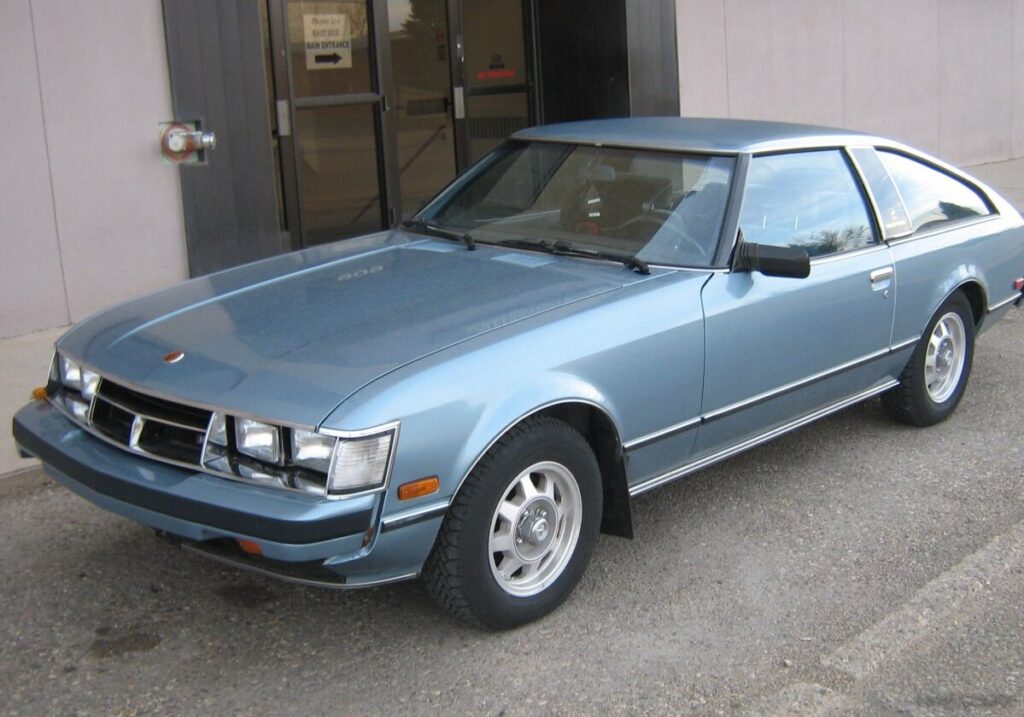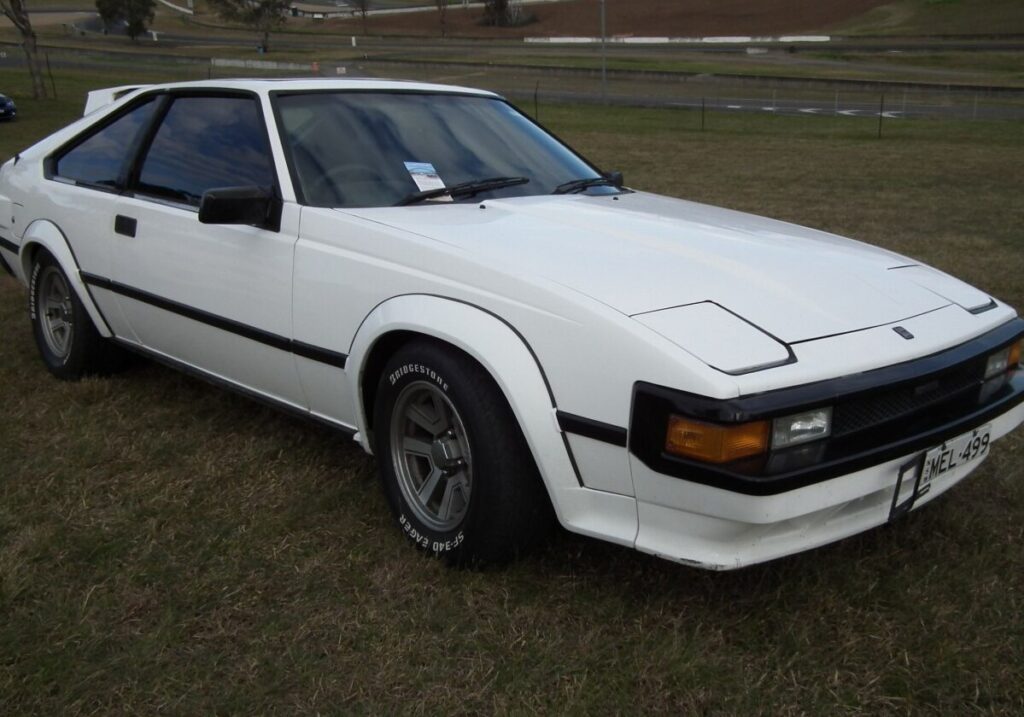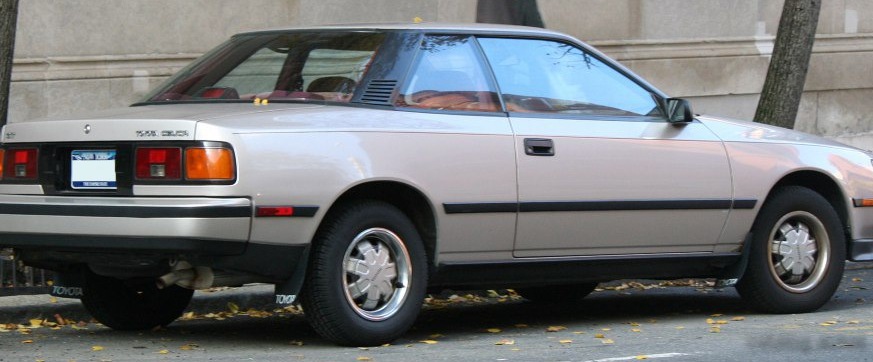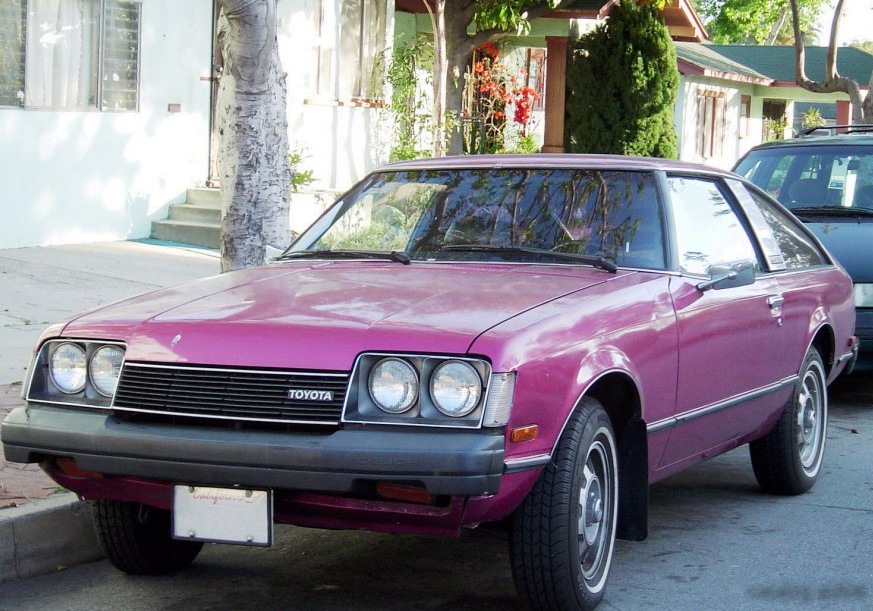
The Toyota Celica 2.0 XT (RA40), produced between 1979 and 1981, represents a key iteration within the second generation (TA60, RA40, RA6) of Toyota’s iconic sports coupe. Positioned as a mid-range offering in the Celica lineup, the 2.0 XT aimed to balance performance with affordability, appealing to buyers seeking a stylish and relatively economical personal vehicle. This generation Celica marked a significant departure from the first, adopting a more angular and modern design, and moving towards a more sophisticated engineering approach. The RA40 chassis code specifically denotes the coupe body style paired with the 18R engine.
Technical Specifications
| Brand | Toyota |
| Model | Celica |
| Generation | Celica (TA60, RA40, RA6) |
| Type (Engine) | 2.0 XT (RA40) (90 Hp) |
| Start of Production | 1979 |
| End of Production | 1981 |
| Powertrain Architecture | Internal Combustion Engine |
| Body Type | Coupe |
| Fuel Type | Petrol (Gasoline) |
| Power | 90 Hp |
| Engine Model/Code | 18R |
| Engine Aspiration | Naturally Aspirated |
| Engine Oil Capacity | 4.8 l (5.07 US qt | 4.22 UK qt) |
| Coolant Capacity | 8.2 l (8.66 US qt | 7.21 UK qt) |
Powertrain & Engine Architecture
The heart of the Celica 2.0 XT (RA40) is the 18R engine, a 1.995-liter (2.0L) inline-four cylinder gasoline engine. This engine is a naturally aspirated, overhead valve (OHV) design. The 18R featured a cast iron block and cylinder head, contributing to its durability. Fuel delivery was managed by a two-barrel carburetor, a common setup for the era. While not particularly advanced by modern standards, this carburetor provided adequate fuel atomization for the engine’s modest power output. The engine’s valvetrain utilized a single overhead camshaft, operating two valves per cylinder. The 18R was known for its relative simplicity and ease of maintenance. The transmission paired with the 2.0 XT was a three-speed automatic, offering convenient operation but sacrificing some of the performance potential available with the available five-speed manual transmission.
Driving Characteristics
The Celica 2.0 XT with the automatic transmission delivered a comfortable, if not particularly exhilarating, driving experience. The 90 horsepower output, while sufficient for everyday driving, wasn’t substantial, resulting in a 0-60 mph time estimated around 12-14 seconds. The three-speed automatic transmission featured relatively widely spaced gear ratios. First gear provided adequate launch, but the shifts weren’t particularly crisp or quick. The automatic transmission prioritized smooth operation over aggressive acceleration. Compared to the five-speed manual version, the automatic noticeably diminished the car’s responsiveness. The manual transmission allowed the engine to rev higher and stay within its powerband more effectively. The 2.0 XT’s suspension, while tuned for comfort, provided reasonably stable handling, though it wasn’t as sporty as some of its competitors. The car felt planted on the highway, but lacked the sharp turn-in response of more performance-oriented coupes.
Equipment & Trim Levels
The Celica 2.0 XT (RA40) occupied a middle ground in the Celica trim hierarchy. Standard equipment typically included cloth upholstery, a basic AM/FM radio, and a steering wheel. Power steering wasn’t standard, but was often included as an option. Air conditioning was also a popular optional extra, particularly in warmer climates. The interior design was functional and straightforward, reflecting the car’s overall focus on practicality. The dashboard featured a simple instrument cluster with a speedometer, fuel gauge, and temperature gauge. Optional extras could include upgraded sound systems, tinted glass, and a sunroof. The exterior trim generally consisted of chrome bumpers and relatively simple body-colored accents. The 2.0 XT didn’t receive the same level of luxurious appointments as the higher-end Celica models.
Chassis & Braking
The Celica 2.0 XT (RA40) utilized a rear-wheel-drive layout, a characteristic common to many sports coupes of the era. The suspension consisted of independent front suspension with MacPherson struts and a live rear axle with leaf springs. This setup provided a reasonable balance between ride comfort and handling. Braking was accomplished via disc brakes on the front wheels and drum brakes on the rear wheels. The braking system was adequate for normal driving conditions, but lacked the stopping power of more modern braking systems. The car’s relatively light weight helped to mitigate the limitations of the drum brakes. Stabilizer bars were typically included on both the front and rear axles, helping to reduce body roll during cornering. The chassis was a unibody construction, providing a good level of structural rigidity.
Market Reception & Comparison
The Celica 2.0 XT (RA40) was generally well-received by automotive critics as a stylish and affordable coupe. However, the automatic transmission version was often criticized for its lack of performance compared to the manual transmission models. Fuel economy was considered reasonable for the time, averaging around 22-26 mpg in combined driving. Compared to other coupes in its class, such as the Ford Mustang and Chevrolet Camaro, the Celica offered a more refined and fuel-efficient driving experience. The 1.8L models, being the entry-level trims, were often seen as a better value for buyers prioritizing economy, while the 2.0 XT offered a slight performance upgrade. Reliability was generally good, typical of Toyota products of this era, though maintenance costs could increase with age due to the availability of parts.
Legacy
The Toyota Celica 2.0 XT (RA40) has become a popular classic car among enthusiasts. The 18R engine is known for its durability and relative simplicity, making it a relatively easy engine to maintain and repair. However, finding original parts can be challenging. The automatic transmission version, while not as sought after as the manual transmission models, remains a viable option for buyers seeking a comfortable and stylish classic coupe. The car’s enduring appeal lies in its combination of classic styling, Toyota reliability, and relatively affordable price point. Today, well-maintained examples of the Celica 2.0 XT (RA40) command a growing following in the classic car market, representing a nostalgic reminder of the golden age of Japanese sports coupes.