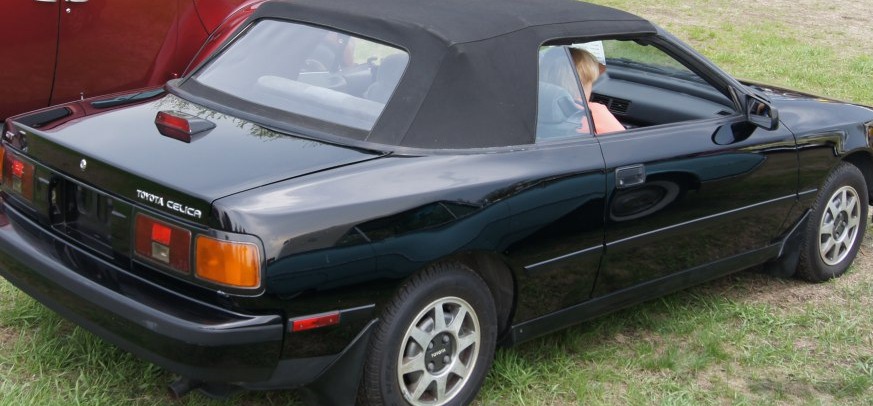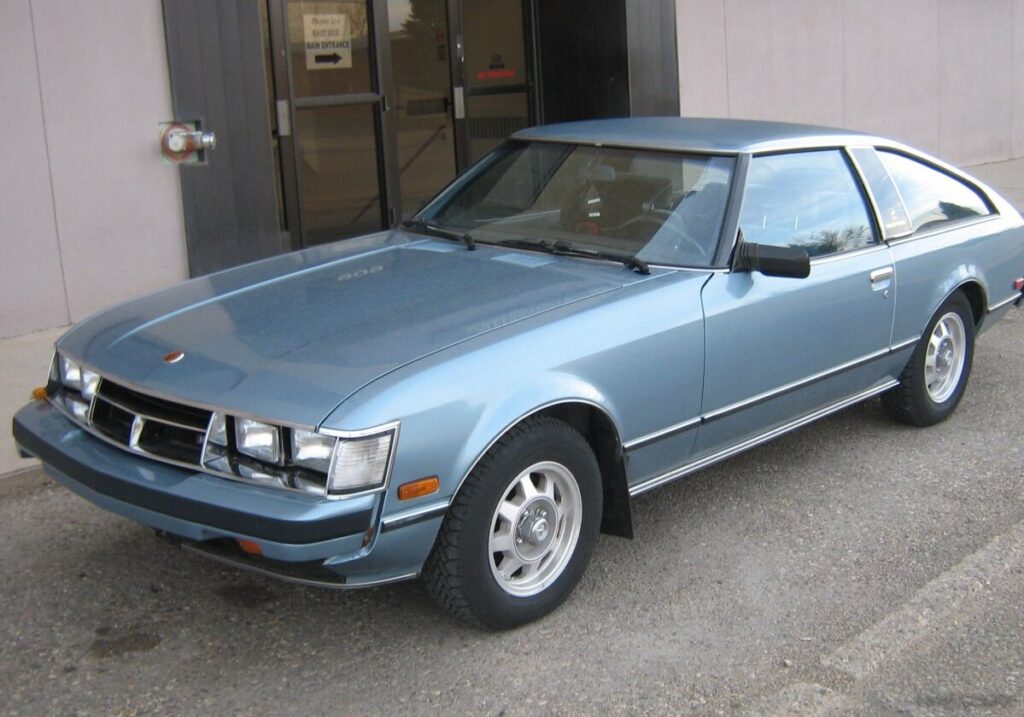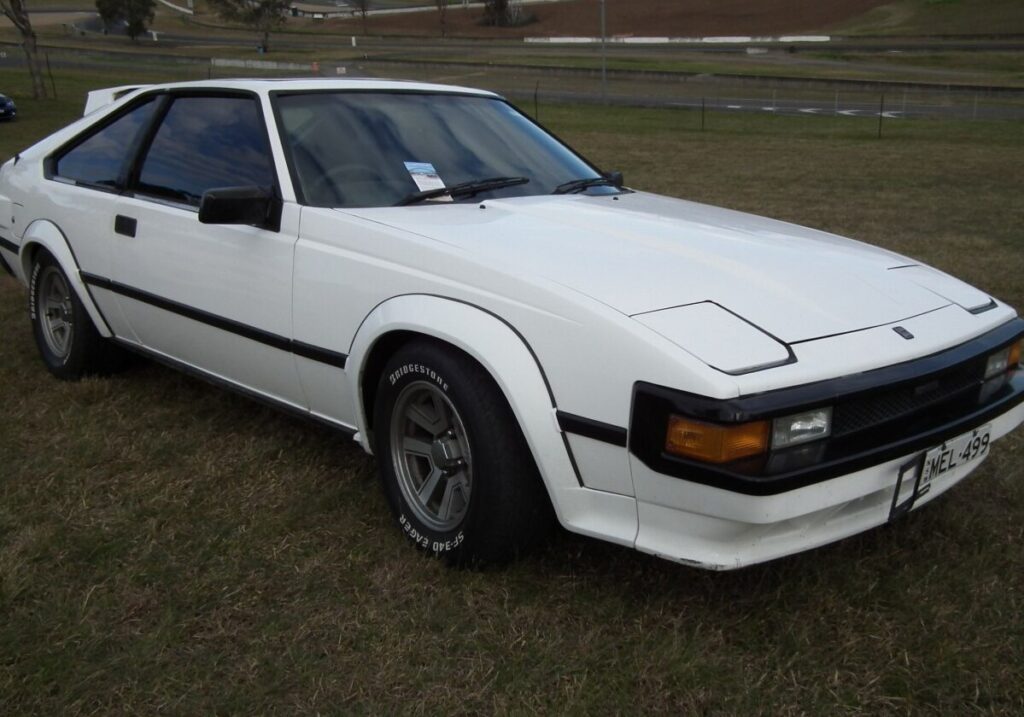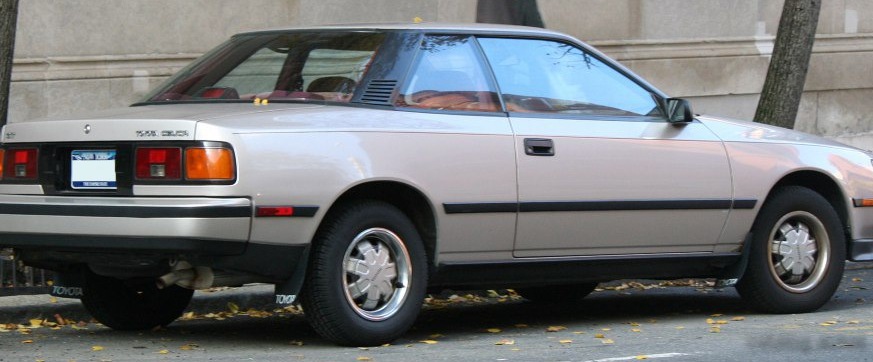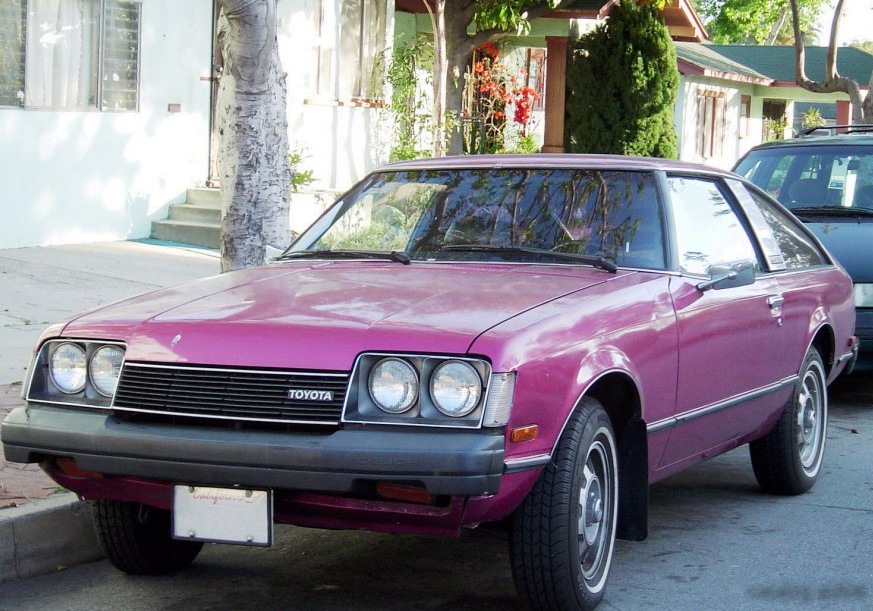
The Toyota Celica 2.0 XT (RA61), produced between 1982 and 1985, represents a significant iteration of the second-generation Celica (TA60, RA40, RA6). Falling within the broader TA60 chassis family, the RA61 specifically denotes the coupe body style equipped with the 2.0-liter 21R engine. This variant occupied a mid-range position within the Celica lineup, offering a balance between performance and affordability, appealing to buyers seeking a sporty coupe with improved power over the base models. It was a key model in Toyota’s strategy to establish the Celica as a genuine competitor to other popular sports coupes of the era, like the Ford Mustang and Nissan Z series.
Technical Specifications
| Brand | Toyota |
| Model | Celica |
| Generation | Celica (TA60, RA40, RA6) |
| Type (Engine) | 2.0 XT (RA61) (105 Hp) |
| Start of Production | 1982 |
| End of Production | 1985 |
| Powertrain Architecture | Internal Combustion Engine |
| Body Type | Coupe |
| Fuel Type | Petrol (Gasoline) |
| Power | 105 Hp |
| Engine Model/Code | 21R |
| Engine Aspiration | Naturally Aspirated |
| Engine Oil Capacity | 4.3 l (4.54 US qt | 3.78 UK qt) |
| Coolant Capacity | 7.5 l (7.93 US qt | 6.6 UK qt) |
Powertrain & Engine Architecture
The heart of the Celica 2.0 XT (RA61) is the 21R engine, a 2.0-liter (1998cc) inline-four cylinder gasoline engine. This engine is a naturally aspirated, overhead valve (OHV) design, known for its durability and relatively simple maintenance. The 21R featured a cast iron block and cylinder head, contributing to its robustness. Fuel delivery was managed by a carburetor, specifically the Aisan 2835A, a two-barrel unit. While not as sophisticated as fuel injection systems found in some contemporary vehicles, the carburetor provided adequate fuel atomization for the engine’s output. The engine’s valvetrain employed a single overhead camshaft operating two valves per cylinder. The 21R produced 105 horsepower at 5,200 rpm and 117 lb-ft of torque at 3,200 rpm. The transmission paired with the 2.0 XT was typically a four-speed automatic, although a five-speed manual transmission was also available as an option. The automatic transmission, while offering convenience, was geared more towards comfortable cruising than outright performance.
Driving Characteristics
The Celica 2.0 XT (RA61) with the automatic transmission delivered a driving experience focused on smooth, relaxed cruising. Acceleration was adequate for the time, with a 0-60 mph time estimated around 11-12 seconds. The automatic transmission’s gear ratios were optimized for fuel economy and drivability, rather than aggressive acceleration. Compared to the five-speed manual version, the automatic suffered a noticeable performance deficit, particularly in terms of responsiveness. The manual transmission allowed the driver to keep the engine in its optimal power band, resulting in quicker acceleration and a more engaging driving experience. However, the automatic provided a more comfortable and user-friendly experience for daily commuting and highway driving. The suspension, while not particularly sophisticated, provided a reasonable balance between ride comfort and handling. The car felt stable and predictable in corners, but lacked the sharp handling characteristics of more performance-oriented coupes.
Equipment & Trim Levels
The 2.0 XT trim level offered a step up in features compared to the base Celica models. Standard equipment typically included cloth upholstery, a basic AM/FM radio, and full wheel covers. Power steering was often included, enhancing ease of maneuverability. Optional extras included air conditioning, a more advanced stereo system, and upgraded interior trim. The interior design was functional and straightforward, with a focus on ergonomics. The dashboard featured a simple layout with clearly marked gauges. The seats provided adequate support for both driver and passenger. The overall interior ambiance was typical of early 1980s Japanese automobiles – durable, practical, and not overly luxurious.
Chassis & Braking
The Celica 2.0 XT (RA61) utilized a rear-wheel-drive layout, a configuration common for sports coupes of the era. The chassis consisted of a body-on-frame construction, providing a robust and durable platform. The front suspension employed independent MacPherson struts, while the rear suspension utilized a live axle with leaf springs. This suspension setup provided a comfortable ride, but wasn’t particularly sophisticated in terms of handling. The braking system consisted of disc brakes on the front wheels and drum brakes on the rear wheels. Power assist was standard. While adequate for normal driving conditions, the braking system lacked the stopping power and fade resistance of more modern braking systems. Stabilizer bars were included on both the front and rear axles, helping to reduce body roll during cornering.
Market Reception & Comparison
The Celica 2.0 XT (RA61) was generally well-received by automotive critics. It was praised for its reliability, durability, and relatively affordable price. However, some critics noted that the automatic transmission detracted from the car’s sporty image. Compared to the base Celica models, the 2.0 XT offered a significant performance upgrade, making it a more appealing option for buyers seeking a more engaging driving experience. Compared to the higher-performance Celica Supra, the 2.0 XT was less powerful and lacked the Supra’s more sophisticated suspension and braking systems. However, the 2.0 XT was also significantly more affordable than the Supra. Fuel economy was reasonable for the time, averaging around 22-26 mpg in combined driving conditions. Reliability was a strong point, with the 21R engine proving to be exceptionally durable.
Legacy
The Toyota Celica 2.0 XT (RA61) has maintained a modest following among classic car enthusiasts. The 21R engine is known for its longevity and relatively simple maintenance requirements, making it a popular choice for restoration projects. Parts availability is generally good, although some trim-specific components can be difficult to find. Today, these Celicas are often found in good condition, having benefited from Toyota’s reputation for building reliable vehicles. While not a highly sought-after collector’s item, the 2.0 XT represents a significant chapter in the Celica’s history, offering a blend of style, affordability, and reliability that appealed to a wide range of buyers in the early 1980s. The automatic transmission version, while not the most performance-oriented, remains a comfortable and enjoyable classic coupe for those seeking a taste of 1980s Japanese automotive engineering.