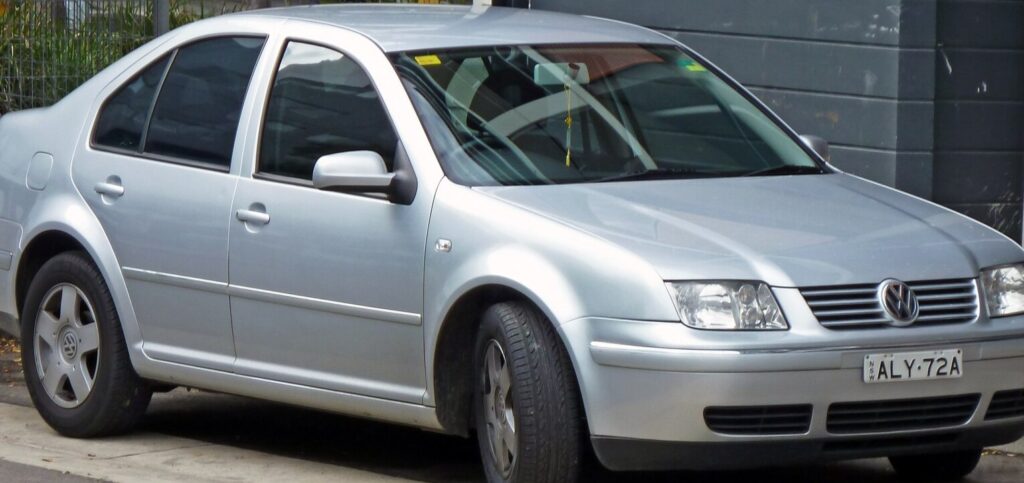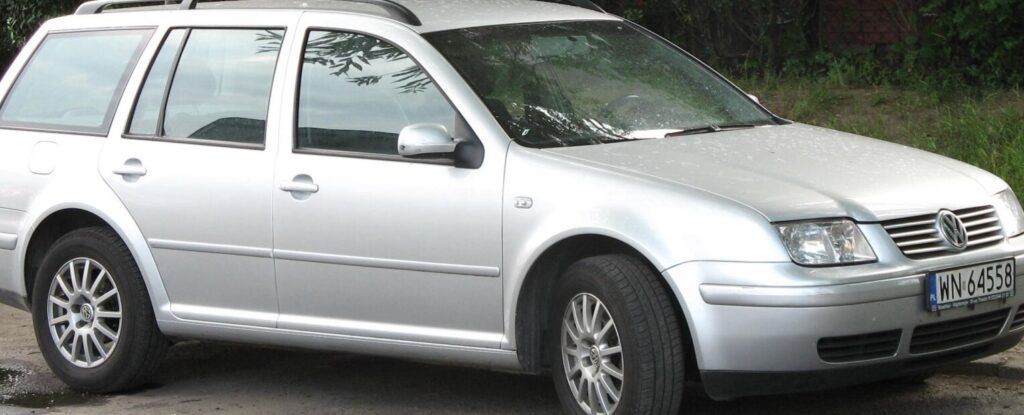
The Volkswagen Bora Variant 2.3 VR5 4MOTION, produced between 1999 and 2005, represents a unique offering within the Bora (Jetta in North America) lineup. Based on the Golf Mk4’s 1J platform – specifically the 1J6 designation for the Variant (wagon) – this model combined the distinctive five-cylinder engine with Volkswagen’s 4MOTION all-wheel-drive system. Positioned as a premium trim level, it catered to buyers seeking a practical, yet relatively sporty, estate car with enhanced all-weather capability. The Bora Variant itself was Volkswagen’s attempt to offer a more sophisticated and upscale wagon compared to the more utilitarian offerings from some competitors, aiming for a blend of practicality and driving enjoyment.
Technical Specifications
| Brand | Volkswagen |
| Model | Bora |
| Generation | Bora Variant (1J6) |
| Type (Engine) | 2.3 VR5 (150 Hp) 4MOTION |
| Start of production | 1999 |
| End of production | 2005 |
| Powertrain Architecture | Internal Combustion engine |
| Body type | Station wagon (estate) |
| Seats | 5 |
| Doors | 5 |
| Fuel consumption (urban) | 14.9 l/100 km (15.8 US mpg, 19 UK mpg, 6.7 km/l) |
| Fuel consumption (extra urban) | 8 l/100 km (29.4 US mpg, 35.3 UK mpg, 12.5 km/l) |
| Fuel consumption (combined) | 10.5 l/100 km (22.4 US mpg, 26.9 UK mpg, 9.5 km/l) |
| Fuel Type | Petrol (Gasoline) |
| Acceleration 0 – 100 km/h | 10.1 sec |
| Acceleration 0 – 62 mph | 10.1 sec |
| Acceleration 0 – 60 mph | 9.6 sec |
| Maximum speed | 211 km/h (131.11 mph) |
| Weight-to-power ratio | 9.9 kg/Hp, 101.4 Hp/tonne |
| Weight-to-torque ratio | 7.2 kg/Nm, 138.5 Nm/tonne |
| Power | 150 Hp @ 6000 rpm |
| Power per litre | 64.5 Hp/l |
| Torque | 205 Nm @ 3200 rpm (151.2 lb.-ft. @ 3200 rpm) |
| Engine layout | Front, Transverse |
| Engine Model/Code | AGZ |
| Engine displacement | 2324 cm3 (141.82 cu. in.) |
| Number of cylinders | 5 |
| Engine configuration | V-engine |
| Cylinder Bore | 81 mm (3.19 in.) |
| Piston Stroke | 90.2 mm (3.55 in.) |
| Compression ratio | 10:1 |
| Number of valves per cylinder | 2 |
| Fuel injection system | Multi-port manifold injection |
| Engine aspiration | Naturally aspirated engine |
| Valvetrain | OHC |
| Engine oil capacity | 3.9 l (4.12 US qt | 3.43 UK qt) |
| Coolant | 9 l (9.51 US qt | 7.92 UK qt) |
| Kerb Weight | 1480 kg (3262.84 lbs.) |
| Max. weight | 1965 kg (4332.08 lbs.) |
| Max load | 485 kg (1069.24 lbs.) |
| Trunk (boot) space – minimum | 360 l (12.71 cu. ft.) |
| Trunk (boot) space – maximum | 1370 l (48.38 cu. ft.) |
| Fuel tank capacity | 62 l (16.38 US gal | 13.64 UK gal) |
| Length | 4409 mm (173.58 in.) |
| Width | 1735 mm (68.31 in.) |
| Height | 1485 mm (58.46 in.) |
| Wheelbase | 2515 mm (99.02 in.) |
| Front track | 1513 mm (59.57 in.) |
| Rear (Back) track | 1494 mm (58.82 in.) |
| Drive wheel | All wheel drive (4×4) |
| Number of gears and type of gearbox | 6 gears, manual transmission |
| Front suspension | Independent, type McPherson with coil spring and anti-roll bar |
| Rear suspension | Semi-independent, coil spring |
| Front brakes | Ventilated discs |
| Rear brakes | Disc |
| Assisting systems | ABS (Anti-lock braking system) |
| Steering type | Steering rack and pinion |
| Power steering | Hydraulic Steering |
| Tires size | 205/55 R16 |
| Wheel rims size | 6.5J x 16 |
Powertrain & Engine Architecture
The heart of the Bora Variant 2.3 VR5 4MOTION is the AGZ engine code, a 2.3-liter naturally aspirated V5 engine. This engine is a unique design, featuring a narrow-angle V configuration – essentially two inline-three cylinder blocks sharing a common cylinder head. This layout allowed for a relatively compact engine compared to a traditional V6. The AGZ utilizes multi-port fuel injection and a single overhead camshaft (OHC) per cylinder bank. The engine produces 150 horsepower at 6000 rpm and 205 Nm (151.2 lb-ft) of torque at 3200 rpm. The six-speed manual transmission was standard, providing a good balance between performance and fuel economy. The 4MOTION system is a Torsen-based all-wheel-drive system, providing a variable distribution of torque between the front and rear axles, enhancing traction in various conditions.
Driving Characteristics
The 2.3 VR5 4MOTION Bora Variant offered a distinct driving experience. While not overtly sporty, the engine provided adequate power for comfortable cruising and overtaking. The 0-60 mph time of around 9.6 seconds and a top speed of 131 mph were respectable for the era. The six-speed manual transmission allowed drivers to keep the engine in its optimal power band. The 4MOTION system significantly improved handling and stability, particularly on slippery surfaces. Compared to the base 1.6 or 1.8-liter models, the VR5 offered a noticeable performance upgrade, but it wasn’t as focused on outright speed as the later, turbocharged variants. The manual gearbox provided a more engaging driving experience than the optional automatic transmission, which could feel somewhat sluggish.
Equipment & Trim Levels
The Bora Variant 2.3 VR5 4MOTION typically came well-equipped, reflecting its position as a premium trim. Standard features included air conditioning, power windows and mirrors, central locking, and an upgraded audio system. Interior upholstery was typically cloth, but leather options were available. Optional extras included sunroof, heated seats, alloy wheels, and a more advanced navigation system. The dashboard layout was typical of the Mk4 Golf/Bora, with a functional and relatively understated design. The wagon body style, of course, provided a significant advantage in terms of cargo space and versatility.
Chassis & Braking
The Bora Variant’s chassis featured independent McPherson strut suspension at the front and a semi-independent coil spring suspension at the rear. The VR5 4MOTION models often received slightly stiffer suspension components to handle the increased weight and power. Braking consisted of ventilated discs at the front and solid discs at the rear, with ABS (Anti-lock Braking System) as standard. The 4MOTION system added to the vehicle’s stability during braking, particularly on uneven surfaces.
Market Reception & Comparison
The Bora Variant 2.3 VR5 4MOTION was generally well-received by automotive critics. It was praised for its comfortable ride, spacious interior, and the added security of all-wheel drive. However, some reviewers noted that the engine, while pleasant, wasn’t particularly exciting. Compared to the more common 1.8-liter turbocharged models, the VR5 offered a different character – smoother power delivery and a unique engine sound. Fuel economy was a concern for some, as the 2.3-liter engine consumed more fuel than the smaller displacement options. Reliability was generally good, although the complex VR5 engine could be more expensive to maintain than simpler four-cylinder units.
Legacy
The Volkswagen Bora Variant 2.3 VR5 4MOTION remains a relatively uncommon but sought-after vehicle in the used car market. The VR5 engine has a dedicated following, and the combination of all-wheel drive and wagon practicality makes it an appealing choice for enthusiasts. While maintenance costs can be higher than for more mainstream models, the VR5’s unique character and relative rarity contribute to its enduring appeal. The 4MOTION system continues to provide reliable all-weather performance, and well-maintained examples can still offer years of enjoyable driving.