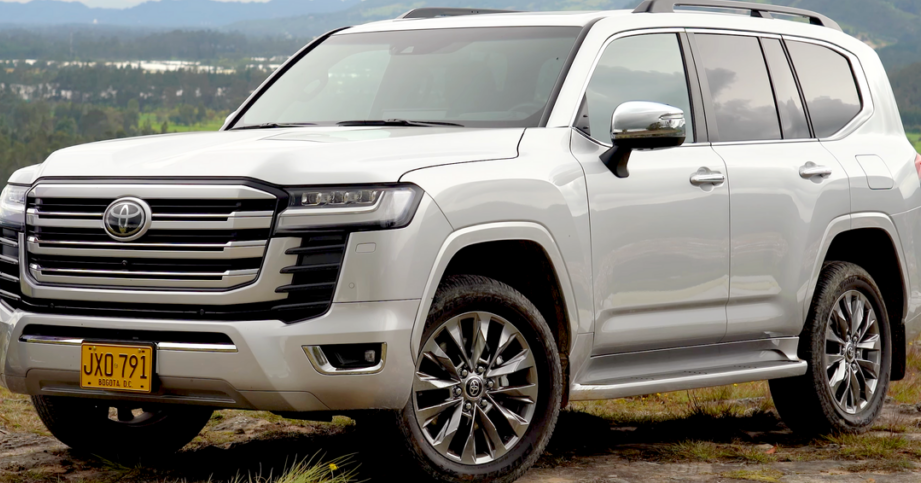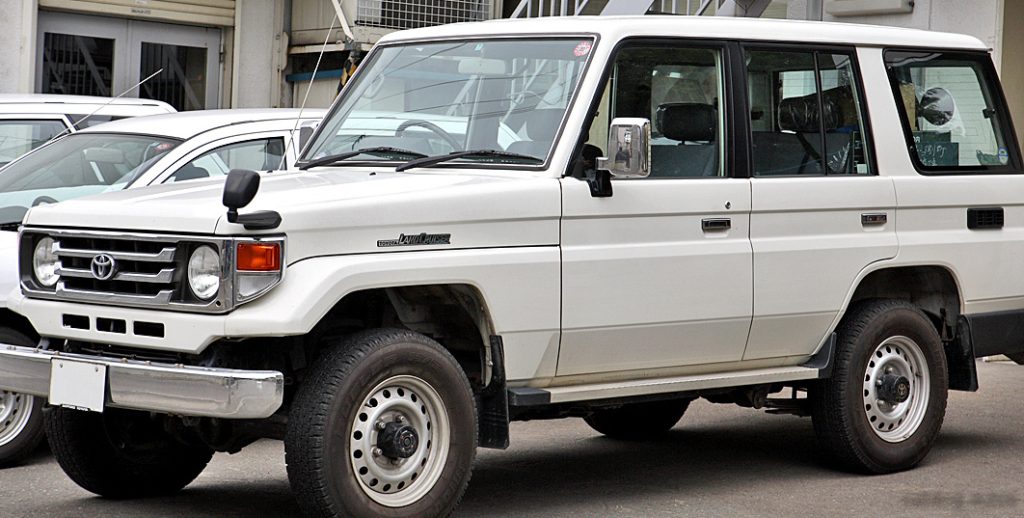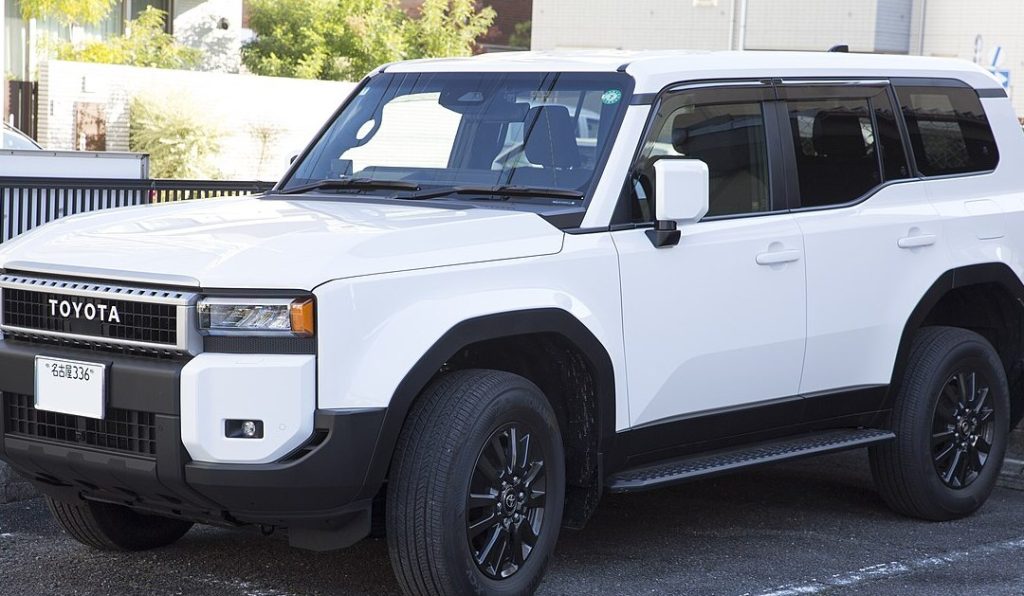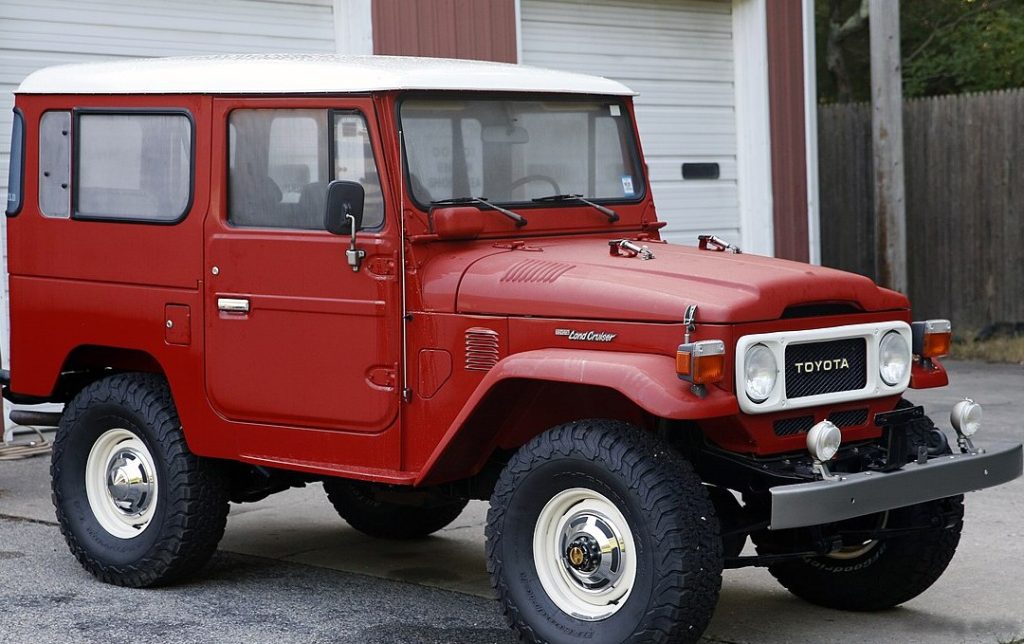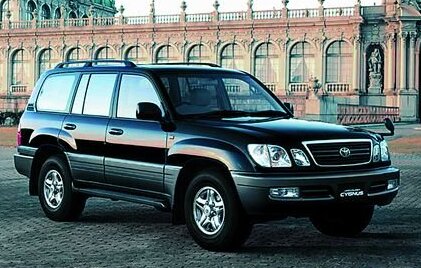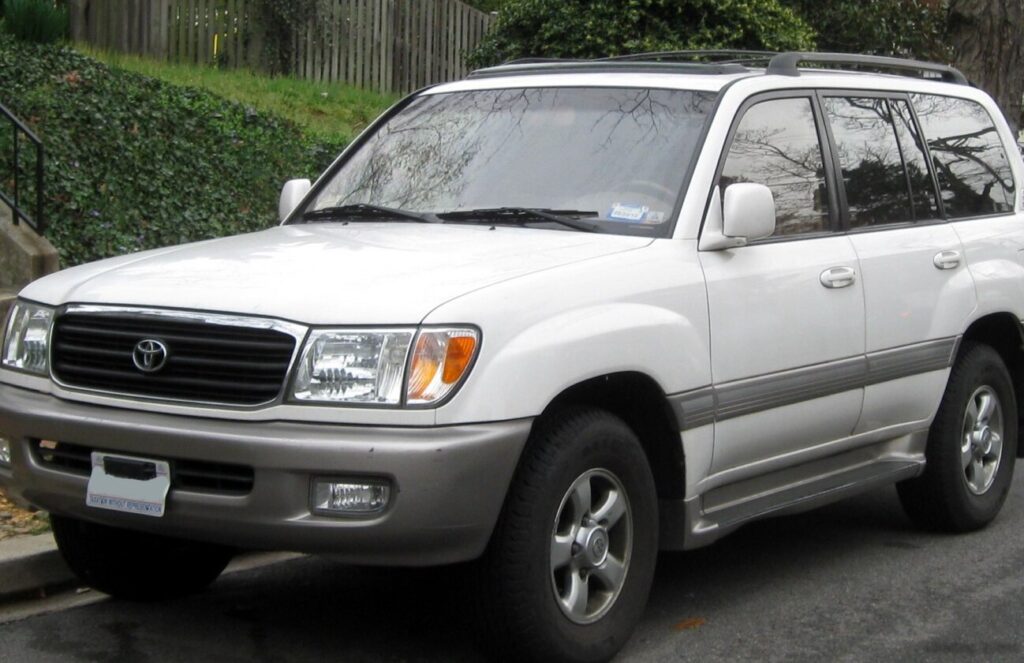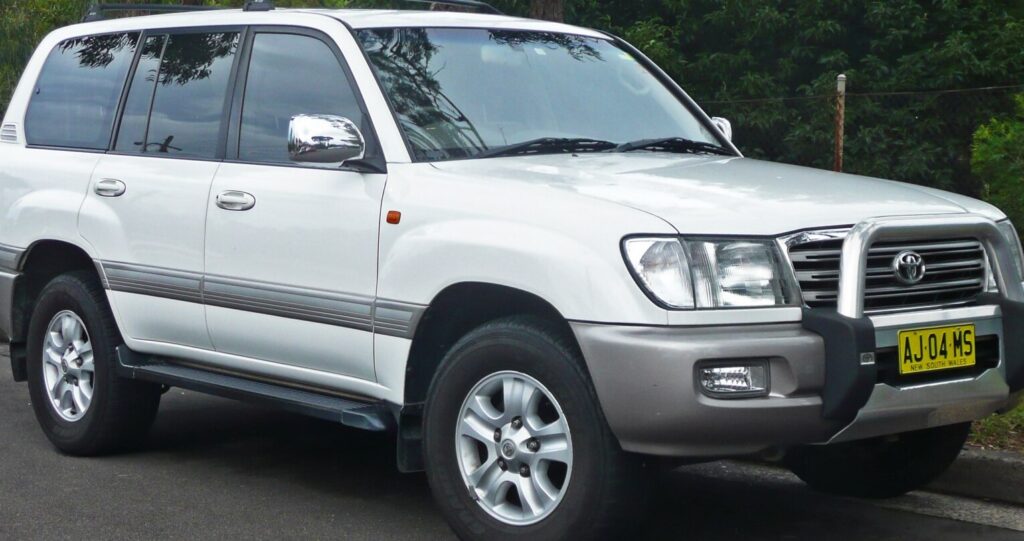
The Toyota Land Cruiser J100, particularly the facelifted version produced from 2002 to 2007, represented a significant evolution in Toyota’s long-standing tradition of building capable and reliable off-road vehicles. This generation, internally designated as the J100 series, aimed to blend traditional Land Cruiser ruggedness with increased refinement and on-road comfort. The 4.2 TD variant, powered by the 1HD-FTE engine producing 204 horsepower, was a key offering in many international markets, though less common in the United States due to emissions regulations and the preference for larger gasoline engines. This diesel model occupied a middle ground in the J100 lineup, offering a balance between fuel efficiency, towing capacity, and off-road capability, appealing to buyers who prioritized practicality and durability over outright speed.
Technical Specifications
| Brand | Toyota |
| Model | Land Cruiser |
| Generation | Land Cruiser (J100, facelift 2002) |
| Type (Engine) | 4.2 TD (204 Hp) 4WD |
| Start of production | 2002 |
| End of production | 2007 |
| Powertrain Architecture | Internal Combustion engine |
| Body type | SUV |
| Seats | 5-7 |
| Doors | 5 |
| Fuel consumption (urban) | 14.4 l/100 km (16.3 US mpg, 19.6 UK mpg, 6.9 km/l) |
| Fuel consumption (extra urban) | 9.3 l/100 km (25.3 US mpg, 30.4 UK mpg, 10.8 km/l) |
| Fuel consumption (combined) | 11.1 l/100 km (21.2 US mpg, 25.4 UK mpg, 9 km/l) |
| CO2 emissions | 292 g/km |
| Fuel Type | Diesel |
| Acceleration 0 – 100 km/h | 13.6 sec |
| Acceleration 0 – 62 mph | 13.6 sec |
| Acceleration 0 – 60 mph | 12.9 sec |
| Maximum speed | 170 km/h (105.63 mph) |
| Weight-to-power ratio | 12 kg/Hp, 83.4 Hp/tonne |
| Weight-to-torque ratio | 5.7 kg/Nm, 175.9 Nm/tonne |
| Power | 204 Hp |
| Power per litre | 49 Hp/l |
| Torque | 430 Nm @ 1200-3200 rpm (317.15 lb.-ft. @ 1200-3200 rpm) |
| Engine layout | Front, Longitudinal |
| Engine Model/Code | 1HD-FTE |
| Engine displacement | 4164 cm3 (254.1 cu. in.) |
| Number of cylinders | 6 |
| Engine configuration | Inline |
| Cylinder Bore | 94 mm (3.7 in.) |
| Piston Stroke | 100 mm (3.94 in.) |
| Compression ratio | 18.8:1 |
| Number of valves per cylinder | 4 |
| Fuel injection system | Direct injection |
| Engine aspiration | Turbocharger, Intercooler |
| Valvetrain | SOHC |
| Engine oil capacity | 11.4 l (12.05 US qt, 10.03 UK qt) |
| Coolant | 13.7 l (14.48 US qt, 12.05 UK qt) |
| Kerb Weight | 2445-2640 kg (5390.3 – 5820.2 lbs.) |
| Max. weight | 3260 kg (7187.07 lbs.) |
| Max load | 620-815 kg (1366.87 – 1796.77 lbs.) |
| Trunk (boot) space – minimum | 1318 l (46.54 cu. ft.) |
| Trunk (boot) space – maximum | 2212 l (78.12 cu. ft.) |
| Fuel tank capacity | 96 l (25.36 US gal, 21.12 UK gal) |
| Max. roof load | 100 kg (220.46 lbs.) |
| Permitted trailer load with brakes (12%) | 3500 kg (7716.18 lbs.) |
| Permitted trailer load without brakes | 750 kg (1653.47 lbs.) |
| Permitted towbar download | 140 kg (308.65 lbs.) |
| Length | 4890 mm (192.52 in.) |
| Width | 1940 mm (76.38 in.) |
| Height | 1880 mm (74.02 in.) |
| Wheelbase | 2850 mm (112.2 in.) |
| Front track | 1620 mm (63.78 in.) |
| Rear (Back) track | 1615 mm (63.58 in.) |
| Ride height (ground clearance) | 220 mm (8.66 in.) |
| Minimum turning circle | 12.6 m (41.34 ft.) |
| Approach angle | 34° |
| Departure angle | 26° |
| Ramp-over angle | 25° |
| Climb angle | 45° |
| Wading depth | 700 mm (27.56 in.) |
| Drivetrain Architecture | The Internal combustion engine (ICE) drives permanently the four wheels of the vehicle. |
| Drive wheel | All wheel drive (4×4) |
| Number of gears and type of gearbox | 5 gears, manual transmission |
| Front suspension | Independent torsion bar, double wishbone, Transverse stabilizer |
| Rear suspension | Rigid axle suspension, Transverse stabilizer, Coil spring |
| Front brakes | Ventilated discs |
| Rear brakes | Ventilated discs |
| Assisting systems | ABS (Anti-lock braking system) |
| Steering type | Steering rack and pinion |
| Power steering | Hydraulic Steering |
| Tires size | 275/65 R17; 275/60 R18 |
| Wheel rims size | 8J x 17; 8J x 18 |
Powertrain & Engine Architecture
The heart of the 4.2 TD Land Cruiser is the 1HD-FTE engine, a 4.2-liter inline-six diesel. This engine is renowned for its durability and relatively simple mechanical design. The ‘FTE’ designation indicates a factory-turbocharged and intercooled version, significantly boosting power and torque compared to naturally aspirated predecessors. The 1HD-FTE utilizes a direct injection system, injecting fuel directly into the combustion chamber under extremely high pressure. This, combined with the turbocharger and intercooler, allows for efficient combustion and a broad torque curve. The engine features a single overhead camshaft (SOHC) valvetrain, contributing to its robustness. The 4.2 TD was typically paired with a 5-speed manual transmission, although a 4-speed automatic transmission was also available, impacting performance and fuel economy. The automatic, while offering convenience, generally resulted in slightly slower acceleration and increased fuel consumption.
Driving Characteristics
The 4.2 TD Land Cruiser, particularly with the manual transmission, offered a capable and confident driving experience. While not a sports car, the engine’s substantial 430 Nm (317 lb-ft) of torque provided ample pulling power, especially at low to mid-range RPMs. This made it excellent for towing and navigating challenging terrain. The automatic transmission, while smooth, dulled the engine’s responsiveness somewhat. Gear ratios were optimized for off-road crawling and highway cruising, rather than rapid acceleration. Compared to the gasoline-powered Land Cruisers, the 4.2 TD offered significantly better fuel economy, making it a popular choice for long-distance travel. However, it lacked the outright power and refinement of the larger V8 engines available in some markets.
Equipment & Trim Levels
The 4.2 TD Land Cruiser typically came with a respectable level of standard equipment, though features varied depending on the specific market. Common features included air conditioning, power windows and locks, and a basic audio system. Higher trim levels added features such as leather upholstery, sunroof, upgraded audio systems, and woodgrain interior trim. The J100 facelift introduced improvements to the interior design and materials, enhancing the overall sense of quality. Optional extras included a rear air suspension system, which improved ride comfort and allowed for adjustable ride height, and a navigation system.
Chassis & Braking
The J100 Land Cruiser featured a robust body-on-frame construction, providing excellent durability and off-road capability. The front suspension utilized an independent torsion bar and double wishbone setup, while the rear employed a rigid axle suspension with coil springs. Both axles were equipped with transverse stabilizers to reduce body roll. Braking duties were handled by ventilated disc brakes on all four wheels, coupled with an Anti-lock Braking System (ABS). The suspension was tuned to provide a comfortable ride on paved roads while maintaining excellent articulation for off-road use.
Market Reception & Comparison
The 4.2 TD Land Cruiser was generally well-received in markets where diesel engines were popular. Critics praised its fuel efficiency, durability, and off-road capability. Compared to the gasoline-powered Land Cruisers, the 4.2 TD offered a more economical option, particularly for high-mileage drivers. However, some reviewers noted that the diesel engine was noisier and less refined than the gasoline alternatives. Compared to other large SUVs of the time, the Land Cruiser stood out for its exceptional reliability and off-road prowess.
Legacy
The 1HD-FTE engine has earned a reputation as one of the most reliable diesel engines ever produced. Land Cruisers equipped with this engine are known to accumulate extremely high mileage with proper maintenance. Today, the 4.2 TD J100 Land Cruiser remains a sought-after vehicle in the used car market, particularly among those seeking a durable and capable off-road vehicle. While finding parts may become more challenging over time, the engine’s simplicity and robustness ensure that it will continue to provide reliable service for years to come. The J100 generation, and the 4.2 TD variant specifically, cemented the Land Cruiser’s reputation as a truly legendary vehicle.