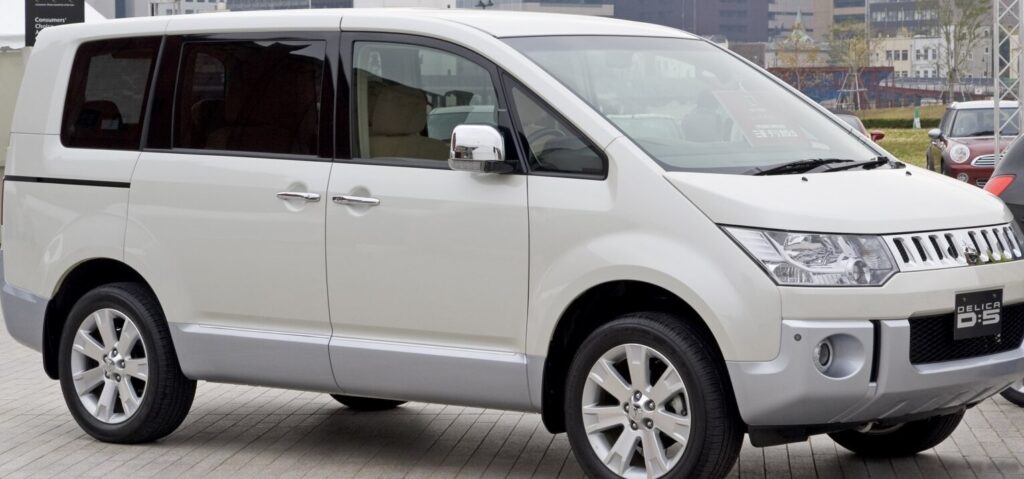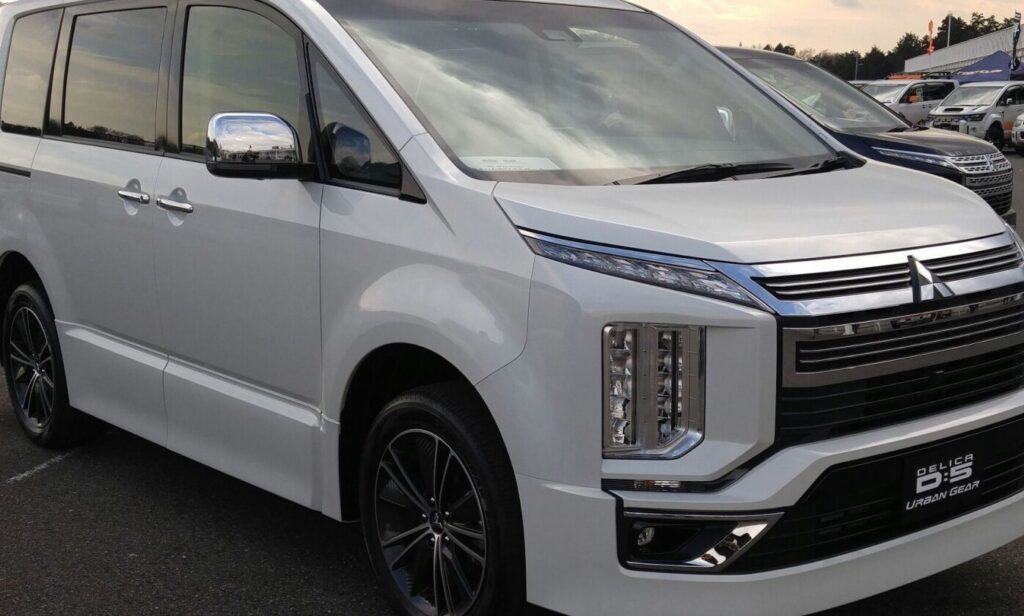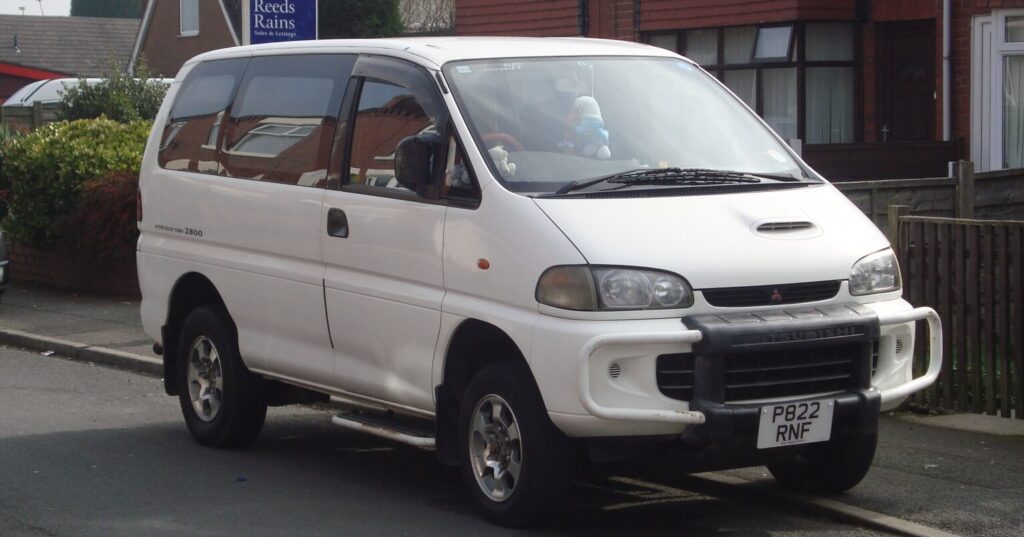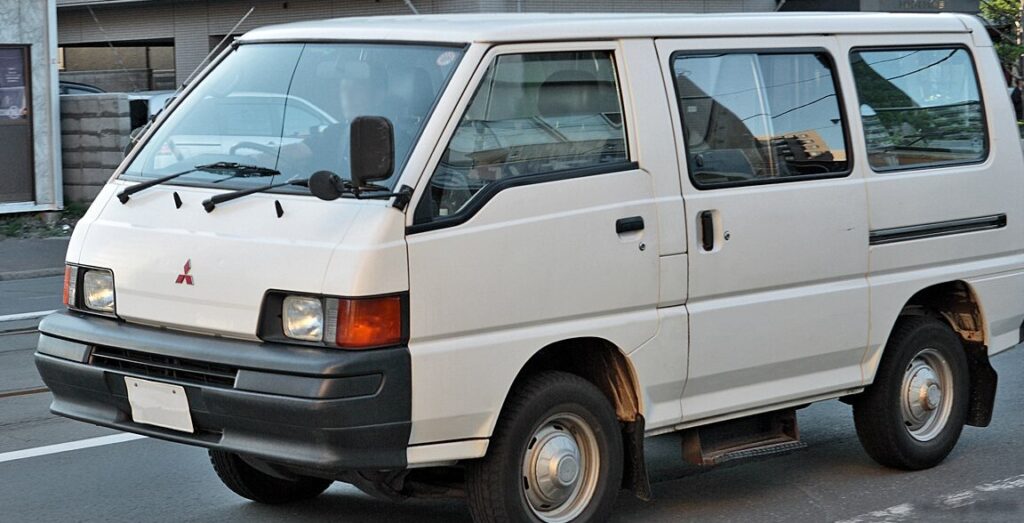
The Mitsubishi Delica L300 2.0 (91 hp) Automatic, produced between 1986 and 1993, represents a specific configuration within the broader L300 Delica range. This generation of the Delica, known internally as the L300, was a popular choice in many markets, particularly in Asia and Australia, for its versatility as a passenger vehicle and light commercial van. The 2.0-liter, 91 horsepower variant with an automatic transmission occupied a middle ground in the lineup, offering a balance between affordability, usability, and ease of driving. It was positioned as a step up from the lower-powered diesel options, while remaining more accessible than the more powerful gasoline engines.
Technical Specifications
| Brand | Mitsubishi |
| Model | Delica |
| Generation | Delica (L300) |
| Type (Engine) | 2.0 (91 Hp) Automatic |
| Start of production | 1986 |
| End of production | 1993 |
| Powertrain Architecture | Internal Combustion engine |
| Body type | Minivan |
| Seats | 9 |
| Doors | 4 |
| Fuel Type | Petrol (Gasoline) |
| Weight-to-power ratio | 13.6 kg/Hp, 73.4 Hp/tonne |
| Weight-to-torque ratio | 8.2 kg/Nm, 121.8 Nm/tonne |
| Power | 91 Hp @ 5500 rpm |
| Power per litre | 45.6 Hp/l |
| Torque | 151 Nm @ 3000 rpm (111.37 lb.-ft. @ 3000 rpm) |
| Engine Model/Code | G63B |
| Engine displacement | 1997 cm3 (121.86 cu. in.) |
| Number of cylinders | 4 |
| Cylinder Bore | 85 mm (3.35 in.) |
| Piston Stroke | 88 mm (3.46 in.) |
| Compression ratio | 8:1 |
| Engine aspiration | Naturally aspirated engine |
| Valvetrain | OHC |
| Kerb Weight | 1240 kg (2733.73 lbs.) |
| Fuel tank capacity | 56 l (14.79 US gal | 12.32 UK gal) |
| Length | 4190 mm (164.96 in.) |
| Width | 1690 mm (66.54 in.) |
| Height | 1970 mm (77.56 in.) |
| Wheelbase | 2235 mm (87.99 in.) |
| Front track | 1445 mm (56.89 in.) |
| Rear (Back) track | 1380 mm (54.33 in.) |
| Drivetrain Architecture | The Internal combustion engine (ICE) drives the rear wheels of the vehicle. |
| Drive wheel | Rear wheel drive |
| Number of gears and type of gearbox | 4 gears, automatic transmission |
| Front suspension | Double wishbone |
| Rear suspension | Dependent suspension of two longitudinal semi-elliptic leaf springs |
| Front brakes | Ventilated discs |
| Rear brakes | Drum |
Powertrain & Engine Architecture
The heart of the Delica L300 2.0 Automatic is the Mitsubishi G63B engine, a 1.997-liter (2.0L) inline-four cylinder gasoline engine. This engine utilizes a single overhead camshaft (OHC) valvetrain, a relatively simple design that contributed to its reliability. The G63B featured a carburetor fuel delivery system in many markets, though some later versions incorporated multi-point fuel injection. The 8:1 compression ratio was typical for the era, balancing performance and fuel efficiency. The engine produced 91 horsepower at 5500 rpm and 151 Nm (111.37 lb-ft) of torque at 3000 rpm. The automatic transmission was a four-speed unit, designed to provide smooth, if not particularly sporty, gear changes. It was a conventional hydraulic automatic, lacking the electronic controls found in more modern transmissions.
Driving Characteristics
The 91 hp output and four-speed automatic transmission resulted in a driving experience geared towards practicality rather than performance. Acceleration was adequate for everyday driving, but overtaking maneuvers required planning. The automatic transmission’s gear ratios were optimized for fuel economy and low-speed torque, making it well-suited for urban environments and moderate highway cruising. Compared to the manual transmission versions of the Delica L300, the automatic offered less driver engagement and slightly reduced fuel efficiency. However, it provided a more relaxed driving experience, particularly in stop-and-go traffic. The rear-wheel-drive configuration provided a reasonably stable platform, but it wasn’t designed for aggressive cornering.
Equipment & Trim Levels
The Delica L300 2.0 Automatic typically came with a fairly basic level of equipment, reflecting its positioning as a workhorse vehicle. Standard features generally included cloth upholstery, a simple dashboard layout with analog gauges, and manual windows and door locks. Air conditioning was often an optional extra, as were power steering and upgraded audio systems. The interior was designed for durability and ease of cleaning, with vinyl flooring and hard-wearing plastics. The nine-seat configuration was a key selling point, making it ideal for large families or commercial use. Trim levels varied depending on the market, but generally offered incremental upgrades in terms of comfort and convenience features.
Chassis & Braking
The Delica L300 utilized a body-on-frame construction, providing a robust and durable chassis. The front suspension consisted of a double wishbone setup, while the rear suspension employed a more traditional dependent system with two longitudinal semi-elliptic leaf springs. This rear suspension design was chosen for its load-carrying capacity and durability. The braking system featured ventilated discs on the front wheels and drum brakes on the rear. While adequate for the vehicle’s weight and intended use, the braking performance wasn’t particularly strong by modern standards. Steering was typically unassisted, requiring more effort at low speeds.
Market Reception & Comparison
The Delica L300 2.0 Automatic was generally well-received in markets where it was sold. Critics praised its versatility, spacious interior, and robust construction. However, the automatic transmission was sometimes criticized for its lack of responsiveness and impact on fuel economy. Compared to the 1.6-liter gasoline and diesel variants, the 2.0-liter offered a noticeable improvement in performance. The diesel models were favored for their fuel efficiency, while the higher-powered gasoline engines provided more spirited driving. The 2.0 Automatic struck a balance between these extremes, appealing to buyers who prioritized comfort and ease of use over outright performance or fuel economy.
Legacy
The Mitsubishi Delica L300, including the 2.0 (91 hp) Automatic variant, has developed a loyal following among enthusiasts. The G63B engine is known for its reliability and relative simplicity, making it relatively easy to maintain and repair. While not a high-performance engine, it is capable of providing years of dependable service. Today, the Delica L300 is increasingly sought after as a classic vehicle, particularly in countries where it was originally popular. Its unique combination of practicality, durability, and retro styling has made it a favorite among collectors and those seeking a versatile and characterful vehicle. Parts availability can be a challenge in some regions, but a thriving aftermarket and dedicated online communities help to keep these vehicles on the road.