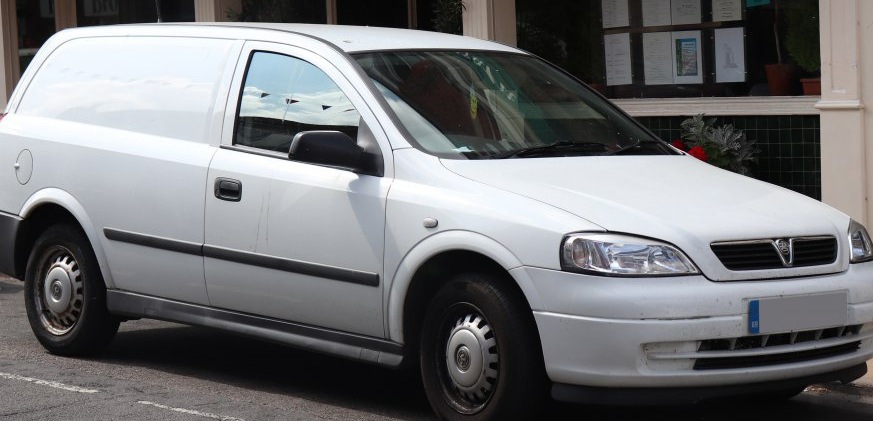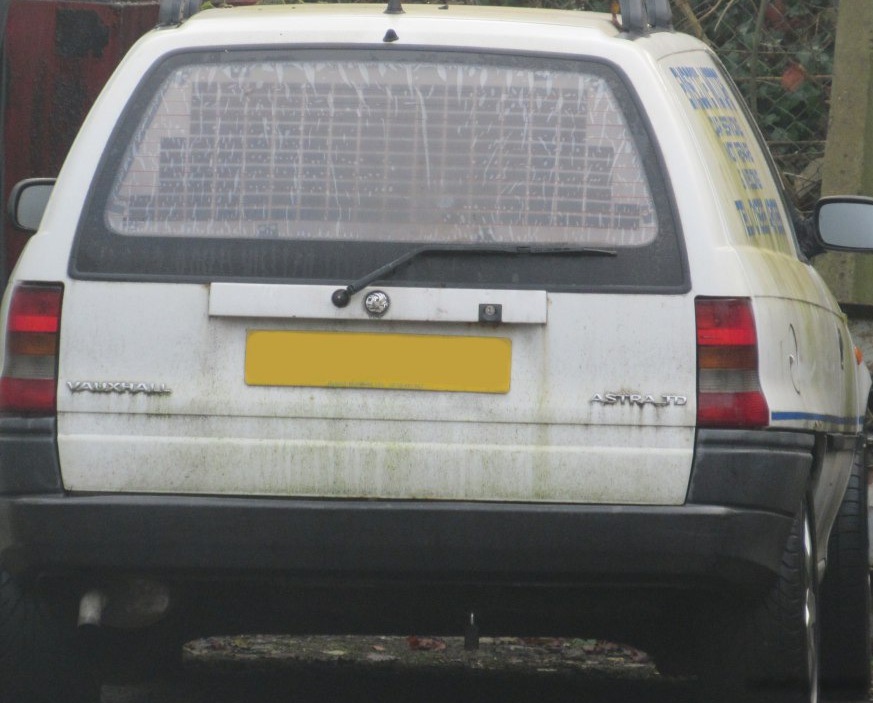
The Vauxhall Astravan Mk III 1.4i, producing 60 horsepower, was a utilitarian light commercial vehicle offered between 1991 and 1994. Based on the popular Astra Mk III (G) platform, the Astravan served as the panel van variant, designed for commercial use rather than passenger transport. This particular 1.4i engine and trim level represented the entry point into the Astravan range, prioritizing affordability and fuel economy over outright performance. It occupied a niche in the British market, catering to small businesses and tradespeople needing a compact and economical load carrier.
Technical Specifications
| Brand | Vauxhall |
| Model | Astra |
| Generation | Astravan Mk III |
| Type (Engine) | 1.4i (60 Hp) |
| Start of production | 1991 |
| End of production | 1994 |
| Powertrain Architecture | Internal Combustion engine |
| Body type | Station wagon (estate) |
| Seats | 2 |
| Doors | 3 |
| Fuel Type | Petrol (Gasoline) |
| Power | 60 Hp |
| Engine Model/Code | C14NZ |
| Engine aspiration | Naturally aspirated engine |
| Engine oil capacity | 3.5 l (3.7 US qt | 3.08 UK qt) |
| Coolant capacity | 5.7 l (6.02 US qt | 5.02 UK qt) |
| Length | 4275 mm (168.31 in.) |
| Width | 1696 mm (66.77 in.) |
| Height | 1475 mm (58.07 in.) |
| Wheelbase | 2517 mm (99.09 in.) |
| Drivetrain Architecture | Internal Combustion engine (ICE) driving the front wheels |
| Drive wheel | Front wheel drive |
Powertrain & Engine Architecture
The Astravan Mk III 1.4i was powered by the C14NZ engine, a 1.4-liter, naturally aspirated inline-four cylinder petrol engine. This engine was a staple in the Vauxhall/Opel range during the early 1990s, known for its simplicity and reliability. It featured a single overhead camshaft (SOHC) valvetrain with two valves per cylinder. Fuel delivery was managed by a Bosch Mono-Jetronic fuel injection system, a relatively basic system compared to multi-point injection found in higher-spec Astras. This system contributed to the engine’s modest power output but also aided in fuel efficiency. The C14NZ produced 60 horsepower (44 kW) and approximately 86 lb-ft (117 Nm) of torque. The engine was mated to a four-speed automatic transmission, a relatively uncommon pairing in light commercial vehicles of the era, which typically favored manual transmissions for cost and efficiency. The automatic transmission was a three-speed unit, designed for smooth operation rather than sporty performance.
Driving Characteristics
The driving experience of the Astravan 1.4i Automatic was characterized by its practicality and ease of use. The 60 horsepower engine, coupled with the automatic transmission, provided adequate, though not exhilarating, performance for urban and suburban driving. Acceleration was slow, and overtaking required careful planning. The automatic transmission’s gear ratios were optimized for fuel economy and low-speed torque, rather than rapid acceleration. The transmission tended to hunt for gears on inclines, and lacked the responsiveness of a manual gearbox. However, the automatic transmission made the Astravan particularly suitable for drivers who frequently encountered stop-and-go traffic. Compared to the five-speed manual version of the 1.4i, the automatic offered less driver engagement and slightly reduced fuel economy. The higher-powered 1.6 and 2.0-liter versions of the Astravan provided significantly more performance, but at a higher purchase price and running costs.
Equipment & Trim Levels
The Astravan Mk III 1.4i, as the base model, was sparsely equipped, reflecting its commercial focus. Standard features typically included a basic driver’s seat, a steering wheel, and minimal interior trim. The cabin was primarily functional, with durable plastic surfaces and a focus on practicality. The van featured a large cargo area accessible through rear doors, and often included a steel bulkhead separating the cargo area from the cab. Options were limited, but could include upgraded seat upholstery, a radio/cassette player, and occasionally, power steering. The dashboard layout was simple and utilitarian, with basic instrumentation providing essential information such as speed, fuel level, and engine temperature. Air conditioning was not typically offered on this base model.
Chassis & Braking
The Astravan Mk III utilized the Astra’s MacPherson strut front suspension and a twist-beam rear axle. The suspension was tuned for comfort and load-carrying capacity, rather than sporty handling. The front brakes were disc brakes, while the rear brakes were typically drum brakes, a cost-saving measure for the base model. The steering was a rack-and-pinion system, providing reasonable steering feel. Stabilizer bars were often omitted on the base model to reduce cost, resulting in slightly more body roll during cornering. The chassis was reinforced to handle the stresses of commercial use, and the suspension was designed to accommodate a significant payload.
Market Reception & Comparison
The Astravan Mk III 1.4i Automatic received mixed reviews. Critics acknowledged its affordability and fuel economy, but often criticized its lack of power and the sluggishness of the automatic transmission. It was generally seen as a suitable vehicle for short-distance deliveries and tradespeople who prioritized cost-effectiveness over performance. Compared to other light commercial vehicles of the time, such as the Ford Escort Van or the Citroën Berlingo, the Astravan offered a reasonable balance of price, practicality, and reliability. However, its automatic transmission was a relatively uncommon feature in this segment, and some competitors offered more powerful engine options. Fuel economy was respectable for the time, averaging around 30-35 mpg in mixed driving conditions.
Legacy
The Astravan Mk III 1.4i, while not a particularly sought-after model today, holds a place in automotive history as a practical and affordable light commercial vehicle. The C14NZ engine is known for its durability and relatively simple maintenance requirements. However, age and mileage can lead to issues such as oil leaks and wear in the fuel injection system. The automatic transmission, while reliable, can be prone to wear and tear if not properly maintained. In the used car market, these vans are now relatively rare, and are often sought after by enthusiasts looking for a classic commercial vehicle or a project vehicle. Parts availability is generally good, as many components are shared with other Vauxhall/Opel models of the era. The Astravan Mk III 1.4i represents a bygone era of simple, functional commercial vehicles, prioritizing affordability and reliability over luxury and performance.