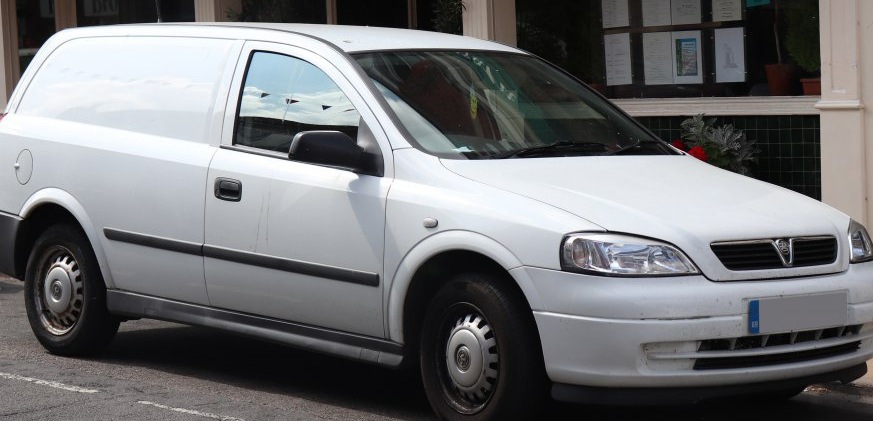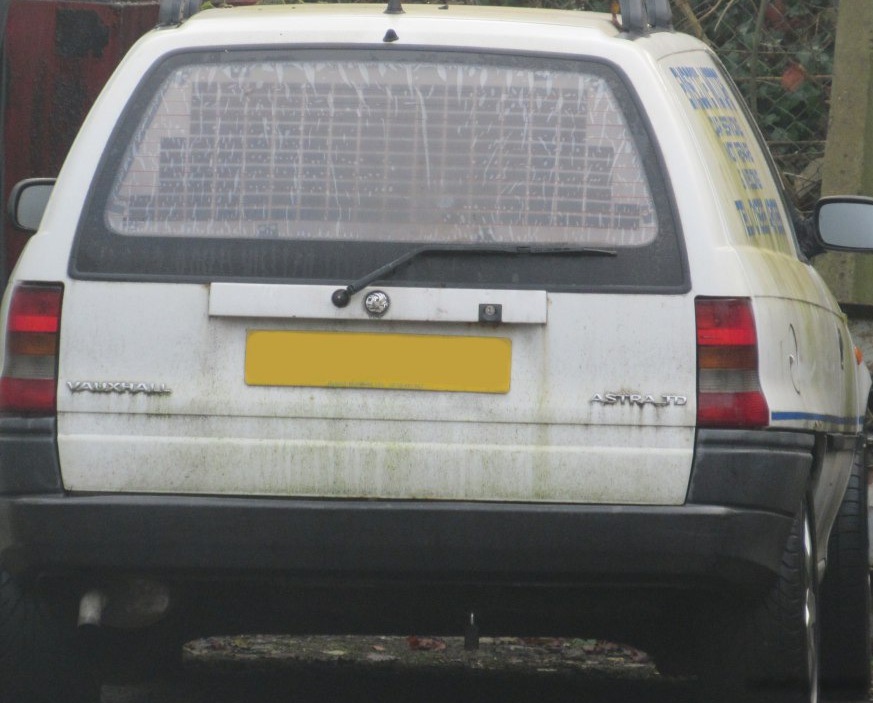
The Vauxhall Astravan Mk III 1.7 TD, produced between 1994 and 1998, represented a practical and economical commercial vehicle option within the broader Astravan Mk III range. Based on the G platform, this variant catered to businesses and tradespeople requiring a compact, fuel-efficient van. It occupied the entry-level position in the Astravan lineup, prioritizing functionality and low running costs over outright performance. The Astravan Mk III itself was a direct descendant of the original Astra van, offering increased cargo capacity and improved practicality compared to its predecessors.
Technical Specifications
| Brand | Vauxhall |
| Model | Astra |
| Generation | Astravan Mk III |
| Type (Engine) | 1.7 TD (68 Hp) |
| Start of production | 1994 |
| End of production | 1998 |
| Powertrain Architecture | Internal Combustion engine |
| Body type | Station wagon (estate) |
| Seats | 2 |
| Doors | 3 |
| Fuel Type | Diesel |
| Power | 68 Hp |
| Engine Model/Code | X17DTL |
| Engine aspiration | Turbocharger |
| Engine oil capacity | 4.5 l (4.76 US qt | 3.96 UK qt) |
| Coolant capacity | 6.8 l (7.19 US qt | 5.98 UK qt) |
| Length | 4275 mm (168.31 in) |
| Width | 1696 mm (66.77 in) |
| Height | 1475 mm (58.07 in) |
| Wheelbase | 2517 mm (99.09 in) |
| Drivetrain Architecture | Front wheel drive, Internal Combustion Engine |
Powertrain & Engine Architecture
The heart of the Astravan Mk III 1.7 TD was the X17DTL engine, a 1.7-liter, four-cylinder diesel engine equipped with a turbocharger. This engine was part of Vauxhall/Opel’s Isuzu-derived diesel family, known for its robustness and relatively simple mechanical design. The X17DTL utilized indirect fuel injection, a common technology for diesel engines of the era, employing a Bosch rotary injection pump. This system, while not as refined as direct injection, provided reliable operation and acceptable fuel economy. The engine featured a single overhead camshaft (SOHC) valvetrain, operating two valves per cylinder. The turbocharger, a Garrett unit, significantly boosted power output compared to naturally aspirated versions of the 1.7 diesel, bringing it to 68 horsepower. Torque figures were around 128 lb-ft, providing adequate pulling power for commercial applications. The engine was typically paired with a five-speed manual transmission, although a four-speed automatic transmission was also available, albeit less common. The automatic transmission was a conventional hydraulic unit, prioritizing durability over shift speed.
Driving Characteristics
The 1.7 TD Astravan, particularly in automatic guise, wasn’t designed for spirited driving. Acceleration was modest, with a 0-60 mph time estimated around 16-18 seconds. The focus was on providing sufficient power for carrying loads and maintaining reasonable speeds on motorways. The automatic transmission, while convenient, further reduced performance, with noticeable delays in downshifting. However, the engine’s torque characteristics meant it was relatively flexible in everyday driving, capable of maintaining a steady pace even when fully loaded. The gear ratios in the automatic transmission were geared towards economy, prioritizing fuel efficiency over rapid acceleration. The manual transmission version offered a more engaging driving experience and slightly improved performance, but the automatic was favored by drivers who prioritized ease of use.
Equipment & Trim Levels
The Astravan Mk III 1.7 TD was a utilitarian vehicle, with a focus on practicality rather than luxury. Standard equipment was minimal, typically including basic steel wheels, black plastic bumpers, and a simple interior. The cabin featured durable, hard-wearing upholstery, usually in a dark grey color. The dashboard was functional, with clearly labeled controls. Power steering was often an optional extra, as were electric windows. The Astravan’s primary selling point was its large cargo area, accessible through rear doors and often featuring a solid bulkhead separating the cargo bay from the cab. Trim levels were limited; the 1.7 TD generally represented the base model, with few options available beyond those mentioned.
Chassis & Braking
The Astravan Mk III utilized a conventional front-wheel-drive chassis, based on the Astra’s platform. Suspension consisted of MacPherson struts at the front and a torsion beam axle at the rear. The rear suspension was relatively simple, reflecting the van’s commercial focus. Braking was typically accomplished with disc brakes at the front and drum brakes at the rear. Anti-lock Braking System (ABS) was rarely fitted as standard, often being an optional extra. The suspension was tuned for comfort and load-carrying capacity, providing a reasonably compliant ride even when the van was fully laden. Stabilizer bars were fitted to both axles to reduce body roll, but the Astravan’s handling was not particularly sporty.
Market Reception & Comparison
The Astravan Mk III 1.7 TD was well-received in the UK market as a cost-effective and reliable commercial vehicle. Critics praised its fuel economy and durability, but noted its lack of performance and refinement. Compared to other vans in its class, such as the Ford Escort Van and the Citroën Berlingo, the Astravan offered a good balance of price, practicality, and running costs. The 1.7 TD engine was considered more robust than some of its competitors, but also less refined. The automatic transmission version was often criticized for its sluggish performance and reduced fuel economy compared to the manual.
Legacy
The Vauxhall Astravan Mk III 1.7 TD has proven to be a relatively durable vehicle, with many examples still in use today. The X17DTL engine, while not known for its high performance, is generally considered reliable and relatively easy to maintain. Parts availability remains reasonable, although some components may be becoming increasingly scarce. In the used car market, these vans are typically valued for their practicality and low purchase price. They are often sought after by small businesses and tradespeople who require a simple, dependable workhorse. While not a collector’s item, the Astravan Mk III 1.7 TD represents a significant part of British commercial vehicle history, providing a practical and affordable transport solution for a generation of businesses.