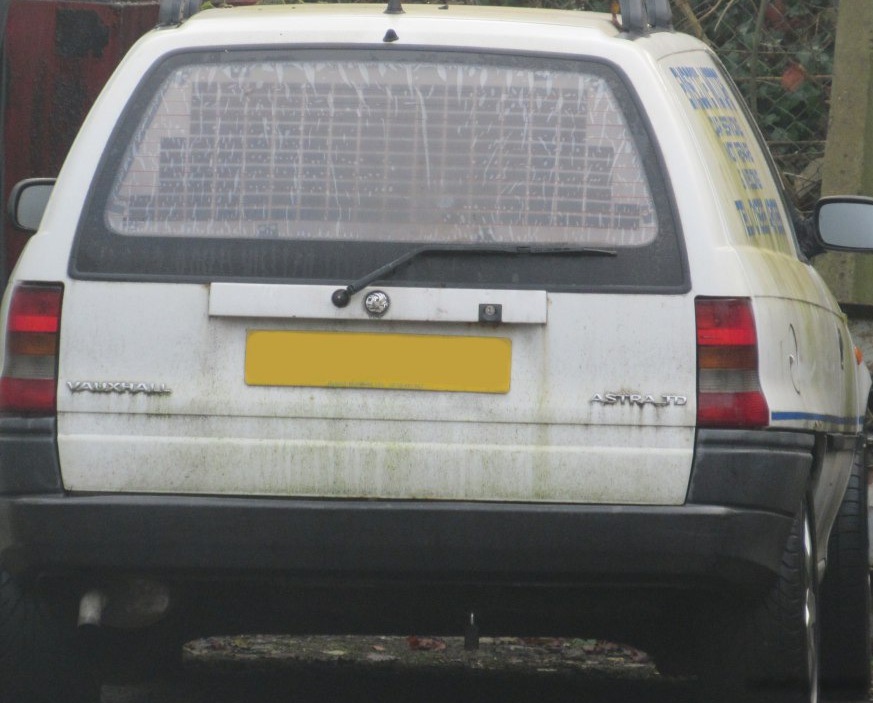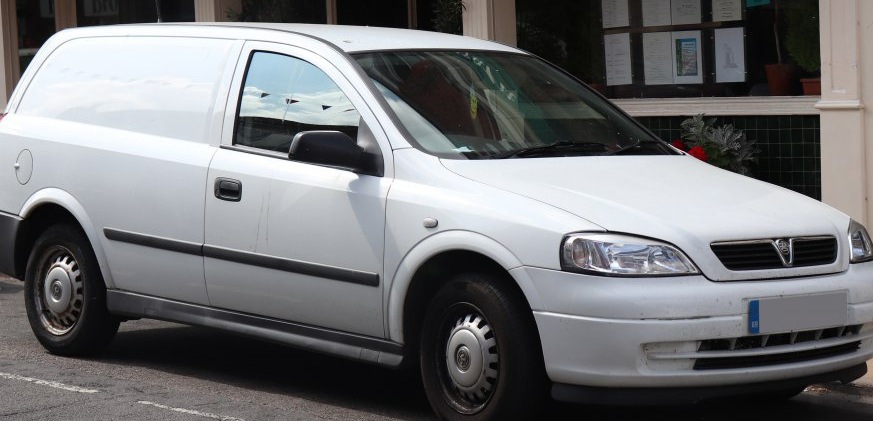
The Vauxhall Astravan Mk IV 2.0 DI, produced between 1998 and 2000, represented a utilitarian offering within the fourth generation of the Vauxhall Astra range. Based on the Astra F platform (though often referred to as Mk IV for van variants), this model served as a commercial vehicle, specifically a panel van, designed for light-duty cargo transport. It occupied the lower end of the Astravan lineup, providing a cost-effective solution for businesses and tradespeople. The “DI” designation signified a direct injection diesel engine, a relatively modern feature for the time aimed at improving fuel efficiency and torque delivery compared to older indirect injection designs. This variant was primarily sold in the United Kingdom and other European markets where Vauxhall had a strong presence.
Technical Specifications
| Brand | Vauxhall |
| Model | Astra |
| Generation | Astravan Mk IV |
| Type (Engine) | 2.0 DI (82 Hp) |
| Start of production | 1998 |
| End of production | 2000 |
| Powertrain Architecture | Internal Combustion engine |
| Body type | Station wagon (estate) |
| Seats | 2 |
| Doors | 3 |
| Fuel Type | Diesel |
| Power | 82 Hp |
| Engine Model/Code | X20DTL, Y20DTL |
| Engine aspiration | Naturally aspirated engine |
| Engine oil capacity | 5.5 l (5.81 US qt | 4.84 UK qt) |
| Coolant capacity | 7.9 l (8.35 US qt | 6.95 UK qt) |
| Drivetrain Architecture | Front wheel drive |
Powertrain & Engine Architecture
The Astravan Mk IV 2.0 DI was powered by either the X20DTL or Y20DTL engine, both 2.0-liter, four-cylinder diesel engines. These engines utilized direct injection technology, a significant advancement over the indirect injection diesels common in earlier Astravans. Direct injection involved injecting fuel directly into the combustion chamber, leading to more complete combustion, increased power, and improved fuel economy. The engines featured a cast iron block and an aluminum cylinder head. The X20DTL was the earlier version, while the Y20DTL incorporated minor refinements. Both engines produced 82 horsepower (metric) and approximately 151 lb-ft of torque. The fuel injection system was a Bosch EDC (Electronic Diesel Control) system, managing fuel delivery based on engine speed, load, and other parameters. The engine employed a single overhead camshaft (SOHC) valvetrain with two valves per cylinder. While not a particularly sophisticated engine by modern standards, it was known for its durability and relatively low maintenance requirements. The engine was typically paired with a five-speed manual transmission, but a four-speed automatic transmission was also available, though less common in this specific configuration.
Driving Characteristics
The 2.0 DI engine in the Astravan Mk IV provided adequate, though not exhilarating, performance. With 82 horsepower, acceleration was modest, and the van was not designed for speed. The focus was on providing sufficient torque for carrying loads. The engine’s peak torque of 151 lb-ft was available from relatively low engine speeds, making it suitable for hauling cargo and navigating urban environments. The four-speed automatic transmission, when equipped, further emphasized this focus on usability over performance. Gear changes were generally smooth, but the limited number of gears meant the engine often operated at higher RPMs during highway cruising, potentially impacting fuel economy. Compared to the manual transmission version, the automatic offered greater convenience, particularly in stop-and-go traffic, but at the expense of some responsiveness. The automatic also slightly reduced fuel economy. Compared to higher-output versions of the Astra, such as those with gasoline engines, the 2.0 DI was significantly slower, but it offered substantially better fuel efficiency and lower running costs.
Equipment & Trim Levels
As a commercial vehicle, the Astravan Mk IV 2.0 DI was typically sparsely equipped. The interior was functional and utilitarian, prioritizing durability and ease of cleaning over luxury. Standard features included a driver’s airbag, central locking, and power steering. The interior trim was typically basic, with hard-wearing plastic surfaces and cloth upholstery. Air conditioning and electric windows were often optional extras. The van’s cargo area was the primary focus, offering a substantial load volume. The rear windows were often replaced with metal panels to enhance security and provide a blank canvas for company branding. Trim levels were minimal; the 2.0 DI was generally offered as a single, relatively basic specification, with options available to customize the vehicle to specific business needs.
Chassis & Braking
The Astravan Mk IV utilized a MacPherson strut front suspension and a torsion beam rear suspension. This setup provided a reasonable balance between ride comfort and handling, although the van’s focus on practicality meant that handling was not particularly sporty. The front brakes were ventilated discs, while the rear brakes were typically drum brakes, a cost-saving measure common in commercial vehicles of this era. Stabilizer bars were fitted to both the front and rear axles to reduce body roll. The steering was rack and pinion, providing reasonably precise control. The suspension was tuned to prioritize load-carrying capacity, resulting in a slightly firmer ride when the van was unladen.
Market Reception & Comparison
The Vauxhall Astravan Mk IV 2.0 DI was generally well-received as a practical and economical commercial vehicle. Critics praised its fuel efficiency, durability, and relatively low running costs. However, the engine’s performance was often criticized as being somewhat underpowered, particularly when the van was fully loaded. Compared to other vans in its class, such as the Ford Escort Van and the Volkswagen Caddy, the Astravan offered a competitive combination of price, fuel economy, and load capacity. The 2.0 DI engine provided a good balance between power and efficiency, making it a popular choice for businesses that required a reliable and cost-effective van. The automatic transmission, while convenient, was often seen as detracting from the van’s overall efficiency.
Legacy
The Astravan Mk IV 2.0 DI, while not a particularly glamorous vehicle, proved to be a durable and reliable workhorse. The 2.0 DI engine, in particular, gained a reputation for its longevity and relatively low maintenance requirements. Today, these vans are relatively rare, having largely been replaced by more modern commercial vehicles. However, well-maintained examples are still occasionally found in use, testament to their robust construction. In the used car market, these vans are typically valued for their simplicity and affordability. The direct injection diesel engine, while not as refined as modern diesel engines, represented a significant step forward in terms of fuel efficiency and torque delivery for its time, and contributed to the Astravan’s enduring appeal as a practical and economical commercial vehicle.