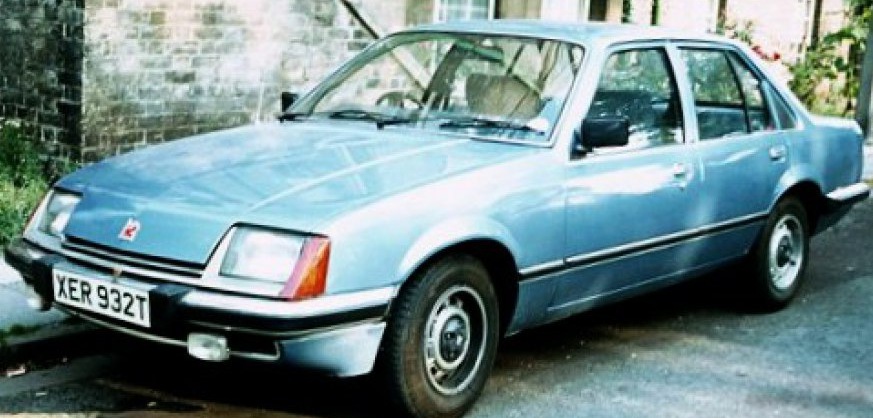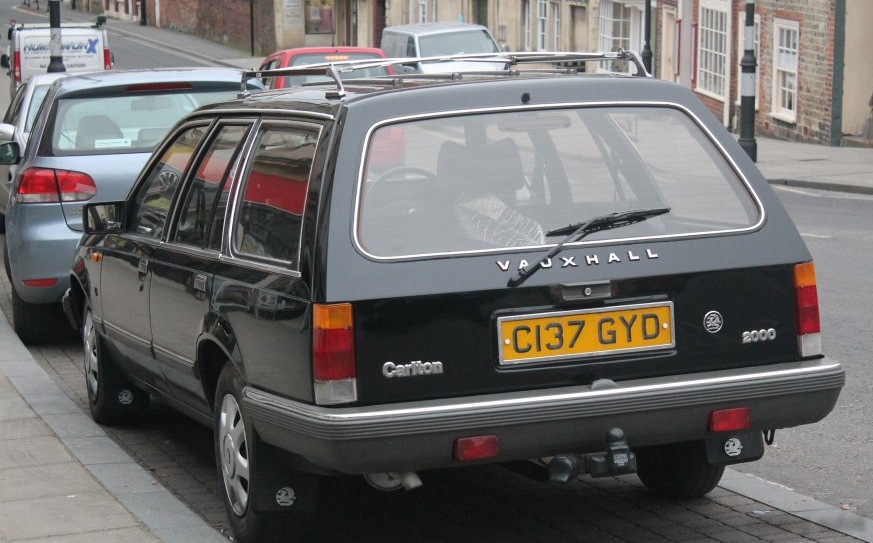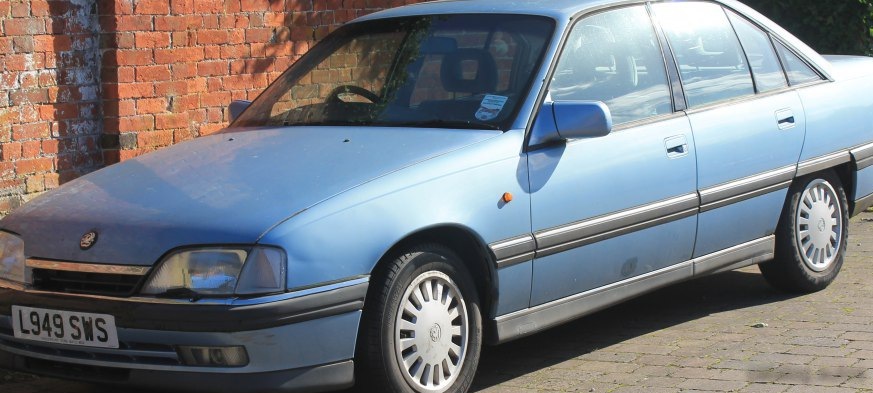
The Vauxhall Carlton Mk III 1.8 N CAT (82 hp) was a variant of the Mk III Carlton produced between 1986 and 1987. Positioned as the entry-level model in the Carlton range, it offered a more affordable option compared to the larger-engined versions, particularly the fuel-injected 2.0L and the flagship 2.8L ‘GSi’ models. The Mk III Carlton, part of the A30 generation, represented a significant step up in sophistication and size for the Carlton line, aiming to compete with executive saloons from Ford and Rover in the UK market. This particular 1.8L version, while not a performance leader, provided a comfortable and practical family saloon experience.
Technical Specifications
| Brand | Vauxhall |
| Model | Carlton Mk III |
| Type (Engine) | 1.8 N CAT (82 Hp) |
| Start of production | 1986 |
| End of production | 1987 |
| Powertrain Architecture | Internal Combustion engine |
| Body type | Sedan |
| Seats | 5 |
| Doors | 4 |
| Fuel Type | Petrol (Gasoline) |
| Power | 82 Hp @ 5200 rpm |
| Power per litre | 45.7 Hp/l |
| Torque | 135 Nm @ 3200 rpm |
| Torque (lb.-ft.) | 99.57 lb.-ft. @ 3200 rpm |
| Engine layout | Front, Longitudinal |
| Engine Model/Code | 18NV |
| Engine displacement | 1796 cm3 |
| Engine displacement (cu. in.) | 109.6 cu. in. |
| Number of cylinders | 4 |
| Engine configuration | Inline |
| Cylinder Bore | 84.8 mm |
| Cylinder Bore (in.) | 3.34 in. |
| Piston Stroke | 79.5 mm |
| Piston Stroke (in.) | 3.13 in. |
| Number of valves per cylinder | 2 |
| Fuel injection system | Carburettor |
| Engine aspiration | Naturally aspirated engine |
| Valvetrain | OHC |
| Engine oil capacity | 4.5 l |
| Engine oil capacity (US qt) | 4.76 US qt |
| Engine oil capacity (UK qt) | 3.96 UK qt |
| Coolant | 6.4 l |
| Coolant (US qt) | 6.76 US qt |
| Coolant (UK qt) | 5.63 UK qt |
| Trunk (boot) space – minimum | 520 l |
| Trunk (boot) space – minimum (cu. ft.) | 18.36 cu. ft. |
| Trunk (boot) space – maximum | 870 l |
| Trunk (boot) space – maximum (cu. ft.) | 30.72 cu. ft. |
| Fuel tank capacity | 75 l |
| Fuel tank capacity (US gal) | 19.81 US gal |
| Fuel tank capacity (UK gal) | 16.5 UK gal |
| Length | 4768 mm |
| Length (in.) | 187.72 in. |
| Width | 1812 mm |
| Width (in.) | 71.34 in. |
| Width including mirrors | 1933 mm |
| Width including mirrors (in.) | 76.1 in. |
| Height | 1435 mm |
| Height (in.) | 56.5 in. |
| Wheelbase | 2730 mm |
| Wheelbase (in.) | 107.48 in. |
| Front track | 1445 mm |
| Front track (in.) | 56.89 in. |
| Rear (Back) track | 1460 mm |
| Rear (Back) track (in.) | 57.48 in. |
| Drivetrain Architecture | The Internal combustion engine (ICE) drives the rear wheels of the vehicle. |
| Drive wheel | Rear wheel drive |
| Number of gears and type of gearbox | 5 gears, manual transmission |
| Front suspension | Spring Strut |
| Rear suspension | Wishbone |
| Assisting systems | ABS (Anti-lock braking system) |
| Steering type | Steering rack and pinion |
| Power steering | Hydraulic Steering |
| Tires size | 185/70 R15 |
| Wheel rims size | 6J x 15 |
Powertrain & Engine Architecture
The 1.8 N CAT engine, designated 18NV, was a naturally aspirated, inline-four cylinder petrol engine. It featured a single overhead camshaft (OHC) operating two valves per cylinder. The ‘N’ designation indicated a lower compression ratio for use with lower octane fuel, while ‘CAT’ signified the inclusion of a catalytic converter to meet increasingly stringent emissions regulations. Unlike the fuel-injected engines in the higher trims, the 1.8 N CAT utilized a single downdraft carburetor for fuel delivery. This carburetor setup, while simpler and less expensive, resulted in slightly lower power output and less precise fuel control compared to fuel injection. The engine produced 82 horsepower at 5200 rpm and 135 Nm (99.57 lb-ft) of torque at 3200 rpm. The engine was mounted longitudinally in the engine bay, driving the rear wheels.
Driving Characteristics
The 1.8L automatic Carlton offered a comfortable, but not particularly sporty, driving experience. The automatic transmission, typically a three-speed unit, was geared for economy rather than acceleration. Acceleration was modest, with a 0-60 mph time estimated around 12-13 seconds. The carburetor’s response could be slightly sluggish, especially during quick overtaking maneuvers. Compared to the manual transmission versions, the automatic suffered a noticeable performance penalty. The higher-output 2.0L and 2.8L models provided significantly more responsive acceleration and a more engaging driving experience. However, the automatic transmission did offer a smoother and more convenient driving experience for everyday use, particularly in urban environments.
Equipment & Trim Levels
The 1.8 N CAT trim was generally considered the base model. Standard equipment typically included central locking, electric front windows, and a basic stereo system. Interior upholstery was usually cloth, and the dashboard featured a simple, functional design. Optional extras included a sunroof, upgraded stereo systems, and alloy wheels. The trim level was designed to appeal to buyers prioritizing practicality and affordability over luxury and performance. It was a common choice for fleet buyers and families seeking a reliable and spacious saloon.
Chassis & Braking
The Mk III Carlton featured independent front suspension using MacPherson struts and a live axle with a trailing arm rear suspension. Braking was initially specified with front disc brakes and rear drum brakes on the 1.8L models, although some later examples received rear disc brakes. Power steering was standard, providing relatively light steering feel. ABS (Anti-lock Braking System) was available as an option, enhancing braking performance and safety. The suspension setup prioritized ride comfort over sharp handling, making it a suitable vehicle for long journeys.
Market Reception & Comparison
The 1.8 N CAT Carlton was generally well-received as an affordable and practical family saloon. Critics acknowledged its spacious interior, comfortable ride, and reasonable fuel economy. However, the engine’s performance was often criticized as being underpowered, particularly when compared to the more potent engines available in the Carlton range. The 2.0L fuel-injected model offered a noticeable improvement in performance and refinement, while the 2.8L GSi was a true performance saloon. In terms of reliability, the 1.8L engine was generally considered robust, although the carburetor required periodic maintenance. Fuel economy was respectable for the time, averaging around 25-30 mpg.
Legacy
The Vauxhall Carlton Mk III 1.8 N CAT, while not the most sought-after variant, remains a relatively common sight on UK roads today. The 18NV engine is known for its durability, and parts availability is generally good. However, like all cars of this era, rust can be a significant issue. The automatic transmission, if properly maintained, is generally reliable. The 1.8L Carlton represents a solid and dependable classic saloon, offering a comfortable and affordable entry point into the world of classic Vauxhall ownership. Its simplicity and relatively low running costs make it an appealing option for enthusiasts and everyday drivers alike.