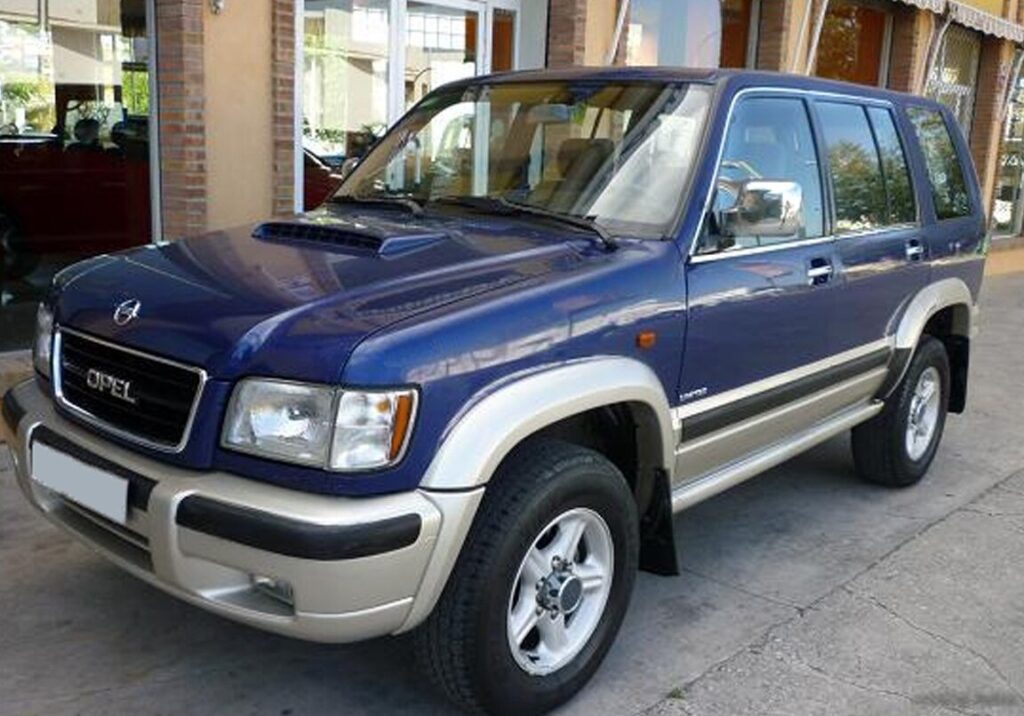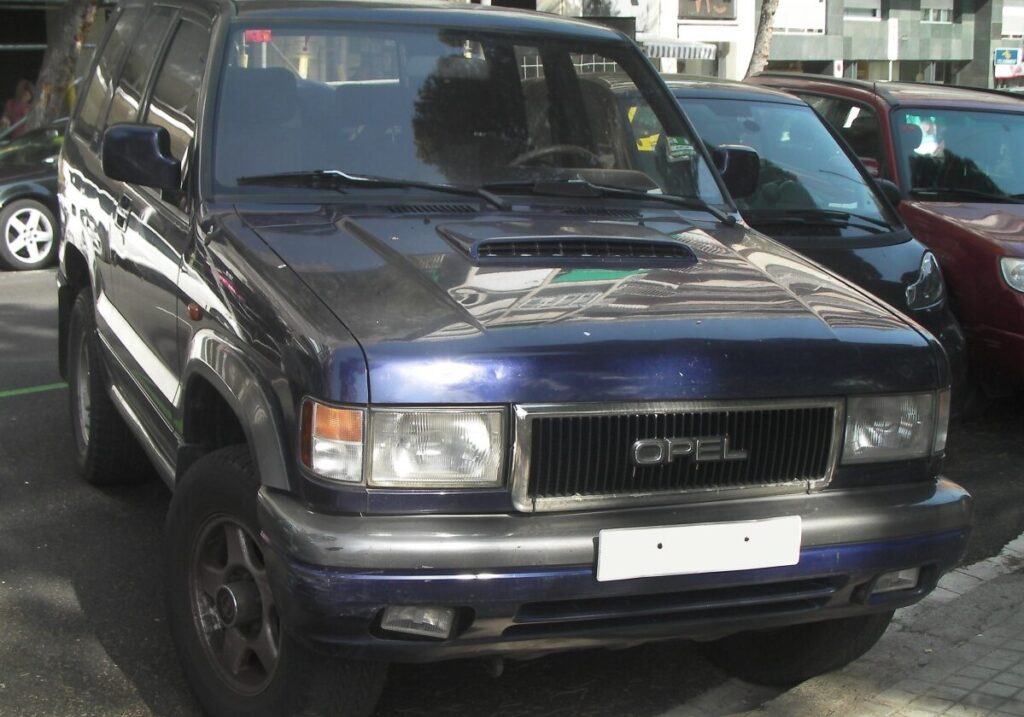
The Opel Monterey LTD 3.2i V6 24V 4×4 Automatic, produced from May 1992 to April 1998, represented Opel’s entry into the mid-size SUV market. Positioned as a more luxurious and capable offering within the Monterey range, the LTD trim featured a 3.2-liter V6 engine paired exclusively with a four-speed automatic transmission and a four-wheel-drive system. The Monterey itself was a rebadged Isuzu Trooper, a result of GM’s partnership with Isuzu, and aimed to provide European buyers with a robust and spacious SUV alternative. This variant sat at the top of the Monterey lineup, offering the most powerful engine and the convenience of an automatic transmission, appealing to buyers prioritizing comfort and all-weather capability over outright fuel economy.
Technical Specifications
| Brand | Opel |
| Model | Monterey |
| Generation | Monterey |
| Type (Engine) | LTD 3.2i V6 24V (177 Hp) 4×4 Automatic |
| Start of production | May, 1992 |
| End of production | April, 1998 |
| Powertrain Architecture | Internal Combustion engine |
| Body type | SUV |
| Seats | 5 |
| Doors | 5 |
| Fuel consumption (combined) | 14.4 l/100 km (16.3 US mpg, 19.6 UK mpg, 6.9 km/l) |
| Fuel Type | Petrol (Gasoline) |
| Acceleration 0 – 100 km/h | 11.5 sec |
| Acceleration 0 – 62 mph | 11.5 sec |
| Acceleration 0 – 60 mph | 10.9 sec |
| Maximum speed | 170 km/h (105.63 mph) |
| Weight-to-power ratio | 10.6 kg/Hp, 94.1 Hp/tonne |
| Weight-to-torque ratio | 7.2 kg/Nm, 138.3 Nm/tonne |
| Power | 177 Hp @ 5200 rpm |
| Power per litre | 55.9 Hp/l |
| Torque | 260 Nm @ 3750 rpm (191.77 lb.-ft. @ 3750 rpm) |
| Engine layout | Front, Longitudinal |
| Engine Model/Code | 6VD1 |
| Engine displacement | 3165 cm3 (193.14 cu. in.) |
| Number of cylinders | 6 |
| Engine configuration | V-engine |
| Cylinder Bore | 93.4 mm (3.68 in.) |
| Piston Stroke | 77 mm (3.03 in.) |
| Compression ratio | 9.3:1 |
| Number of valves per cylinder | 4 |
| Fuel injection system | Multi-port manifold injection |
| Engine aspiration | Naturally aspirated engine |
| Valvetrain | OHC |
| Engine oil capacity | 5.3 l (5.6 US qt | 4.66 UK qt) |
| Coolant | 8.8 l (9.3 US qt | 7.74 UK qt) |
| Kerb Weight | 1880 kg (4144.69 lbs.) |
| Max. weight | 2600 kg (5732.02 lbs.) |
| Max load | 720 kg (1587.33 lbs.) |
| Trunk (boot) space – minimum | 1464 l (51.7 cu. ft.) |
| Trunk (boot) space – maximum | 2548 l (89.98 cu. ft.) |
| Fuel tank capacity | 85 l (22.45 US gal | 18.7 UK gal) |
| Length | 4700 mm (185.04 in.) |
| Width | 1745 mm (68.7 in.) |
| Height | 1840 mm (72.44 in.) |
| Wheelbase | 2760 mm (108.66 in.) |
| Front track | 1455 mm (57.28 in.) |
| Rear (Back) track | 1460 mm (57.48 in.) |
| Drive wheel | All wheel drive (4×4) |
| Number of gears and type of gearbox | 4 gears, automatic transmission |
| Front suspension | Double wishbone |
| Rear suspension | Coil spring |
| Front brakes | Ventilated discs |
| Rear brakes | Ventilated discs |
| Assisting systems | ABS (Anti-lock braking system), Hydraulic Steering |
| Tires size | 245/70 R16 |
| Wheel rims size | 16 |
Powertrain & Engine Architecture
The heart of the Monterey LTD 3.2i was the 6VD1 engine, a 3.2-liter (3165 cc) naturally aspirated V6. This engine featured a 90-degree V-angle, four valves per cylinder, and a single overhead camshaft (OHC) design. The multi-port fuel injection system delivered fuel directly to each cylinder, optimizing combustion. The engine produced 177 horsepower at 5200 rpm and 260 Nm (191.77 lb-ft) of torque at 3750 rpm. The four-speed automatic transmission, while providing convenience, was a somewhat dated design by the mid-1990s. It featured conventional hydraulic control and lacked the sophistication of electronically controlled transmissions found in more modern vehicles. The transmission’s gear ratios were tuned for comfortable cruising and moderate acceleration, prioritizing usability over sporty performance.
Driving Characteristics
The 3.2-liter V6 and four-speed automatic combination in the Monterey LTD delivered adequate, but not exhilarating, performance. Acceleration from 0-60 mph took around 10.9 seconds, and the top speed was limited to 170 km/h (105.63 mph). Compared to the available manual transmission, the automatic resulted in a noticeable decrease in responsiveness and fuel efficiency. The automatic’s shift points were programmed for smooth transitions, but could feel hesitant during quick overtaking maneuvers. The four-wheel-drive system provided enhanced traction in slippery conditions, making the Monterey a capable vehicle for inclement weather and light off-road use. However, it wasn’t designed for serious off-roading.
Equipment & Trim Levels
The LTD trim level represented the higher end of the Monterey range. Standard features included air conditioning, power windows and locks, central locking, and an upgraded audio system. Interior upholstery typically consisted of cloth or a combination of cloth and vinyl. Optional extras included a sunroof, leather upholstery, and upgraded sound systems. The dashboard layout was functional but lacked the aesthetic refinement of some European competitors. The Monterey offered a spacious interior with ample headroom and legroom for both front and rear passengers.
Chassis & Braking
The Monterey utilized a body-on-frame construction, providing a robust and durable chassis. The front suspension featured a double wishbone design, while the rear suspension employed coil springs. This setup aimed to balance ride comfort with handling stability. Braking duties were handled by ventilated discs on all four wheels, supplemented by an Anti-lock Braking System (ABS). The steering was hydraulically assisted, providing relatively light and easy steering effort. The Monterey’s weight of 1880 kg (4144.69 lbs) contributed to its stable handling characteristics, but also limited its agility.
Market Reception & Comparison
The Opel Monterey faced competition from established SUVs like the Toyota Land Cruiser, Mitsubishi Pajero, and Nissan Patrol in the European market. Critics generally praised the Monterey’s spacious interior, comfortable ride, and capable four-wheel-drive system. However, the 3.2-liter V6 engine was often criticized for its relatively low power output and high fuel consumption (14.4 l/100 km). Compared to the more fuel-efficient diesel versions of the Monterey, the 3.2i LTD was significantly less economical. The automatic transmission also drew criticism for its lack of responsiveness. The Monterey offered a compelling package for buyers seeking a comfortable and capable SUV, but its fuel economy and performance were not class-leading.
Legacy
The Opel Monterey, and specifically the 3.2i LTD variant, has developed a modest following among enthusiasts. While not known for exceptional reliability, the 6VD1 engine is generally considered durable if properly maintained. Common issues include oil leaks and occasional sensor failures. The four-speed automatic transmission can be prone to wear and tear, requiring regular fluid changes. Today, the Monterey LTD represents an affordable entry point into the classic SUV market. Its spacious interior, four-wheel-drive capability, and relatively simple mechanical design make it a viable option for those seeking a rugged and practical vehicle. However, potential buyers should be prepared for higher fuel costs and the possibility of needing to address age-related maintenance issues.