Technical Specifications
| Brand | Vauxhall |
| Model | Carlton Mk III |
| Generation | Carlton Mk III |
| Type (Engine) | 2.2 TD (90 Hp) |
| Start of production | 1986 |
| End of production | 1988 |
| Powertrain Architecture | Internal Combustion engine |
| Body type | Sedan |
| Seats | 5 |
| Doors | 4 |
| Fuel Type | Diesel |
| Power | 90 Hp |
| Engine Model/Code | 23YDT |
| Engine aspiration | Turbocharger |
| Engine oil capacity | 5.5 l (5.81 US qt | 4.84 UK qt) |
| Coolant capacity | 10.9 l (11.52 US qt | 9.59 UK qt) |
| Trunk (boot) space – minimum | 520 l (18.36 cu. ft.) |
| Trunk (boot) space – maximum | 870 l (30.72 cu. ft.) |
| Fuel tank capacity | 75 l (19.81 US gal | 16.5 UK gal) |
| Length | 4768 mm (187.72 in.) |
| Width | 1812 mm (71.34 in.) |
| Width including mirrors | 1933 mm (76.1 in.) |
| Height | 1435 mm (56.5 in.) |
| Wheelbase | 2730 mm (107.48 in.) |
| Drivetrain Architecture | Rear wheel drive |
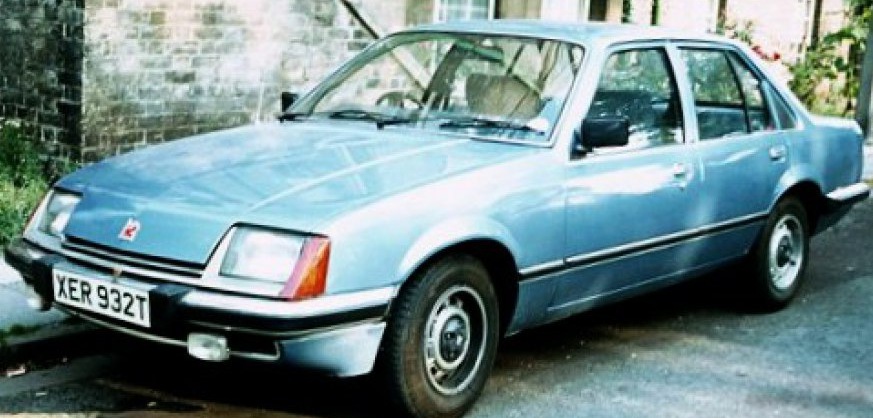
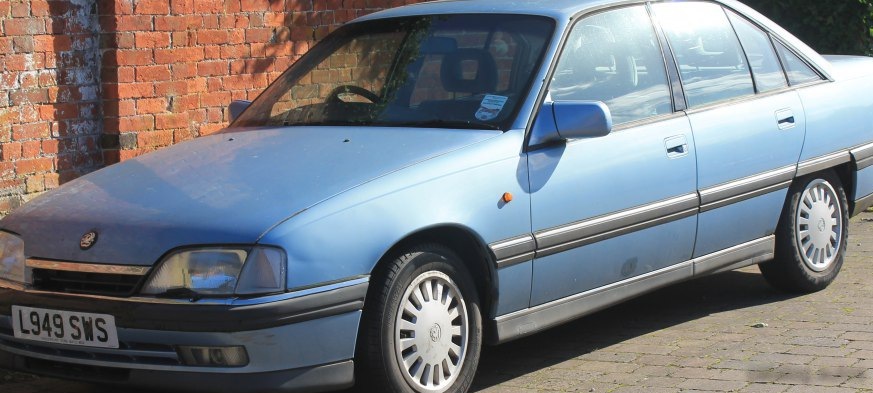
The Vauxhall Carlton Mk III 2.2 TD, produced between 1986 and 1988, represented a diesel-powered offering within the third generation of the Carlton executive car. Positioned as an economy-focused variant, it aimed to provide a more fuel-efficient alternative to the petrol-powered models in the range. The Mk III Carlton, internally designated as the GS series, was a significant redesign of the Carlton line, sharing its platform (the GM X-body) with the Opel Senator and Opel Omega. This particular 2.2 TD model, developing 90 horsepower, served as an entry point into the Carlton range for buyers prioritizing fuel economy and long-distance comfort over outright performance. It was a popular choice for company car fleets and those covering high annual mileages.
Powertrain & Engine Architecture
The Carlton 2.2 TD was powered by the 23YDT engine, a 2.2-liter inline-four cylinder diesel engine. This engine was a product of Vauxhall’s collaboration with Isuzu, who supplied the base engine design. The 23YDT featured indirect injection and a turbocharger with an intercooler, boosting power output to 90 hp. The turbocharger was crucial in mitigating the inherent torque deficit of naturally aspirated diesel engines of the era, providing a more responsive driving experience. Fuel injection was mechanically controlled, a common feature for diesel engines of this period, relying on a Bosch rotary injection pump. The engine utilized a single overhead camshaft (SOHC) valvetrain, operating two valves per cylinder. The transmission paired with the 2.2 TD was a three-speed automatic gearbox, chosen to provide ease of use and comfort, aligning with the car’s intended role as a relaxed cruiser. This automatic transmission, while offering convenience, was not known for its responsiveness or efficiency compared to manual alternatives, and was a GM-sourced unit.
Driving Characteristics
The 2.2 TD automatic Carlton offered a distinctly different driving experience compared to its petrol-powered siblings, or even the manual diesel versions. Acceleration was modest, with the 90 hp engine and three-speed automatic resulting in a 0-60 mph time of around 14-15 seconds. The focus was on relaxed cruising and fuel efficiency rather than spirited performance. The automatic transmission’s gear ratios were geared towards maximizing fuel economy, resulting in a noticeable lack of urgency when overtaking or climbing hills. The torque curve, typical of a turbocharged diesel, provided a reasonable amount of pulling power at lower engine speeds – around 160 lb-ft – but the engine quickly ran out of steam as the revs climbed. Compared to the more powerful 2.0L and 2.8L petrol engines, the 2.2 TD felt significantly slower, but it offered a substantial improvement in fuel economy, typically achieving between 35 and 40 miles per gallon on the highway. The rear-wheel drive configuration provided a balanced feel, although the relatively soft suspension setup meant it wasn’t a particularly sporty handler.
Equipment & Trim Levels
The 2.2 TD typically occupied a mid-range position in the Carlton Mk III lineup, often considered a step up from the base models but below the luxury-oriented trims. Standard equipment included central locking, electric front windows, and a basic stereo system. Interior upholstery was typically cloth, with a relatively conservative design. Optional extras included a sunroof, upgraded stereo systems, and leather upholstery, though these were less commonly specified on the diesel models due to their focus on value. The dashboard layout was functional and straightforward, reflecting the car’s overall emphasis on practicality. Air conditioning was available as an option, a desirable feature for long-distance comfort, and power steering was standard. Some models also featured a trip computer, displaying fuel consumption and range.
Chassis & Braking
The Carlton Mk III featured independent suspension all around, with MacPherson struts at the front and a semi-trailing arm suspension at the rear. The 2.2 TD variant typically used smaller diameter rear drum brakes, compared to the disc brakes found on higher-spec models. Front brakes were ventilated discs. Stabilizer bars were fitted to both the front and rear axles to reduce body roll. The suspension setup prioritized ride comfort over sharp handling, making the Carlton a comfortable long-distance cruiser. Steering was power-assisted, providing relatively light steering feel. The car’s weight, around 3,300 pounds, contributed to its stable but not particularly agile handling characteristics.
Market Reception & Comparison
The Vauxhall Carlton 2.2 TD was generally well-received as a practical and economical executive car. Critics praised its fuel efficiency and comfortable ride, but noted its lack of performance compared to petrol-powered rivals. Compared to the 2.0L petrol Carlton, the 2.2 TD offered significantly better fuel economy (around 35-40 mpg compared to 25-30 mpg for the petrol version), but at the cost of performance. The 2.8L ‘GSi’ model was in a completely different league, offering significantly more power and a sportier driving experience, but at a much higher price point. The 2.2 TD appealed to fleet buyers and private individuals who prioritized fuel economy and reliability over outright performance. It offered a compelling alternative for those seeking a comfortable and efficient long-distance cruiser.
Legacy
The 23YDT engine, while not known for being particularly refined, proved to be relatively durable and reliable if properly maintained. Regular oil changes and attention to the fuel system were crucial for longevity. The three-speed automatic transmission, however, was a potential weak point, with some units experiencing issues with wear and tear over time. Today, the Carlton 2.2 TD is a relatively rare sight on UK roads, with many examples having been scrapped or exported. Those remaining are often cherished by enthusiasts who appreciate their simplicity, fuel efficiency, and classic 1980s styling. Parts availability can be challenging, but a dedicated network of Vauxhall/Opel enthusiasts helps to keep these cars on the road. The 2.2 TD represents a unique chapter in the Carlton’s history, offering a glimpse into a time when diesel engines were increasingly being embraced as a viable alternative to petrol power, and a testament to the enduring appeal of a well-built, practical executive car.