
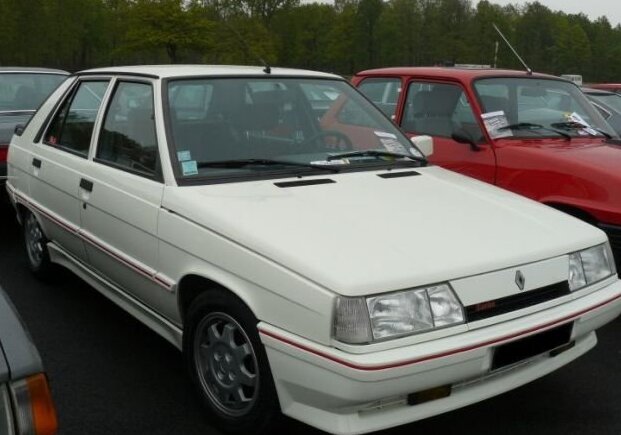
The Renault 11, produced between 1981 and 1985, represented a significant step forward for Renault in the small family car segment. Specifically, the 1.4-liter (B/C/S373) variant, producing 68 horsepower, served as a core model within the broader 11 range (B/C37). Positioned as the entry-level engine option, it aimed to provide affordable and economical transportation for a wide demographic. This generation of the Renault 11 was a key part of Renault’s strategy to modernize its lineup and compete effectively in the increasingly competitive European market.
Technical Specifications
| Brand | Renault |
| Model | 11 |
| Generation | 11 (B/C37) |
| Type (Engine) | 1.4 (B/C/S373) (68 Hp) |
| Start of Production | 1981 |
| End of Production | 1985 |
| Powertrain Architecture | Internal Combustion Engine |
| Body Type | Hatchback |
| Seats | 5 |
| Doors | 5 |
| Fuel Type | Petrol (Gasoline) |
| Power | 68 Hp |
| Engine Model/Code | C2J |
| Engine Aspiration | Naturally Aspirated |
| Engine Oil Capacity | 3.3 l (3.49 US qt | 2.9 UK qt) |
| Coolant Capacity | 6 l (6.34 US qt | 5.28 UK qt) |
| Fuel Tank Capacity | 47 l (12.42 US gal | 10.34 UK gal) |
Powertrain & Engine Architecture
The Renault 11 1.4 utilized the C2J engine, a 1397cc inline-four cylinder petrol engine. This engine was a relatively simple design, featuring a single overhead camshaft (SOHC) operating two valves per cylinder. Fuel delivery was managed by a single, down-draft carburetor – a common setup for vehicles of this era and price point. The carburetor, while less precise than fuel injection, contributed to the engine’s simplicity and ease of maintenance. The engine’s block was cast iron, providing durability, while the cylinder head was aluminum, helping to reduce weight. The 68 horsepower output was achieved at approximately 5,300 rpm, with peak torque of around 88 lb-ft (120 Nm) at 3,000 rpm. The transmission paired with this engine was typically a four-speed manual, but a three-speed automatic transmission was also offered, though less common. The automatic transmission was a conventional hydraulic unit, known for its smooth, if somewhat leisurely, shifts.
Driving Characteristics
The 1.4-liter Renault 11, particularly when equipped with the three-speed automatic transmission, was not designed for outright performance. Acceleration was modest, taking around 14-15 seconds to reach 60 mph. The automatic transmission’s gear ratios were geared towards fuel economy rather than rapid acceleration. In real-world driving, the car felt best suited to urban and suburban environments, where its nimble handling and relatively compact size were advantages. Compared to the more powerful 1.6-liter versions of the Renault 11, the 1.4 felt noticeably slower, especially when fully loaded with passengers and luggage. The manual transmission version offered a slightly more engaging driving experience and improved fuel economy, but still prioritized practicality over performance. The suspension, while comfortable, was not particularly sporty, resulting in some body roll during cornering.
Equipment & Trim Levels
The 1.4-liter Renault 11 typically represented the base trim level. Standard equipment included cloth upholstery, basic instrumentation (speedometer, fuel gauge, temperature gauge), and manually operated windows and door locks. The interior was functional and durable, but lacked the refinements found in higher-spec models. Optional extras included a radio, upgraded upholstery, and a sunroof. The dashboard layout was straightforward, with all controls within easy reach of the driver. The steering wheel was typically made of plastic, reflecting the car’s budget-oriented positioning. Exterior features included steel wheels with hubcaps, and relatively simple exterior trim.
Chassis & Braking
The Renault 11 utilized a front-wheel-drive layout with a MacPherson strut suspension at the front and a torsion beam suspension at the rear. The torsion beam rear suspension was a cost-effective solution that provided adequate ride comfort for everyday driving. Braking was typically accomplished with disc brakes at the front and drum brakes at the rear. The braking system was adequate for the car’s weight and performance, but lacked the stopping power of more modern vehicles. Steering was rack-and-pinion, providing reasonably precise control. The car’s relatively light weight (around 1,800 lbs) contributed to its nimble handling.
Market Reception & Comparison
The Renault 11 1.4 was generally well-received as an affordable and practical family car. Critics praised its fuel economy and ease of driving, but noted its lack of performance. Compared to other cars in its class, such as the Peugeot 205 and the Citroën Visa, the Renault 11 offered a good balance of price, practicality, and comfort. The 1.6-liter versions of the Renault 11 were often preferred by drivers who prioritized performance, while the 1.4-liter version appealed to those seeking a more economical option. Fuel economy was a key selling point, with the 1.4-liter engine achieving around 35-40 mpg in mixed driving conditions. Reliability was generally good, although the carburetor required periodic adjustment and maintenance.
Legacy
The Renault 11, and specifically the 1.4-liter variant, holds a nostalgic place in the hearts of many European drivers. While not known for its performance or luxury, it was a reliable and affordable car that provided transportation for a generation. Today, the Renault 11 is becoming increasingly sought after by classic car enthusiasts, particularly well-maintained examples. The C2J engine, while simple, is relatively robust and can provide years of reliable service with proper maintenance. Parts availability can be a challenge, but many components are still available through specialist suppliers. The Renault 11 1.4 remains a testament to Renault’s ability to produce practical and affordable cars that met the needs of a wide range of customers.
