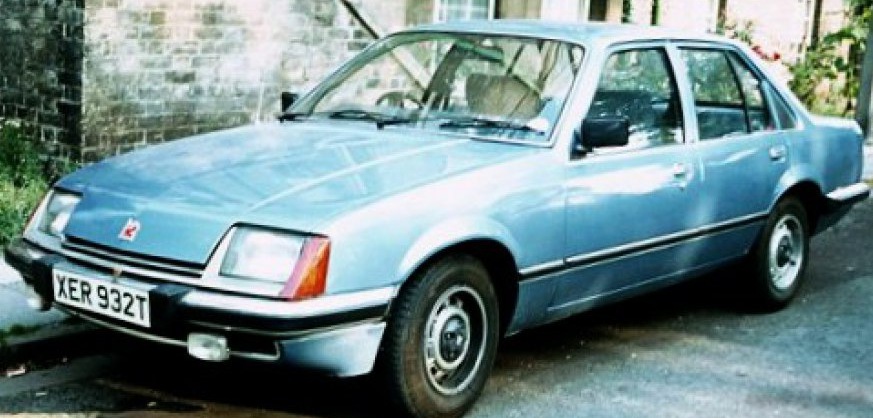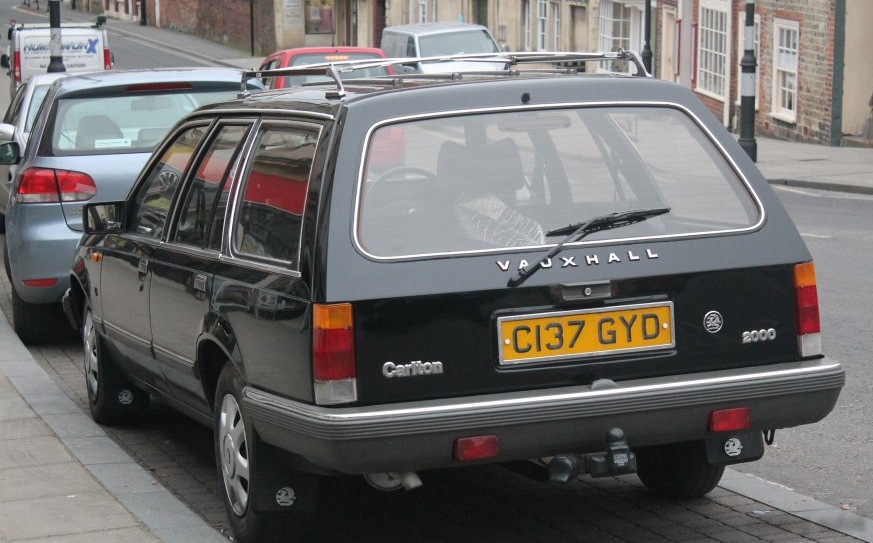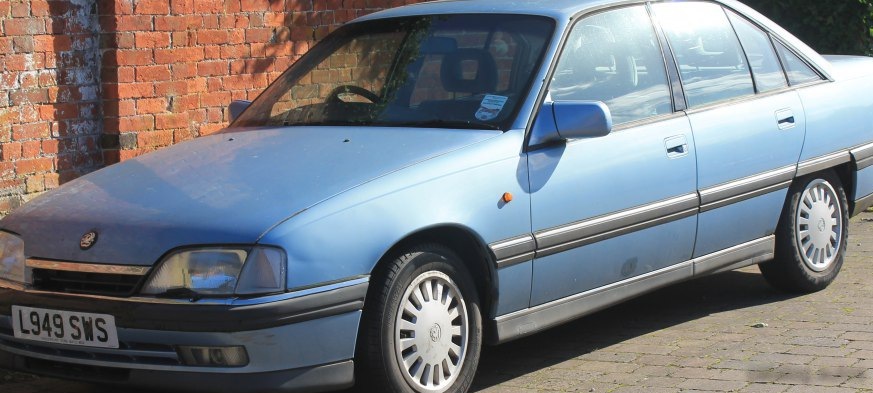
The Vauxhall Carlton Mk III 2.3 TD Intercooled, produced between 1988 and 1994, represented a significant offering in the large executive car segment for the British market. Positioned as a more economical alternative to the petrol-powered Carlton variants, the 2.3 TD Intercooled model aimed to provide a blend of comfort, space, and fuel efficiency. It was part of the Mk III generation (designated as the C-series internally), which saw substantial revisions over the earlier Mk II, focusing on improved aerodynamics and a more modern interior. This diesel variant played a crucial role in attracting buyers seeking lower running costs without sacrificing the prestige associated with the Carlton nameplate.
Technical Specifications
| Brand | Vauxhall |
| Model | Carlton Mk III |
| Type (Engine) | 2.3 TD Intercooled (100 Hp) |
| Start of Production | 1988 |
| End of Production | 1994 |
| Powertrain Architecture | Internal Combustion Engine |
| Body Type | Sedan |
| Seats | 5 |
| Doors | 4 |
| Fuel Type | Diesel |
| Power | 100 Hp |
| Engine Model/Code | 23DTR |
| Engine Aspiration | Turbocharger |
| Engine Oil Capacity | 5.5 l (5.81 US qt | 4.84 UK qt) |
| Coolant Capacity | 10.9 l (11.52 US qt | 9.59 UK qt) |
| Trunk (Boot) Space – Minimum | 520 l (18.36 cu. ft.) |
| Trunk (Boot) Space – Maximum | 870 l (30.72 cu. ft.) |
| Fuel Tank Capacity | 75 l (19.81 US gal | 16.5 UK gal) |
| Length | 4768 mm (187.72 in.) |
| Width | 1812 mm (71.34 in.) |
| Width including Mirrors | 1933 mm (76.1 in.) |
| Height | 1435 mm (56.5 in.) |
| Wheelbase | 2730 mm (107.48 in.) |
| Drivetrain Architecture | Rear Wheel Drive |
Powertrain & Engine Architecture
The heart of the Carlton 2.3 TD Intercooled was the 23DTR engine, a 2.3-liter inline-four cylinder diesel. This engine was based on the Opel/Vauxhall ‘Family II’ design, but significantly modified for diesel operation and turbocharged induction. The 23DTR featured indirect injection, utilizing a Bosch rotary injection pump to deliver fuel into the pre-chamber before entering the main combustion chamber. This system, while not as refined as direct injection, offered good reliability and acceptable performance for the era. The addition of an intercooler, a key feature of this variant, helped to reduce intake air temperatures, increasing air density and boosting power output to 100 horsepower. The engine produced approximately 195 lb-ft of torque, providing reasonable pulling power for a large sedan. The transmission offered was a four-speed automatic, a Borg-Warner unit known for its durability, though not particularly quick shifting. The automatic transmission was chosen to appeal to buyers prioritizing comfort and ease of driving over sporty performance.
Driving Characteristics
The 2.3 TD Intercooled Carlton offered a distinctly different driving experience compared to its petrol-powered siblings. While lacking the outright acceleration of the 2.0L or 3.0L versions, it provided a more relaxed and fuel-efficient cruising experience. The four-speed automatic transmission, while smooth, had relatively widely spaced gear ratios. This meant that initial acceleration from a standstill was somewhat sluggish, but once up to speed, the engine settled into a comfortable rhythm. The turbocharger provided a noticeable boost in power at higher RPMs, but turbo lag was present, requiring drivers to anticipate acceleration. Compared to the manual transmission versions, the automatic Carlton felt less engaging, but it was significantly easier to drive in congested urban environments. The rear-wheel-drive configuration provided balanced handling, although the car’s considerable weight (around 3,600 lbs) meant it wasn’t particularly nimble.
Equipment & Trim Levels
The 2.3 TD Intercooled Carlton typically occupied a mid-range position within the Carlton lineup. Standard equipment included central locking, electric windows, power steering, and an adjustable steering column. Interior upholstery was typically cloth, although leather options were available as an extra cost. The dashboard layout was functional and straightforward, with clear instrumentation. Optional extras included a sunroof, upgraded sound system, and alloy wheels. The trim level was generally aimed at providing a comfortable and well-equipped vehicle for long-distance travel, appealing to company car drivers and families.
Chassis & Braking
The Carlton Mk III utilized a MacPherson strut front suspension and a semi-trailing arm rear suspension. The suspension was tuned for comfort, providing a relatively soft ride quality. The 2.3 TD Intercooled model typically featured front disc brakes and rear drum brakes. While adequate for normal driving conditions, the braking system wasn’t particularly powerful, especially considering the car’s weight. A stabilizer bar was fitted to both the front and rear axles to reduce body roll during cornering. The steering was power-assisted, making it relatively light and easy to maneuver, although it lacked the precision of more modern steering systems.
Market Reception & Comparison
The Vauxhall Carlton 2.3 TD Intercooled was generally well-received by critics as a practical and economical executive car. It offered a compelling alternative to more expensive petrol-powered rivals, particularly for those covering high mileages. Fuel economy was a key selling point, with the diesel engine returning around 35-40 mpg on the combined cycle. Compared to the 2.0L petrol version, the diesel offered significantly better fuel economy, but at the expense of performance. The 3.0L ‘GSi’ model, with its powerful six-cylinder engine, offered considerably more performance but was significantly more expensive to run. Reliability was generally good, although the diesel injection pump required regular maintenance. The automatic transmission proved durable, but could be prone to occasional issues if not serviced properly.
Legacy
The Vauxhall Carlton 2.3 TD Intercooled has become a relatively sought-after classic car in recent years, particularly among enthusiasts who appreciate its understated style and robust engineering. The 23DTR engine, while not known for its refinement, is generally considered to be reliable and relatively easy to maintain. Finding well-maintained examples can be challenging, as many were used as high-mileage company cars. However, the Carlton’s spacious interior, comfortable ride, and relatively low running costs make it an appealing option for those seeking a classic executive car. Parts availability is generally good, although some specific components may be difficult to source. The 2.3 TD Intercooled Carlton represents a unique chapter in British automotive history, offering a blend of practicality, comfort, and fuel efficiency that remains relevant even today.