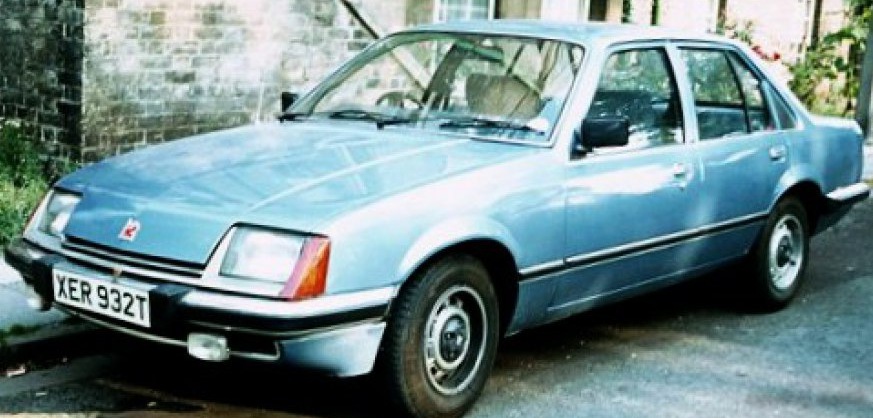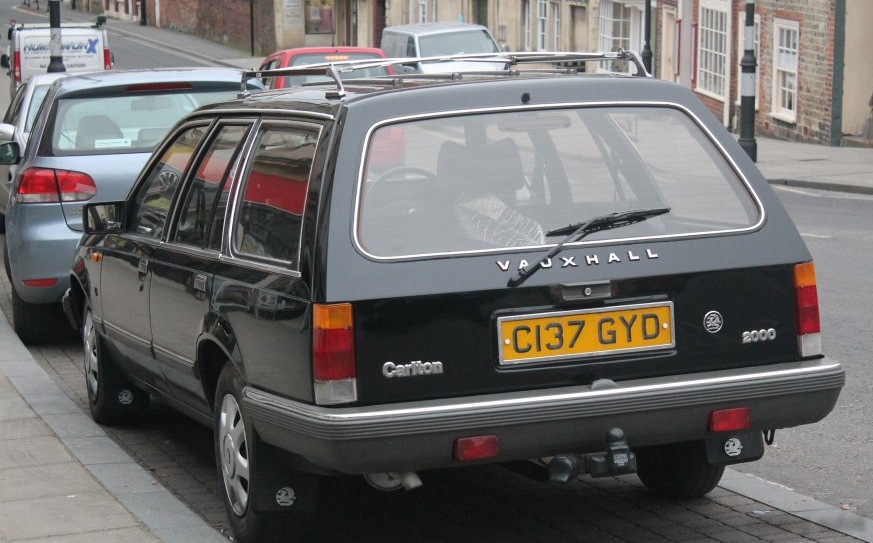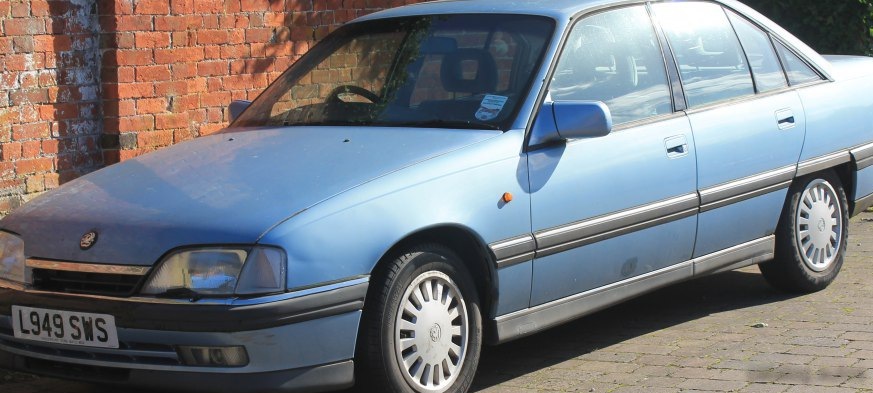
Technical Specifications
| Brand | Vauxhall |
| Model | Carlton Mk III |
| Generation | Carlton Mk III |
| Type (Engine) | 3.0 3000 CAT (177 Hp) |
| Start of production | 1987 |
| End of production | 1988 |
| Powertrain Architecture | Internal Combustion engine |
| Body type | Sedan |
| Seats | 5 |
| Doors | 4 |
| Fuel Type | Petrol (Gasoline) |
| Power | 177 Hp |
| Engine Model/Code | 30NE |
| Engine aspiration | Naturally aspirated engine |
| Engine oil capacity | 5.5 l (5.81 US qt | 4.84 UK qt) |
| Coolant capacity | 10.2 l (10.78 US qt | 8.97 UK qt) |
| Trunk (boot) space – minimum | 520 l (18.36 cu. ft.) |
| Trunk (boot) space – maximum | 870 l (30.72 cu. ft.) |
| Fuel tank capacity | 75 l (19.81 US gal | 16.5 UK gal) |
| Length | 4768 mm (187.72 in.) |
| Width | 1812 mm (71.34 in.) |
| Width including mirrors | 1933 mm (76.1 in.) |
| Height | 1435 mm (56.5 in.) |
| Wheelbase | 2730 mm (107.48 in.) |
| Drivetrain Architecture | Rear wheel drive |
The Vauxhall Carlton Mk III 3.0 3000 CAT, produced between 1987 and 1988, represented a significant iteration of Vauxhall’s flagship executive car. Positioned as a premium offering within the Mk III Carlton range (launched in 1986, internally designated as the GS series), the 3.0 CAT was aimed at buyers seeking a blend of performance, comfort, and refinement. It served as a direct competitor to vehicles like the Ford Granada and Rover 800, offering a more modern and technologically advanced package than its predecessors. The “CAT” designation refers to the catalytic converter fitted as standard, reflecting increasingly stringent emissions regulations in Europe at the time. This model occupied a middle ground in the Mk III lineup, sitting above the 2.0 and 2.8 models but below the later, more powerful 3.0 GSi variant.
Powertrain & Engine Architecture
The heart of the Carlton 3.0 CAT was the 30NE engine, a 2,998 cc (183 cubic inches) naturally aspirated V6. This engine was based on the CIS (Continuous Injection System) Bosch fuel injection system, a relatively sophisticated setup for its time, though increasingly superseded by more modern multi-point injection systems. The 30NE featured a single overhead camshaft per cylinder bank, operating two valves per cylinder. The engine produced 177 horsepower at 5,200 rpm and 202 lb-ft of torque at 4,000 rpm. The catalytic converter, crucial for meeting emissions standards, slightly detuned the engine compared to non-CAT versions available in some markets. The transmission was a four-speed automatic, a GM-sourced unit known for its smoothness but not particularly for its responsiveness. This automatic transmission was a key characteristic of this variant, aimed at buyers prioritizing comfort over sporty driving dynamics.
Driving Characteristics
The Carlton 3.0 CAT with the automatic transmission offered a comfortable and refined driving experience. Acceleration was adequate, with a 0-60 mph time of around 9.5 seconds, but it wasn’t a particularly quick car by contemporary standards. The automatic transmission, while smooth, did detract from the engine’s potential, resulting in a noticeable delay in response. Gear ratios were geared towards cruising, making it a capable long-distance tourer. Compared to the five-speed manual version, the automatic felt noticeably slower and less engaging. The 2.8-liter Carlton offered a similar driving experience but with less power, while the later 3.0 GSi, with its higher output and sportier suspension, provided a significantly more dynamic drive.
Equipment & Trim Levels
The 3.0 CAT trim level was well-equipped for its time. Standard features included central locking, electric windows, power-assisted steering, and an upgraded stereo system. Interior upholstery was typically cloth, available in a range of colors, with options for leather upgrades. The dashboard featured wood trim and a comprehensive instrument cluster. Optional extras included a sunroof, air conditioning, and upgraded sound systems. The overall interior ambiance was one of understated luxury, reflecting the car’s executive status. The trim level aimed to provide a comfortable and well-appointed cabin without the outright extravagance of the GSi model.
Chassis & Braking
The Carlton Mk III utilized a MacPherson strut front suspension and a semi-trailing arm rear suspension. The 3.0 CAT featured a slightly stiffer suspension setup than the lower-spec models, providing improved handling and stability. Braking was initially specified with front disc brakes and rear drum brakes, although later models often featured all-round disc brakes. Anti-lock braking (ABS) was available as an option, a relatively advanced feature for the late 1980s. Stabilizer bars were fitted front and rear, contributing to reduced body roll during cornering. The chassis was designed to provide a comfortable ride while maintaining a reasonable level of handling competence.
Market Reception & Comparison
The Vauxhall Carlton 3.0 CAT was generally well-received by automotive critics. It was praised for its comfortable ride, spacious interior, and refined engine. However, the automatic transmission was often criticized for its lack of responsiveness. Fuel economy was reasonable for a car of its size and engine capacity, averaging around 22-26 mpg. Compared to the 2.8-liter Carlton, the 3.0 CAT offered a noticeable performance improvement. Against rivals like the Ford Granada, it was considered to be more modern and technologically advanced, but the Granada often offered a more affordable price point. Reliability was generally good, although the CIS fuel injection system could be prone to occasional issues requiring specialized maintenance.
Legacy
The Vauxhall Carlton Mk III 3.0 CAT, while not a particularly rare or highly sought-after classic today, represents a significant example of British executive car design from the late 1980s. The 30NE engine, while not known for its outright performance, proved to be a relatively durable and reliable unit when properly maintained. Finding well-preserved examples is becoming increasingly difficult, as many have succumbed to rust or have been scrapped. In the used car market, these cars are typically valued for their classic appeal and relatively affordable price, making them an accessible entry point into classic car ownership. The automatic transmission variant, while not the most desirable among enthusiasts, remains a popular choice for those seeking a comfortable and easy-to-drive classic saloon.