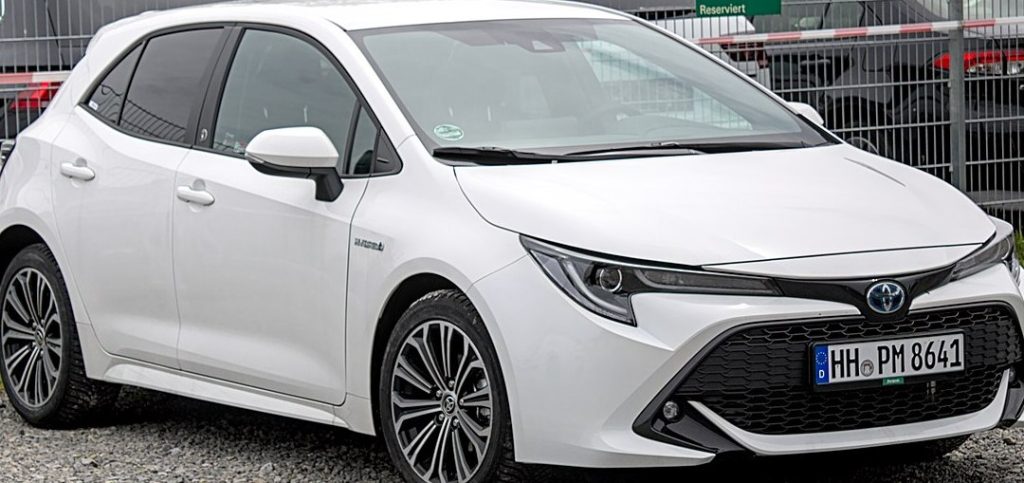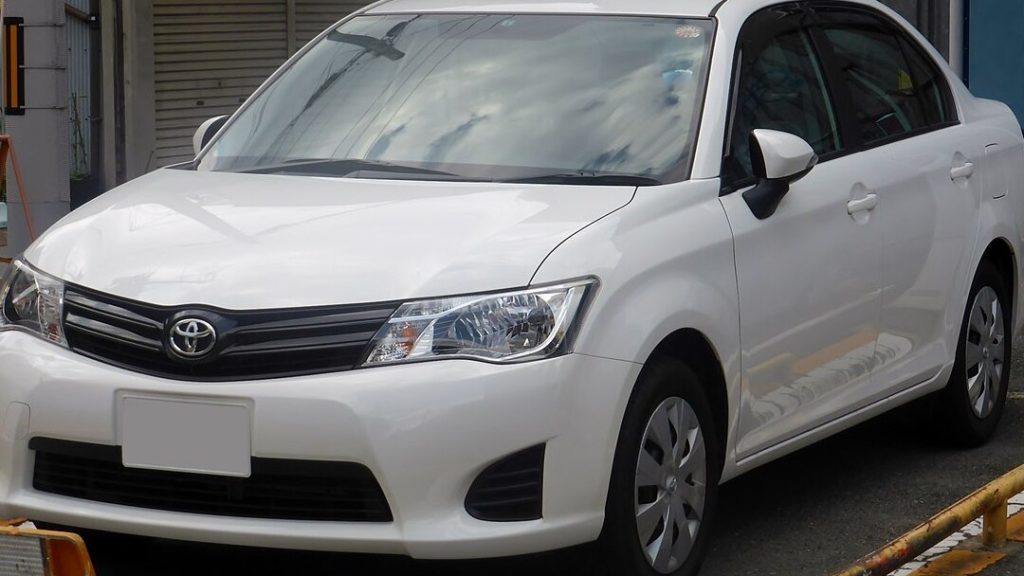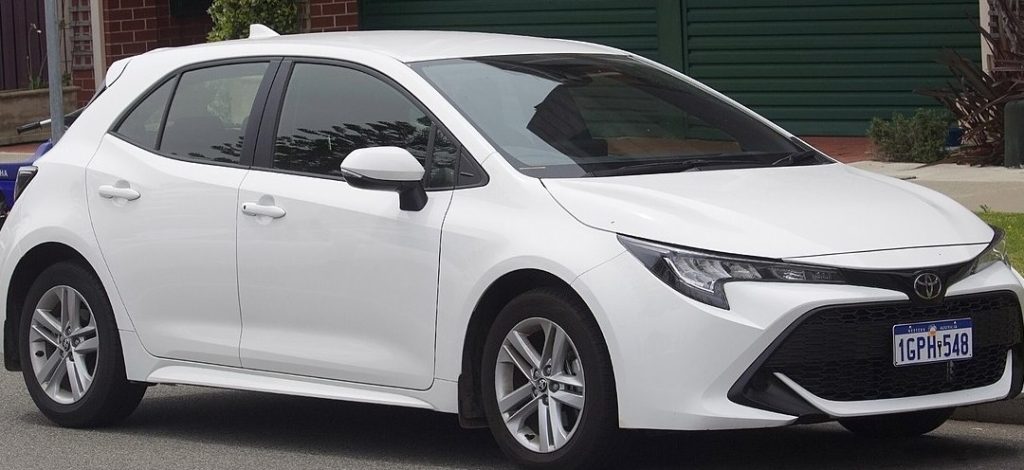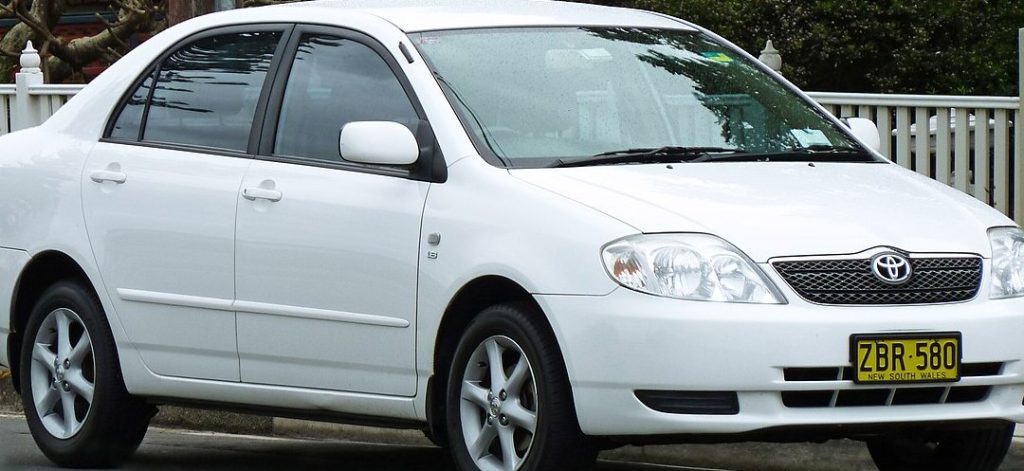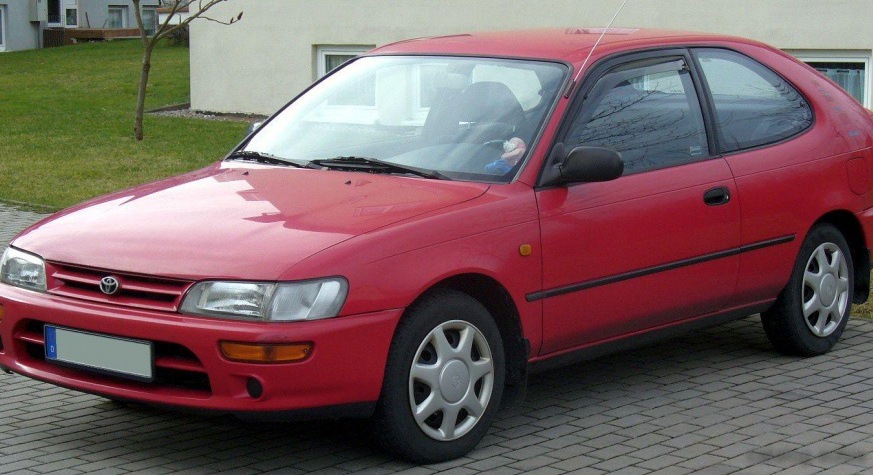
The Toyota Corolla E100, produced from 1992 to 1997, represented the seventh generation of Toyota’s globally successful Corolla line. Within this generation, the 1.6 i 16V Si variant – boasting 114 horsepower – occupied a significant middle ground in the lineup, offering a balance between affordability, performance, and features. Primarily sold in Europe and other international markets, the E100 aimed to provide reliable and economical transportation, while the ‘Si’ trim level indicated a sportier focus compared to base models. This particular configuration, typically found in the 3-door hatchback body style, was a popular choice for younger drivers and those seeking a practical yet engaging driving experience.
Technical Specifications
| Brand | Toyota |
| Model | Corolla |
| Generation | Corolla Compact VII (E100) |
| Type (Engine) | 1.6 i 16V Si (114 Hp) |
| Start of production | 1992 |
| End of production | 1997 |
| Powertrain Architecture | Internal Combustion engine |
| Body type | Hatchback |
| Seats | 5 |
| Doors | 3 |
| Fuel consumption (combined) | 7.3 l/100 km (32.2 US mpg, 38.7 UK mpg, 13.7 km/l) |
| Fuel Type | Petrol (Gasoline) |
| Acceleration 0 – 100 km/h | 10 sec |
| Acceleration 0 – 62 mph | 10 sec |
| Acceleration 0 – 60 mph | 9.5 sec |
| Maximum speed | 195 km/h (121.17 mph) |
| Weight-to-power ratio | 9.4 kg/Hp, 106.8 Hp/tonne |
| Weight-to-torque ratio | 7.4 kg/Nm, 135.9 Nm/tonne |
| Power | 114 Hp @ 6000 rpm |
| Power per litre | 71.8 Hp/l |
| Torque | 145 Nm @ 4800 rpm (106.95 lb.-ft. @ 4800 rpm) |
| Engine layout | Front, Transverse |
| Engine Model/Code | 4A-FE |
| Engine displacement | 1587 cm3 (96.84 cu. in.) |
| Number of cylinders | 4 |
| Engine configuration | Inline |
| Cylinder Bore | 81 mm (3.19 in.) |
| Piston Stroke | 77 mm (3.03 in.) |
| Compression ratio | 9.5:1 |
| Number of valves per cylinder | 4 |
| Fuel injection system | Multi-port manifold injection |
| Engine aspiration | Naturally aspirated engine |
| Valvetrain | DOHC |
| Engine oil capacity | 3.3 l (3.49 US qt | 2.9 UK qt) |
| Coolant | 5 l (5.28 US qt | 4.4 UK qt) |
| Kerb Weight | 1067 kg (2352.33 lbs.) |
| Max. weight | 1595 kg (3516.37 lbs.) |
| Max load | 528 kg (1164.04 lbs.) |
| Trunk (boot) space – minimum | 309 l (10.91 cu. ft.) |
| Trunk (boot) space – maximum | 748 l (26.42 cu. ft.) |
| Fuel tank capacity | 50 l (13.21 US gal | 11 UK gal) |
| Length | 4095 mm (161.22 in.) |
| Width | 1685 mm (66.34 in.) |
| Height | 1380 mm (54.33 in.) |
| Wheelbase | 2465 mm (97.05 in.) |
| Front track | 1460 mm (57.48 in.) |
| Rear (Back) track | 1450 mm (57.09 in.) |
| Drivetrain Architecture | The Internal combustion engine (ICE) drives the front wheels of the vehicle. |
| Drive wheel | Front wheel drive |
| Number of gears and type of gearbox | 5 gears, manual transmission |
| Front suspension | Spring Strut |
| Rear suspension | Spring Strut |
| Front brakes | Ventilated discs |
| Rear brakes | Drum |
| Assisting systems | ABS (Anti-lock braking system) |
| Steering type | Steering rack and pinion |
| Power steering | Hydraulic Steering |
| Tires size | 185/65 R14 H |
Powertrain & Engine Architecture
The heart of the 1.6 i 16V Si was the 4A-FE engine, a 1.6-liter (1587cc) inline-four cylinder powerplant. This engine was a staple in Toyota’s lineup during the 1990s, known for its reliability and relatively simple design. The ‘16V’ designation indicated a dual overhead camshaft (DOHC) valvetrain, operating four valves per cylinder. This configuration allowed for improved breathing and higher engine speeds compared to older, simpler designs. Fuel delivery was handled by a multi-port fuel injection system, providing precise fuel metering for optimal combustion. The 4A-FE produced 114 horsepower at 6000 rpm and 145 Nm (106.95 lb-ft) of torque at 4800 rpm. The engine was transversely mounted, driving the front wheels. The E100 Si typically came equipped with a 5-speed manual transmission, although automatic options were available in some markets. The manual gearbox provided a direct and engaging driving experience, well-suited to the engine’s characteristics.
Driving Characteristics
The 1.6 i 16V Si offered a noticeable step up in performance compared to the base 1.3 or 1.4-liter Corolla models. While not a sports car by any means, the 114 hp engine provided adequate power for everyday driving and even some spirited acceleration. The 0-60 mph time of around 9.5 seconds was respectable for the era. The five-speed manual transmission allowed drivers to keep the engine in its sweet spot, maximizing power delivery. Gear ratios were fairly well-spaced, providing good acceleration in each gear. Compared to the automatic transmission equipped models, the manual version felt more responsive and engaging. The suspension, while not particularly sophisticated, provided a comfortable ride without excessive body roll. Steering was light and precise, making the car easy to maneuver in urban environments.
Equipment & Trim Levels
The ‘Si’ trim level represented a mid-range offering within the E100 Corolla lineup. Standard equipment typically included power steering, central locking, electric windows, and an upgraded interior trim. The interior featured cloth upholstery, and the dashboard layout was functional and straightforward. Optional extras could include air conditioning, a sunroof, and upgraded audio systems. The Si trim also often featured slightly sportier styling cues, such as a rear spoiler and alloy wheels. The overall interior ambiance was practical and durable, reflecting Toyota’s focus on reliability and longevity.
Chassis & Braking
The E100 Corolla utilized a relatively simple chassis design, featuring a MacPherson strut front suspension and a torsion beam rear suspension. This setup provided a good balance between ride comfort and handling. Braking duties were handled by ventilated discs on the front wheels and drum brakes on the rear. Anti-lock braking system (ABS) was often included as standard equipment on the Si trim, enhancing safety. The chassis was relatively lightweight, contributing to the car’s nimble handling characteristics. Stabilizer bars were fitted to both the front and rear axles to reduce body roll during cornering.
Market Reception & Comparison
The Toyota Corolla E100 1.6 i 16V Si was generally well-received by automotive critics. It was praised for its reliability, fuel efficiency, and comfortable ride. However, some critics noted that the engine lacked outright power compared to some of its rivals. Compared to other trims in the Corolla lineup, the 1.6 Si offered a noticeable performance advantage over the base models, but at a slightly higher price point. The 1.6 Si was often seen as a good alternative to competitors such as the Volkswagen Golf and Ford Escort, offering a similar level of practicality and reliability. Fuel economy was a strong point, averaging around 32.2 US mpg in combined driving.
Legacy
The Toyota Corolla E100 1.6 i 16V Si has proven to be a remarkably durable and reliable vehicle. Many examples are still on the road today, testament to Toyota’s engineering prowess. The 4A-FE engine is known for its longevity and relatively low maintenance costs. In the used car market, these Corollas are often sought after by enthusiasts and those looking for an affordable and dependable vehicle. While not a collector’s item, well-maintained examples command reasonable prices. The E100 generation, and the 1.6 i 16V Si variant in particular, cemented the Corolla’s reputation as a benchmark for reliability and practicality in the compact car segment.