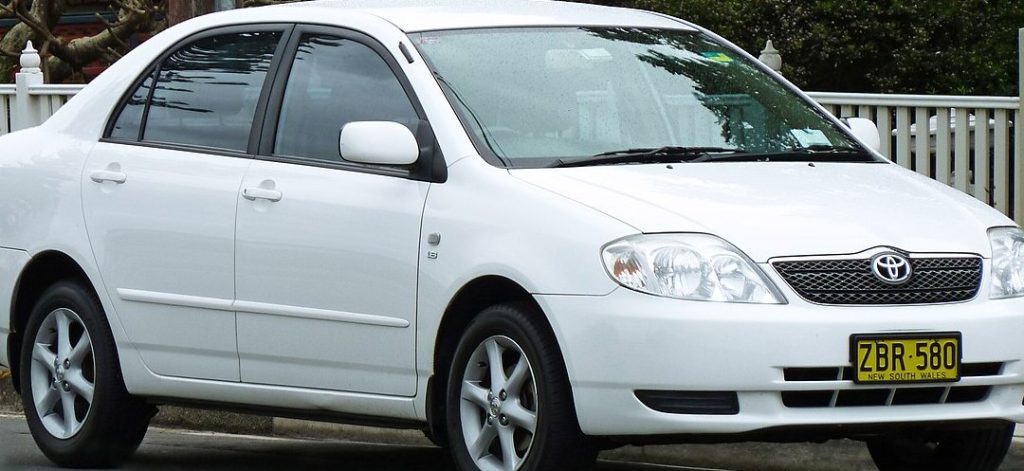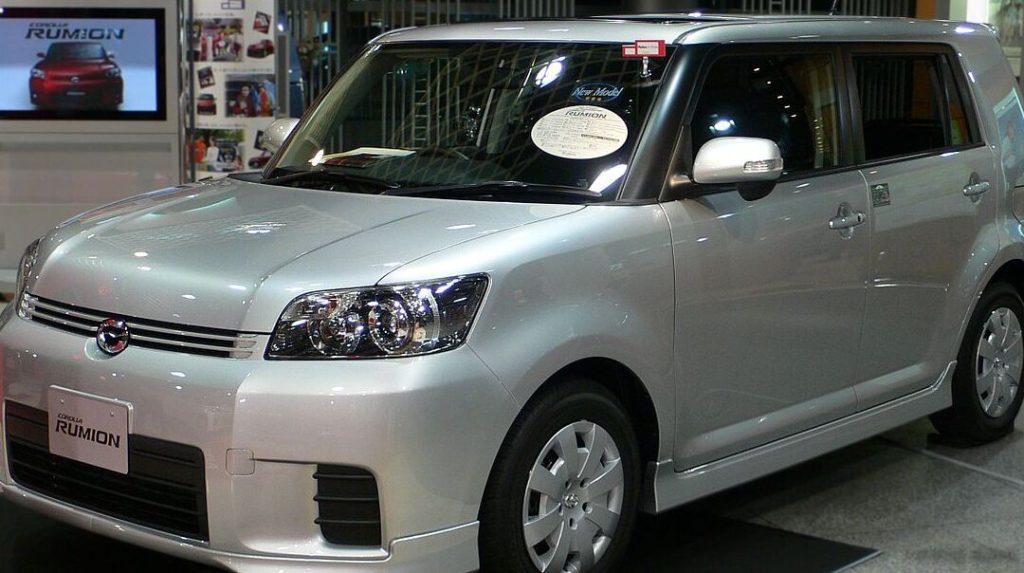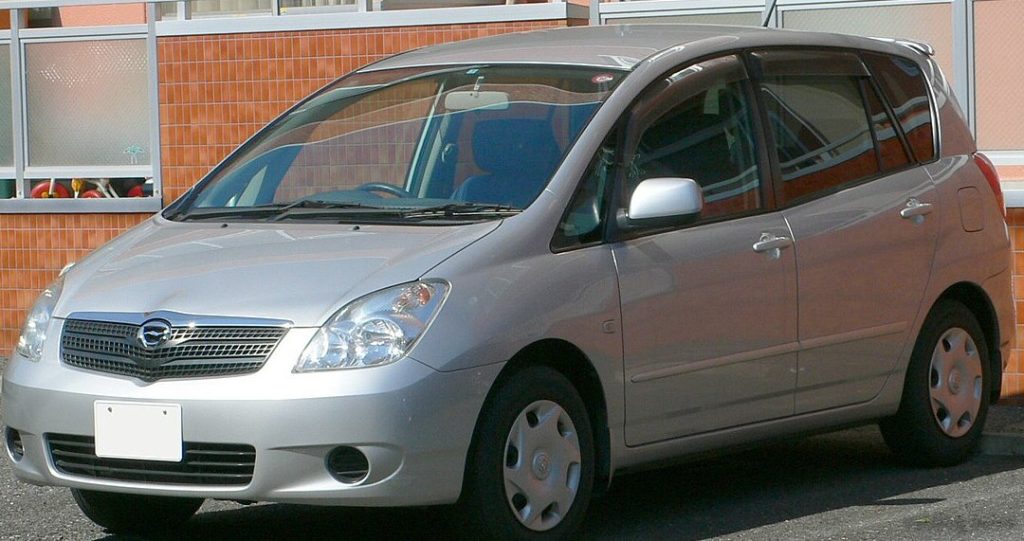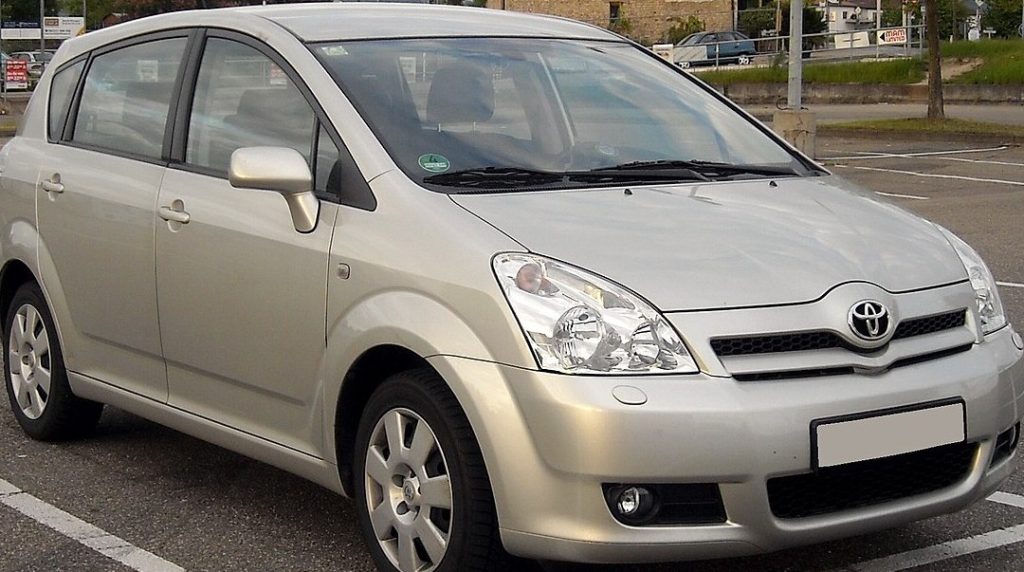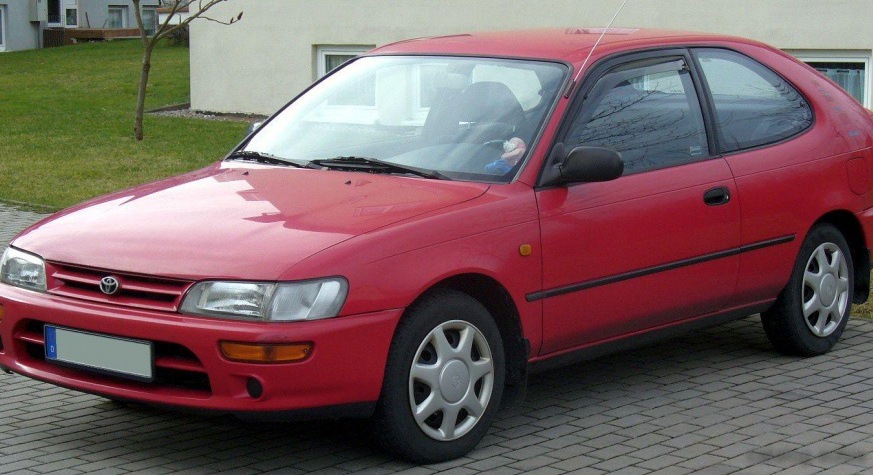
The Toyota Corolla Compact VII (E100) 2.0 D XL, produced between 1992 and 1997, represented a significant offering in the European diesel market. This variant, powered by the 2C engine, was positioned as a practical and economical choice within the broader E100 Corolla lineup, which spanned both hatchback and wagon body styles. The E100 generation marked a move towards more rounded styling and improved interior space compared to its predecessor, the E90. The 2.0 D XL specifically catered to buyers seeking a larger-displacement diesel engine for improved torque and long-distance cruising capability, though at the expense of outright performance. It was a popular choice for fleet buyers and private owners alike, valued for its reliability and fuel efficiency.
Technical Specifications
| Brand | Toyota |
| Model | Corolla |
| Generation | Corolla Compact VII (E100) |
| Type (Engine) | 2.0 D XL (72 Hp) |
| Start of production | 1992 |
| End of production | 1997 |
| Powertrain Architecture | Internal Combustion engine |
| Body type | Hatchback |
| Seats | 5 |
| Doors | 3-5 |
| Fuel consumption (combined) | 5.6 l/100 km (42 US mpg, 50.4 UK mpg, 17.9 km/l) |
| Fuel Type | Diesel |
| Acceleration 0 – 100 km/h | 14.1 sec |
| Acceleration 0 – 62 mph | 14.1 sec |
| Acceleration 0 – 60 mph | 13.4 sec |
| Maximum speed | 165 km/h (102.53 mph) |
| Weight-to-power ratio | 15.6 kg/Hp, 64.3 Hp/tonne |
| Weight-to-torque ratio | 8.5 kg/Nm, 117 Nm/tonne |
| Power | 72 Hp @ 4600 rpm |
| Power per litre | 36.5 Hp/l |
| Torque | 131 Nm @ 2600 rpm (96.62 lb.-ft. @ 2600 rpm) |
| Engine layout | Front, Transverse |
| Engine Model/Code | 2C |
| Engine displacement | 1975 cm3 (120.52 cu. in.) |
| Number of cylinders | 4 |
| Engine configuration | Inline |
| Cylinder Bore | 86 mm (3.39 in.) |
| Piston Stroke | 85 mm (3.35 in.) |
| Compression ratio | 23:1 |
| Number of valves per cylinder | 4 |
| Fuel injection system | Precombustion chamber injection |
| Engine aspiration | Naturally aspirated engine |
| Valvetrain | OHC |
| Engine oil capacity | 5.3 l (5.6 US qt | 4.66 UK qt) |
| Coolant | 7.3 l (7.71 US qt | 6.42 UK qt) |
| Kerb Weight | 1120 kg (2469.18 lbs.) |
| Max. weight | 1610 kg (3549.44 lbs.) |
| Max load | 490 kg (1080.27 lbs.) |
| Trunk (boot) space – minimum | 309 l (10.91 cu. ft.) |
| Trunk (boot) space – maximum | 748 l (26.42 cu. ft.) |
| Fuel tank capacity | 50 l (13.21 US gal | 11 UK gal) |
| Length | 4095 mm (161.22 in.) |
| Width | 1685 mm (66.34 in.) |
| Height | 1380 mm (54.33 in.) |
| Wheelbase | 2465 mm (97.05 in.) |
| Front track | 1460 mm (57.48 in.) |
| Rear (Back) track | 1450 mm (57.09 in.) |
| Drivetrain Architecture | The Internal combustion engine (ICE) drives the front wheels of the vehicle. |
| Drive wheel | Front wheel drive |
| Number of gears and type of gearbox | 5 gears, manual transmission |
| Front suspension | Spring Strut |
| Rear suspension | Spring Strut |
| Front brakes | Ventilated discs |
| Rear brakes | Drum |
| Assisting systems | ABS (Anti-lock braking system) |
| Steering type | Steering rack and pinion |
| Power steering | Hydraulic Steering |
| Tires size | 185/65 R14 T |
Powertrain & Engine Architecture
The heart of the Corolla 2.0 D XL was the Toyota 2C diesel engine. This 1.975-liter inline-four cylinder engine utilized precombustion chamber injection, a common diesel technology of the era. This system involved injecting fuel into a precombustion chamber connected to the main cylinder, promoting more complete combustion and reducing noise. The 2C engine featured an overhead camshaft (OHC) valvetrain, operating four valves per cylinder. While 72 horsepower might seem modest by modern standards, the engine produced a respectable 131 Nm (96.62 lb.-ft.) of torque at 2600 rpm, making it well-suited for hauling loads and tackling inclines. The engine was paired with a five-speed manual transmission, providing a balance between fuel economy and drivability. The 2C engine was known for its durability and relatively simple construction, contributing to the Corolla’s reputation for reliability.
Driving Characteristics
The 2.0 D XL offered a distinctly different driving experience compared to the gasoline-powered Corolla variants. Acceleration was leisurely, with a 0-60 mph time of around 13.4 seconds. The focus was on torque delivery rather than outright speed. The five-speed manual transmission allowed drivers to keep the engine in its optimal power band, but frequent shifting was often necessary, especially when overtaking. Compared to the more powerful gasoline engines available in the E100 range, the 2.0 D XL prioritized fuel economy and low-speed tractability. The suspension, tuned for comfort, provided a reasonably smooth ride, although it could feel somewhat soft during spirited driving. The ventilated front discs and drum brakes on the rear provided adequate stopping power for the vehicle’s weight and performance.
Equipment & Trim Levels
The “XL” designation indicated a mid-range trim level for the Corolla. Standard equipment typically included power steering, central locking, electric windows, and an AM/FM radio. Interior upholstery was usually cloth, with a practical and durable finish. Optional extras could include air conditioning, a sunroof, and upgraded audio systems. The dashboard layout was functional and straightforward, prioritizing ease of use over stylistic flair. The 2.0 D XL aimed to provide a comfortable and well-equipped package for buyers seeking a practical and reliable diesel-powered hatchback.
Chassis & Braking
The E100 Corolla utilized a relatively simple chassis design, featuring a MacPherson strut front suspension and a torsion beam rear suspension. This setup provided a good balance between ride comfort and handling. The front brakes were ventilated discs, offering better heat dissipation than solid discs, while the rear brakes were drums, a cost-saving measure common in this class of vehicle. Anti-lock braking system (ABS) was available, enhancing safety by preventing wheel lockup during hard braking. The steering was rack and pinion, providing precise and responsive steering feel. The tires were typically 185/65 R14, offering a good compromise between comfort and grip.
Market Reception & Comparison
The Toyota Corolla 2.0 D XL was generally well-received by automotive critics as a practical and economical diesel option. It was praised for its fuel efficiency, reliability, and comfortable ride. However, its modest performance was often noted as a drawback. Compared to other diesel Corollas, such as the 1.9 D, the 2.0 D XL offered more power and torque, but at a slightly higher price point. Against competitors like the Volkswagen Golf and Ford Escort, the Corolla 2.0 D XL offered a compelling combination of reliability, fuel economy, and practicality. Its reputation for longevity and low running costs made it a popular choice in the used car market.
Legacy
The Toyota 2C engine, found in the 2.0 D XL, proved to be exceptionally durable and reliable. Many examples of this engine are still in service today, testament to its robust construction and Toyota’s engineering prowess. The E100 Corolla, in general, has earned a reputation as a dependable and affordable vehicle. In the used car market, the 2.0 D XL is often sought after by buyers looking for a simple, economical, and reliable diesel-powered hatchback. While not a performance icon, the Corolla 2.0 D XL remains a practical and enduring example of 1990s automotive engineering.