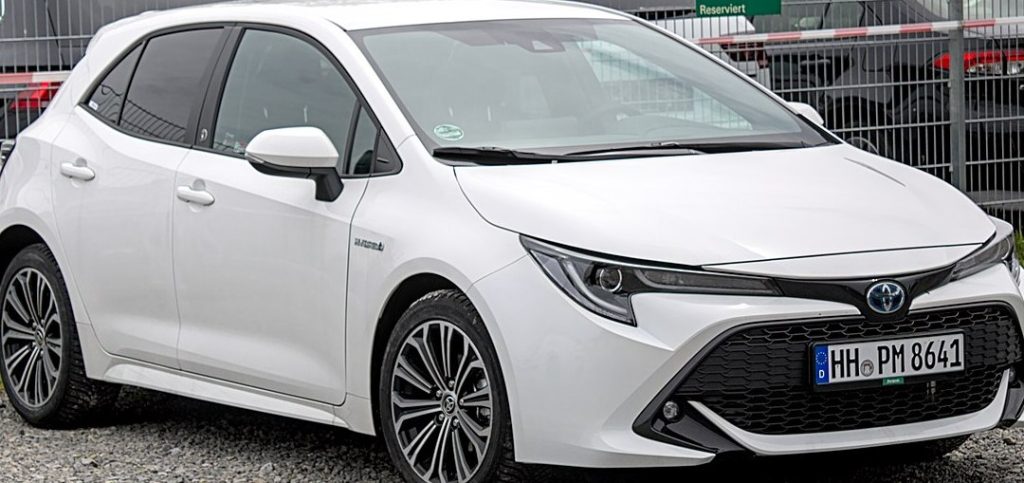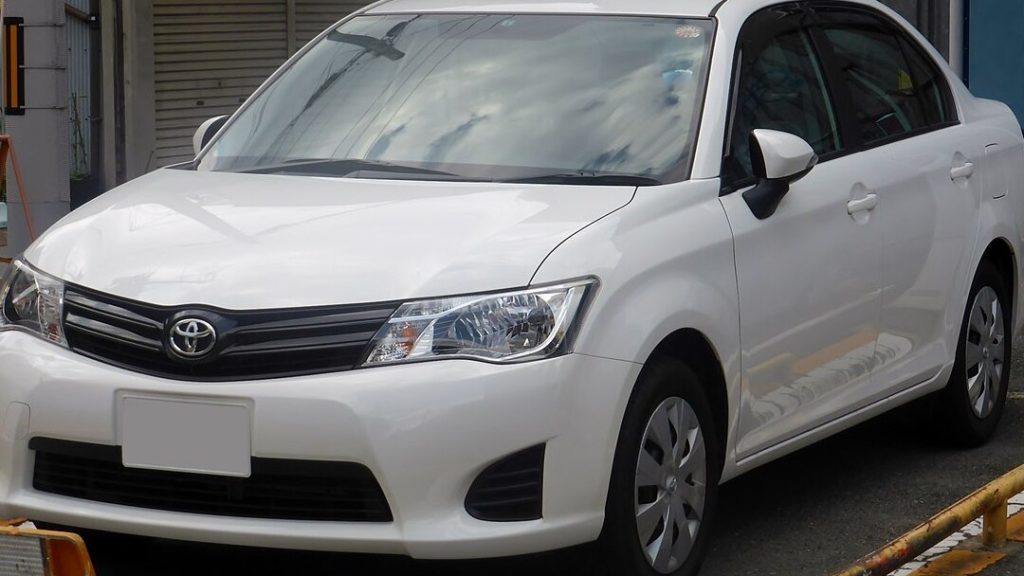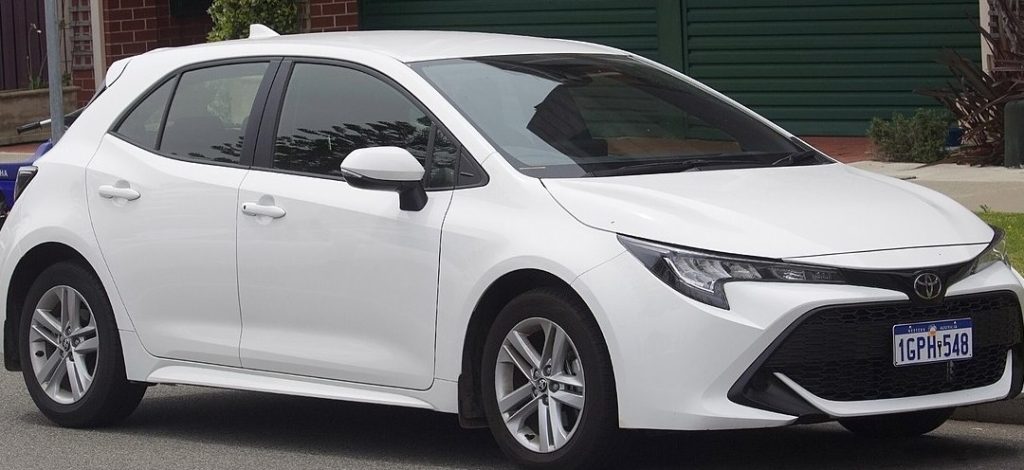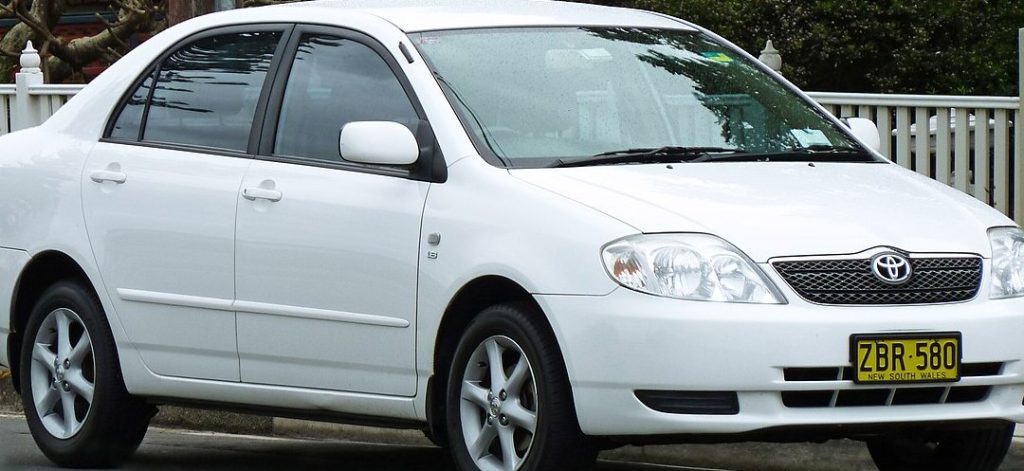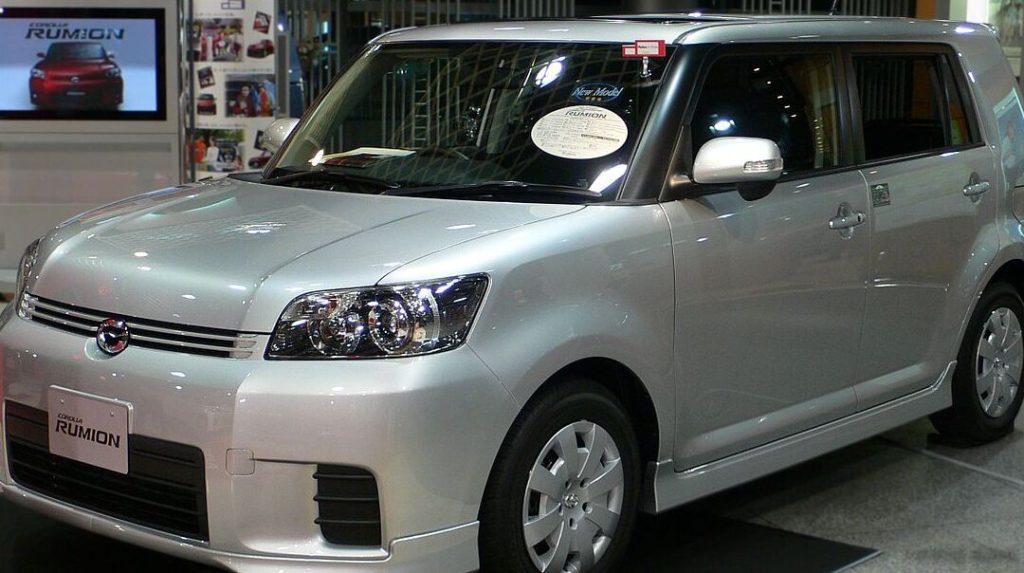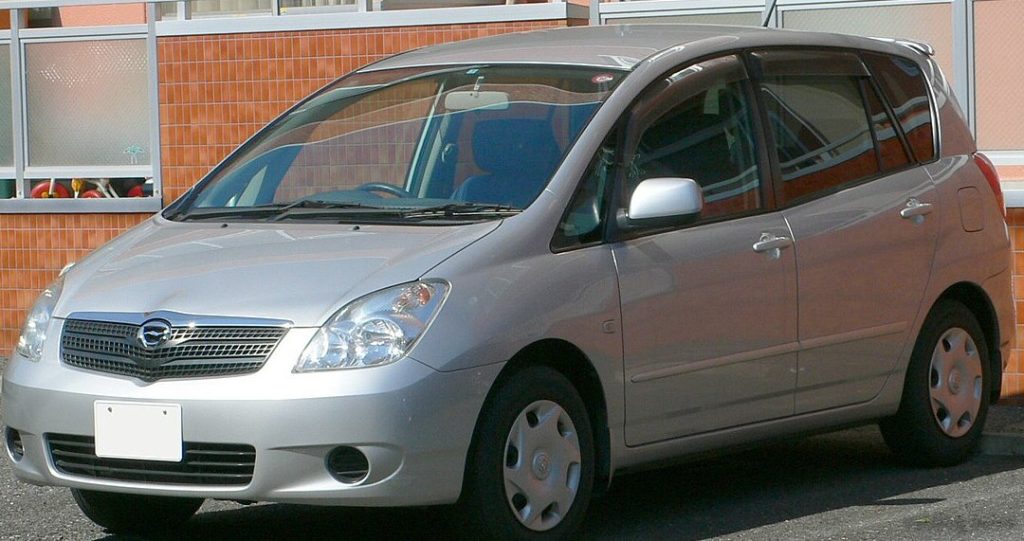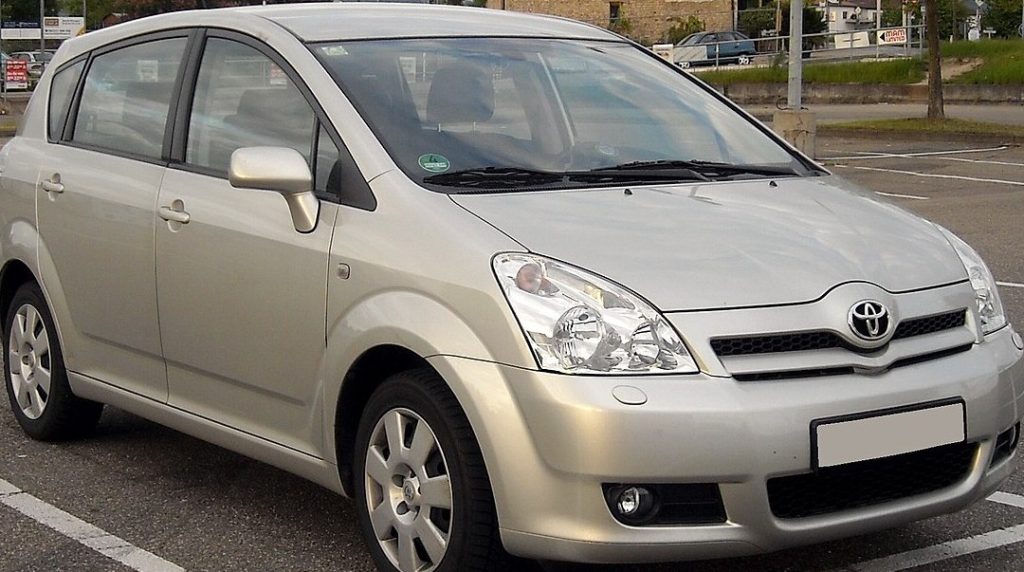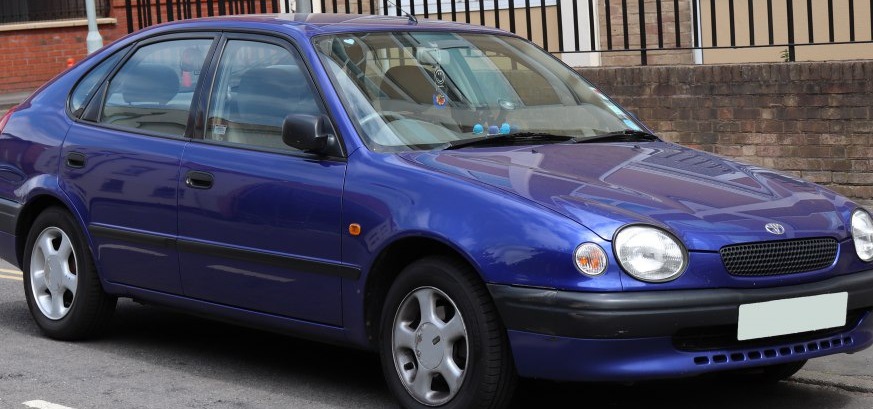
The Toyota Corolla Compact VIII (E110) 1.3, produced between 1998 and 2000, represented an important iteration of Toyota’s globally successful Corolla line. This variant, specifically equipped with the 4E-FE 1.3-liter engine producing 86 horsepower, was primarily aimed at the European and Asian markets as an affordable and economical entry point into the compact hatchback segment. The E110 generation marked a shift towards a more rounded and contemporary design compared to its predecessor, while retaining the Corolla’s reputation for reliability and practicality. It was built on the E110 platform, a dedicated compact platform that allowed for efficient packaging and a relatively lightweight vehicle.
Technical Specifications
| Brand | Toyota |
| Model | Corolla |
| Generation | Corolla Compact VIII (E110) |
| Type (Engine) | 1.3 (86 Hp) |
| Start of production | 1998 |
| End of production | 2000 |
| Powertrain Architecture | Internal Combustion engine |
| Body type | Hatchback |
| Seats | 5 |
| Doors | 5 |
| Fuel consumption (combined) | 6.5 – 6.8 l/100 km (36.2 – 34.6 US mpg, 43.5 – 41.5 UK mpg, 15.4 – 14.7 km/l) |
| Fuel Type | Petrol (Gasoline) |
| Power | 86 Hp |
| Engine Model/Code | 4E-FE |
| Engine aspiration | Naturally aspirated |
| Engine oil capacity | 2.8 l (2.96 US qt, 2.46 UK qt) |
| Coolant capacity | 4.8 l (5.07 US qt, 4.22 UK qt) |
Powertrain & Engine Architecture
The heart of the Corolla E110 1.3 was the 4E-FE engine, a 1.3-liter (1298 cc) inline-four cylinder gasoline engine. This engine was a staple in Toyota’s lineup for many years, known for its simplicity and durability. It featured a single overhead camshaft (SOHC) valvetrain with two valves per cylinder. Fuel delivery was managed by a multi-point fuel injection system, contributing to reasonable fuel efficiency and smooth operation. The 4E-FE produced 86 horsepower at 6,000 rpm and 86 lb-ft of torque at 4,400 rpm. While not a powerhouse, it was sufficient for everyday driving needs. The engine was typically paired with a four-speed automatic transmission, although a five-speed manual was also available. The automatic transmission was designed for smooth shifts and ease of use, prioritizing comfort over sporty performance. It was a conventional hydraulic automatic, lacking the more advanced electronic controls found in some contemporary transmissions.
Driving Characteristics
The 1.3-liter engine and automatic transmission combination in the E110 Corolla delivered a comfortable, if uninspiring, driving experience. Acceleration was modest, with 0-60 mph times estimated around 12-13 seconds. The automatic transmission’s gear ratios were geared towards fuel economy, resulting in a relatively relaxed driving feel. The car felt most at home in city driving and on level highways. Compared to the more powerful 1.6 or 1.8-liter versions of the E110, the 1.3 felt noticeably slower, especially when fully loaded with passengers or cargo. The manual transmission offered a more engaging driving experience and slightly improved acceleration, but the automatic was favored by buyers prioritizing convenience. The power delivery was linear, with a noticeable lack of low-end torque, requiring the transmission to downshift frequently when climbing hills or overtaking.
Equipment & Trim Levels
The Corolla E110 1.3 typically served as the entry-level trim in many markets. Standard equipment generally included power steering, central locking, electric front windows, and a basic audio system. Air conditioning was often an optional extra. Interior upholstery was typically cloth, with a simple and functional dashboard layout. Higher trim levels, such as the 1.6 or 1.8 variants, offered features like alloy wheels, upgraded audio systems, and more luxurious interior appointments. The 1.3 trim focused on providing essential features at an affordable price point. Optional extras could include a sunroof, upgraded seats, and metallic paint finishes.
Chassis & Braking
The E110 Corolla utilized a MacPherson strut front suspension and a torsion beam rear suspension. This setup provided a comfortable ride quality, although it wasn’t particularly sporty. The torsion beam rear suspension was a cost-effective solution that minimized complexity. Braking was typically accomplished with disc brakes on the front wheels and drum brakes on the rear wheels. This configuration was common for vehicles in this price range during the late 1990s. Anti-lock brakes (ABS) were often available as an optional extra, enhancing safety. Stabilizer bars were fitted to both the front and rear axles to reduce body roll during cornering, but the overall handling was geared towards comfort and stability rather than dynamic performance.
Market Reception & Comparison
The Corolla E110 1.3 was generally well-received by critics as a practical and reliable small car. It was praised for its fuel efficiency, comfortable ride, and Toyota’s renowned build quality. However, it was often criticized for its lack of power and somewhat bland styling. Compared to rivals like the Volkswagen Golf, Ford Focus, and Opel/Vauxhall Astra, the Corolla 1.3 offered a more conservative driving experience but often excelled in terms of long-term reliability. Fuel economy was competitive, typically achieving around 35-40 mpg in real-world driving conditions. The 1.6 and 1.8-liter versions offered significantly better performance but came at a higher price point. The 1.3 was often seen as the sensible choice for buyers prioritizing economy and dependability.
Legacy
The 4E-FE engine and the E110 Corolla platform have proven to be remarkably durable over the years. Many examples of the 1.3-liter variant are still on the road today, testament to Toyota’s engineering and build quality. The powertrain is known for its relatively low maintenance requirements and ability to withstand high mileage. In the used car market, the E110 1.3 remains an affordable and practical option for those seeking a reliable and economical hatchback. While it may not offer the performance or features of more modern vehicles, its simplicity and dependability continue to appeal to a wide range of buyers. Parts availability remains good, making maintenance and repairs relatively straightforward and inexpensive.