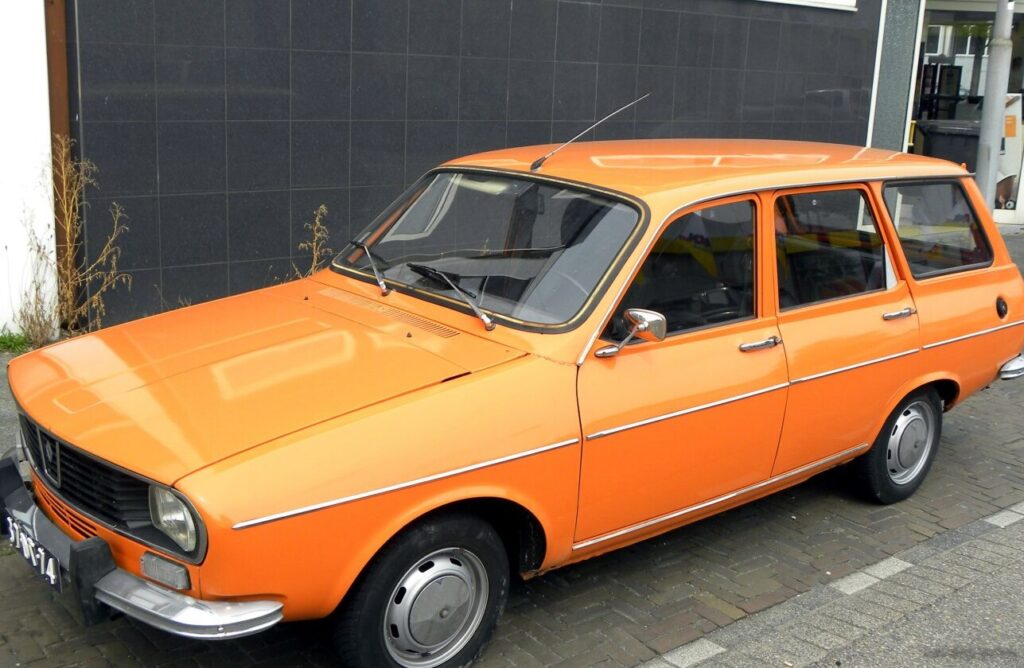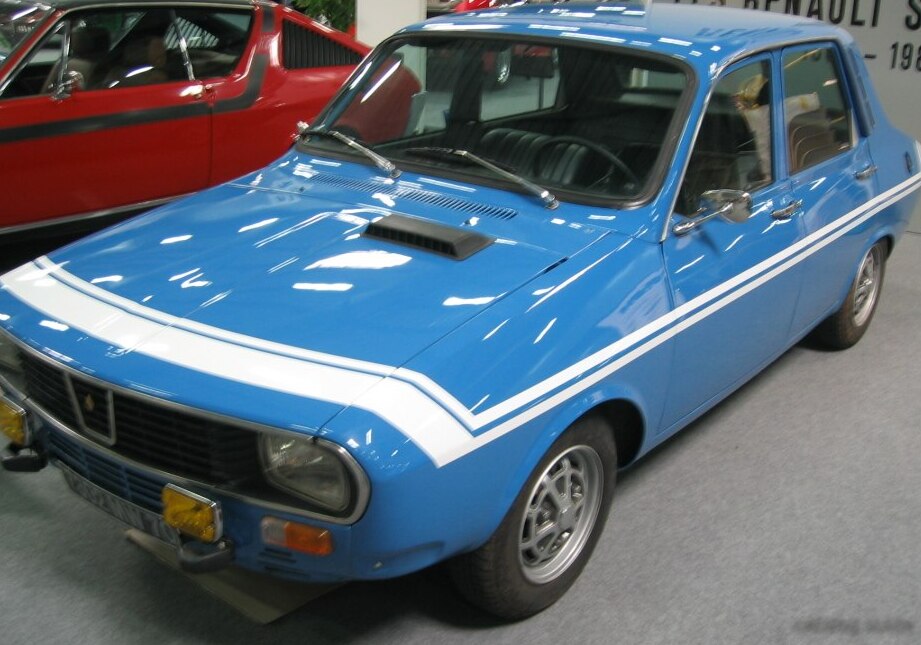
The Renault 12 1.3 TS, internally designated as models 1177 and 1337, was a popular subcompact car produced by Renault between 1972 and 1980. Positioned as a slightly more upscale variant within the broader Renault 12 range, the 1.3 TS offered a balance of practicality, affordability, and a modest performance upgrade over the base models. It played a significant role in Renault’s expansion into European and international markets, offering a modern, front-wheel-drive alternative to established rear-wheel-drive competitors. The “TS” designation signified “Tourisme Sportif,” hinting at a more dynamic driving experience, though it remained firmly within the realm of economical transportation.
Technical Specifications
| Brand | Renault |
| Model | 12 |
| Generation | 12 |
| Type (Engine) | 1.3 TS (1177,1337) (60 Hp) |
| Start of production | 1972 |
| End of production | 1980 |
| Powertrain Architecture | Internal Combustion engine |
| Body type | Sedan |
| Seats | 5 |
| Doors | 4 |
| Fuel Type | Petrol (Gasoline) |
| Maximum speed | 160 km/h (99.42 mph) |
| Weight-to-power ratio | 15.8 kg/Hp, 63.2 Hp/tonne |
| Power | 60 Hp |
| Power per litre | 46.5 Hp/l |
| Engine Model/Code | 810 |
| Engine displacement | 1289 cm3 (78.66 cu. in.) |
| Number of cylinders | 4 |
| Compression ratio | 9:1 |
| Number of valves per cylinder | 2 |
| Fuel injection system | Carburettor |
| Engine aspiration | Naturally aspirated engine |
| Engine oil capacity | 3.3 l (3.49 US qt | 2.9 UK qt) |
| Coolant capacity | 5 l (5.28 US qt | 4.4 UK qt) |
| Kerb Weight | 950 kg (2094.39 lbs.) |
| Fuel tank capacity | 50 l (13.21 US gal | 11 UK gal) |
| Drivetrain Architecture | The Internal combustion engine (ICE) drives the front wheels of the vehicle. |
| Drive wheel | Front wheel drive |
| Number of gears and type of gearbox | 4 gears, manual transmission |
| Front brakes | Disc |
| Rear brakes | Drum |
| Tires size | 155/80 R13 |
Powertrain & Engine Architecture
The heart of the Renault 12 1.3 TS was the 1289cc (78.66 cubic inch) inline-four cylinder engine, designated the 810 series. This engine featured a cast iron block and an aluminum cylinder head, employing a relatively simple overhead valve (OHV) valvetrain with two valves per cylinder. Fuel delivery was managed by a single downdraft carburetor, a common setup for the era. The 9:1 compression ratio was a compromise between performance and the fuel quality available in various markets. While not a particularly sophisticated engine by modern standards, the 810 proved to be robust and relatively easy to maintain. The engine produced 60 horsepower, a modest figure but sufficient for the car’s weight and intended purpose. The engine was mated to a four-speed manual transmission, which was the standard offering for the 1.3 TS. The front-wheel-drive layout, a relatively new feature for Renault at the time, contributed to the car’s good traction and handling characteristics.
Driving Characteristics
The Renault 12 1.3 TS offered a predictable and comfortable driving experience. The 60 horsepower engine provided adequate acceleration for everyday driving, though it wasn’t particularly quick. The four-speed manual transmission was well-matched to the engine’s powerband, allowing for reasonably efficient cruising at highway speeds. The front-wheel-drive configuration provided good grip in most conditions, and the car handled predictably, although body roll was noticeable during cornering. Compared to the base Renault 12 models with smaller engines, the 1.3 TS offered a noticeable improvement in performance, making it more suitable for longer journeys and carrying a full load of passengers. However, it lacked the outright performance of larger-engined competitors. The gear ratios were tuned for economy, prioritizing fuel efficiency over rapid acceleration.
Equipment & Trim Levels
The Renault 12 1.3 TS was positioned as a mid-range trim level. Standard equipment typically included cloth upholstery, a basic instrument panel with speedometer and fuel gauge, and front and rear seat belts. The interior was functional and durable, though not particularly luxurious. Optional extras included a radio, a heater, and upgraded upholstery. The exterior trim was relatively understated, with chrome bumpers and brightwork adding a touch of visual appeal. The 1.3 TS often featured slightly more refined interior materials compared to the base models, and sometimes included features like a cigarette lighter and a glovebox light.
Chassis & Braking
The Renault 12 featured an independent front suspension with MacPherson struts and a torsion beam rear suspension. This setup provided a comfortable ride and reasonable handling. The front brakes were disc brakes, offering better stopping power than the drum brakes fitted to the rear wheels. Steering was by rack and pinion, providing precise and responsive control. The car’s relatively light weight contributed to its nimble handling characteristics. Tire size was typically 155/80 R13, a common size for the era. The suspension was tuned for comfort, prioritizing a smooth ride over sporty handling.
Market Reception & Comparison
The Renault 12 1.3 TS was generally well-received by automotive critics as a practical and affordable family car. It was praised for its fuel efficiency, comfortable ride, and spacious interior. However, some critics noted its modest performance and relatively basic interior appointments. Compared to other cars in its class, such as the Ford Escort and the Volkswagen Golf, the Renault 12 offered a competitive price point and a unique front-wheel-drive layout. The 1.3 TS offered a better balance of performance and economy than the base models, making it a popular choice for buyers who wanted a slightly more refined driving experience. Fuel economy was a strong point, averaging around 35-40 mpg in typical driving conditions.
Legacy
The Renault 12 1.3 TS, while no longer in production, remains a fondly remembered car among enthusiasts. The 810 engine proved to be remarkably durable, and many examples are still on the road today. The car’s simple mechanical design makes it relatively easy to maintain and repair. In the used car market, the Renault 12 1.3 TS is often sought after by collectors and enthusiasts who appreciate its classic styling and practical nature. Its front-wheel-drive layout and relatively modern design for its time helped pave the way for Renault’s future success in the compact car segment. While not a performance icon, the 1.3 TS represents a significant chapter in Renault’s history and a testament to the enduring appeal of simple, reliable transportation.