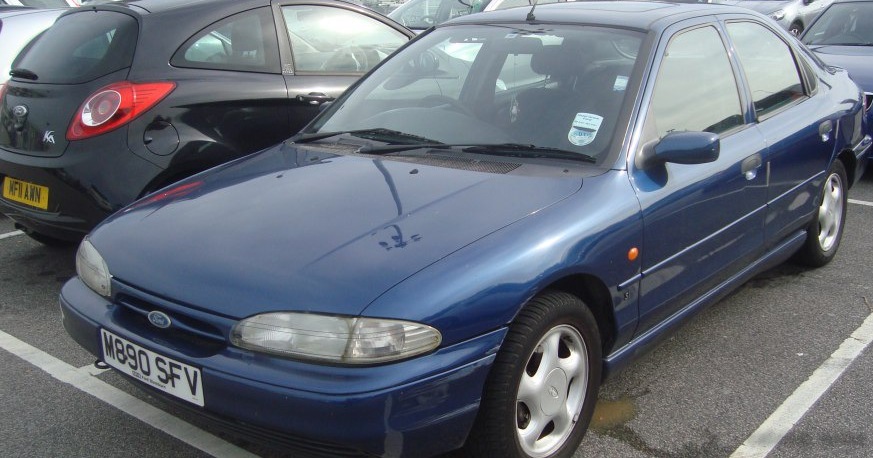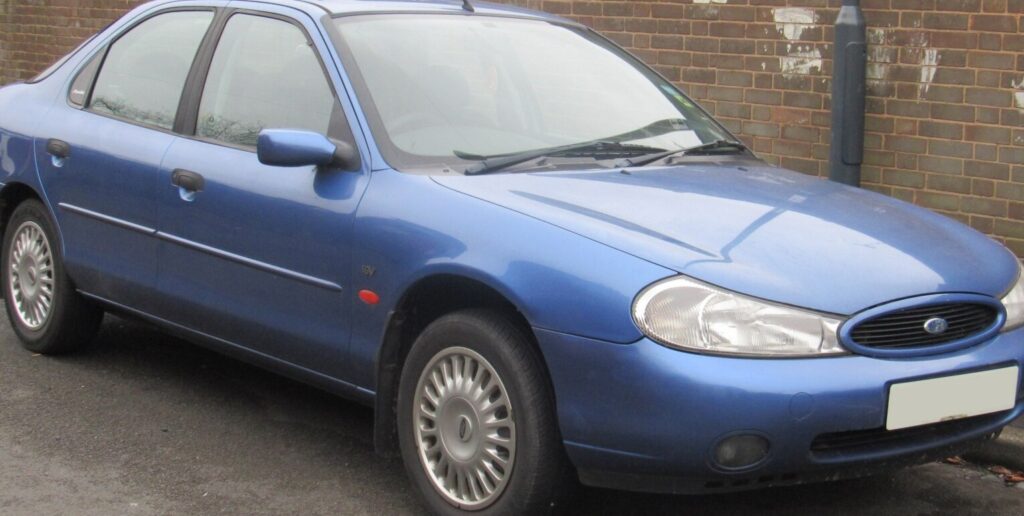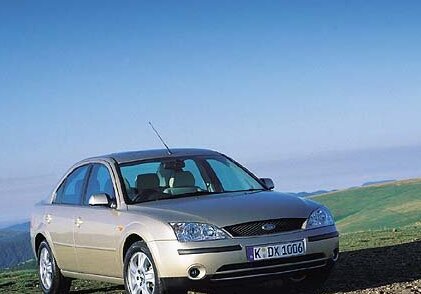
The Ford Mondeo II Sedan 3.0i V6 24V, produced between 2003 and 2007, represented the upper echelon of performance for the second-generation Mondeo. Positioned as a premium offering within the Mondeo lineup, this variant catered to drivers seeking a blend of comfort, space, and spirited performance. It was primarily sold in the European market, where the Mondeo competed with vehicles like the Volkswagen Passat, Opel Vectra, and Peugeot 407. The Mondeo II, built on the B5 platform, aimed to elevate Ford’s image in the mid-size segment, offering a more refined and technologically advanced package than its predecessor.
Technical Specifications
| Brand | Ford |
| Model | Mondeo |
| Generation | Mondeo II Sedan |
| Type (Engine) | 3.0 i V6 24V (204 Hp) |
| Start of production | 2003 |
| End of production | 2007 |
| Powertrain Architecture | Internal Combustion engine |
| Body type | Sedan |
| Seats | 5 |
| Doors | 4 |
| Fuel consumption (urban) | 15.1 l/100 km (15.6 US mpg) |
| Fuel consumption (extra urban) | 7.5 l/100 km (31.4 US mpg) |
| Fuel Type | Petrol (Gasoline) |
| Acceleration 0 – 100 km/h | 7.9 sec |
| Acceleration 0 – 62 mph | 7.9 sec |
| Acceleration 0 – 60 mph | 7.5 sec |
| Maximum speed | 240 km/h (149.13 mph) |
| Weight-to-power ratio | 6.9 kg/Hp |
| Weight-to-torque ratio | 5 kg/Nm |
| Power | 204 Hp @ 6000 rpm |
| Torque | 280 Nm @ 4900 rpm (206.52 lb.-ft. @ 4900 rpm) |
| Engine layout | Front, Transverse |
| Engine Model/Code | REBA |
| Engine displacement | 2967 cm3 (181.06 cu. in.) |
| Number of cylinders | 6 |
| Engine configuration | V-engine |
| Cylinder Bore | 89 mm (3.5 in.) |
| Piston Stroke | 79.5 mm (3.13 in.) |
| Compression ratio | 10:1 |
| Number of valves per cylinder | 4 |
| Fuel injection system | Multi-port manifold injection |
| Engine aspiration | Naturally aspirated engine |
| Valvetrain | DOHC |
| Engine oil capacity | 5.7 l (6.02 US qt | 5.02 UK qt) |
| Coolant | 9.5 l (10.04 US qt | 8.36 UK qt) |
| Kerb Weight | 1405 kg (3097.49 lbs.) |
| Max. weight | 1995 kg (4398.22 lbs.) |
| Max load | 590 kg (1300.73 lbs.) |
| Trunk (boot) space – minimum | 500 l (17.66 cu. ft.) |
| Fuel tank capacity | 58 l (15.32 US gal | 12.76 UK gal) |
| Length | 4731 mm (186.26 in.) |
| Width | 1812 mm (71.34 in.) |
| Height | 1429 mm (56.26 in.) |
| Wheelbase | 2754 mm (108.43 in.) |
| Front track | 1522 mm (59.92 in.) |
| Rear (Back) track | 1537 mm (60.51 in.) |
| Drivetrain Architecture | The Internal combustion engine (ICE) drives the front wheels of the vehicle. |
| Drive wheel | Front wheel drive |
| Number of gears and type of gearbox | 6 gears, manual transmission |
| Front suspension | Coil spring |
| Rear suspension | Several levers and rods |
| Front brakes | Ventilated discs |
| Rear brakes | Disc |
| Assisting systems | ABS (Anti-lock braking system) |
| Steering type | Steering rack and pinion |
| Power steering | Hydraulic Steering |
| Tires size | 205/55 R16 |
Powertrain & Engine Architecture
The heart of the Mondeo II 3.0i was the Ford REBA engine, a 2.967-liter, naturally aspirated V6. This engine featured a 60-degree V-angle and utilized a dual overhead camshaft (DOHC) valvetrain with four valves per cylinder. The REBA engine employed multi-port fuel injection, delivering fuel directly into the intake ports. This configuration, while not as advanced as direct injection systems found in later engines, provided a good balance of performance and fuel efficiency for its time. The 6-speed manual transmission was standard, offering precise gear changes and contributing to the car’s engaging driving experience. The engine was known for its smooth power delivery and relatively refined sound, a characteristic often praised by automotive journalists.
Driving Characteristics
The 3.0i V6 Mondeo offered a noticeable step up in performance compared to the four-cylinder variants. The 204 horsepower and 280 Nm (206 lb-ft) of torque provided brisk acceleration, with a 0-60 mph time of around 7.5 seconds. The six-speed manual transmission allowed drivers to keep the engine in its optimal power band, maximizing acceleration and responsiveness. While not a sports car, the Mondeo 3.0i offered a confident and capable driving experience, particularly on open roads. The suspension, tuned for comfort, provided a reasonably controlled ride, although it wasn’t as sharp or agile as some of its rivals. The front-wheel-drive layout, while common for its class, could exhibit some torque steer under hard acceleration.
Equipment & Trim Levels
The 3.0i V6 typically came well-equipped, reflecting its position as a premium trim level. Standard features often included air conditioning, power windows and mirrors, a CD stereo system, and alloy wheels. Higher-spec models could be equipped with leather upholstery, a sunroof, and upgraded audio systems. Safety features such as ABS and front airbags were standard. The interior design was generally functional and well-built, with a focus on ergonomics and practicality. The Mondeo II offered a spacious cabin, providing ample room for both front and rear passengers.
Chassis & Braking
The Mondeo II utilized a MacPherson strut front suspension and a multi-link rear suspension, providing a good balance of ride comfort and handling. The braking system consisted of ventilated discs at the front and solid discs at the rear, offering adequate stopping power for the vehicle’s weight and performance. ABS was standard, enhancing braking stability in emergency situations. The steering was a hydraulic power-assisted rack and pinion system, providing a reasonably direct and responsive feel.
Market Reception & Comparison
The Mondeo II 3.0i V6 was generally well-received by automotive critics. It was praised for its smooth engine, comfortable ride, and spacious interior. However, some reviewers noted that the handling wasn’t as sharp as some of its rivals, and the fuel economy could be relatively high, especially in urban driving. Compared to the lower-powered Mondeo variants, the 3.0i offered a significant performance upgrade, but at a higher price point. The 1.8L and 2.0L models were more popular due to their lower running costs and affordability, appealing to a broader range of buyers. The 3.0i was aimed at those who prioritized performance and refinement.
Legacy
The Ford Mondeo II 3.0i V6 remains a relatively sought-after model among enthusiasts. The REBA V6 engine, while not known for being particularly high-tech, is generally considered to be reliable if properly maintained. Common issues include oil leaks and occasional sensor failures. Finding well-maintained examples can be challenging, as many have accumulated high mileage or suffered from neglect. Today, the Mondeo II 3.0i represents a compelling option for those seeking a comfortable, spacious, and reasonably powerful family sedan with a touch of classic Ford character. Its blend of performance and practicality continues to appeal to a niche market of car enthusiasts.