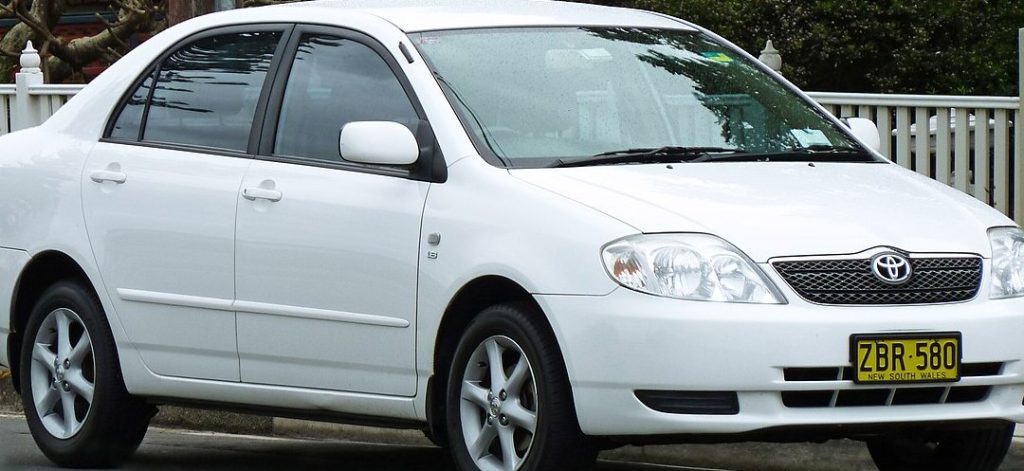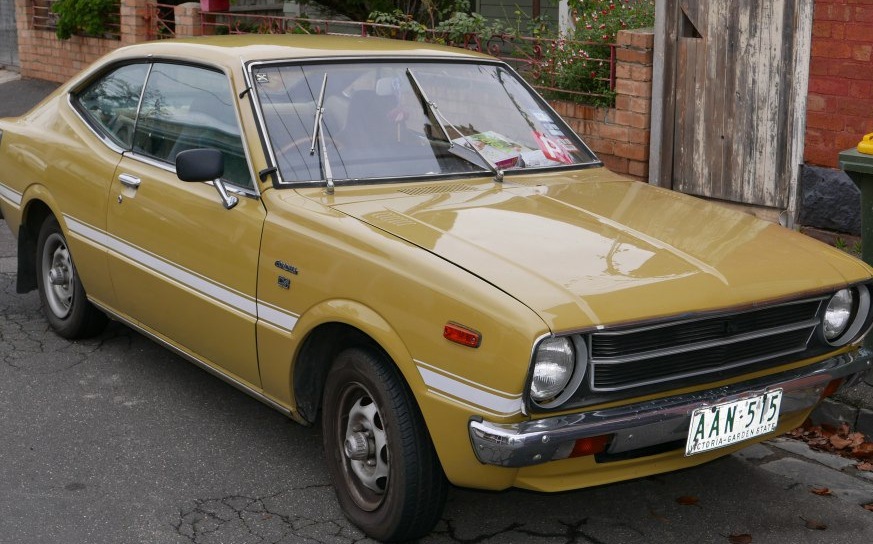
The Toyota Corolla Coupe III, encompassing chassis codes E30, E40, E50, and E60, represented a significant evolution of Toyota’s popular compact car line. Produced between 1975 and 1980, this generation offered a more sporting aesthetic than its sedan counterpart, appealing to a younger demographic. Within this range, the 1.2-liter (KE35) variant, producing 54 horsepower, served as the entry point into the coupe lineup, particularly in markets outside of North America. It was positioned as an economical and accessible option, prioritizing fuel efficiency and affordability over outright performance. This model played a crucial role in establishing the Corolla as a globally recognized and trusted automotive brand.
Technical Specifications
| Brand | Toyota |
| Model | Corolla |
| Generation | Corolla Coupe III (E30, E40, E50, E60) |
| Type (Engine) | 1.2 (KE35) (54 Hp) |
| Start of production | 1975 |
| End of production | 1980 |
| Powertrain Architecture | Internal Combustion engine |
| Body type | Coupe |
| Seats | 4 |
| Doors | 2 |
| Fuel Type | Petrol (Gasoline) |
| Maximum speed | 192 km/h (119.3 mph) |
| Power | 54 Hp |
| Power per litre | 46.3 Hp/l |
| Engine layout | Front, Transverse |
| Engine Model/Code | 3K-H |
| Engine displacement | 1166 cm3 (71.15 cu. in.) |
| Number of cylinders | 4 |
| Fuel injection system | Carburettor |
| Engine aspiration | Naturally aspirated engine |
| Engine oil capacity | 3.5 l (3.7 US qt | 3.08 UK qt) |
| Coolant | 5.3 l (5.6 US qt | 4.66 UK qt) |
Powertrain & Engine Architecture
The heart of the KE35 Corolla Coupe was the 3K-H engine, a 1.2-liter inline-four cylinder powerplant. This engine was a relatively simple design, utilizing a single overhead camshaft (SOHC) and a two-barrel carburetor for fuel delivery. The 3K-H was known for its durability and ease of maintenance, characteristics highly valued in the era. The engine’s modest 54 horsepower output was achieved through a relatively low compression ratio and conservative valve timing, prioritizing reliability and fuel economy over peak performance. The engine was transversely mounted, driving the front wheels – a configuration becoming increasingly common in compact cars of the time. The transmission paired with the 3K-H in this variant was typically a three- or four-speed automatic, contributing to the car’s ease of use and accessibility. While a five-speed manual transmission was available on other Corolla models, it wasn’t typically offered with the 1.2-liter engine.
Driving Characteristics
The 1.2-liter Corolla Coupe, equipped with the automatic transmission, offered a decidedly relaxed driving experience. Acceleration was modest, with a 0-60 mph time estimated to be around 15-17 seconds. The automatic transmission featured relatively wide gear ratios, prioritizing fuel efficiency and smooth cruising over spirited performance. Compared to the more powerful 1.6-liter versions of the Corolla Coupe, or those equipped with a manual transmission, the 1.2-liter felt noticeably slower. However, the automatic transmission made it exceptionally easy to drive in urban environments, and the engine proved surprisingly capable on highway journeys, albeit requiring careful planning for overtaking maneuvers. The steering was light and responsive, making the car easy to maneuver, and the suspension provided a comfortable, if somewhat soft, ride.
Equipment & Trim Levels
The KE35 1.2-liter Corolla Coupe was generally offered with a fairly basic level of equipment, reflecting its position as the entry-level model. Standard features typically included cloth upholstery, vinyl floor covering, and basic instrumentation consisting of a speedometer, fuel gauge, and temperature gauge. Options were limited but could include a radio, upgraded seat upholstery, and occasionally, a sunroof. The dashboard layout was functional and straightforward, prioritizing usability over aesthetic flair. Exterior trim was also relatively simple, with basic chrome bumpers and steel wheels with hubcaps. The overall interior ambiance was one of practicality and durability, rather than luxury.
Chassis & Braking
The Corolla Coupe III utilized a relatively simple chassis design, featuring a MacPherson strut front suspension and a leaf spring rear suspension. This configuration provided a comfortable ride, but didn’t offer the same level of handling precision as more sophisticated suspension setups. Braking was typically accomplished with drum brakes on all four wheels, although some later models may have featured front disc brakes. The braking system was adequate for the car’s weight and performance, but lacked the stopping power of more modern vehicles. The steering system was a recirculating ball type, providing light and easy steering effort, but lacking the precision of rack-and-pinion steering.
Market Reception & Comparison
The 1.2-liter Corolla Coupe was generally well-received as an affordable and reliable transportation option. Critics praised its fuel efficiency and ease of maintenance, but noted its lack of performance. Compared to other trims in the Corolla lineup, such as the 1.6-liter versions, the 1.2-liter offered significantly less power and acceleration. However, it also offered a lower purchase price and better fuel economy. In terms of reliability, the 3K-H engine proved to be exceptionally durable, and the Corolla Coupe as a whole enjoyed a reputation for being a dependable and long-lasting vehicle. This made it a popular choice among budget-conscious buyers and those seeking a practical and reliable car.
Legacy
The KE35 1.2-liter Corolla Coupe, while not the most powerful or technologically advanced version of the Corolla, holds a significant place in automotive history. It represents a pivotal moment in Toyota’s expansion into global markets, and its reputation for reliability helped to establish the Corolla as a trusted and respected brand. Today, these cars are becoming increasingly collectible, particularly among enthusiasts who appreciate their simplicity, durability, and classic styling. The 3K-H engine, while relatively simple by modern standards, is known for its longevity and ease of repair, making these cars relatively easy to maintain and keep on the road. The KE35 continues to be a popular choice for restoration projects and vintage car rallies, demonstrating its enduring appeal and lasting legacy.