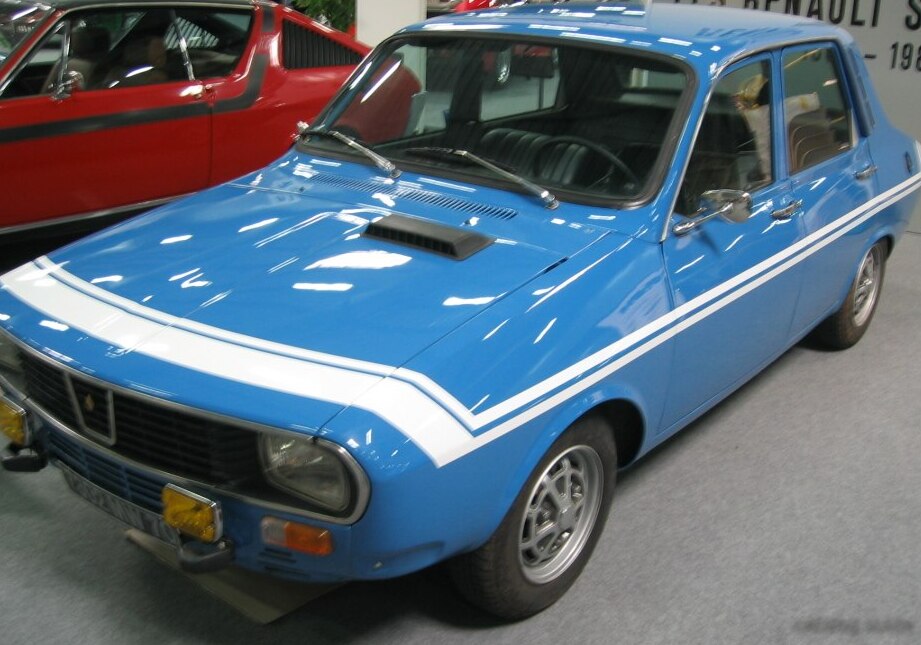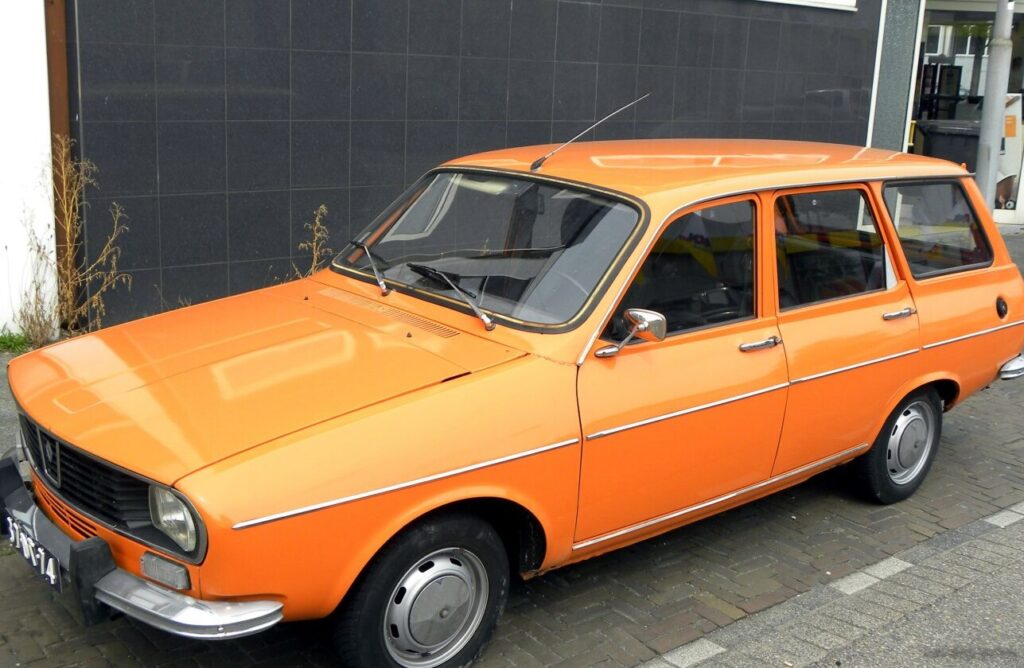
The Renault 12 Variable 1.3, produced between 1975 and 1980, represents a significant iteration of Renault’s popular and long-running 12 model. This variant, characterized by its 1.3-liter engine producing 50 horsepower, was primarily aimed at providing an affordable and practical family vehicle, particularly in European and South American markets. The “Variable” designation denoted a higher trim level compared to the base model, offering a slightly more refined experience. It occupied a middle ground within the 12 lineup, positioned above the very basic models but below the more powerful and luxurious versions.
Technical Specifications
| Brand | Renault |
| Model | 12 |
| Generation | 12 Variable |
| Type (Engine) | 1.3 (1170) (50 Hp) |
| Start of production | 1975 |
| End of production | 1980 |
| Powertrain Architecture | Internal Combustion engine |
| Body type | Station wagon (estate) |
| Seats | 5 |
| Doors | 5 |
| Fuel Type | Petrol (Gasoline) |
| Power | 50 Hp |
| Engine Model/Code | 810 |
| Engine aspiration | Naturally aspirated engine |
| Engine oil capacity | 3.3 l (3.49 US qt | 2.9 UK qt) |
| Coolant capacity | 5 l (5.28 US qt | 4.4 UK qt) |
| Fuel tank capacity | 50 l (13.21 US gal | 11 UK gal) |
Powertrain & Engine Architecture
The Renault 12 Variable 1.3 was powered by the 810 engine, a 1,170cc (71.3 cubic inch) inline-four cylinder gasoline engine. This engine was a relatively simple design, featuring a single overhead camshaft (SOHC) and a two-barrel carburetor. The engine’s modest output of 50 horsepower at approximately 5,500 rpm and 68 lb-ft of torque at 3,500 rpm was achieved through a relatively low compression ratio, prioritizing reliability and fuel economy over outright performance. The engine utilized a conventional wet sump lubrication system and a distributor-based ignition system. The transmission paired with this engine was typically a four-speed manual, though a three-speed automatic transmission was also offered, albeit less commonly. The automatic transmission was a traditional hydraulic torque converter type, known for its smoothness but also for its efficiency limitations.
Driving Characteristics
The driving experience in the Renault 12 Variable 1.3 was characterized by its practicality and ease of use rather than sporty performance. Acceleration was modest, with a 0-60 mph time estimated to be around 16-18 seconds. The four-speed manual transmission allowed for reasonable control over the engine’s power band, while the automatic version prioritized convenience. The gear ratios were spaced to maximize fuel efficiency and provide adequate performance for everyday driving conditions. The car’s relatively light weight (around 2,100 lbs) helped to mitigate the effects of the low horsepower output. Handling was predictable and safe, but not particularly engaging. The suspension, consisting of independent front suspension with coil springs and a live rear axle with leaf springs, provided a comfortable ride, albeit with some body roll in corners.
Equipment & Trim Levels
The “Variable” trim level offered a step up in features compared to the base Renault 12. Standard equipment typically included cloth upholstery, a more comprehensive instrument panel with a speedometer, fuel gauge, and temperature gauge, and basic exterior trim. The interior was functional and durable, designed for family use. Optional extras included a radio, a heated rear window, and upgraded upholstery. The dashboard layout was simple and straightforward, with all controls within easy reach of the driver. The Variable trim also often included a slightly more refined steering wheel and door panels compared to the base model.
Chassis & Braking
The Renault 12 featured a monocoque body construction, providing a good balance of strength and weight. The front suspension utilized independent coil springs and wishbones, while the rear suspension employed a live axle with leaf springs. This configuration provided a comfortable ride, although it wasn’t particularly sporty. Braking was initially accomplished with drum brakes on all four wheels, but later models often featured front disc brakes for improved stopping power. The braking system was hydraulic, with a dual-circuit master cylinder for added safety. Steering was by a worm and roller mechanism, providing relatively light steering effort but lacking in precision compared to more modern systems. The car’s relatively narrow tires contributed to a modest level of grip.
Market Reception & Comparison
The Renault 12 Variable 1.3 was generally well-received as a practical and affordable family car. Critics praised its fuel economy, reliability, and spacious interior. However, its modest performance and somewhat dated design were also noted. Compared to other cars in its class, such as the Peugeot 304 or the Fiat 132, the Renault 12 offered a competitive price point and a good level of practicality. The 1.3-liter engine provided adequate performance for most drivers, but those seeking more power often opted for the larger 1.6-liter engine available in other Renault 12 variants. Fuel economy was a strong point, with the 1.3-liter engine achieving around 30-35 mpg in typical driving conditions. Reliability was generally good, although maintenance was required to keep the engine running smoothly.
Legacy
The Renault 12, and specifically the 1.3 Variable variant, holds a significant place in automotive history, particularly in Europe and South America. It was a popular choice for families seeking an affordable and reliable vehicle. While not known for its performance or luxury, the Renault 12 was a workhorse that provided years of dependable service. Today, the Renault 12 is a popular classic car, with a growing community of enthusiasts. The 1.3-liter engine is generally considered to be relatively reliable, although parts availability can be a challenge. Well-maintained examples of the Renault 12 Variable 1.3 are becoming increasingly collectible, representing a nostalgic reminder of a simpler era in automotive design.