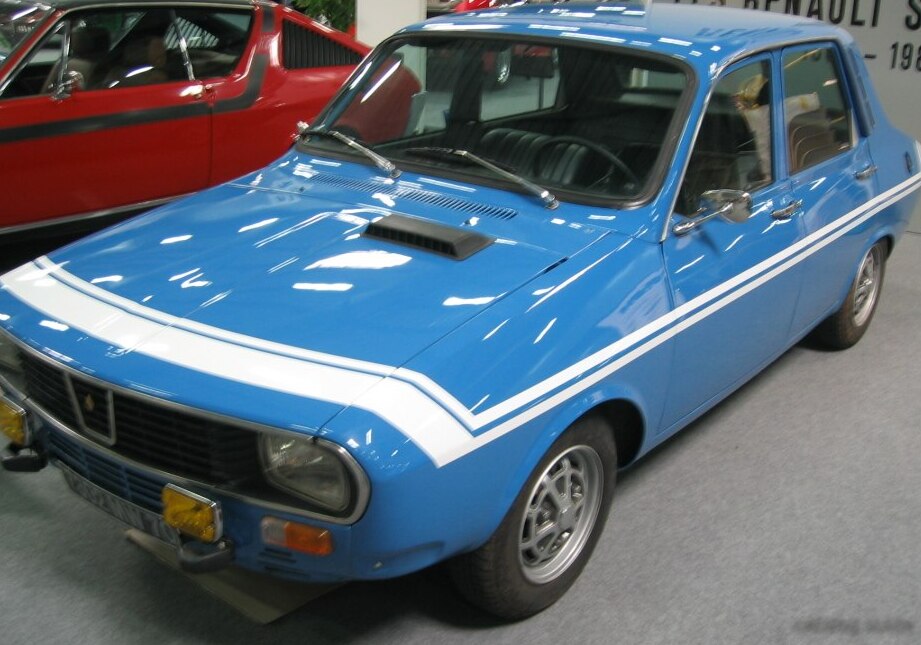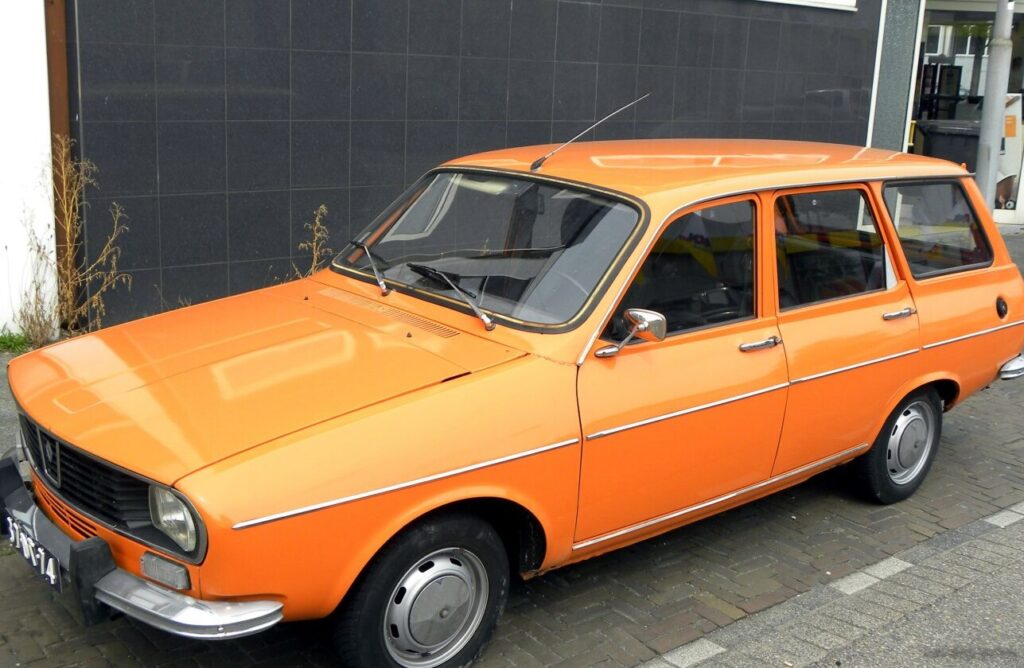
The Renault 12 Variable 1.3, produced between 1973 and 1980, represents a significant iteration of Renault’s popular and long-running 12 model. This variant, designated by its 1177cc engine and 60 horsepower output, was primarily aimed at providing affordable and practical transportation for families. Positioned as a mid-range offering within the 12 lineup, it slotted below the more powerful 1.6L versions and above the base models. The “Variable” designation refers to the engine’s variable valve timing, a relatively advanced feature for its time, intended to improve fuel efficiency and broaden the engine’s usable powerband. The Renault 12, in general, was a crucial model for Renault, expanding their presence beyond the French domestic market and establishing a foothold in various European and international regions.
Technical Specifications
| Brand | Renault |
| Model | 12 |
| Generation | 12 Variable |
| Type (Engine) | 1.3 (1177) (60 Hp) |
| Start of Production | 1973 |
| End of Production | 1980 |
| Powertrain Architecture | Internal Combustion Engine |
| Body Type | Station Wagon (Estate) |
| Seats | 5 |
| Doors | 5 |
| Fuel Type | Petrol (Gasoline) |
| Power | 60 Hp |
| Engine Aspiration | Naturally Aspirated |
| Engine Oil Capacity | 3.3 l (3.49 US qt | 2.9 UK qt) |
| Coolant Capacity | 5 l (5.28 US qt | 4.4 UK qt) |
| Fuel Tank Capacity | 50 l (13.21 US gal | 11 UK gal) |
Powertrain & Engine Architecture
The heart of the Renault 12 Variable 1.3 is its 1177cc inline-four cylinder engine. This engine, internally known as the C607, featured a cast iron block and an aluminum cylinder head. The key differentiating factor of the “Variable” models was the implementation of a rudimentary variable valve timing system. While not as sophisticated as modern systems, it adjusted the intake camshaft timing based on engine speed, aiming to optimize both low-end torque and high-end power. The engine utilized a single overhead camshaft (SOHC) design, operating two valves per cylinder. Fuel delivery was managed by a single, down-draft carburetor – typically a Solex or Weber unit – a common setup for European cars of this era. The 60 horsepower output was achieved at 5,500 rpm, with a modest 77 Nm (57 lb-ft) of torque available at 3,000 rpm. The engine was typically paired with a four-speed manual transmission, though a three-speed automatic transmission was also offered, albeit less commonly. The automatic transmission was a conventional hydraulic unit, known for its smooth but relatively slow shifts.
Driving Characteristics
The Renault 12 Variable 1.3, particularly when equipped with the manual transmission, offered a reasonably sprightly driving experience for its time and class. Acceleration was adequate for everyday driving, with a 0-60 mph time estimated around 14-16 seconds. The automatic transmission, while providing convenience, noticeably dulled performance, increasing the 0-60 mph time to around 18-20 seconds. The gear ratios in the manual transmission were relatively well-spaced, allowing the engine to operate efficiently at highway speeds. However, the engine lacked significant low-end grunt, requiring frequent downshifts when encountering hills or overtaking maneuvers. The suspension, consisting of independent front suspension with coil springs and a torsion beam rear axle, provided a comfortable ride, absorbing bumps and imperfections in the road surface effectively. Steering was relatively light and precise, making the car easy to maneuver in urban environments.
Equipment & Trim Levels
The Renault 12 Variable 1.3 was generally equipped with a fairly basic level of standard features. Interior appointments typically included cloth upholstery, vinyl door panels, and a simple dashboard layout. The seats were designed for practicality and durability rather than outright luxury. Standard equipment included a basic instrument cluster with speedometer, fuel gauge, and temperature gauge. Optional extras included a radio, heater, and upgraded upholstery. The trim level was often denoted by minor cosmetic differences, such as different wheel covers or interior trim materials. The “Variable” designation itself didn’t necessarily represent a distinct trim level, but rather an engine specification that could be applied to various trim packages.
Chassis & Braking
The Renault 12 featured a monocoque body construction, providing a good balance of strength and weight. The front suspension utilized independent coil springs and wishbones, while the rear suspension employed a torsion beam axle. This setup provided a comfortable ride and predictable handling. Braking was initially accomplished with drum brakes on all four wheels, but later models often featured front disc brakes for improved stopping power. The braking system was hydraulic, providing adequate stopping performance for the car’s weight and power. Steering was of the worm and roller type, offering a reasonable level of precision and feedback. The car’s relatively light weight – around 950-1050 kg (2094-2315 lbs) – contributed to its nimble handling characteristics.
Market Reception & Comparison
The Renault 12 Variable 1.3 was generally well-received by automotive critics as a practical and affordable family car. It was praised for its comfortable ride, spacious interior, and relatively fuel-efficient engine. However, the engine’s lack of outright power was often cited as a drawback, particularly when compared to the 1.6L versions. Fuel economy was a strong point, averaging around 35-40 mpg in real-world driving conditions. Compared to competitors such as the Volkswagen Golf and Ford Escort, the Renault 12 offered a more affordable price point, but lacked the same level of refinement and performance. The automatic transmission version was often criticized for its sluggish performance and reduced fuel economy.
Legacy
The Renault 12, and specifically the 1.3 Variable variant, has proven to be a remarkably durable and reliable vehicle. Many examples are still on the road today, a testament to the quality of its engineering and construction. The engine, while not particularly powerful, is known for its longevity and relatively simple maintenance requirements. Parts availability can be a challenge in some regions, but a dedicated community of enthusiasts has helped to keep these cars running. In the used car market, the Renault 12 Variable 1.3 is often sought after by collectors and enthusiasts looking for a classic European car that is both affordable and enjoyable to drive. Its significance lies in its role as a practical and accessible vehicle that helped to democratize automobile ownership in Europe and beyond.