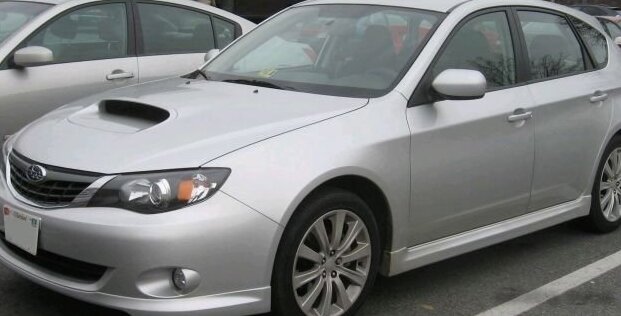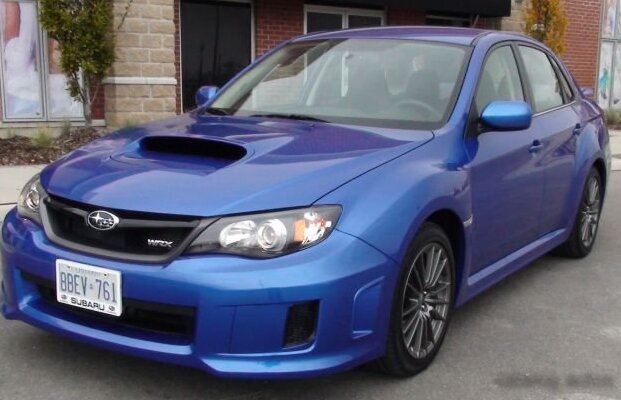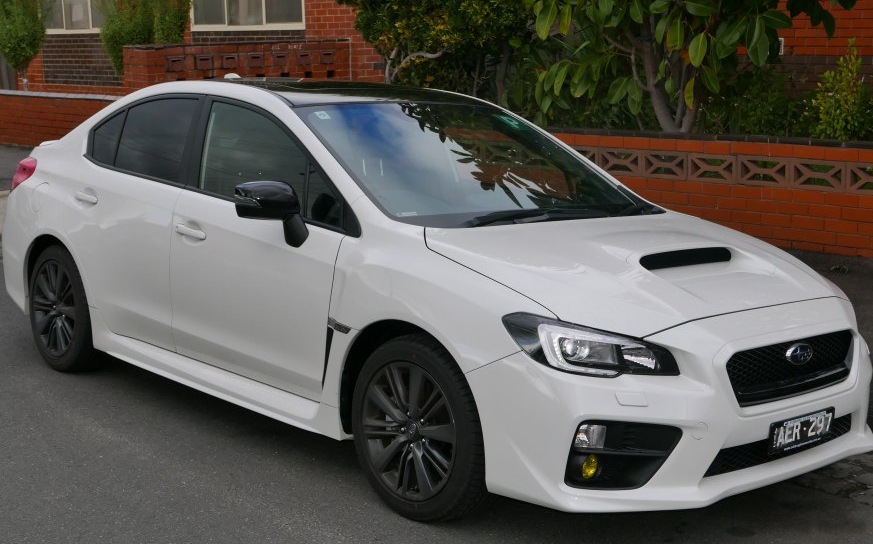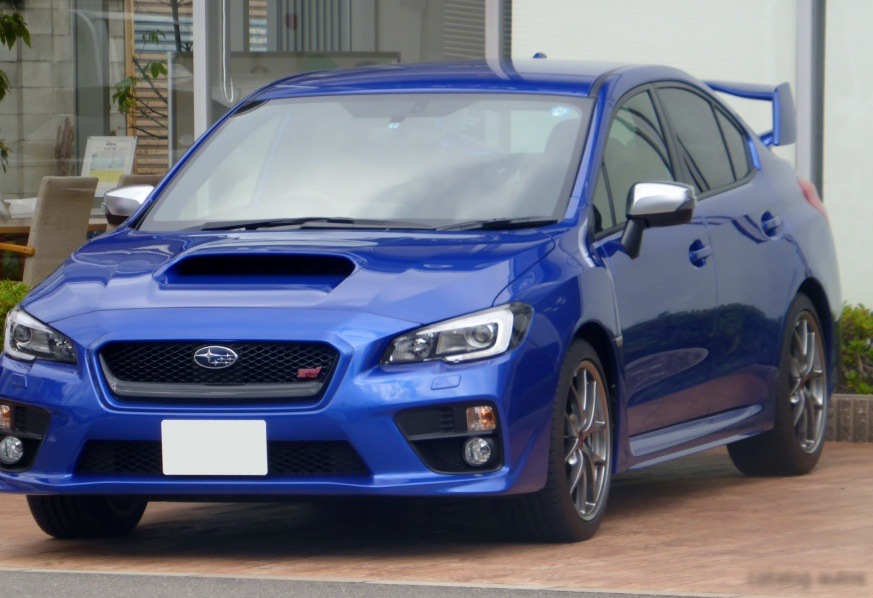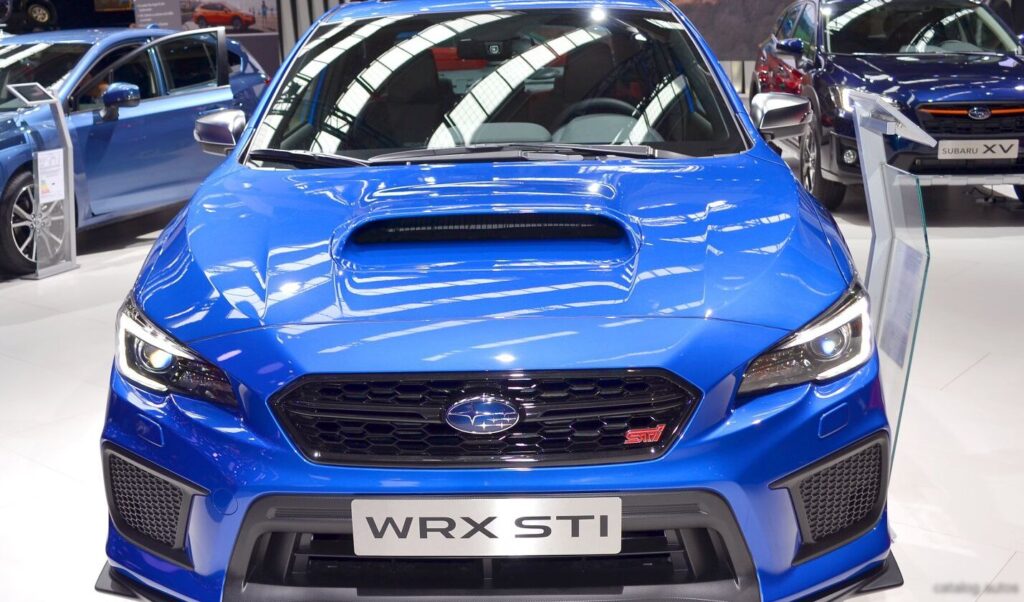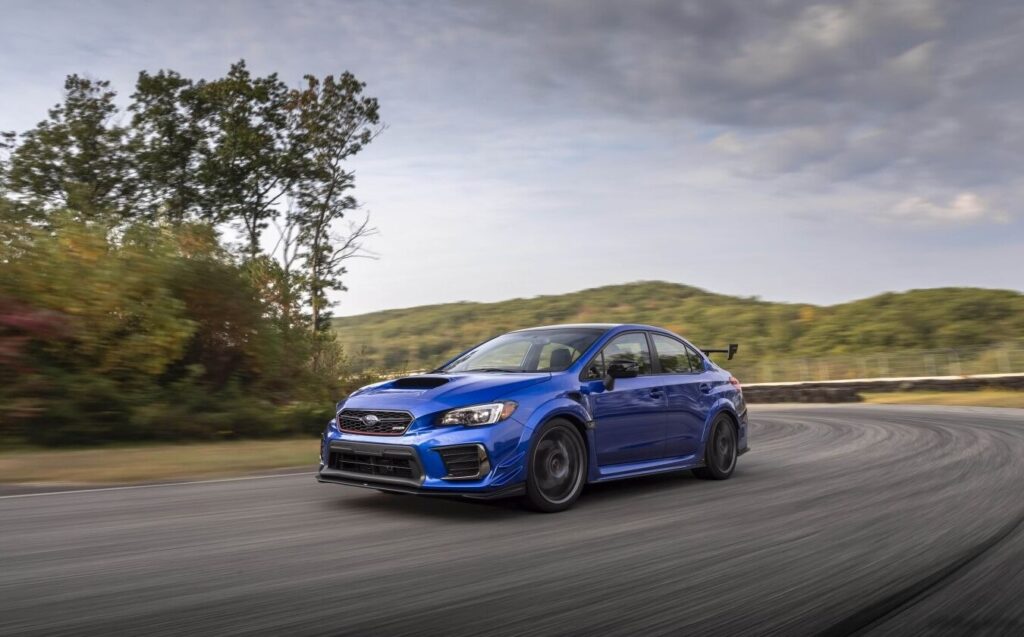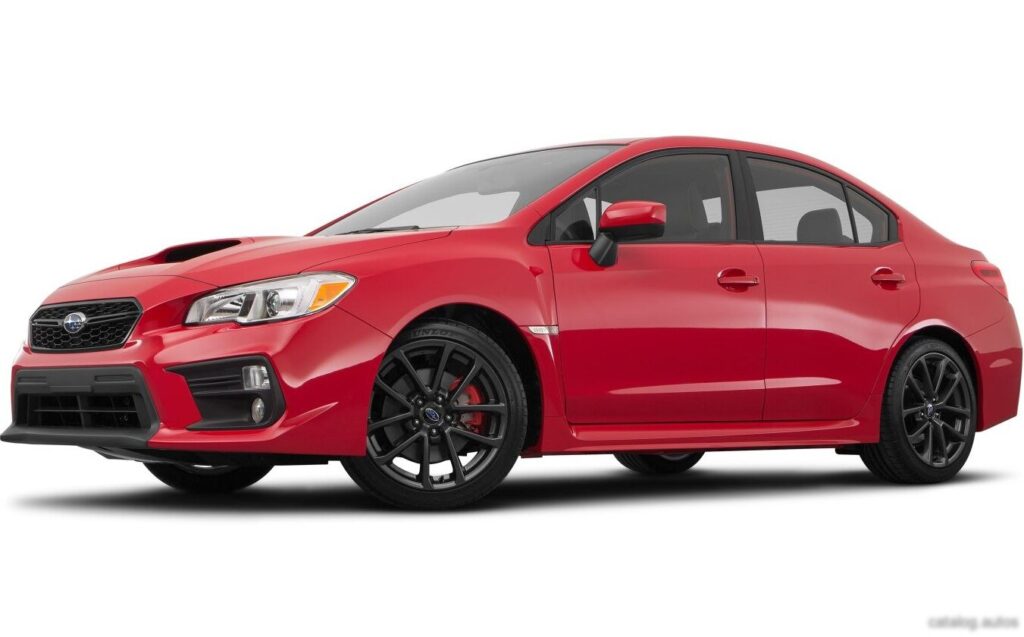
The Subaru WRX Sedan (VA) facelift, produced from 2017 to September 2021, represents a significant evolution of the performance-oriented WRX lineage. This iteration, specifically equipped with the 2.0-liter turbocharged Boxer engine producing 268 horsepower and paired with a Continuously Variable Transmission (CVT), occupied a key position within the WRX lineup, offering a blend of performance and accessibility. The VA facelift brought styling updates, improved refinement, and enhanced technology compared to the initial VA generation launched in 2014. It continued Subaru’s tradition of offering all-wheel drive as standard, cementing its reputation as a capable all-weather performance sedan in the North American market, where it was a popular choice for enthusiasts seeking a practical yet engaging driving experience.
Technical Specifications
| Brand | Subaru |
| Model | WRX |
| Generation | WRX Sedan (VA) (facelift 2017) |
| Type (Engine) | 2.0 (268 Hp) AWD CVT |
| Start of production | 2017 |
| End of production | September, 2021 |
| Powertrain Architecture | Internal Combustion engine |
| Body type | Sedan |
| Seats | 5 |
| Doors | 4 |
| Fuel consumption (urban) | 13.1 l/100 km (18 US mpg, 21.6 UK mpg, 7.6 km/l) |
| Fuel consumption (extra urban) | 9.8 l/100 km (24 US mpg, 28.8 UK mpg, 10.2 km/l) |
| Fuel consumption (combined) | 11.2 l/100 km (21 US mpg, 25.2 UK mpg, 8.9 km/l) |
| Fuel Type | Petrol (Gasoline) |
| Weight-to-power ratio | 5.9 kg/Hp, 170.1 Hp/tonne |
| Weight-to-torque ratio | 4.5 kg/Nm, 222.1 Nm/tonne |
| Power | 268 Hp @ 5600 rpm |
| Power per litre | 134.1 Hp/l |
| Torque | 350 Nm @ 2000-5200 rpm (258.15 lb.-ft. @ 2000-5200 rpm) |
| Engine layout | Front, Longitudinal |
| Engine Model/Code | FA20F |
| Engine displacement | 1998 cm3 (121.93 cu. in.) |
| Number of cylinders | 4 |
| Engine configuration | Boxer |
| Cylinder Bore | 86 mm (3.39 in.) |
| Piston Stroke | 86 mm (3.39 in.) |
| Compression ratio | 10.6:1 |
| Number of valves per cylinder | 4 |
| Fuel injection system | Direct injection |
| Engine aspiration | Turbocharger, Intercooler |
| Valvetrain | DOHC, AVCS |
| Engine oil capacity | 5.1 l (5.39 US qt | 4.49 UK qt) |
| Coolant capacity | 8.2 l (8.66 US qt | 7.21 UK qt) |
| Kerb Weight | 1576-1587 kg (3474.49 – 3498.74 lbs.) |
| Trunk (boot) space (minimum) | 340 l (12.01 cu. ft.) |
| Fuel tank capacity | 60 l (15.85 US gal | 13.2 UK gal) |
| Length | 4595 mm (180.91 in.) |
| Width | 1796 mm (70.71 in.) |
| Height | 1476 mm (58.11 in.) |
| Wheelbase | 2649 mm (104.29 in.) |
| Front track | 1529 mm (60.2 in.) |
| Rear track | 1539 mm (60.59 in.) |
| Ride height (ground clearance) | 124 mm (4.88 in.) |
| Minimum turning circle | 10.8-11 m (35.43 – 36.09 ft.) |
| Drivetrain Architecture | All wheel drive (4×4) |
| Number of gears and type of gearbox | automatic transmission CVT |
| Front suspension | Independent, type McPherson with coil spring and anti-roll bar |
| Rear suspension | Double wishbone |
| Front brakes | Ventilated discs, 314.96 mm |
| Rear brakes | Disc, 287.02 mm |
| Assisting systems | ABS (Anti-lock braking system) |
| Steering type | Steering rack and pinion |
| Power steering | Electric Steering |
| Tires size | 235/45 R17; 245/40 R18 |
| Wheel rims size | 8J x 17; 8.5J x 18 |
Powertrain & Engine Architecture
The heart of the 2017-2021 WRX facelift is the FA20F 2.0-liter turbocharged Boxer engine. This engine, a hallmark of Subaru’s engineering, features a horizontally opposed piston layout, contributing to a low center of gravity and improved balance. The FA20F utilizes direct fuel injection, optimizing combustion efficiency and power delivery. The turbocharger, coupled with an intercooler, provides increased air intake, boosting horsepower and torque. The engine’s valvetrain incorporates Subaru’s Active Valve Control System (AVCS) on both intake and exhaust camshafts, allowing for variable valve timing and improved responsiveness across the rev range. Paired with this engine is a Continuously Variable Transmission (CVT). Unlike traditional automatic transmissions with fixed gear ratios, the CVT provides a seamless and theoretically infinite number of gear ratios, optimizing engine efficiency and providing smooth acceleration. While some purists preferred the available six-speed manual transmission, the CVT offered improved fuel economy and ease of use, particularly in urban driving conditions.
Driving Characteristics
The 268-horsepower WRX with the CVT delivers a distinct driving experience compared to its manual transmission counterparts or higher-output variants like the STI. The CVT prioritizes smooth acceleration and efficient power delivery. While it lacks the direct engagement of a manual gearbox, Subaru implemented paddle shifters and simulated “gear” steps to provide a more engaging experience for drivers who prefer more control. The all-wheel-drive system provides exceptional traction in various conditions, making the WRX a capable performer year-round. The CVT’s programming is tuned to hold lower “gears” during spirited driving, maximizing engine power and responsiveness. However, the CVT can sometimes feel less connected to the engine than a traditional transmission, and the characteristic “rubber band” effect can be noticeable under hard acceleration. Compared to the manual WRX, the CVT version generally offers slightly quicker acceleration from a standstill due to the CVT’s ability to maintain optimal engine speed.
Equipment & Trim Levels
The 2.0-liter CVT WRX typically came standard with features such as automatic climate control, a touchscreen infotainment system with Apple CarPlay and Android Auto compatibility, rearview camera, and Subaru’s EyeSight driver-assist technology, which includes adaptive cruise control, lane departure warning, and automatic emergency braking. Interior upholstery was typically cloth, with optional leather available. Higher trim levels offered additional features like a premium audio system, power-adjustable driver’s seat, and larger alloy wheels. Optional extras included a moonroof, keyless access with push-button start, and blind-spot detection with rear cross-traffic alert.
Chassis & Braking
The WRX utilizes a McPherson strut front suspension and a double-wishbone rear suspension, providing a balance of handling and ride comfort. The chassis is reinforced for increased rigidity, enhancing handling precision. Braking duties are handled by ventilated discs at the front and solid discs at the rear. Anti-lock braking system (ABS) is standard. The suspension tuning is geared towards performance, offering a firm but controlled ride. The standard tire size is 235/45 R17 or 245/40 R18, depending on the trim level.
Market Reception & Comparison
The 2017-2021 WRX with the 2.0-liter engine and CVT received generally positive reviews. Critics praised its all-weather capability, comfortable ride, and standard safety features. However, some reviewers noted the CVT’s lack of engagement compared to the manual transmission. Fuel economy was considered reasonable for a performance sedan, averaging around 21 mpg combined. Compared to the six-speed manual WRX, the CVT version offered slightly better fuel economy but less driver involvement. Compared to the more powerful WRX STI, the 2.0-liter CVT WRX was positioned as a more accessible and practical option, offering a balance of performance and affordability.
Legacy
The FA20F engine and the CVT transmission pairing in the 2017-2021 WRX have proven to be relatively reliable. The FA20F is known for its durability, and the CVT, while sometimes criticized for its driving feel, has demonstrated reasonable longevity with proper maintenance. On the used car market, these WRXs represent a good value for buyers seeking a capable all-wheel-drive performance sedan. Regular maintenance, including oil changes and CVT fluid replacements, is crucial for ensuring long-term reliability. The WRX continues to be a popular choice among enthusiasts and remains a strong competitor in the compact performance sedan segment.