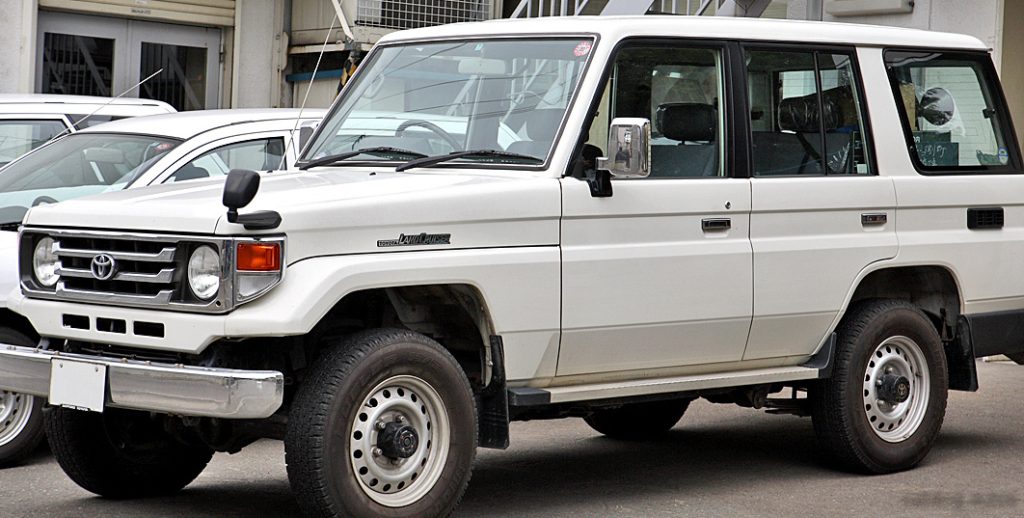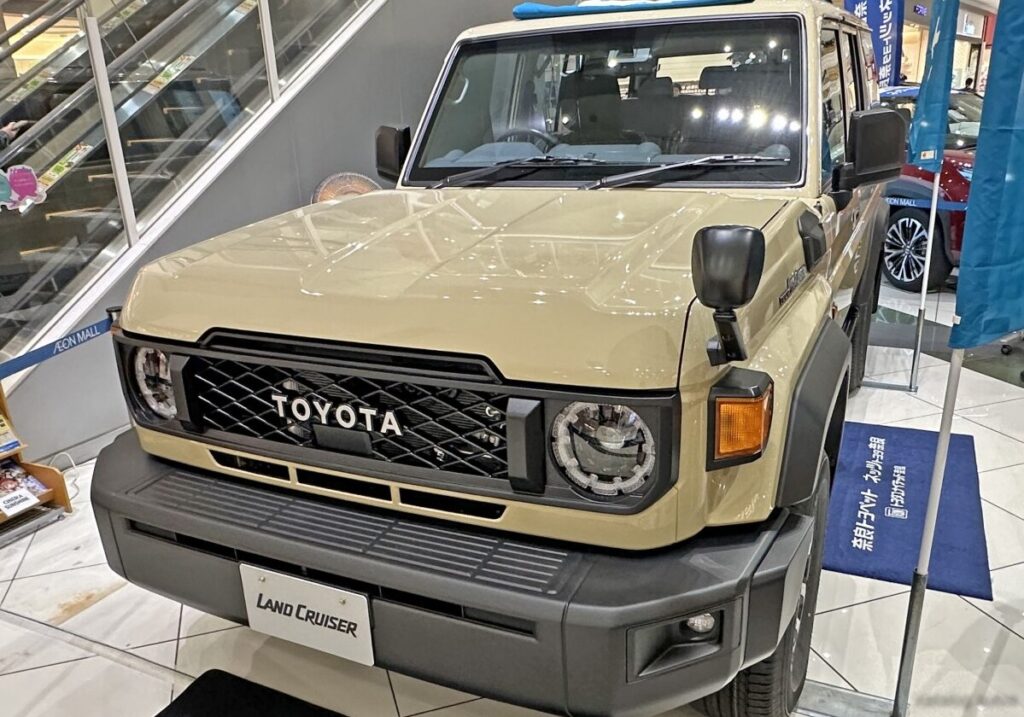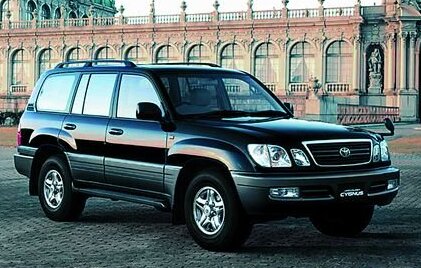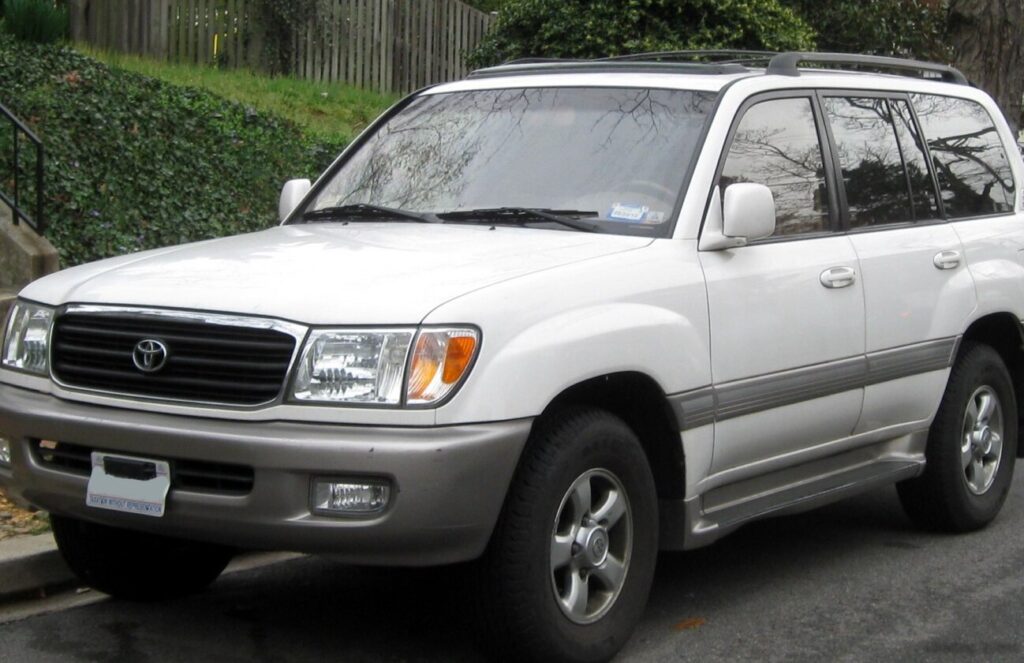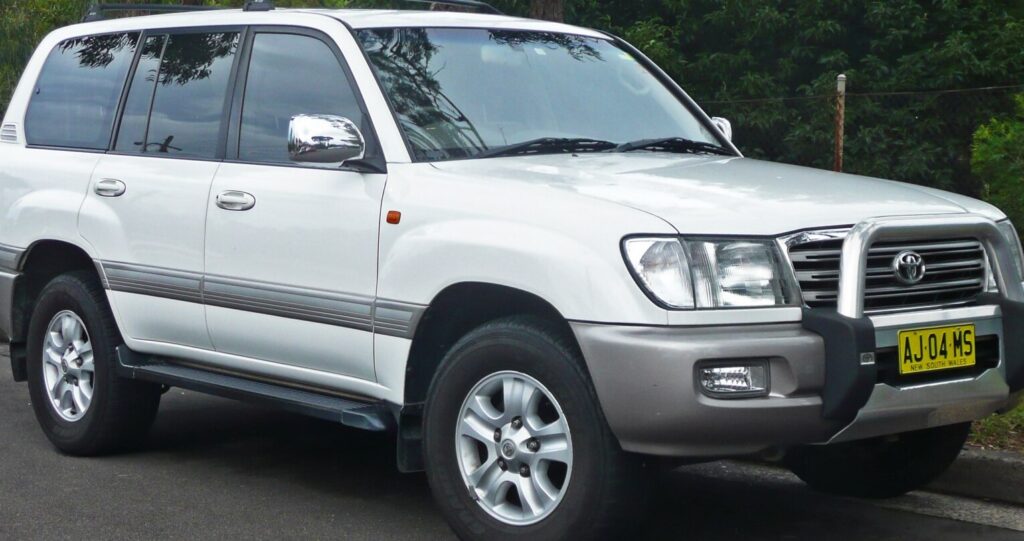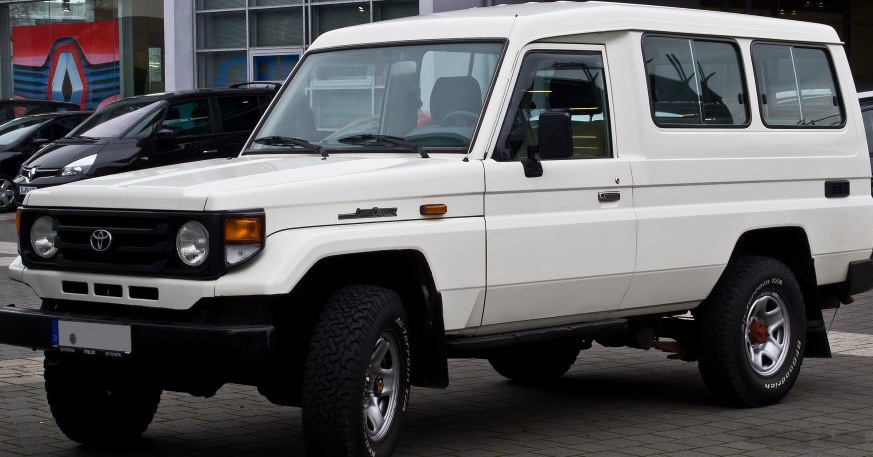
The Toyota Land Cruiser J78 series, produced from 1989 to 2007, represents a continuation of Toyota’s legendary off-road capability, specifically tailored for markets outside of North America. While the 80 and 100 series Land Cruisers were aimed at more luxurious, on-road oriented buyers, the J78 maintained a focus on ruggedness and utilitarian functionality. The 4.2 D (131 Hp) 4WD variant, manufactured between 1999 and 2003, was a mainstay in many regions, particularly in Europe, Africa, and Australia, where its durability and simplicity were highly valued. This model occupied a unique position within the J78 lineup, offering a balance between diesel fuel efficiency, robust 4×4 capability, and a relatively affordable price point.
Technical Specifications
| Brand | Toyota |
| Model | Land Cruiser |
| Generation | Land Cruiser (J78) |
| Type (Engine) | 4.2 D (131 Hp) 4WD |
| Start of production | 1999 |
| End of production | 2003 |
| Powertrain Architecture | Internal Combustion engine |
| Body type | Off-road vehicle |
| Seats | 6 |
| Doors | 3 |
| Fuel Type | Diesel |
| Weight-to-power ratio | 16.3 kg/Hp |
| Power | 131 Hp @ 3800 rpm |
| Power per litre | 31.5 Hp/l |
| Torque | 285 Nm @ 2200 rpm (210.21 lb.-ft. @ 2200 rpm) |
| Engine layout | Front, Longitudinal |
| Engine Model/Code | 1HZ |
| Engine displacement | 4164 cm3 (254.1 cu. in.) |
| Number of cylinders | 6 |
| Engine configuration | Inline |
| Cylinder Bore | 94 mm (3.7 in.) |
| Piston Stroke | 100 mm (3.94 in.) |
| Compression ratio | 22.4:1 |
| Number of valves per cylinder | 2 |
| Fuel injection system | Precombustion chamber injection |
| Engine aspiration | Naturally aspirated engine |
| Valvetrain | SOHC |
| Engine oil capacity | 9.3 l (9.83 US qt | 8.18 UK qt) |
| Coolant capacity | 9.3 l (9.83 US qt | 8.18 UK qt) |
| Kerb Weight | 2135 kg (4706.87 lbs.) |
| Max. weight | 3200 kg (7054.79 lbs.) |
| Max load | 1065 kg (2347.92 lbs.) |
| Fuel tank capacity | 180 l (47.55 US gal | 39.59 UK gal) |
| Permitted trailer load with brakes (12%) | 3500 kg (7716.18 lbs.) |
| Permitted trailer load without brakes | 750 kg (1653.47 lbs.) |
| Length | 5060 mm (199.21 in.) |
| Width | 1690 mm (66.54 in.) |
| Height | 2115 mm (83.27 in.) |
| Wheelbase | 2980 mm (117.32 in.) |
| Front track | 1435 mm (56.5 in.) |
| Rear track | 1420 mm (55.91 in.) |
| Ride height (ground clearance) | 235 mm (9.25 in.) |
| Minimum turning circle | 13.4 m (43.96 ft.) |
| Drivetrain Architecture | Part-time 4WD |
| Drive wheel | All wheel drive (4×4) |
| Number of gears and type of gearbox | 5 gears, manual transmission |
| Front suspension | Dependent spring suspension with anti-roll bar |
| Rear suspension | Dependent, multi-link spring with telescopic shock absorbers, Leaf spring |
| Front brakes | Ventilated discs, 322 mm |
| Rear brakes | Ventilated discs, 295 mm |
| Steering type | Cone worm with recirculation balls |
Powertrain & Engine Architecture
The heart of the J78 4.2 D is the 1HZ engine, a 4.2-liter inline-six diesel renowned for its incredible longevity and reliability. This engine, a staple of Toyota’s diesel offerings for decades, utilizes a precombustion chamber injection system. This system, while less sophisticated than modern direct injection, contributes to the engine’s robustness and tolerance for lower-quality fuel. The 1HZ features a single overhead camshaft (SOHC) valvetrain, operating two valves per cylinder. The engine’s naturally aspirated design and relatively low compression ratio (22.4:1) prioritize durability over outright performance. The 5-speed manual transmission was the standard offering for this variant, chosen for its simplicity and ability to handle the engine’s torque in demanding off-road conditions. The transmission’s gear ratios were optimized for low-speed crawling and towing, rather than rapid acceleration.
Driving Characteristics
The 131 horsepower and 285 Nm (210 lb-ft) of torque produced by the 4.2 D engine translate to a driving experience focused on capability rather than speed. Acceleration is modest, and highway passing requires careful planning. However, the engine’s strong low-end torque makes it exceptionally well-suited for off-road driving and towing. The manual transmission allows for precise control over gear selection, crucial for navigating challenging terrain. Compared to the gasoline-powered J78 variants, the diesel offered significantly better fuel economy and a wider operating range. Against higher-output diesel versions (if available in certain markets), the 4.2 D traded performance for increased reliability and lower maintenance costs.
Equipment & Trim Levels
The J78 4.2 D was typically equipped with a utilitarian interior focused on functionality. Standard features generally included vinyl or cloth upholstery, basic instrumentation, and a robust heating and ventilation system. Power windows and central locking were often optional extras, depending on the specific market. The dashboard layout was simple and straightforward, prioritizing ease of use and durability. Trim levels were often minimal, with the focus being on providing a reliable workhorse vehicle rather than a luxurious experience. Options typically included upgraded audio systems, air conditioning, and various off-road accessories like winches and roof racks.
Chassis & Braking
The J78 chassis is a body-on-frame construction, providing exceptional strength and durability. The suspension system features a dependent spring setup at both the front and rear, designed to absorb impacts and maintain wheel articulation off-road. The front suspension incorporates an anti-roll bar to improve on-road stability. Braking duties are handled by ventilated disc brakes on all four wheels, providing adequate stopping power for the vehicle’s weight. The J78’s high ground clearance (235mm) and robust chassis construction make it exceptionally capable in challenging off-road environments.
Market Reception & Comparison
The J78 4.2 D was generally well-received in markets where durability and off-road capability were paramount. Critics praised its reliability, fuel efficiency, and ability to withstand harsh conditions. However, its lack of refinement and modest performance were often noted. Compared to other trims in the J78 lineup, the 4.2 D offered a more affordable entry point, appealing to buyers who prioritized practicality over luxury. Its simplicity also translated to lower maintenance costs, making it a popular choice for those who needed a dependable vehicle for work or adventure.
Legacy
The Toyota Land Cruiser J78 4.2 D has earned a reputation as one of the most reliable and durable off-road vehicles ever built. The 1HZ engine, in particular, is legendary for its longevity, with many examples exceeding 300,000 miles with minimal maintenance. In the used car market, these vehicles remain highly sought after, particularly in regions where off-road capability is valued. While finding well-maintained examples can be challenging, the J78 4.2 D continues to represent a compelling option for those seeking a rugged, dependable, and timeless 4×4 vehicle. Its enduring popularity is a testament to Toyota’s commitment to building vehicles that can withstand the test of time.