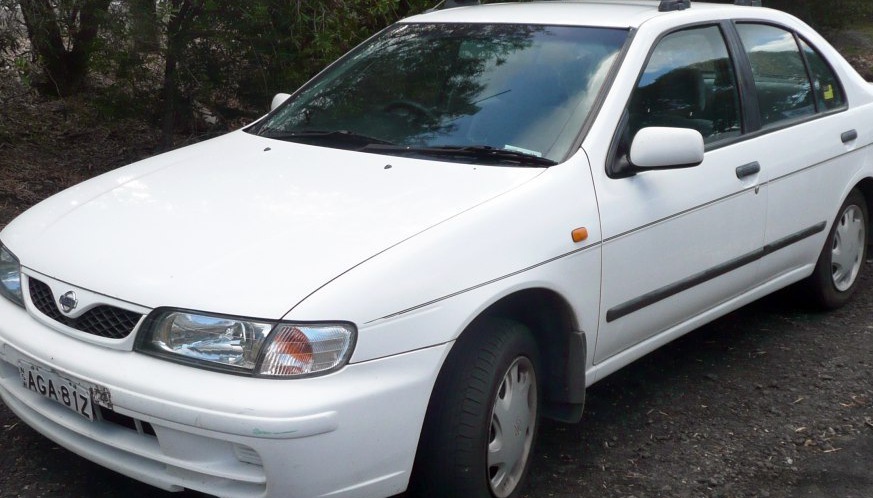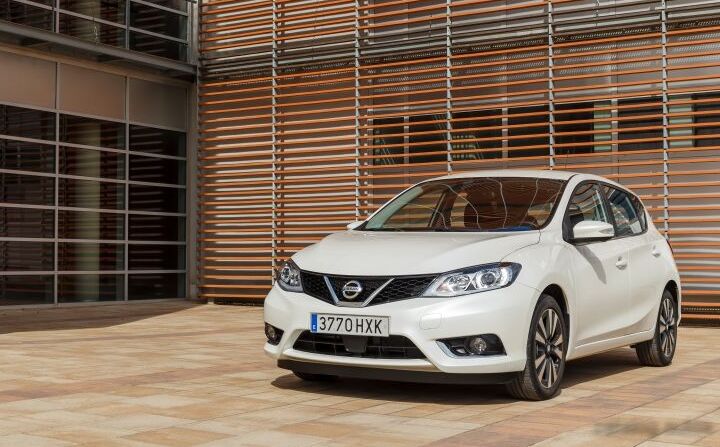
The Nissan Pulsar (C13) 1.6 DIG-T, produced from March 2015 to June 2018, represented a performance-oriented variant within the third generation of the Pulsar hatchback. Positioned as a mid-range offering, it aimed to bridge the gap between the more economical base models and the potential for a future, more focused Nismo variant that ultimately didn’t materialize. The C13 Pulsar was Nissan’s attempt to re-enter the competitive European compact hatchback segment, and the 1.6 DIG-T was a key component in attracting buyers seeking a blend of efficiency and driving enjoyment. It utilized Nissan’s direct injection gasoline turbocharger (DIG-T) technology, offering a significant power upgrade over the naturally aspirated engines available in other Pulsar trims.
Technical Specifications
| Brand | Nissan |
| Model | Pulsar |
| Generation | Pulsar (C13) |
| Type (Engine) | 1.6 DIG-T (190 Hp) |
| Start of production | March, 2015 |
| End of production | June, 2018 |
| Powertrain Architecture | Internal Combustion engine |
| Body type | Hatchback |
| Seats | 5 |
| Doors | 5 |
| Fuel consumption (urban) | 7.6 – 7.7 l/100 km (30.9 – 30.5 US mpg) |
| Fuel consumption (extra urban) | 4.6 – 4.8 l/100 km (51.1 – 49 US mpg) |
| Fuel consumption (combined) | 5.7 – 5.9 l/100 km (41.3 – 39.9 US mpg) |
| CO2 emissions | 134 – 138 g/km |
| Fuel Type | Petrol (Gasoline) |
| Acceleration 0 – 100 km/h | 7.7 sec |
| Acceleration 0 – 62 mph | 7.7 sec |
| Acceleration 0 – 60 mph | 7.3 sec |
| Maximum speed | 217 km/h (134.84 mph) |
| Emission standard | Euro 6 |
| Weight-to-power ratio | 6.8 kg/Hp |
| Weight-to-torque ratio | 5.4 kg/Nm |
| Power | 190 Hp @ 5600 rpm |
| Torque | 240 Nm @ 1600-5200 rpm (177.01 lb.-ft. @ 1600-5200 rpm) |
| Engine layout | Front, Transverse |
| Engine Model/Code | MR16DDT |
| Engine displacement | 1618 cm3 (98.74 cu. in.) |
| Number of cylinders | 4 |
| Engine configuration | Inline |
| Cylinder Bore | 79.7 mm (3.14 in.) |
| Piston Stroke | 81.1 mm (3.19 in.) |
| Number of valves per cylinder | 4 |
| Fuel injection system | Direct injection |
| Engine aspiration | Turbocharger, Intercooler |
| Engine oil capacity | 4.3 l (4.54 US qt | 3.78 UK qt) |
| Kerb Weight | 1295-1363 kg (2854.99 – 3004.9 lbs.) |
| Max. weight | 1785 kg (3935.25 lbs.) |
| Max load | 422-490 kg (930.35 – 1080.27 lbs.) |
| Trunk (boot) space – minimum | 385 l (13.6 cu. ft.) |
| Trunk (boot) space – maximum | 1395 l (49.26 cu. ft.) |
| Fuel tank capacity | 46 l (12.15 US gal | 10.12 UK gal) |
| Max. roof load | 75 kg (165.35 lbs.) |
| Permitted trailer load with brakes (12%) | 1200 kg (2645.55 lbs.) |
| Permitted trailer load without brakes | 685 kg (1510.17 lbs.) |
| Permitted towbar download | 75 kg (165.35 lbs.) |
| Length | 4387 mm (172.72 in.) |
| Width | 1768 mm (69.61 in.) |
| Height | 1520 mm (59.84 in.) |
| Wheelbase | 2700 mm (106.3 in.) |
| Front track | 1530/1525 mm (60.24 in.) |
| Rear (Back) track | 1530 mm (60.24 in.) |
| Ride height (ground clearance) | 156 mm (6.14 in.) |
| Minimum turning circle (turning diameter) | 10.2 m (33.46 ft.) |
| Drivetrain Architecture | Front wheel drive |
| Number of gears and type of gearbox | 6 gears, manual transmission |
| Front suspension | Independent type McPherson |
| Rear suspension | Semi-independent, coil spring |
| Front brakes | Ventilated discs |
| Assisting systems | ABS (Anti-lock braking system) |
| Steering type | Steering rack and pinion |
| Tires size | 205/50 R17; 215/45 R18 |
| Wheel rims size | 6.5J x 17; 7J x 18 |
Powertrain & Engine Architecture
The heart of the Pulsar 1.6 DIG-T is the MR16DDT engine, a 1.6-liter inline-four cylinder gasoline engine. This engine utilizes direct fuel injection and a turbocharger with an intercooler to boost power output. The direct injection system allows for precise fuel delivery, improving combustion efficiency and reducing emissions. The turbocharger provides increased air intake, resulting in a significant power increase compared to naturally aspirated engines. The engine produces 190 horsepower at 5600 rpm and 240 Nm (177 lb-ft) of torque between 1600 and 5200 rpm. The engine’s design prioritizes a broad torque curve, making it responsive in everyday driving situations. The engine is transversely mounted at the front of the vehicle, driving the front wheels. The standard transmission was a six-speed manual, offering precise gear changes and driver engagement.
Driving Characteristics
The 1.6 DIG-T Pulsar offered a noticeable improvement in performance over the lower-powered variants. The 0-60 mph sprint took approximately 7.3 seconds, and it had a top speed of 134.84 mph. The turbocharger provides a surge of power in the mid-range, making overtaking maneuvers easier. While not a dedicated hot hatch, the 1.6 DIG-T provided a satisfying driving experience for those seeking more than just basic transportation. The six-speed manual transmission was well-matched to the engine’s power delivery, allowing drivers to keep the engine in its optimal power band. Compared to the base 1.2 DIG-T models, the 1.6 DIG-T felt significantly more capable, especially when fully loaded or on inclines. However, it didn’t quite match the outright performance of more focused rivals like the Ford Focus ST or Volkswagen Golf GTI.
Equipment & Trim Levels
The 1.6 DIG-T trim typically included features such as alloy wheels, air conditioning, a touchscreen infotainment system with Bluetooth connectivity, and a suite of safety features including ABS, ESP, and multiple airbags. Higher trim levels added features like automatic climate control, a reversing camera, and parking sensors. Interior upholstery was typically cloth, with options for partial leather trim. The dashboard layout was functional and modern, with a focus on ease of use. Optional extras included a panoramic sunroof, upgraded audio system, and advanced driver assistance systems like lane departure warning and blind spot monitoring.
Chassis & Braking
The Pulsar 1.6 DIG-T utilized a McPherson strut front suspension and a semi-independent coil spring rear suspension. This setup provided a comfortable ride while maintaining reasonable handling characteristics. The front brakes were ventilated discs, providing adequate stopping power, while the rear brakes were typically solid discs. The steering was a rack and pinion system, offering precise and responsive control. The suspension was tuned to prioritize comfort over outright sportiness, making it well-suited for everyday driving. Stabilizer bars were fitted to both the front and rear axles to reduce body roll during cornering.
Market Reception & Comparison
The Nissan Pulsar 1.6 DIG-T received generally positive reviews from automotive critics. It was praised for its responsive engine, comfortable ride, and well-equipped interior. However, some critics noted that the interior design was somewhat bland and that the handling wasn’t as sharp as some of its rivals. Fuel economy was competitive, with combined figures ranging from 39.9 to 41.3 US mpg. Compared to the 1.2 DIG-T models, the 1.6 DIG-T offered a significant performance upgrade, but at a slightly higher price point. Compared to rivals like the Volkswagen Golf and Ford Focus, the Pulsar offered a good value proposition, but lacked the brand recognition and established reputation of those models.
Legacy
The Nissan Pulsar 1.6 DIG-T, while not a massive sales success, offered a compelling package for buyers seeking a stylish and efficient hatchback with a bit of extra performance. The MR16DDT engine proved to be relatively reliable, although regular maintenance is crucial to prevent issues with the turbocharger and direct injection system. On the used car market, the 1.6 DIG-T models tend to command a slightly higher price than the lower-powered variants, reflecting their increased performance and desirability. The Pulsar’s discontinuation in 2018 marked the end of Nissan’s attempt to compete directly in the European compact hatchback segment, but the 1.6 DIG-T remains a capable and enjoyable car for those seeking a practical and efficient daily driver.