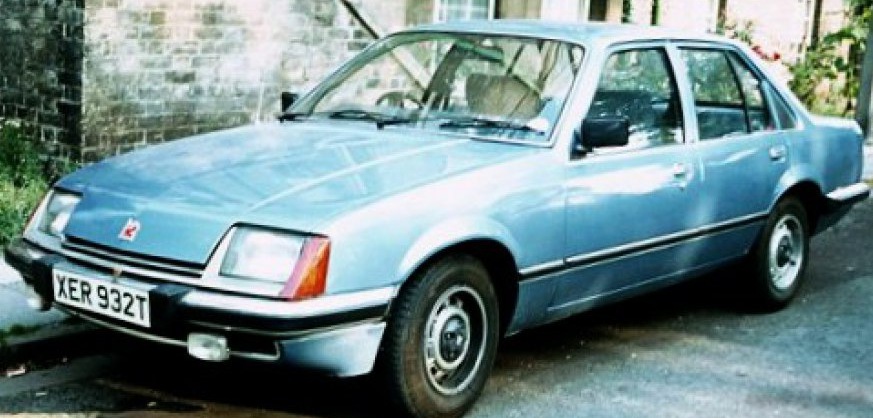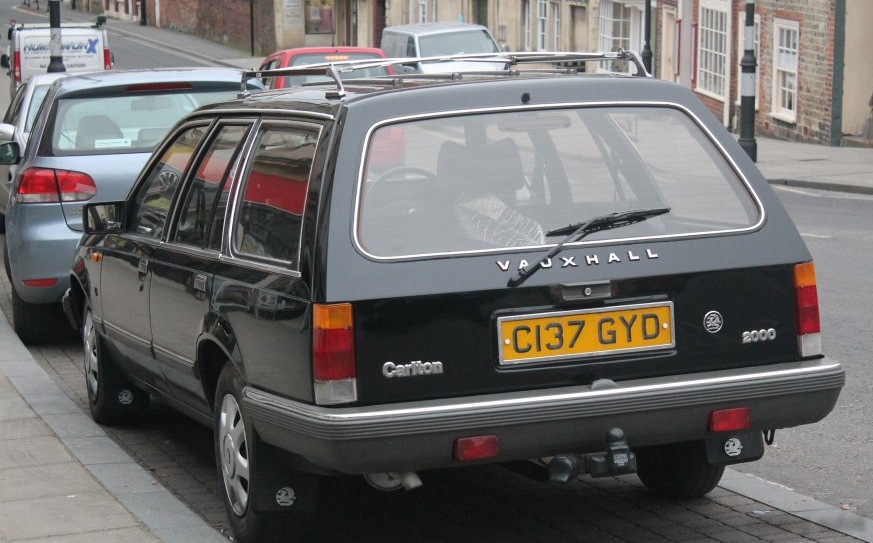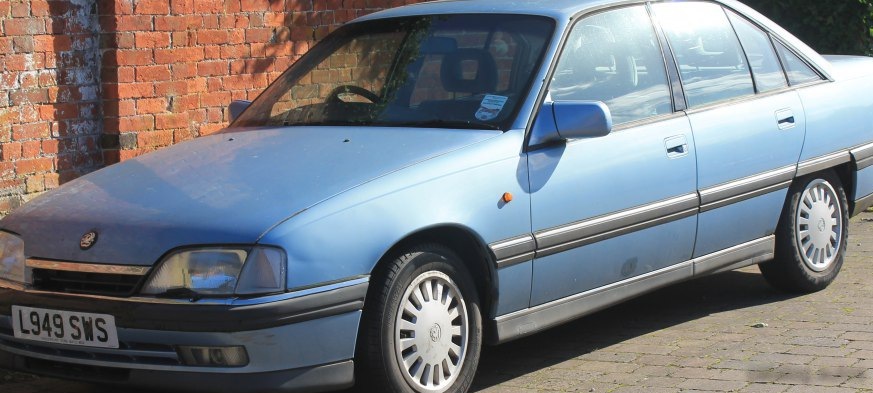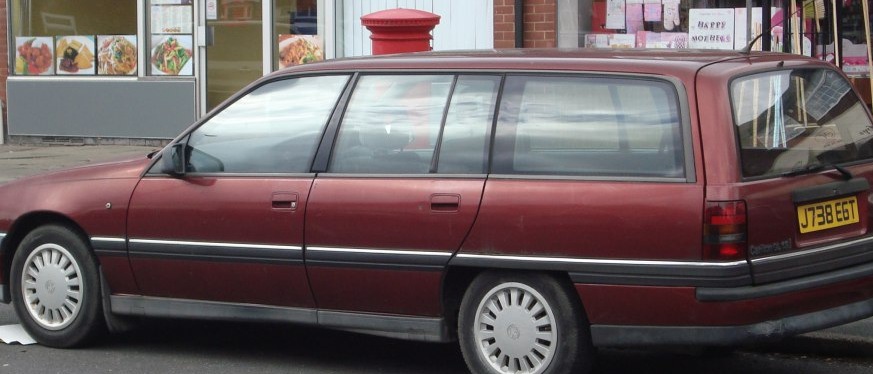
The Vauxhall Carlton Mk III Estate 3.0, produced between 1987 and 1988, represented a luxurious and spacious offering within the British automotive market. As part of the Mk III Carlton range (designated as the C-series), the Estate variant provided a practical alternative to the saloon, appealing to families and those requiring significant cargo capacity. Positioned as a premium trim level, the 3.0-liter engine offered a substantial performance upgrade over the lower-capacity models, though it wasn’t the flagship offering – that distinction belonged to the GSi variants. The Carlton Mk III was a significant model for Vauxhall, representing a move upmarket in terms of design, technology, and perceived quality, aiming to compete with European rivals like the Ford Granada and BMW 5 Series.
Technical Specifications
| Brand | Vauxhall |
| Model | Carlton Mk III Estate |
| Type (Engine) | 3.0 (177 Hp) |
| Start of production | 1987 |
| End of production | 1988 |
| Powertrain Architecture | Internal Combustion engine |
| Body type | Station wagon (estate) |
| Seats | 5 |
| Doors | 5 |
| Fuel Type | Petrol (Gasoline) |
| Power | 177 Hp |
| Engine Model/Code | 30NE |
| Engine aspiration | Naturally aspirated engine |
| Engine oil capacity | 5.5 l (5.81 US qt | 4.84 UK qt) |
| Coolant capacity | 10.2 l (10.78 US qt | 8.97 UK qt) |
Powertrain & Engine Architecture
The heart of the Carlton Mk III Estate 3.0 was the 30NE engine, a 2,999 cc (approximately 3.0 liters) naturally aspirated V6. This engine was part of Vauxhall’s C-series family, known for its robust construction and relatively smooth operation. The 30NE featured a 60-degree V-angle, contributing to a compact engine bay layout. Fuel delivery was managed by Bosch Motronic fuel injection, a sophisticated system for the time, optimizing fuel efficiency and emissions while providing responsive performance. The engine utilized a single overhead camshaft (SOHC) design per cylinder bank, operating with two valves per cylinder. While not a high-revving engine, it produced a respectable 177 horsepower and approximately 207 lb-ft of torque. The engine was mated to a four-speed automatic transmission, a common pairing for the luxury-oriented Estate model. This transmission, while providing convenience, wasn’t known for its particularly sporty character, prioritizing smooth shifts over rapid acceleration.
Driving Characteristics
The Carlton Mk III Estate 3.0 offered a comfortable and refined driving experience, prioritizing ride quality over outright performance. The automatic transmission, while smooth, did detract somewhat from the engine’s potential. Acceleration from 0 to 60 mph was achieved in around 9.5 seconds, which was respectable for the era, but noticeably slower than the manual transmission or the more powerful GSi models. The automatic’s gear ratios were geared towards cruising, making it well-suited for long-distance journeys. The rear-wheel-drive configuration provided balanced handling, although the Estate’s increased weight compared to the saloon did introduce a degree of understeer when pushed hard. The steering was power-assisted, offering a light and easy feel, but lacked significant feedback. Overall, the driving experience was one of relaxed cruising and comfortable practicality, rather than sporty engagement.
Equipment & Trim Levels
The 3.0-liter Estate trim level was well-equipped for its time, reflecting its position as a premium offering. Standard features typically included central locking, electric windows, power-assisted steering, and a high-quality stereo system. Interior upholstery was generally cloth, though leather options were available as an extra cost. The dashboard layout was functional and well-designed, with clear instrumentation. Optional extras included a sunroof, upgraded sound systems, and more luxurious interior trim options. The Estate body style itself added to the practicality, offering a large cargo area accessible through a rear tailgate. The trim level aimed to provide a comfortable and well-appointed environment for both driver and passengers.
Chassis & Braking
The Carlton Mk III Estate utilized a traditional body-on-frame construction, providing a robust and durable chassis. Suspension consisted of independent front suspension with MacPherson struts and a live axle rear suspension with trailing arms. Stabilizer bars were fitted to both the front and rear axles to reduce body roll during cornering. Braking was initially provided by disc brakes on the front wheels and drum brakes on the rear wheels. Later models often featured disc brakes all around, offering improved stopping power. The braking system was not particularly advanced for the time, lacking ABS as standard equipment on many models. The suspension setup prioritized ride comfort, resulting in a relatively soft and compliant ride quality.
Market Reception & Comparison
The Vauxhall Carlton Mk III Estate 3.0 was generally well-received by critics, who praised its spaciousness, comfortable ride, and refined engine. However, the automatic transmission was often criticized for its lack of responsiveness and its impact on fuel economy. Compared to the manual transmission versions, the automatic models were noticeably slower and less engaging to drive. Fuel economy was around 20-24 mpg, which was typical for a large, naturally aspirated V6 engine of that era. The 3.0-liter Estate offered a compelling alternative to rivals like the Ford Granada Estate and the Rover 800 Estate, providing a good balance of practicality, comfort, and performance. The GSi models, with their more powerful engines and sportier suspension, appealed to a different segment of the market, prioritizing performance over luxury.
Legacy
The Vauxhall Carlton Mk III Estate 3.0, while not a particularly rare or highly sought-after classic today, holds a certain appeal for enthusiasts of British motoring. The 30NE engine is generally considered to be a reliable unit, although regular maintenance is essential to prevent issues. Parts availability can be a challenge, as the Carlton is now an older vehicle. The automatic transmission, while comfortable, is known to be less durable than the manual gearbox. In the used car market, well-maintained examples of the 3.0-liter Estate can fetch reasonable prices, appealing to those seeking a spacious and comfortable classic car with a touch of British charm. The Carlton Mk III Estate represents a significant chapter in Vauxhall’s history, showcasing the brand’s ambition to compete in the premium car segment.