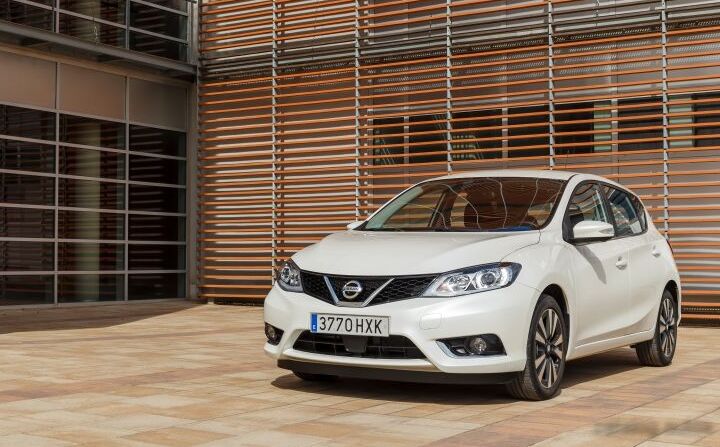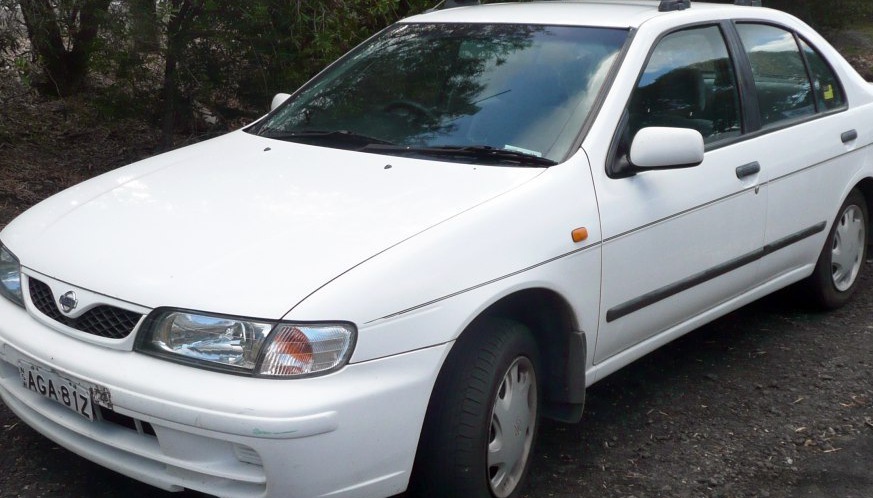
The Nissan Pulsar N14, produced between 1990 and 1995, represented a significant step forward for Nissan’s compact offerings, particularly in European and Australasian markets. Within the N14 series, the 1.5 16V X1 variant, equipped with a 94 horsepower engine and a four-speed automatic transmission, occupied a unique position. This configuration aimed to provide a balance between affordability, practicality, and ease of use, appealing to buyers seeking a comfortable and reliable family vehicle. The N14 Pulsar was a re-engineered version of the B13 chassis, offering improved styling and features compared to its predecessor. This specific 1.5L 4WD Automatic trim was positioned as a mid-range option, offering all-wheel drive capability not commonly found in this segment at the time.
Technical Specifications
| Brand | Nissan |
| Model | Pulsar |
| Generation | Pulsar (N14) |
| Type | 1.5 16V X1 (94 Hp) 4WD Automatic |
| Start of production | 1990 |
| End of production | 1995 |
| Powertrain Architecture | Internal Combustion engine |
| Body type | Hatchback |
| Seats | 5 |
| Doors | 3 |
| Fuel consumption (combined) | 5.9 l/100 km (39.9 US mpg, 47.9 UK mpg, 16.9 km/l) |
| Fuel Type | Petrol (Gasoline) |
| Weight-to-power ratio | 12 kg/Hp, 83.2 Hp/tonne |
| Weight-to-torque ratio | 9 kg/Nm, 111.5 Nm/tonne |
| Power | 94 Hp @ 6000 rpm |
| Power per litre | 62.8 Hp/l |
| Torque | 126 Nm @ 3600 rpm (92.93 lb.-ft. @ 3600 rpm) |
| Engine layout | Front, Transverse |
| Engine displacement | 1497 cm3 (91.35 cu. in.) |
| Number of cylinders | 4 |
| Engine configuration | Inline |
| Cylinder Bore | 73.6 mm (2.9 in.) |
| Piston Stroke | 88 mm (3.46 in.) |
| Compression ratio | 9.5:1 |
| Number of valves per cylinder | 4 |
| Fuel injection system | Carburettor |
| Engine aspiration | Naturally aspirated engine |
| Valvetrain | DOHC |
| Kerb Weight | 1130 kg (2491.22 lbs.) |
| Max. weight | 1405 kg (3097.49 lbs.) |
| Max load | 275 kg (606.27 lbs.) |
| Fuel tank capacity | 50 l (13.21 US gal | 11 UK gal) |
| Length | 3975 mm (156.5 in.) |
| Width | 1670 mm (65.75 in.) |
| Height | 1385 mm (54.53 in.) |
| Wheelbase | 2430 mm (95.67 in.) |
| Front track | 1440 mm (56.69 in.) |
| Rear track | 1415 mm (55.71 in.) |
| Drive wheel | All wheel drive (4×4) |
| Number of gears | 4 |
| Gearbox type | automatic transmission |
| Front suspension | Spring Strut |
| Rear suspension | Coil spring |
| Front brakes | Ventilated discs |
| Rear brakes | Drum |
| Assisting systems | ABS (Anti-lock braking system) |
| Steering type | Steering rack and pinion |
| Power steering | Hydraulic Steering |
| Tires size | 175/70 R13 S |
| Wheel rims size | 13 |
Powertrain & Engine Architecture
The heart of the Pulsar 1.5 X1 was the GA15DE engine, a 1.5-liter inline-four cylinder powerplant. While the specification lists a carburettor, many European market examples featured multi-point fuel injection, offering improved efficiency and emissions compared to older carburetted systems. The engine utilized a double overhead camshaft (DOHC) valvetrain, contributing to its relatively high output for its displacement. The 16 valves allowed for improved breathing and a broader powerband. The four-speed automatic transmission, while providing convenience, was a relatively conventional unit for the time. It wasn’t known for particularly quick shifts or advanced features, but it was generally reliable. The 4WD system was a viscous coupling type, providing automatic engagement of the rear wheels when slip was detected, enhancing traction in adverse conditions.
Driving Characteristics
The 94 horsepower output, coupled with the automatic transmission, resulted in a driving experience focused on comfort and ease of use rather than outright performance. Acceleration was adequate for everyday driving, but overtaking maneuvers required planning. The automatic transmission’s gear ratios were geared towards fuel efficiency, meaning the engine often operated at higher RPMs during acceleration. Compared to the manual transmission versions of the 1.5, the automatic suffered a noticeable performance deficit. Higher-spec Pulsars, such as those equipped with the 1.6 or 2.0-liter engines, offered significantly more spirited performance. The all-wheel drive system provided enhanced stability, particularly on slippery surfaces, but added to the vehicle’s weight, slightly impacting fuel economy.
Equipment & Trim Levels
The 1.5 X1 4WD Automatic trim typically included features such as power steering, central locking, and an AM/FM radio. Interior upholstery was generally cloth, with a simple and functional dashboard layout. Optional extras included electric windows, a sunroof, and upgraded audio systems. The X1 designation indicated a mid-range trim level, offering a step up in features compared to the base models but lacking the luxury appointments of the higher-spec variants. The interior was designed with practicality in mind, offering ample space for passengers and luggage.
Chassis & Braking
The N14 Pulsar utilized a MacPherson strut front suspension and a coil spring rear suspension. This setup provided a comfortable ride, although it wasn’t particularly sporty. The front brakes were ventilated discs, offering adequate stopping power, while the rear brakes were drums, a cost-saving measure common in this class of vehicle. The inclusion of ABS (Anti-lock Braking System) was a notable safety feature for the time, enhancing braking performance and stability, especially on wet or slippery roads. Stabilizer bars were fitted to both the front and rear axles, helping to reduce body roll during cornering.
Market Reception & Comparison
The Pulsar 1.5 X1 4WD Automatic was generally well-received as a practical and reliable family car. Critics praised its comfortable ride, spacious interior, and the added security of all-wheel drive. However, the automatic transmission and relatively low horsepower were points of criticism, with some reviewers noting the lack of performance compared to manual transmission models or larger-engined rivals. Fuel economy was considered reasonable for the time, but not exceptional. Compared to competitors like the Ford Escort or Opel Astra, the Pulsar offered a unique combination of features, particularly the availability of all-wheel drive in a compact hatchback.
Legacy
The Nissan Pulsar N14, and specifically the 1.5 16V X1 4WD Automatic variant, has developed a reputation for reliability and durability. The GA15DE engine is known to be a robust unit, capable of high mileage with proper maintenance. Today, these vehicles are relatively rare, but those that remain are often sought after by enthusiasts and collectors. Parts availability can be a challenge, but many components are still available through specialist suppliers. The combination of affordability, practicality, and all-wheel drive capability makes the N14 Pulsar a fondly remembered vehicle from the early 1990s, and the 1.5 Automatic version remains a testament to Nissan’s commitment to providing reliable transportation for the masses.