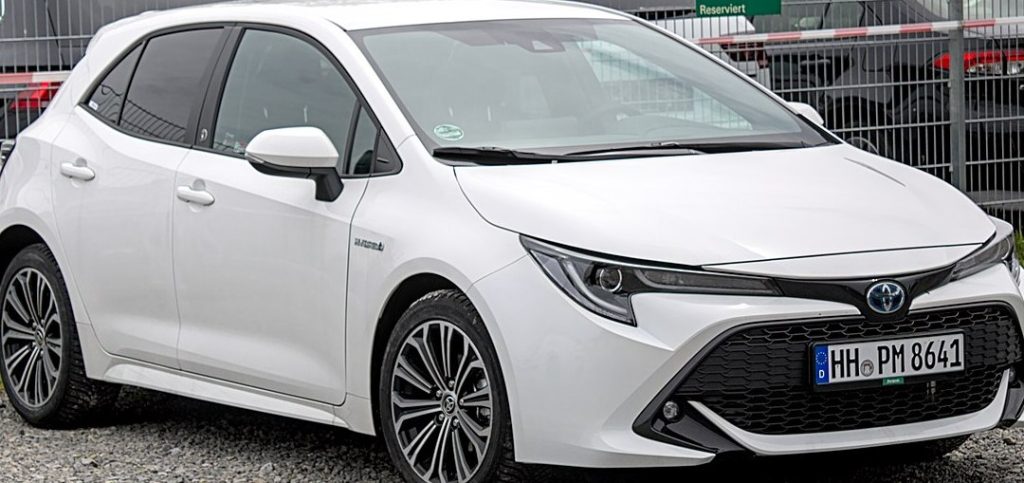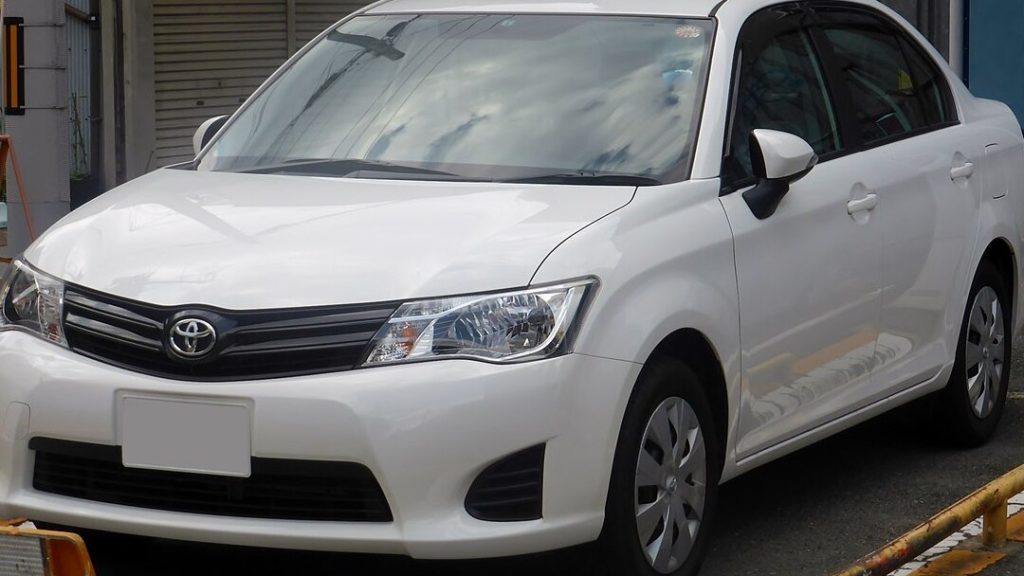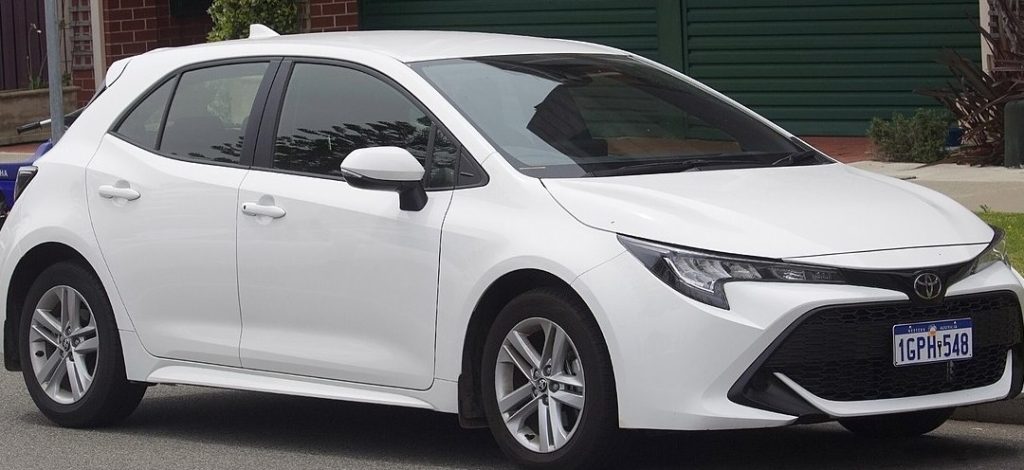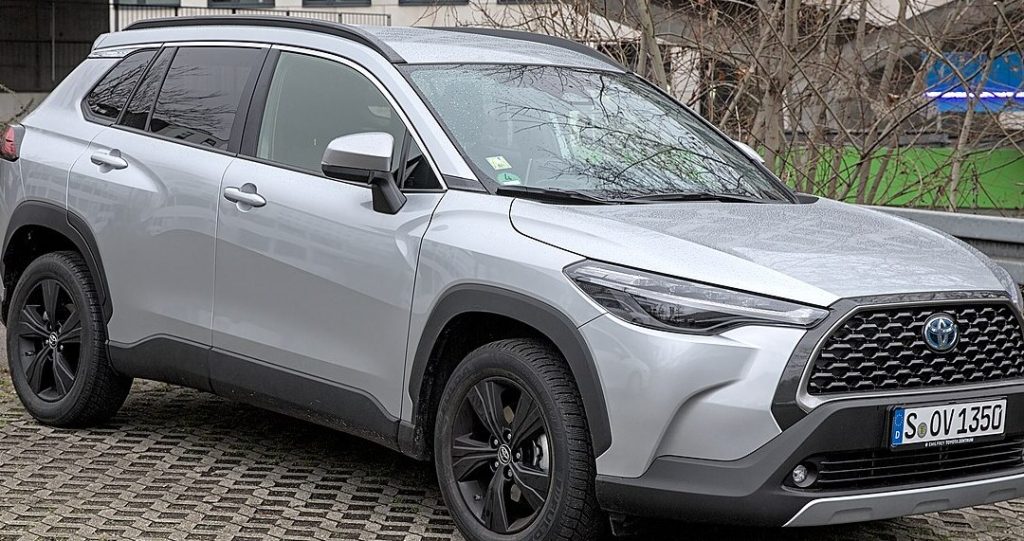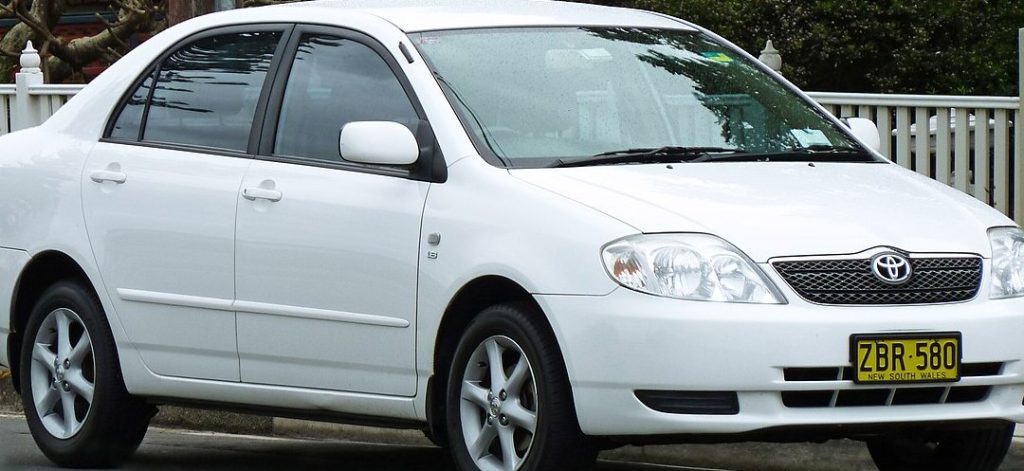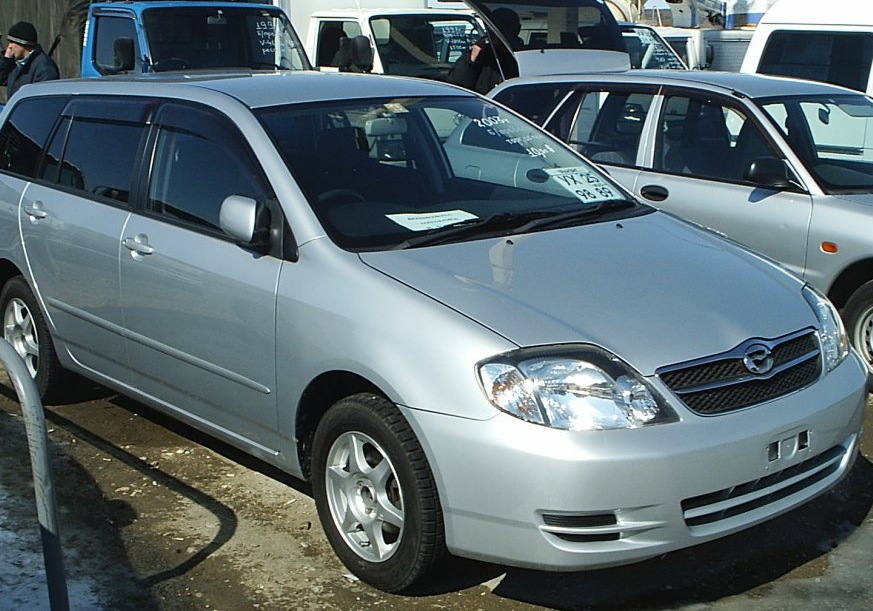
The Toyota Corolla Fielder IX 2.2 d, produced from 2000 to October 2006, represents a practical and versatile station wagon variant within the broader E120 series Corolla range. Primarily aimed at the Japanese domestic market (JDM) and export markets like Australia and parts of Asia, the Fielder offered a spacious and utilitarian alternative to the standard Corolla sedan and hatchback. This specific 2.2 d variant, equipped with a 79 horsepower diesel engine, occupied the entry-level position in the Fielder lineup, prioritizing fuel efficiency and affordability over outright performance. It was designed to appeal to buyers needing a reliable and economical vehicle for both personal and commercial use.
Technical Specifications
| Brand | Toyota |
| Model | Corolla |
| Generation | Corolla Fielder IX |
| Type (Engine) | 2.2 d (79 Hp) |
| Start of production | 2000 |
| End of production | October, 2006 |
| Powertrain Architecture | Internal Combustion engine |
| Body type | Station wagon (estate) |
| Seats | 5 |
| Doors | 5 |
| Fuel consumption (urban) | 6.8 l/100 km (34.6 US mpg) |
| Fuel consumption (extra urban) | 6 l/100 km (39.2 US mpg) |
| Fuel Type | Diesel |
| Maximum speed | 190 km/h (118.06 mph) |
| Weight-to-power ratio | 15.1 kg/Hp |
| Weight-to-torque ratio | 8.1 kg/Nm |
| Power | 79 Hp @ 4400 rpm |
| Power per litre | 36.2 Hp/l |
| Torque | 147 Nm @ 2400 rpm (108.42 lb.-ft. @ 2400 rpm) |
| Engine layout | Front, Transverse |
| Engine Model/Code | 3C-E |
| Engine displacement | 2184 cm3 (133.28 cu. in.) |
| Number of cylinders | 4 |
| Engine configuration | Inline |
| Cylinder Bore | 86 mm (3.39 in.) |
| Piston Stroke | 94 mm (3.7 in.) |
| Compression ratio | 23:1 |
| Number of valves per cylinder | 2 |
| Fuel injection system | Precombustion chamber injection |
| Engine aspiration | Naturally aspirated engine |
| Valvetrain | SOHC |
| Engine oil capacity | 5.1 l (5.39 US qt | 4.49 UK qt) |
| Coolant capacity | 6.9 l (7.29 US qt | 6.07 UK qt) |
| Kerb Weight | 1190 kg (2623.5 lbs.) |
| Fuel tank capacity | 50 l (13.21 US gal | 11 UK gal) |
| Length | 4385 mm (172.64 in.) |
| Width | 1695 mm (66.73 in.) |
| Height | 1475 mm (58.07 in.) |
| Wheelbase | 2600 mm (102.36 in.) |
| Front track | 1490 mm (58.66 in.) |
| Rear track | 1470 mm (57.87 in.) |
| Minimum turning circle | 9.8 m (32.15 ft.) |
| Drivetrain | Front wheel drive |
| Number of gears | 5 |
| Gearbox type | Manual transmission |
| Front suspension | Independent, McPherson with coil spring and anti-roll bar |
| Rear suspension | Torsion |
| Front brakes | Ventilated discs |
| Rear brakes | Drum |
| Assisting systems | ABS (Anti-lock braking system) |
| Steering type | Steering rack and pinion |
| Tires size | 175/70 R14 |
| Wheel rims size | 14 |
Powertrain & Engine Architecture
The heart of the Corolla Fielder IX 2.2 d is the 3C-E diesel engine. This 2.2-liter inline-four engine utilizes a precombustion chamber injection system, a common design for diesel engines of that era. This system involves injecting fuel into a precombustion chamber connected to the main cylinder, promoting more complete combustion and reducing noise. The engine features a single overhead camshaft (SOHC) valvetrain, operating two valves per cylinder. The 3C-E engine was known for its robustness and relatively simple design, contributing to its longevity. The five-speed manual transmission was the standard offering for this variant, providing a direct connection between the engine and the front wheels. The transmission’s gear ratios were tuned for fuel economy and everyday usability rather than sporty acceleration.
Driving Characteristics
The 79 horsepower output of the 2.2 d engine translates to modest performance. Acceleration is best described as adequate for everyday driving, with a 0-60 mph time likely in the 12-14 second range. The engine delivers its peak torque of 147 Nm (108 lb-ft) at 2400 rpm, providing reasonable pulling power for hauling loads or navigating hilly terrain. Compared to the higher-output gasoline engines available in the Fielder lineup, the 2.2 d feels noticeably slower, especially at higher speeds. However, the diesel’s superior torque makes it more capable of carrying heavier loads without significant performance degradation. The manual transmission allows for greater driver control, but the gear ratios are spaced to prioritize fuel efficiency over spirited driving.
Equipment & Trim Levels
The 2.2 d variant of the Corolla Fielder IX typically featured a basic level of equipment. Standard features generally included power steering, central locking, and air conditioning. Interior upholstery was typically a durable cloth material. Optional extras, depending on the market and specific package, could include power windows, upgraded audio systems, and alloy wheels. The dashboard layout was functional and straightforward, prioritizing practicality over aesthetic flair. This trim level was designed to be a workhorse, so luxury features were kept to a minimum.
Chassis & Braking
The Corolla Fielder IX utilized a front-engine, front-wheel-drive layout. The front suspension employed an independent McPherson strut setup with coil springs and an anti-roll bar, providing a comfortable ride and decent handling. The rear suspension utilized a torsion beam axle, a cost-effective and space-saving design. Braking duties were handled by ventilated discs at the front and drum brakes at the rear. Anti-lock braking system (ABS) was standard, enhancing safety by preventing wheel lockup during hard braking. The chassis was designed to prioritize stability and load-carrying capacity over sporty handling.
Market Reception & Comparison
The Corolla Fielder IX 2.2 d was well-received in markets where diesel engines were popular, particularly in regions with high fuel costs. Critics praised its fuel efficiency and reliability, but noted its lack of outright performance. Compared to the gasoline-powered Fielder variants, the 2.2 d offered significantly better fuel economy, making it an attractive option for high-mileage drivers. However, the gasoline engines provided smoother operation and quicker acceleration. The 2.2 d also offered a more affordable entry point into the Fielder range, appealing to budget-conscious buyers.
Legacy
The 3C-E diesel engine, while not known for cutting-edge technology, proved to be remarkably durable and reliable. Well-maintained examples of the Corolla Fielder IX 2.2 d can still be found on the used car market today, often with high mileage. The engine’s simplicity and robust construction contribute to its longevity. However, potential buyers should be aware of the typical wear and tear associated with diesel engines, such as injector issues and turbocharger wear (though this model is naturally aspirated). The Fielder IX 2.2 d remains a practical and economical choice for those seeking a reliable and spacious station wagon, particularly in regions where diesel fuel is readily available and affordable.