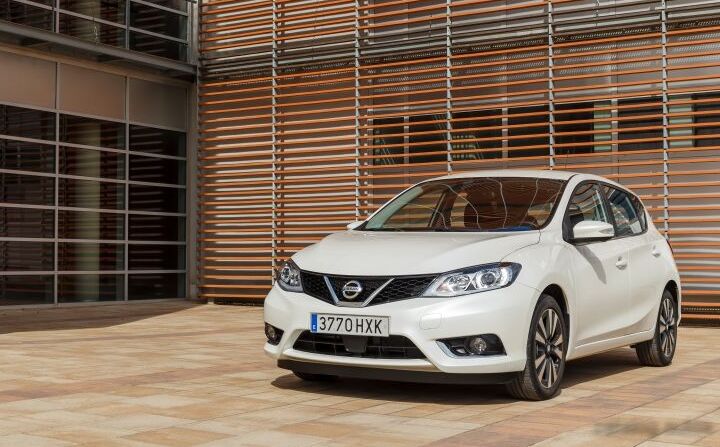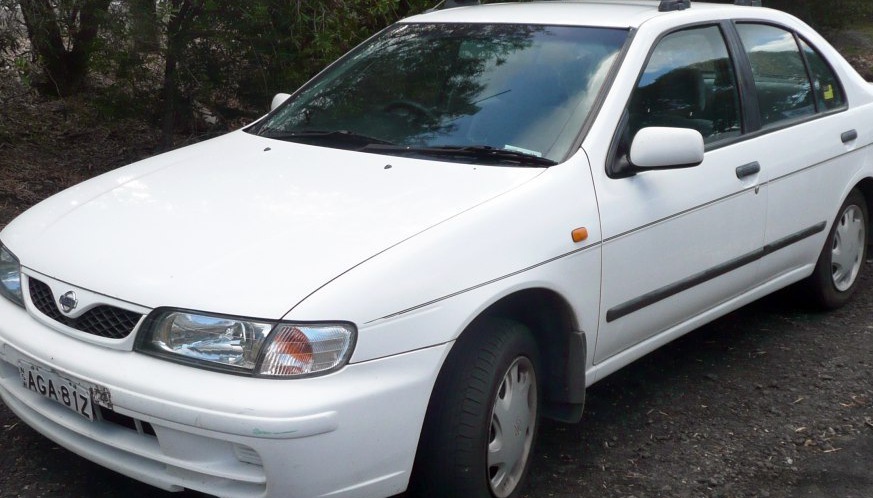
The Nissan Pulsar GTI-R (N14 chassis) was a limited-production, high-performance variant of the Nissan Pulsar, produced between 1990 and 1995. Specifically designed to homologate Nissan’s entry into the World Rally Championship (WRC), the GTI-R was a significant departure from the standard Pulsar, offering a potent turbocharged engine, all-wheel drive, and a host of performance-oriented upgrades. It was primarily sold in Japan and select export markets, including Australia and the United Kingdom, and never officially offered in the United States. The GTI-R represented Nissan’s attempt to create a rally-bred road car, similar in spirit to the Subaru Impreza WRX and Mitsubishi Lancer Evolution that would soon dominate the WRC scene.
Technical Specifications
| Brand | Nissan |
| Model | Pulsar |
| Generation | Pulsar (N14) |
| Type | 2.0 i 16V GTI-R (3 dr) (230 Hp) |
| Start of production | 1990 |
| End of production | 1995 |
| Powertrain Architecture | Internal Combustion engine |
| Body type | Hatchback |
| Seats | 5 |
| Doors | 3 |
| Fuel consumption (combined) | 8.5 l/100 km (27.7 US mpg, 33.2 UK mpg, 11.8 km/l) |
| Fuel Type | Petrol (Gasoline) |
| Weight-to-power ratio | 5.3 kg/Hp, 187 Hp/tonne |
| Weight-to-torque ratio | 4.5 kg/Nm, 223.6 Nm/tonne |
| Power | 230 Hp @ 6000 rpm |
| Power per litre | 115.1 Hp/l |
| Torque | 275 Nm @ 3600 rpm (202.83 lb.-ft. @ 3600 rpm) |
| Engine layout | Front, Transverse |
| Engine displacement | 1998 cm3 (121.93 cu. in.) |
| Number of cylinders | 4 |
| Engine configuration | Inline |
| Cylinder Bore | 86 mm (3.39 in.) |
| Piston Stroke | 86 mm (3.39 in.) |
| Compression ratio | 8.5:1 |
| Number of valves per cylinder | 4 |
| Fuel injection system | Multi-port manifold injection |
| Engine aspiration | Turbocharger |
| Kerb Weight | 1230 kg (2711.69 lbs.) |
| Max. weight | 1505 kg (3317.96 lbs.) |
| Max load | 275 kg (606.27 lbs.) |
| Fuel tank capacity | 50 l (13.21 US gal | 11 UK gal) |
| Length | 3975 mm (156.5 in.) |
| Width | 1690 mm (66.54 in.) |
| Height | 1400 mm (55.12 in.) |
| Wheelbase | 2430 mm (95.67 in.) |
| Front track | 1440 mm (56.69 in.) |
| Rear track | 1415 mm (55.71 in.) |
| Drive wheel | All wheel drive (4×4) |
| Number of gears and type of gearbox | 5 gears, manual transmission |
| Front suspension | Spring Strut |
| Rear suspension | Coil spring |
| Front brakes | Ventilated discs |
| Rear brakes | Disc |
| Assisting systems | ABS (Anti-lock braking system) |
| Steering type | Steering rack and pinion |
| Power steering | Hydraulic Steering |
| Tires size | 195/55 R14 V |
Powertrain & Engine Architecture
The heart of the GTI-R was the SR20DET, a 2.0-liter, inline-four cylinder engine featuring a ceramic turbocharger and intercooler. This engine was a derivative of the SR20DET found in the Nissan Silvia and 180SX, but specifically tuned for the Pulsar’s all-wheel-drive system. The SR20DET utilized multi-port fuel injection and a 16-valve cylinder head. The turbocharger provided significant boost, contributing to the engine’s 230 horsepower output. The GTI-R exclusively came with a five-speed manual transmission, designed to handle the engine’s torque and provide precise gear changes. The transmission was robust, but some owners reported wear on the synchronizers with aggressive driving.
Driving Characteristics
The GTI-R offered a distinctly sporty driving experience. The all-wheel-drive system provided excellent traction, particularly on loose surfaces, making it a capable performer on both paved and unpaved roads. Turbo lag was present, but once the turbo spooled up, the GTI-R delivered a strong surge of acceleration. The suspension was firm, contributing to responsive handling, but could be somewhat harsh on rough roads. Compared to the standard Pulsar, the GTI-R’s steering was more direct and communicative. The five-speed manual transmission allowed for precise control, but the gear ratios were somewhat closely spaced, requiring frequent shifting to maintain optimal power delivery. The GTI-R was noticeably quicker than other Pulsar variants, offering a 0-60 mph time in the low-to-mid six-second range.
Equipment & Trim Levels
The GTI-R was relatively well-equipped for its time, although it wasn’t a luxury car. Standard features included power windows, power steering, central locking, and a basic audio system. The interior featured sport seats with distinctive fabric upholstery. Air conditioning was often an optional extra. The dashboard layout was functional but lacked the sophistication of some contemporary European rivals. The GTI-R’s exterior was distinguished by its unique front bumper with integrated fog lights, side skirts, a rear spoiler, and alloy wheels.
Chassis & Braking
The GTI-R’s chassis was reinforced compared to the standard Pulsar to handle the increased power and stresses of performance driving. The suspension featured stiffer springs and dampers, and a thicker front stabilizer bar. The braking system consisted of ventilated discs on the front wheels and solid discs on the rear. Anti-lock brakes (ABS) were standard, providing improved stopping power and control. The all-wheel-drive system utilized a viscous coupling to distribute torque between the front and rear axles, providing a variable split depending on traction conditions.
Market Reception & Comparison
The GTI-R was generally well-received by automotive journalists and enthusiasts. It was praised for its performance, handling, and all-wheel-drive system. However, some critics noted its relatively basic interior and somewhat harsh ride. Compared to other hot hatches of the era, such as the Volkswagen Golf GTI and Ford Escort RS Cosworth, the GTI-R offered a unique combination of performance and affordability. The GTI-R’s fuel economy was reasonable for a turbocharged, all-wheel-drive car, averaging around 27.7 mpg in combined driving. Reliability was generally good, although the turbocharger and engine components required regular maintenance.
Legacy
The Nissan Pulsar GTI-R remains a sought-after vehicle among enthusiasts, particularly in Japan and Australia. Its limited production numbers and rally-bred heritage have contributed to its collectibility. Well-maintained examples command premium prices in the used car market. The SR20DET engine is known for its tunability, and many GTI-R owners have modified their cars to increase power output. The GTI-R’s legacy lies in its role as a pioneering all-wheel-drive hot hatch, paving the way for future performance models from Nissan and other manufacturers. While not as widely recognized as some of its European rivals, the GTI-R holds a special place in the hearts of those who appreciate its unique blend of performance, affordability, and rally-inspired design.