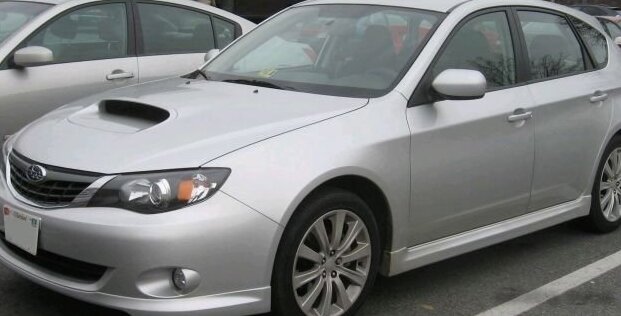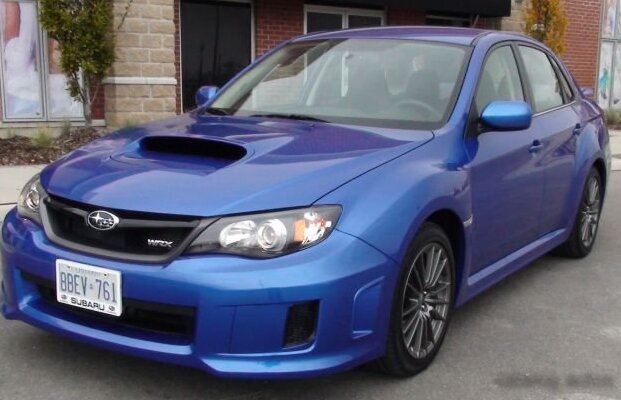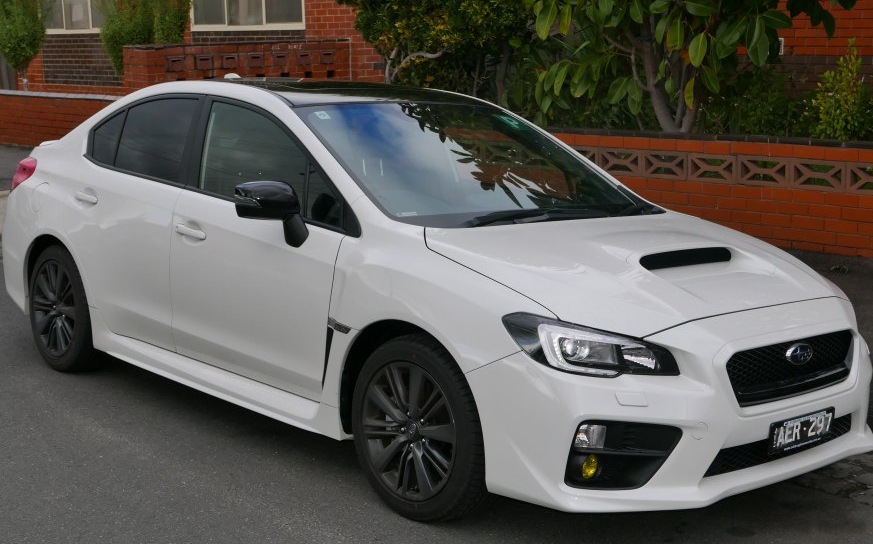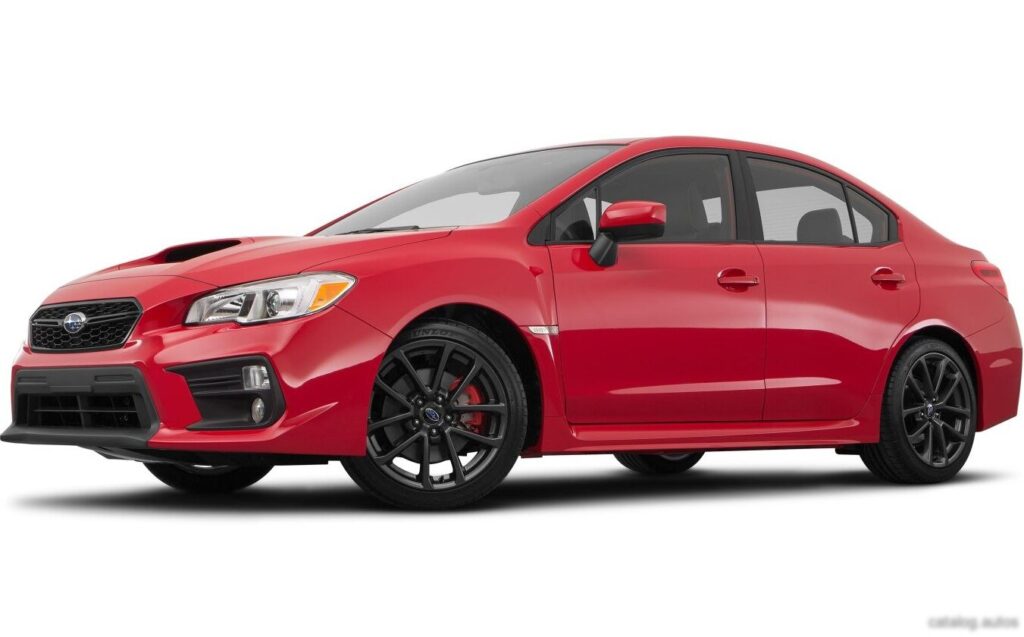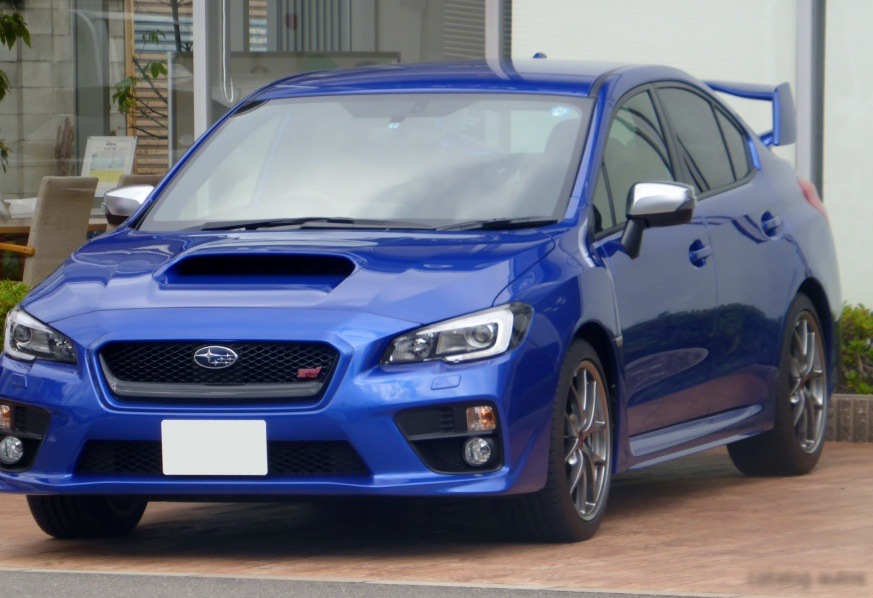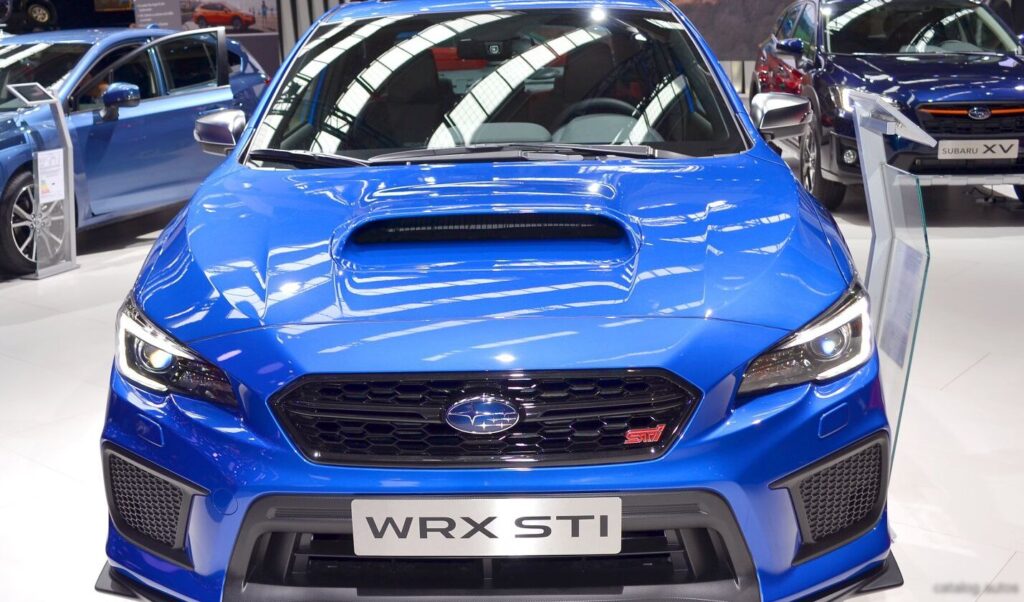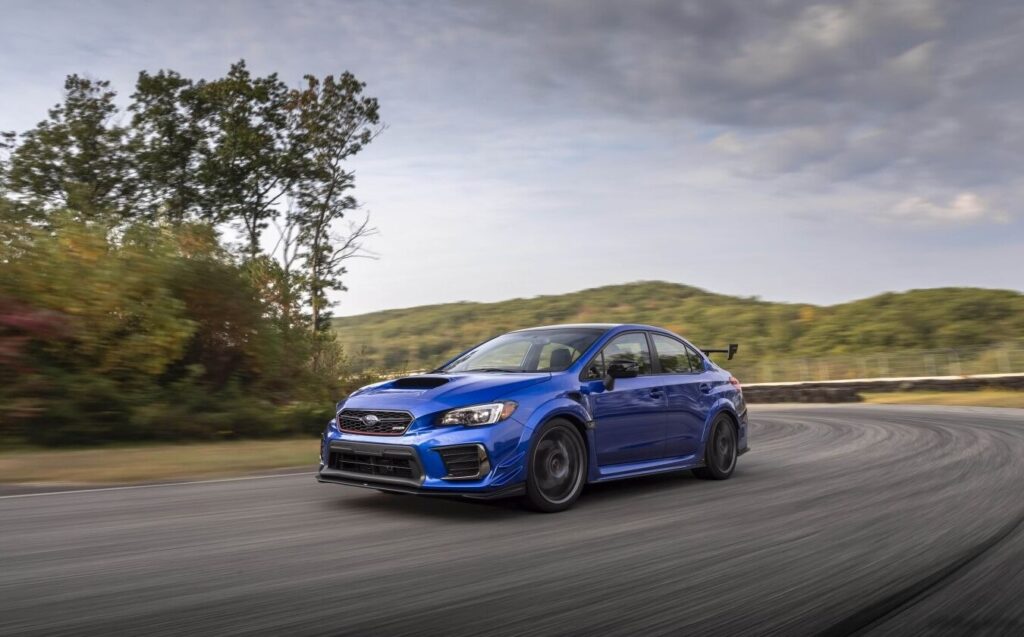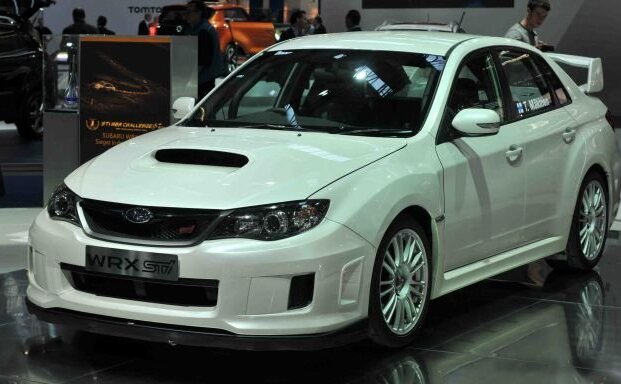
The Subaru WRX STI Sedan 2.5 Turbo, produced between 2007 and 2011, represents a high-performance iteration of Subaru’s popular WRX line. This model year marked a significant evolution for the STI, solidifying its reputation as a formidable rally-bred sports sedan within the North American market. Positioned as the top-tier performance variant, the 2.5 Turbo STI offered a substantial power upgrade and a host of performance enhancements compared to the standard WRX. It was a direct competitor to vehicles like the Mitsubishi Lancer Evolution, catering to enthusiasts seeking a capable and engaging driving experience.
Technical Specifications
| Brand | Subaru |
| Model | WRX |
| Generation | WRX STI Sedan |
| Type (Engine) | 2.5 (300 Hp) Turbo |
| Start of production | 2007 |
| End of production | 2011 |
| Powertrain Architecture | Internal Combustion engine |
| Body type | Sedan |
| Seats | 5 |
| Doors | 4 |
| Fuel consumption (urban) | 13.8 l/100 km (17 US mpg, 20.5 UK mpg, 7.2 km/l) |
| Fuel consumption (extra urban) | 8.2 l/100 km (28.7 US mpg, 34.4 UK mpg, 12.2 km/l) |
| Fuel consumption (combined) | 10.3 l/100 km (22.8 US mpg, 27.4 UK mpg, 9.7 km/l) |
| Fuel Type | Petrol (Gasoline) |
| Acceleration 0 – 100 km/h | 5.2 sec |
| Acceleration 0 – 62 mph | 5.2 sec |
| Acceleration 0 – 60 mph | 4.9 sec |
| Maximum speed | 250 km/h (155.34 mph) |
| Weight-to-power ratio | 5 kg/Hp, 199.3 Hp/tonne |
| Weight-to-torque ratio | 3.7 kg/Nm, 270.4 Nm/tonne |
| Power | 300 Hp @ 6000 rpm |
| Power per litre | 122.1 Hp/l |
| Torque | 407 Nm @ 4000 rpm (300.19 lb.-ft. @ 4000 rpm) |
| Engine layout | Front, Longitudinal |
| Engine Model/Code | EJ257 |
| Engine displacement | 2457 cm3 (149.94 cu. in.) |
| Number of cylinders | 4 |
| Engine configuration | Boxer |
| Cylinder Bore | 99.5 mm (3.92 in.) |
| Piston Stroke | 79 mm (3.11 in.) |
| Compression ratio | 8.2:1 |
| Number of valves per cylinder | 4 |
| Fuel injection system | Multi-port manifold injection |
| Engine aspiration | Turbocharger, Intercooler |
| Valvetrain | DOHC |
| Engine oil capacity | 4.3 l (4.54 US qt | 3.78 UK qt) |
| Coolant | 7.7 l (8.14 US qt | 6.78 UK qt) |
| Kerb Weight | 1505 kg (3317.96 lbs.) |
| Fuel tank capacity | 60 l (15.85 US gal | 13.2 UK gal) |
| Length | 4580 mm (180.31 in.) |
| Width | 1795 mm (70.67 in.) |
| Height | 1475 mm (58.07 in.) |
| Wheelbase | 2625 mm (103.35 in.) |
| Front track | 1530 mm (60.24 in.) |
| Rear track | 1540 mm (60.63 in.) |
| Minimum turning circle | 10.1 m (33.14 ft.) |
| Drive wheel | All wheel drive (4×4) |
| Number of gears | 6 gears, manual transmission |
| Front suspension | Independent type McPherson |
| Rear suspension | Double wishbone |
| Front brakes | Ventilated discs |
| Rear brakes | Ventilated discs |
| Assisting systems | ABS (Anti-lock braking system) |
| Steering type | Steering rack and pinion |
| Tires size | 245/40 R18 |
| Wheel rims size | 18 |
Powertrain & Engine Architecture
The heart of the 2007-2011 WRX STI is the 2.5-liter EJ257 boxer engine. This horizontally-opposed four-cylinder engine benefits from a closed-deck block design for increased strength, crucial for handling the increased boost from its turbocharger. The EJ257 utilizes multi-point fuel injection and a dual-scroll turbocharger, contributing to improved response and a broader torque curve. The engine produces 300 horsepower at 6,000 rpm and 300 lb-ft of torque at 4,000 rpm. The engine’s robust construction and carefully tuned turbocharger system allowed for reliable performance even with aggressive driving. The sole transmission option was a six-speed manual, chosen for its direct connection and driver control. This transmission featured close ratios optimized for both acceleration and track performance.
Driving Characteristics
The 2.5L STI delivers a raw and engaging driving experience. The combination of all-wheel drive, a responsive turbocharger, and a precise manual transmission results in impressive acceleration and handling. While the turbocharger does exhibit some lag at lower RPMs, the power delivery becomes substantial once it spools up. The six-speed gearbox allows drivers to keep the engine in its optimal power band. Compared to the standard WRX, the STI offers significantly more power and a more focused driving experience. The STI’s suspension is noticeably firmer, providing excellent body control but at the expense of some ride comfort. The steering is direct and communicative, offering a good sense of feel for the road.
Equipment & Trim Levels
The STI came relatively well-equipped, focusing on performance rather than luxury. Standard features included sport seats with bolstering, a leather-wrapped steering wheel, and a basic audio system. Air conditioning, power windows, and power locks were also standard. Optional extras included a premium audio system, sunroof, and upgraded interior trim. The interior design was functional and driver-focused, with aluminum pedals and a prominent turbo boost gauge. The STI’s interior, while not lavish, prioritized a sporty and purposeful aesthetic.
Chassis & Braking
The STI’s chassis is significantly reinforced compared to the standard WRX, featuring additional bracing for increased rigidity. The suspension utilizes inverted MacPherson struts at the front and a double-wishbone setup at the rear. Braking duties are handled by ventilated disc brakes on all four wheels, providing ample stopping power. The STI also features a driver-controlled center differential (DCCD) allowing drivers to adjust the front/rear torque bias for optimal handling in various conditions. This DCCD was a key feature, allowing for customization based on driving style and road surface.
Market Reception & Comparison
The 2007-2011 Subaru WRX STI was generally well-received by automotive critics. It was praised for its performance, handling, and all-weather capability. However, some critics noted the firm ride and the turbo lag. Compared to the standard WRX, the STI offered a substantial performance upgrade but came at a higher price point. Against its primary competitor, the Mitsubishi Lancer Evolution, the STI was often seen as offering a more raw and visceral driving experience, while the Evolution was considered more refined. Fuel economy, at around 22.8 US mpg combined, was typical for a high-performance all-wheel-drive vehicle of this era.
Legacy
The 2007-2011 WRX STI remains a popular choice among enthusiasts. The EJ257 engine, while known for requiring diligent maintenance (particularly oil changes), is generally considered robust when properly cared for. Common issues include potential head gasket failures and turbocharger wear, but these are often addressed with aftermarket upgrades. Today, these STIs command a strong following in the used car market, appreciated for their performance potential and rally-inspired heritage. They represent a significant chapter in Subaru’s performance history and continue to provide an engaging driving experience for those seeking a capable and rewarding sports sedan.