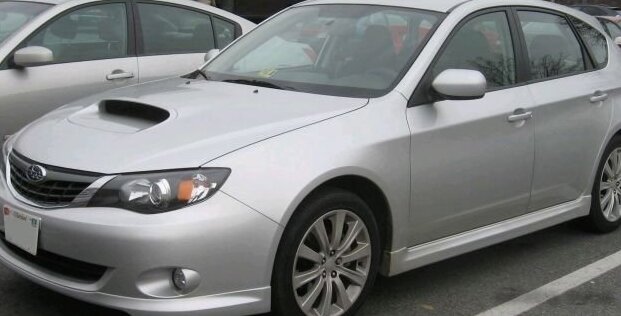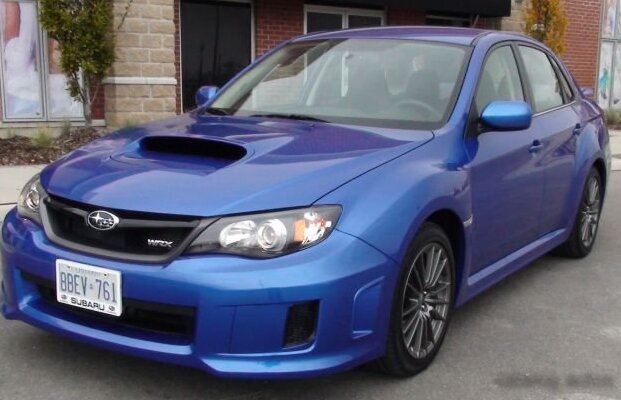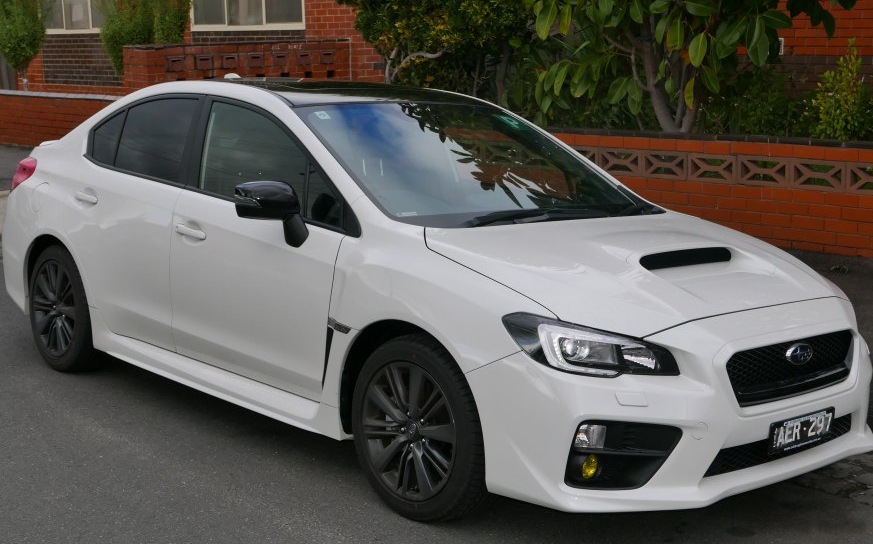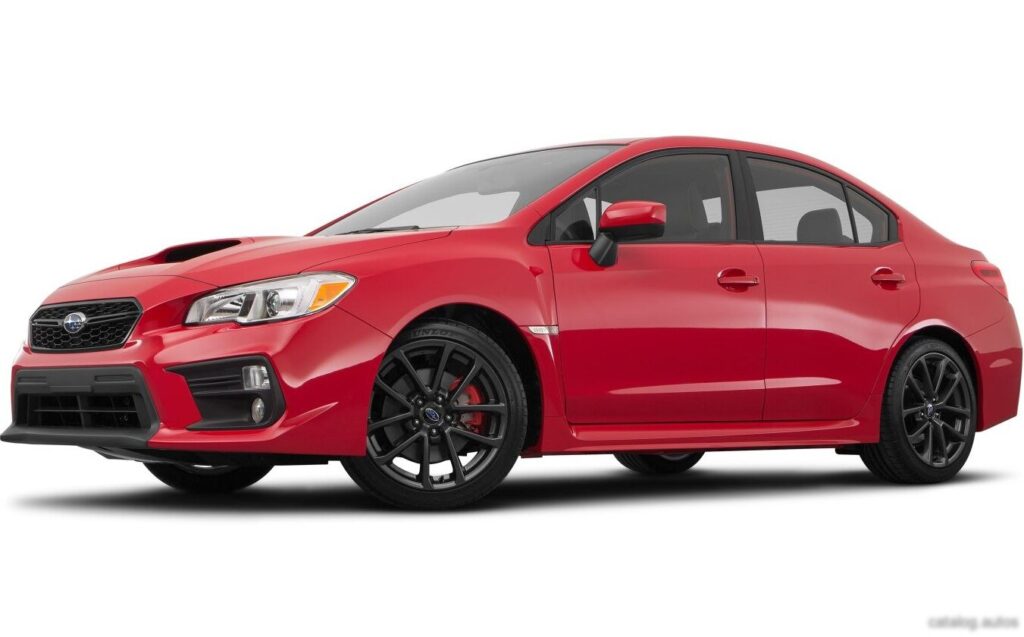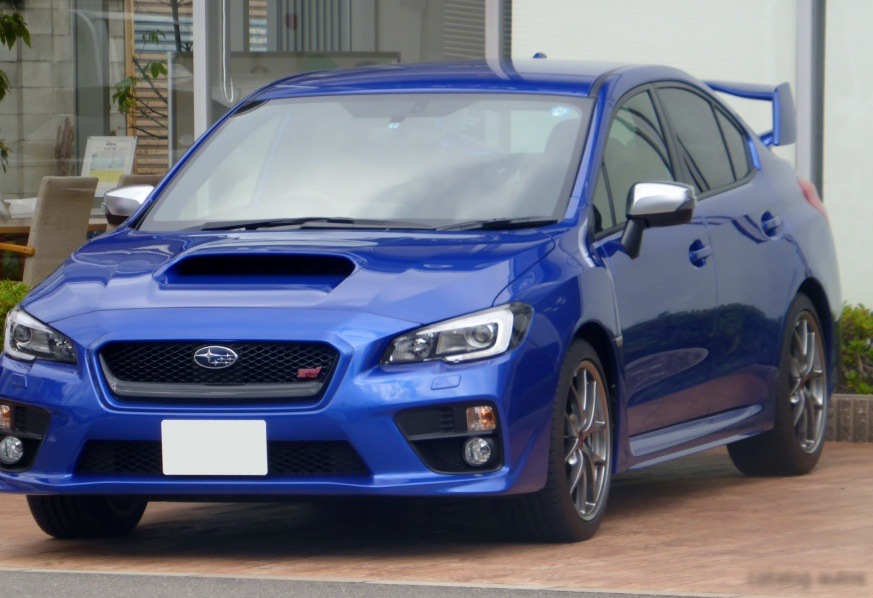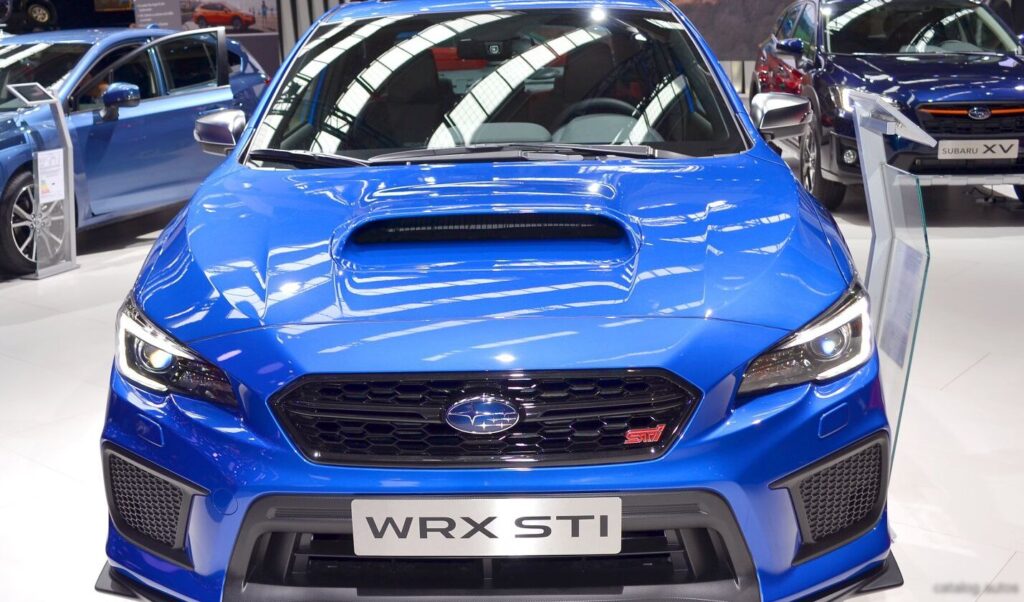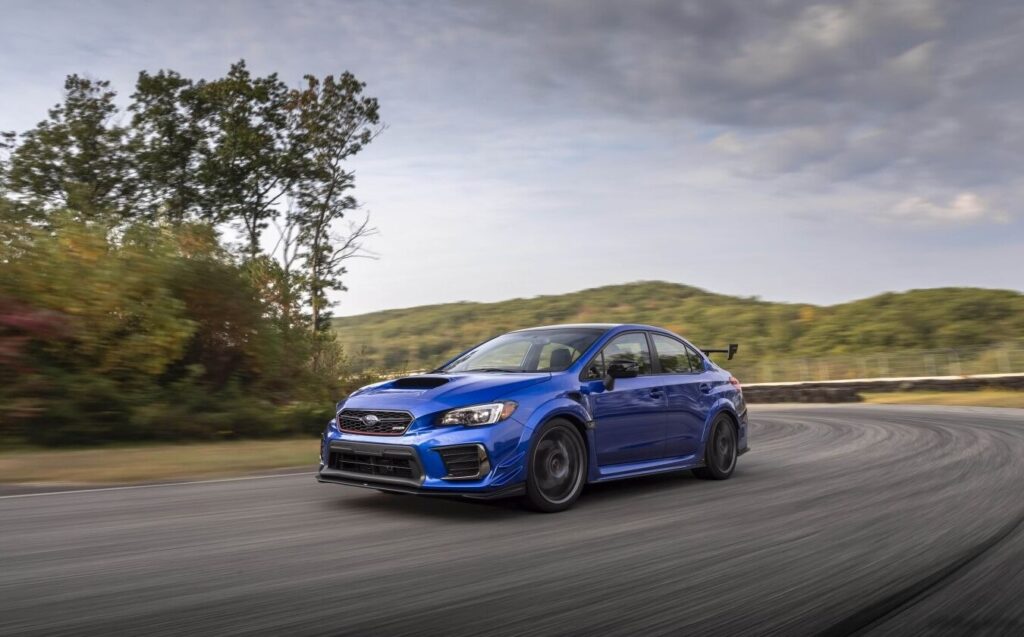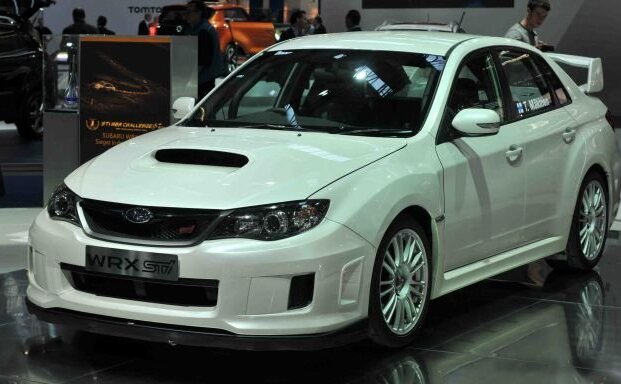
The Subaru WRX STI Sedan 2.5, equipped with a turbocharged 2.5-liter engine and a five-speed automatic transmission, represents a significant iteration of Subaru’s performance-focused all-wheel-drive sedan. Produced from 2007 through 2011, this variant occupied a unique position within the third-generation WRX STI (GRB/GRF chassis) lineup, offering a blend of the STI’s renowned handling characteristics with the convenience of an automatic gearbox. While the six-speed manual transmission remained the hallmark of the STI experience, the automatic option broadened the car’s appeal to a wider audience, particularly in the North American market where automatics were, and continue to be, highly preferred.
Technical Specifications
| Brand | Subaru |
| Model | WRX |
| Generation | WRX STI Sedan |
| Type (Engine) | 2.5 (300 Hp) Turbo Automatic |
| Start of production | 2007 |
| End of production | 2011 |
| Powertrain Architecture | Internal Combustion engine |
| Body type | Sedan |
| Seats | 5 |
| Doors | 4 |
| Fuel consumption (economy) – urban | 14.8 l/100 km (15.9 US mpg, 19.1 UK mpg, 6.8 km/l) |
| Fuel consumption (economy) – extra urban | 8.1 l/100 km (29 US mpg, 34.9 UK mpg, 12.3 km/l) |
| Fuel consumption (economy) – combined | 10.6 l/100 km (22.2 US mpg, 26.6 UK mpg, 9.4 km/l) |
| Fuel Type | Petrol (Gasoline) |
| Acceleration 0 – 100 km/h | 6 sec |
| Acceleration 0 – 62 mph | 6 sec |
| Acceleration 0 – 60 mph | 5.7 sec |
| Maximum speed | 250 km/h (155.34 mph) |
| Weight-to-power ratio | 5.1 kg/Hp, 196.7 Hp/tonne |
| Weight-to-torque ratio | 4.4 kg/Nm, 229.5 Nm/tonne |
| Power | 300 Hp @ 6200 rpm |
| Power per litre | 122.1 Hp/l |
| Torque | 350 Nm @ 3000-6000 rpm (258.15 lb.-ft. @ 3000-6000 rpm) |
| Engine layout | Front, Longitudinal |
| Engine Model/Code | EJ257 |
| Engine displacement | 2457 cm3 (149.94 cu. in.) |
| Number of cylinders | 4 |
| Engine configuration | Boxer |
| Cylinder Bore | 99.5 mm (3.92 in.) |
| Piston Stroke | 79 mm (3.11 in.) |
| Compression ratio | 8.2:1 |
| Number of valves per cylinder | 4 |
| Fuel injection system | Multi-port manifold injection |
| Engine aspiration | Turbocharger, Intercooler |
| Valvetrain | DOHC |
| Engine oil capacity | 4.3 l (4.54 US qt | 3.78 UK qt) |
| Coolant | 7.7 l (8.14 US qt | 6.78 UK qt) |
| Kerb Weight | 1525 kg (3362.05 lbs.) |
| Trunk (boot) space – minimum | 368 l (13 cu. ft.) |
| Fuel tank capacity | 60 l (15.85 US gal | 13.2 UK gal) |
| Length | 4580 mm (180.31 in.) |
| Width | 1795 mm (70.67 in.) |
| Height | 1470 mm (57.87 in.) |
| Wheelbase | 2625 mm (103.35 in.) |
| Front track | 1530 mm (60.24 in.) |
| Rear (Back) track | 1540 mm (60.63 in.) |
| Minimum turning circle | 11 m (36.09 ft.) |
| Drive wheel | All wheel drive (4×4) |
| Number of gears and type of gearbox | 5 gears, automatic transmission |
| Front suspension | Independent type McPherson |
| Rear suspension | Double wishbone |
| Front brakes | Ventilated discs |
| Rear brakes | Ventilated discs |
| Assisting systems | ABS (Anti-lock braking system) |
| Steering type | Steering rack and pinion |
| Tires size | 245/40 R18 |
| Wheel rims size | 8.5J x 18 |
INTRODUCTION
The 2007-2011 Subaru WRX STI Sedan 2.5 with the automatic transmission was a response to market demands for a more accessible high-performance vehicle. The STI, traditionally a driver’s car focused on track capability, gained a broader appeal with the introduction of the automatic option. Built on the Subaru Global Platform (SGP), specifically the 1HX0/GRB chassis for sedans, this generation STI represented a significant leap forward in terms of rigidity and handling compared to its predecessors. The automatic transmission was not simply a bolt-on; Subaru engineers worked to ensure it could handle the engine’s output and maintain a sporty driving experience.
Powertrain & Engine Architecture
At the heart of the STI Sedan 2.5 Automatic lies the EJ257 2.5-liter turbocharged boxer-four engine. This engine, a hallmark of the STI, featured a closed-deck block for increased strength, forged pistons, and a high-flow cylinder head. The turbocharger, an IHI VF36, provided boost through an intercooler, delivering 300 horsepower at 6,200 rpm and 350 Nm (258 lb-ft) of torque between 3,000 and 6,000 rpm. Fuel delivery was managed by a multi-point fuel injection system. The five-speed automatic transmission, a Jatco unit, was specifically reinforced to handle the engine’s power. It featured manual shift mode, allowing drivers some control over gear selection. While not as quick-shifting as a dual-clutch transmission, it offered a reasonable level of responsiveness for spirited driving.
Driving Characteristics
The automatic transmission altered the driving experience compared to the standard six-speed manual. While the manual STI offered a more direct and engaging connection to the engine, the automatic prioritized ease of use and smoother acceleration. The automatic’s gear ratios were tuned to provide adequate acceleration, but it lacked the aggressive downshifts and precise control of the manual. 0-60 mph times were typically around 5.7 seconds, slightly slower than the manual version. The all-wheel-drive system, a key component of the STI’s handling prowess, remained unchanged, providing excellent traction and stability in all conditions. The automatic transmission did add some weight, slightly impacting the car’s overall agility.
Equipment & Trim Levels
The STI Sedan 2.5 Automatic typically came well-equipped, though specific features varied slightly depending on the market. Standard features generally included leather upholstery, automatic climate control, a premium sound system, and power-adjustable front seats. Exterior features included a rear spoiler, alloy wheels, and fog lights. Optional extras included a sunroof, navigation system, and upgraded audio components. The STI trim level was generally considered the premium offering within the WRX/STI lineup, focusing on performance and features rather than outright luxury.
Chassis & Braking
The STI Sedan 2.5 Automatic benefited from a robust chassis featuring reinforced strut towers and a stiffer suspension setup compared to the standard WRX. The front suspension utilized McPherson struts, while the rear employed a double-wishbone configuration. Braking duties were handled by ventilated disc brakes on all four wheels, providing ample stopping power. An Anti-lock Braking System (ABS) was standard. The suspension was tuned for performance, offering a firm ride quality that prioritized handling over comfort. Stabilizer bars were thicker than those found on the standard WRX, further reducing body roll during cornering.
Market Reception & Comparison
The STI Sedan 2.5 Automatic received mixed reviews. While praised for its performance and all-weather capability, some critics found the automatic transmission to be a compromise compared to the manual. Fuel economy was also a concern, with combined figures around 22.2 US mpg. Compared to the manual STI, the automatic version offered a more comfortable and convenient driving experience, but at the expense of some performance and driver engagement. Compared to other performance sedans of the era, such as the Mitsubishi Lancer Evolution, the STI offered a unique combination of all-wheel-drive traction and a potent turbocharged engine.
Legacy
The Subaru WRX STI Sedan 2.5 Automatic has become a sought-after vehicle among enthusiasts, particularly those looking for a capable and reliable all-wheel-drive performance sedan. While the automatic transmission may not be the preferred choice for hardcore track enthusiasts, it has proven to be durable and relatively maintenance-free. Well-maintained examples command a premium in the used car market. The EJ257 engine, while known for its potential for oil consumption as it ages, remains a robust and tunable powerplant. The 2007-2011 STI Automatic represents a unique chapter in the STI’s history, bridging the gap between performance and practicality.